





If you’re unsure about what gold really is or how to tell real gold from imitations, you’re not alone. Today, many pieces that look like gold are actually made with cheaper metals. Common types include gold-plated, gold-filled, and gold vermeil jewelry—all of which involve bonding a thin layer of gold to base metals.
In contrast, solid gold jewelry is crafted from real gold and offers long term value and durability. Common gold purities include 9K, 10K, 14K, 18K, and 22K, each offering different balances of gold content, strength, and color. In this guide, we will explain the key differences among these gold types, the advantages of investing in solid gold jewelry, and important factors to consider before making a purchase.
9K gold contains 37.5% pure gold, making it highly durable and suitable for everyday wear, while 10K gold, with 41.7% pure gold, offers slightly improved color while maintaining strength. 14K gold is made of 58.5% pure gold, providing an excellent balance of durability and beauty, whereas 18K gold contains 75% pure gold, delivering a richer color and more luxurious feel. In comparison, 22K gold features 91.6% pure gold and a deep yellow hue, valued for its high purity and traditional appeal, though it is softer and best suited for special occasion jewelry.
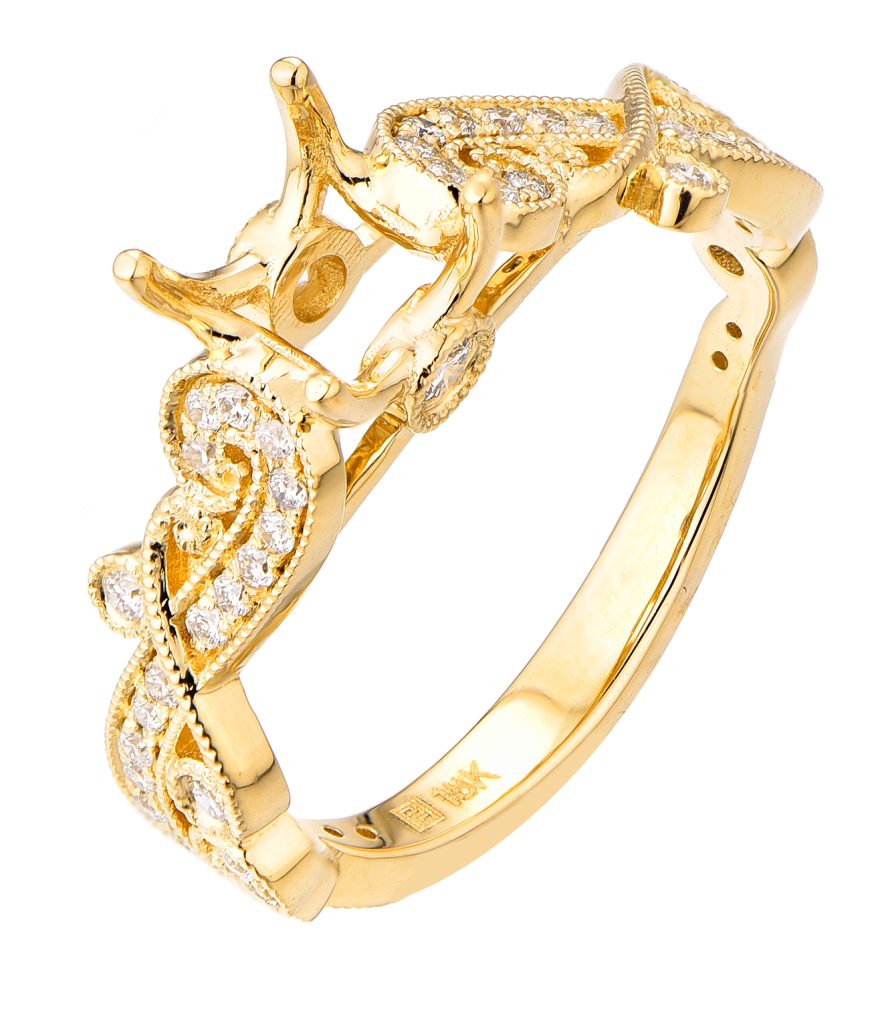
14K Gold Diamond Ring
14K Gold Pendant
14K Gold Flower Pendant
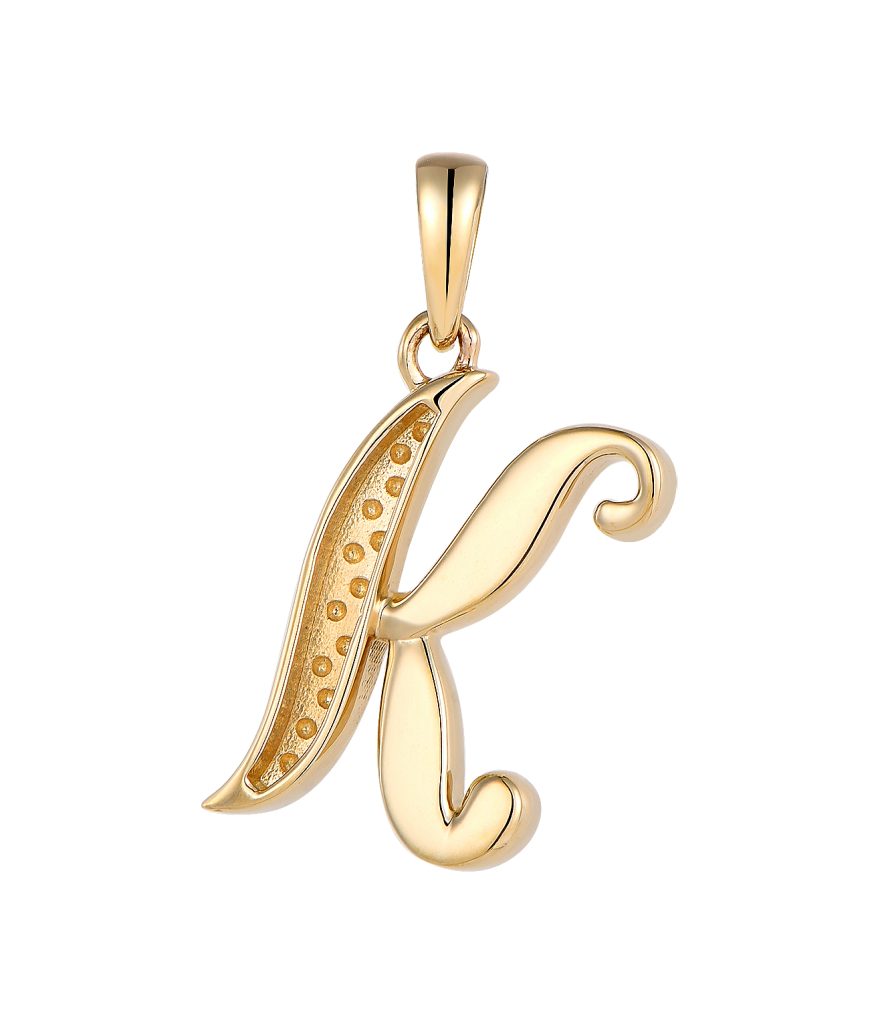
Gold Alphabet Pendant
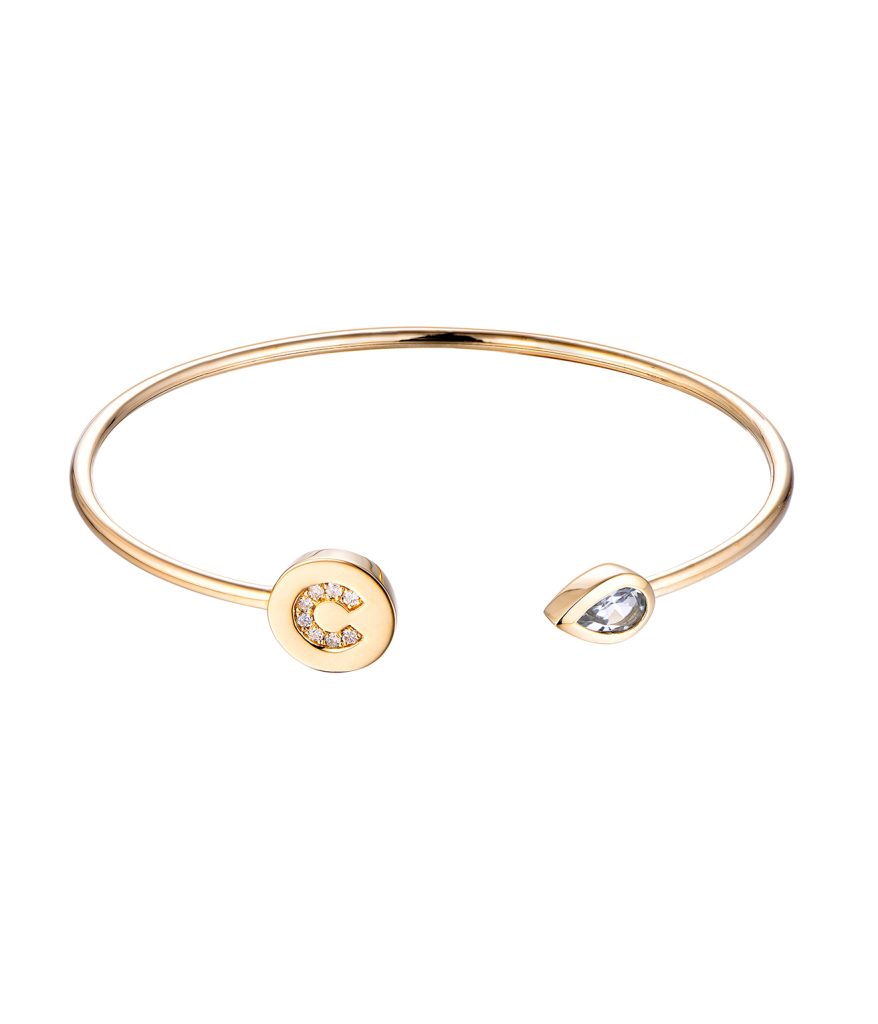
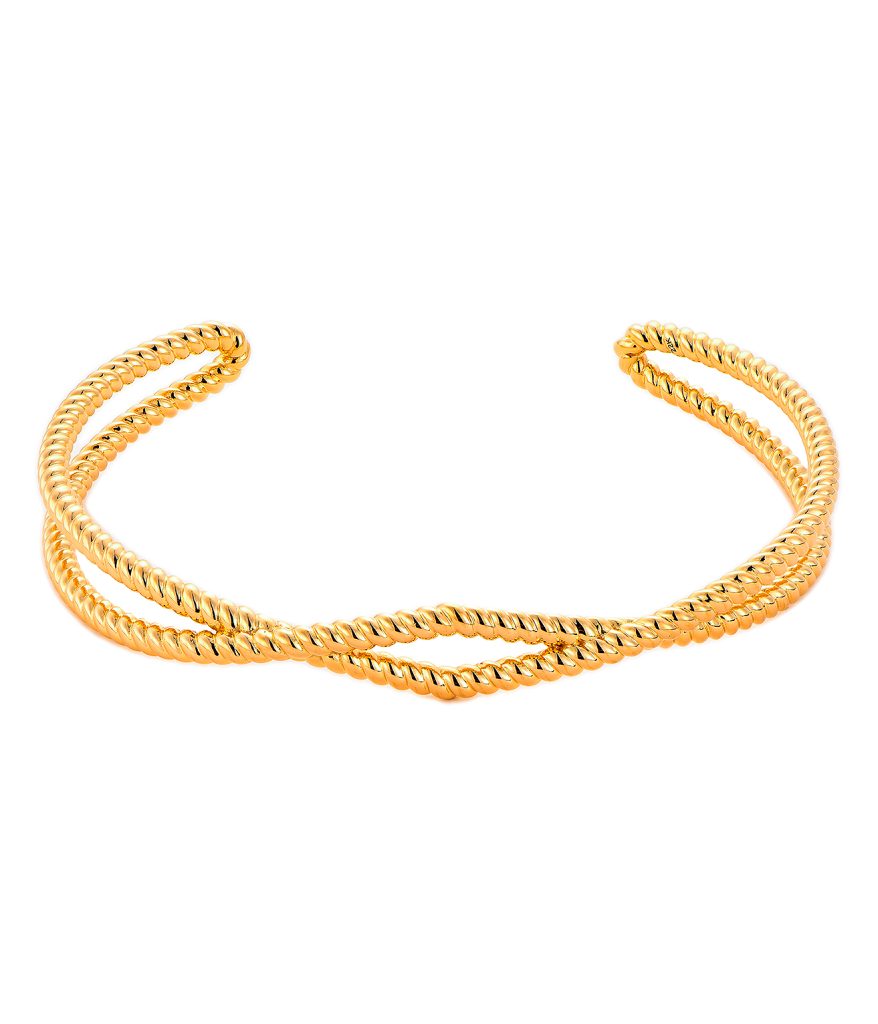
18K Gold Bracelet
18K Gold Bracelet
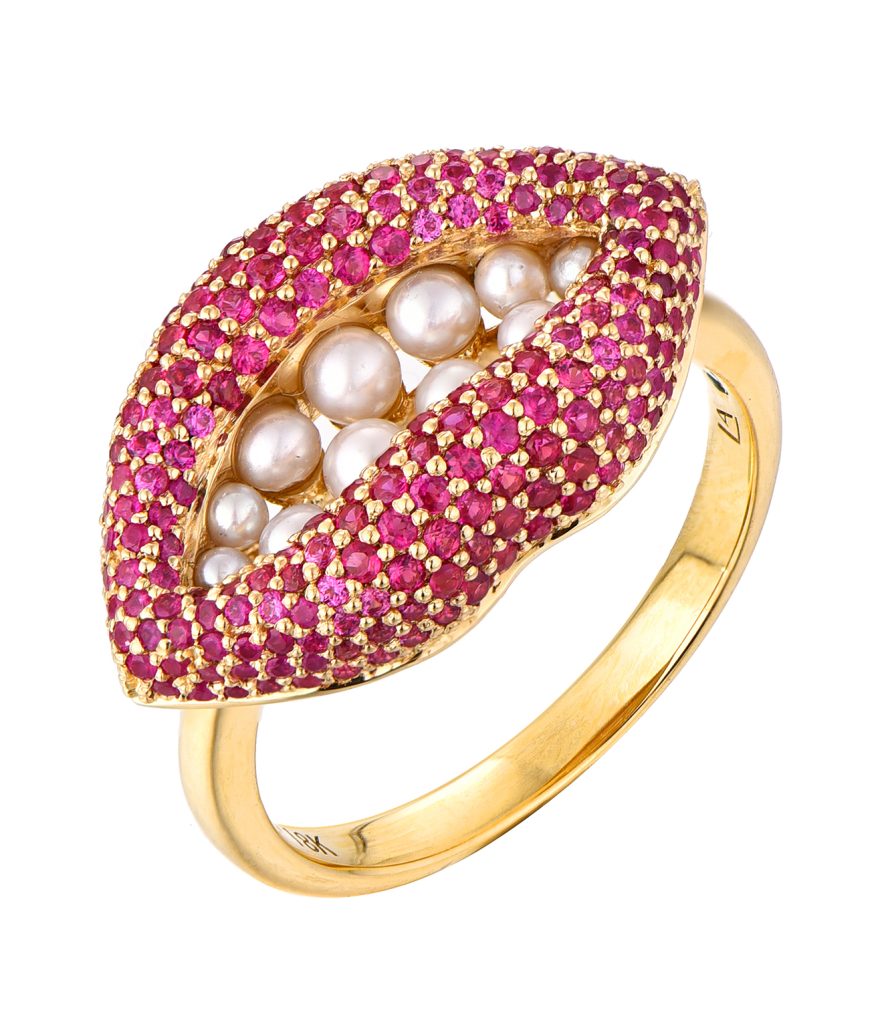
18K Gold Ruby Pearl Ring
18K Gold Ring
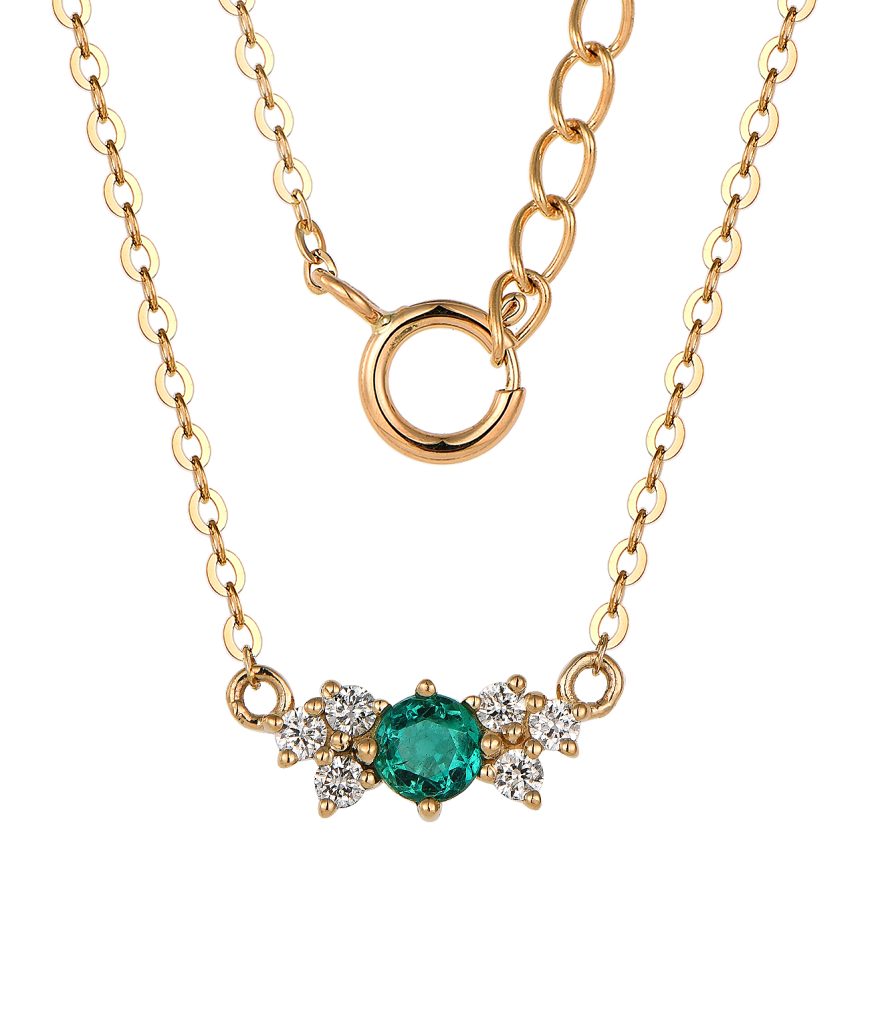
Gold Emerald Necklace
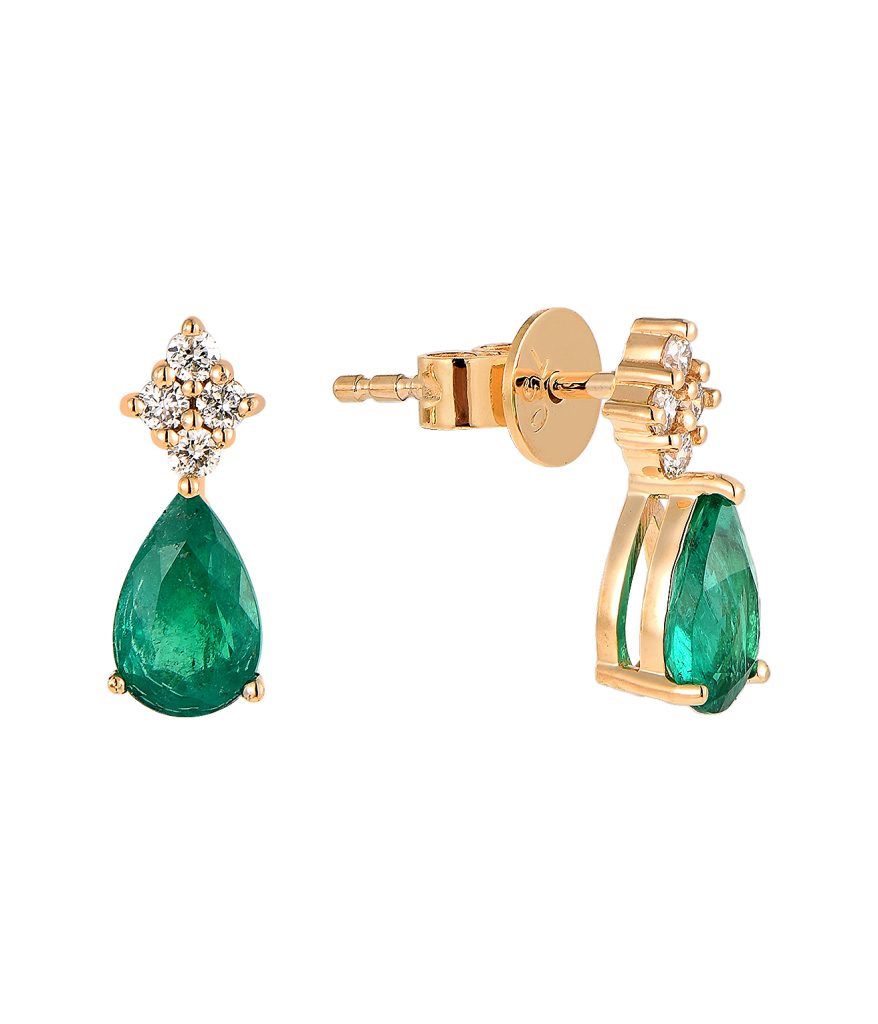
18K Gold Emerald Earrings
18K Gold Bracelet
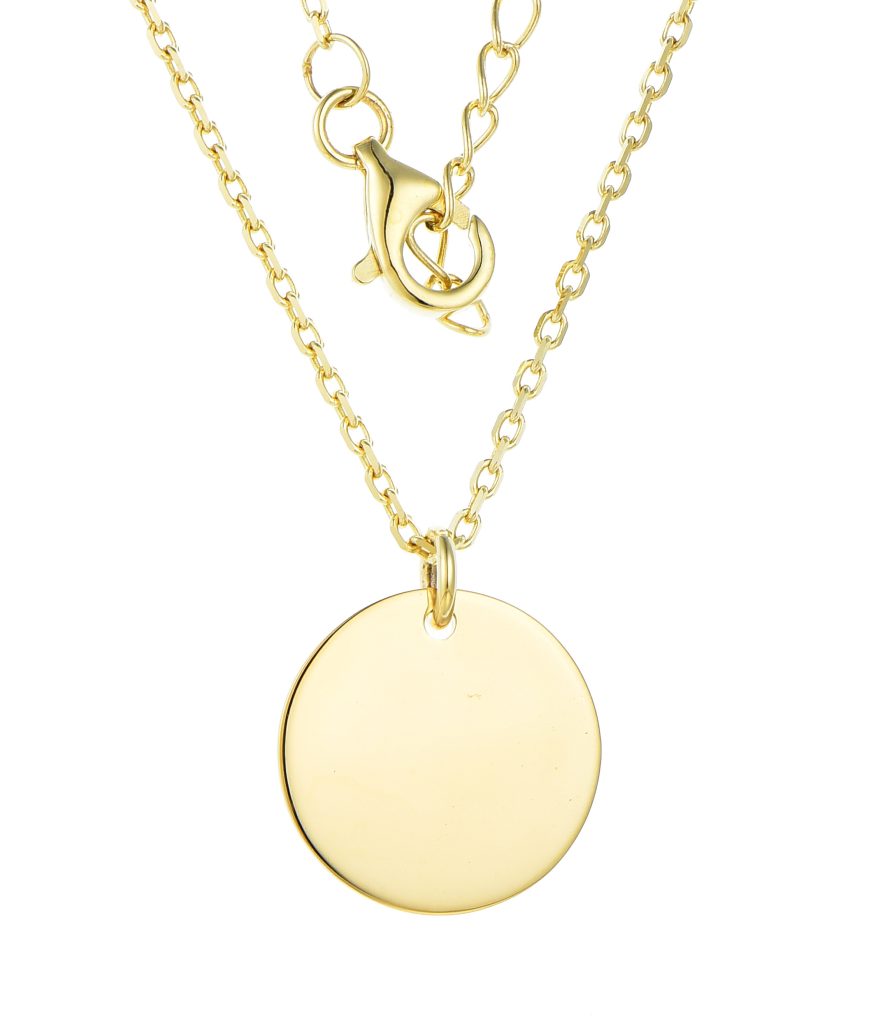
14K Gold Round Necklace
Solid gold usually refers to pure 24K gold with 100 percent gold content. However, because it is soft and easily deformed, it is not ideal for jewelry. It offers less resistance to corrosion, wear, and tarnish, and does not last as long. To improve its strength and durability, jewelers often mix it with other metals to create gold alloys.
Another part that may cause confusion is color. Solid gold is available in many shades, and the most popular options are yellow, white, and rose.
Yellow Gold
Pure gold is naturally yellow, but its color can change when mixed with other metals to enhance strength. Yellow gold jewelry usually combines gold with copper, silver, and a small amount of zinc. This blend slightly adjusts the tone while keeping its classic yellow appearance.
White Gold
White gold is a durable and stylish option often used for necklaces and engagement rings. It looks whiter than sterling silver and is made by blending pure gold with metals like copper, silver, nickel, or palladium.
Rose Gold
Rose gold, also known as Russian gold, was highly popular in the 19th century and is now making a strong comeback in modern gold jewelry. It is created by blending gold with copper, silver, and zinc in different proportions. With a warm tone that sits between yellow and white gold, rose gold is ideal for mixing and matching with other jewelry pieces. This makes it a top choice for everyday rings, bracelets, and necklaces.
Not quite. Real gold is a precious metal, and it’s extremely rare. Also, it is basically too soft and practically of no use in its original state because it wouldn’t last long for whatever it is shaped into.
Oftentimes, most real gold you see is not really real. They are the combination of high gold content with other non-precious metals (which are added to improve the hardness of the gold). In order not to bastardize the quality of solid gold by mixing higher content of metal, a general rule has been stipulated. It states that, at the minimum, solid gold jewelry must have a karatage of 9 or higher. Karatage is the measurement of gold in alloys.
Gold in alloys (same thing as GOLD PURITY) is measured in Karatage (sometimes called karats or K). It’s basically the amount of real gold that is in any alloy. In this case, the measurement of the amount of real gold that’s present in a solid gold jewelry.
The most common karat options that can be included in solid gold are 10K, 14K, 18K, 22K, and 24K.
Contains 41.7% pure gold and 58.3% alloyed metals. It’s the hardest and most affordable piece on this list, but it does not have the deep yellow tone that others have since it’s made up of a higher content of alloyed metal.
Contains 58.5% pure gold and 41.7% alloyed metals. This is one of the two most popular solid gold and it’s ideal for everyday use, as it contains high content of strong metals. 14K pieces are typically used for engagement rings, wedding bands, and so on.
Contains 75% pure gold and 25% alloyed metals. This is the other most common solid gold. 18K jewelries have a deeper yellow hue than 14K obviously because of the higher gold content, however it is more expensive.
Contains 91.6% pure gold and 8% alloyed metals. This karat option is only a few steps away from 24K. It is very strong and durable, nevertheless, it must be handled with care because it is the softest form of mixed metal jewelry.
Contains 100% pure gold, hence it’s easy to denote that this is the best gold to buy. However, it’s not suitable for making jewelry unless other metals are added. In fact. You can’t do the easiest house chore while wearing a 24K bracelet because little dent will appear on it boldly.
No products in the cart.