999 Fine Silver vs 925 Sterling Silver: Which Is Better for Jewelry?
Table of Contents
When comparing 999 fine silver vs 925 sterling silver, the main difference is silver purity. 999 fine silver contains 99.9% silver, while 925 sterling silver contains 92.5% silver and 7.5% alloy metals.
For jewelry brands, wholesalers, retailers, and manufacturers, however, purity is only one factor. Durability, design requirements, manufacturing performance, tarnish, finishing, and intended use also affect which silver is more suitable.
For most commercial jewelry collections, 925 sterling silver offers a practical balance of silver content, strength, durability, and manufacturing flexibility. 999 fine silver can be suitable for designs where higher silver purity is the primary requirement, but its softer structure may limit its use in jewelry that needs greater durability or dimensional stability.
999 Fine Silver vs 925 Sterling Silver at a Glance
| Feature | 999 Fine Silver | 925 Sterling Silver |
|---|---|---|
| Silver purity | 99.9% | 92.5% |
| Alloy content | About 0.1% trace elements | 7.5% alloy metals |
| Hardness | Softer | Stronger |
| Shape stability | Lower | Higher |
| Scratch resistance | Lower | Higher |
| Everyday wear | Better for simple designs | Suitable for regular wear |
| Jewelry manufacturing | More limited | Widely used |
| Common applications | Collectible and high purity jewelry | Rings, earrings, necklaces, bracelets and custom jewelry |
| Main advantage | Higher silver purity | Better strength and manufacturing performance |
What Is 999 Fine Silver?
999 fine silver, also called fine silver or pure silver, contains approximately 99.9% silver. The 999 designation means that 999 parts out of 1,000 are silver.
Its high purity gives fine silver a bright appearance and high silver content. However, fine silver is relatively soft and malleable compared with sterling silver.
Because it can scratch, bend, or deform more easily, 999 silver is generally better suited to simple, decorative, collectible, or specialized jewelry designs where high purity is more important than maximum structural strength.
What Is 925 Sterling Silver?
925 sterling silver contains 92.5% pure silver and 7.5% alloy metals, commonly including copper and other strengthening elements.
The alloy content improves hardness, structural stability, and workability while maintaining the appearance and properties associated with genuine silver.
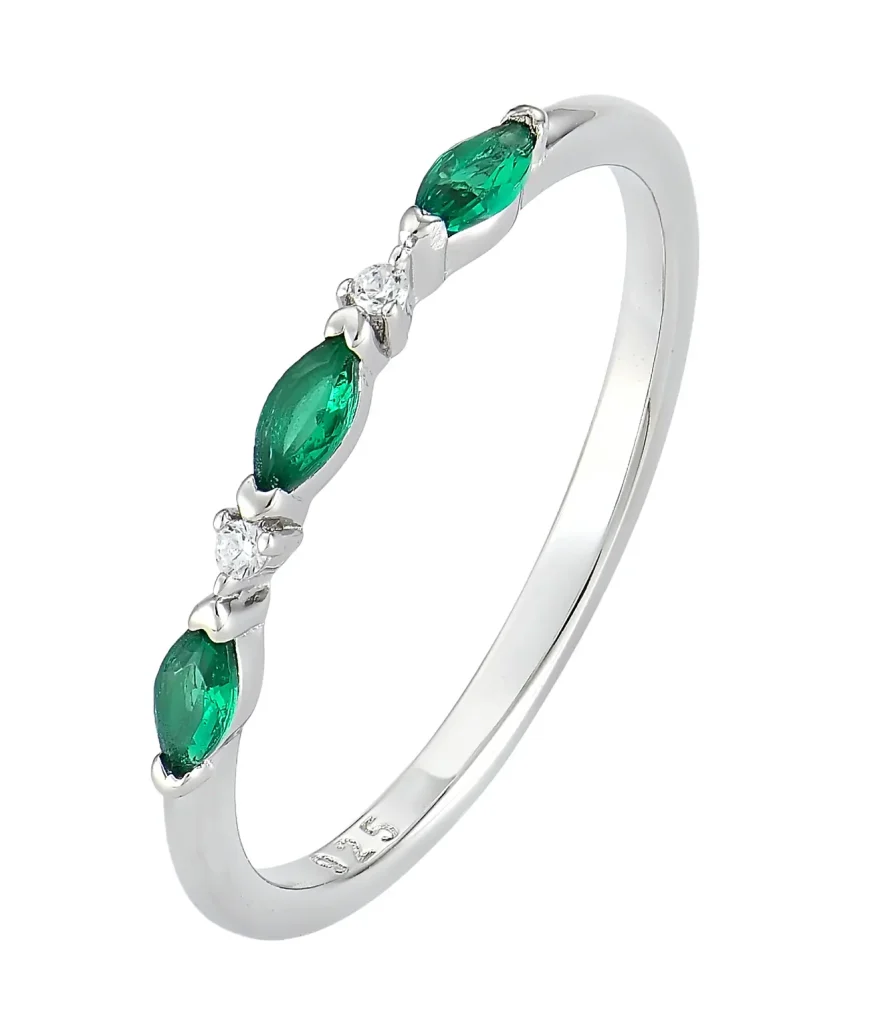
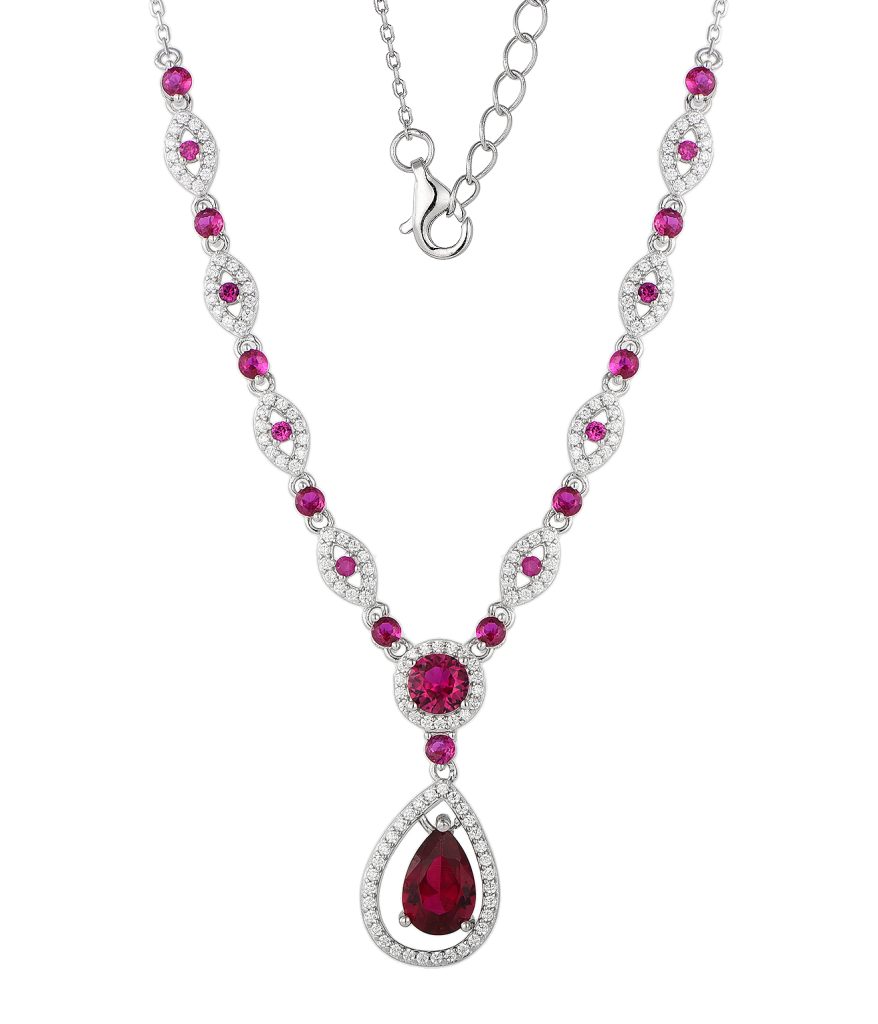
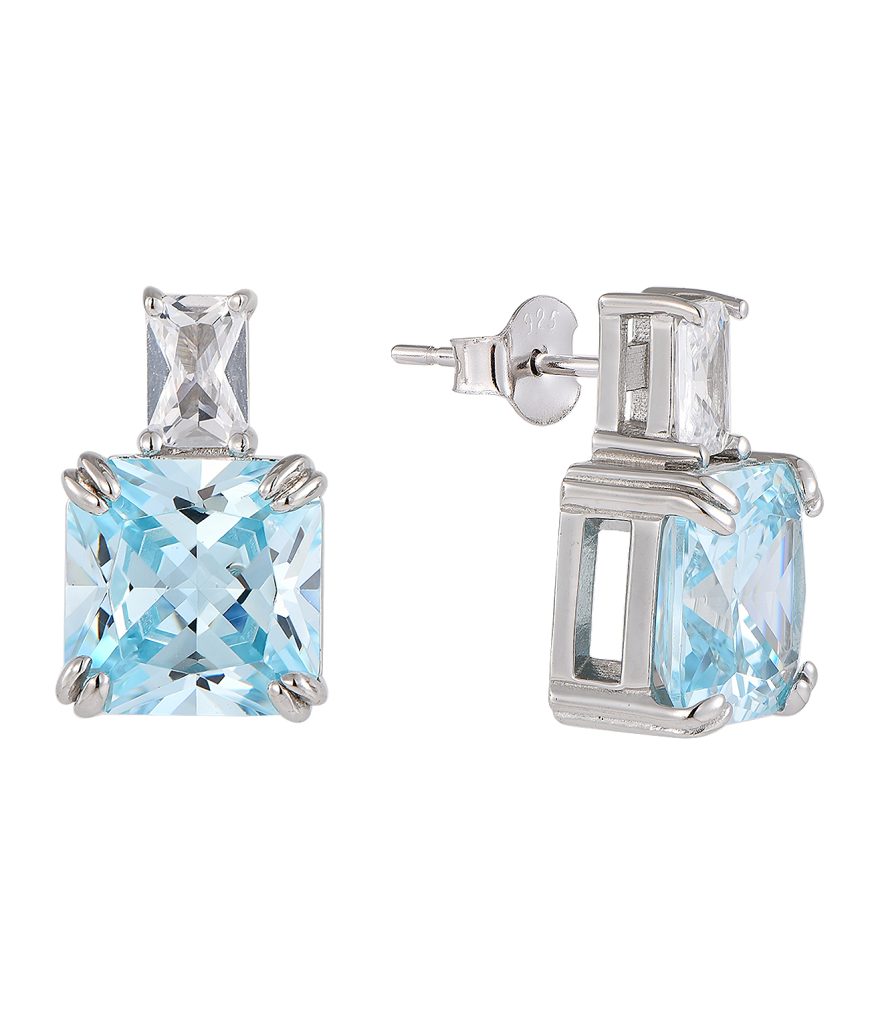
For jewelry manufacturing, 925 sterling silver is widely used for rings, earrings, necklaces, bracelets, pendants, gemstone jewelry, and custom designs. It can also be polished, engraved, rhodium plated, or gold plated according to the product specification.
What Is the Difference Between 999 and 925 Silver?
The main difference between 999 fine silver and 925 sterling silver is their silver content. 999 fine silver contains 99.9% silver, while 925 sterling silver contains 92.5% silver and 7.5% alloy metals.
This difference affects hardness, durability, manufacturing performance, and suitability for different jewelry designs.
Purity
999 fine silver has a higher silver purity than 925 sterling silver. It contains approximately 7.4 percentage points more silver.
If maximum silver purity is the main requirement, 999 fine silver has the advantage. However, higher purity does not automatically make a material more suitable for every jewelry application.
Durability
925 sterling silver is generally stronger and more resistant to deformation than 999 fine silver.
This makes 925 sterling silver more practical for rings, bracelets, clasps, gemstone settings, and other components exposed to regular friction or impact.
Jewelry Manufacturing
925 sterling silver is widely used in commercial jewelry manufacturing because its alloy composition provides a useful combination of strength, workability, and design flexibility.
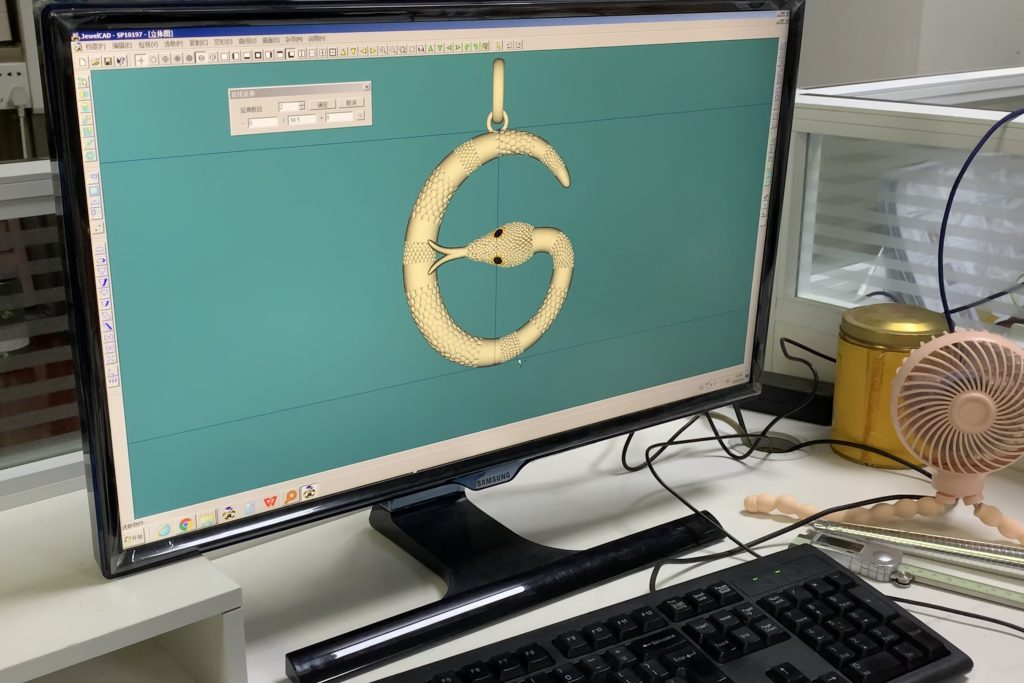
It is suitable for casting, polishing, stone setting, engraving, CAD based custom jewelry, and different plating finishes.
999 fine silver can also be used for jewelry, but its softness can limit its suitability for detailed structures or components that require greater strength.
Appearance
Both materials have the characteristic appearance of silver. The final appearance of finished jewelry also depends on polishing, plating, oxidation, e coating, and other finishing processes.
Therefore, the difference in appearance between 999 and 925 silver may be less noticeable than the difference in their mechanical properties.
999 vs 925 Silver for Jewelry Manufacturing
For jewelry brands, wholesalers, retailers, and private label businesses, material selection should match the design and production requirements of the collection.
925 Sterling Silver
925 sterling silver is generally suitable for:
- Everyday rings and bracelets
- Earrings and necklaces
- Gemstone jewelry
- Detailed custom designs
- Engraved jewelry
- OEM and ODM jewelry
- Private label collections
Its combination of strength and workability makes it practical for casting, polishing, stone setting, engraving, and plating.
For B2B jewelry production, the material should also be evaluated against the construction of the finished piece. Rings, gemstone settings, clasps, thin sections, and other components exposed to regular wear may require greater structural stability than simple decorative designs.
999 Fine Silver
999 fine silver can be considered when:
- High silver purity is the main priority
- The design is simple
- The jewelry is decorative or collectible
- Maximum structural strength is less important
For most commercial jewelry collections, 925 sterling silver provides greater design and production flexibility.
999 vs 925 Silver: Which Is Better for Jewelry Making?
For most commercial jewelry manufacturing applications, 925 sterling silver is a more practical choice because it combines high silver content with greater hardness, structural stability, and manufacturing flexibility.
The material is widely used for custom jewelry because its hardness and workability support a wide range of manufacturing processes.
These include:
- CAD development
- Wax modeling
- Casting
- Stone setting
- Polishing
- Laser engraving
- Electroplating
- Quality inspection
The stronger alloy is particularly useful for jewelry with gemstones, detailed structures, thin sections, or components that need to maintain their shape.
For brands developing a new collection, material selection should therefore be based on the final product requirements rather than silver purity alone.
999 vs 925 Silver Tarnish: Which Tarnishes More?
Both 999 fine silver and 925 sterling silver can tarnish over time, although fine silver is generally less reactive than sterling silver.
925 sterling silver contains alloy metals that can react with moisture, sulfur compounds, sweat, cosmetics, and other environmental factors.
Tarnishing does not mean that sterling silver is poor quality. Proper storage, regular cleaning, and suitable surface finishing can help maintain its appearance.
For commercial jewelry, rhodium plating and e coating can provide additional surface protection and help reduce maintenance.

Is 925 Sterling Silver Real Silver?
Yes. Genuine 925 sterling silver is real silver and contains 92.5% pure silver.
However, a 925 stamp alone should not be treated as complete proof of authenticity. For B2B jewelry sourcing, buyers should also confirm material specifications, supplier information, purity testing, product documentation, and quality inspection.
For valuable production orders, XRF testing can provide a more reliable assessment of metal composition.
What Do 925, .925 and S925 Mean?
The markings 925, .925, and S925 are commonly used to indicate sterling silver with a silver purity of 92.5%.
For example:
- 925 = 92.5% silver
- 999 = 99.9% silver
Therefore, 925 silver and .925 silver normally refer to the same purity standard, rather than two different types of silver.
The exact hallmark format can vary by product, manufacturer, and market. When sourcing custom or wholesale jewelry, the hallmark should be supported by a clear material specification and appropriate quality control.
Is 925 Sterling Silver Hypoallergenic?
925 sterling silver is generally considered skin friendly and widely used for jewelry.
However, because sterling silver contains alloy metals, some people with very sensitive skin may prefer higher purity silver or nickel free options.
For jewelry brands creating custom collections, choosing quality materials and controlling alloy composition are important steps to improve customer satisfaction.
How to Identify Genuine 925 Sterling Silver
A hallmark can provide a useful first indication of the material, but B2B buyers should not rely on the stamp alone.
Check the Hallmark
Look for markings such as:
- 925
- .925
- S925
- Sterling
The location of the mark depends on the product. It may appear inside a ring, on a clasp, on the back of a pendant, or on another discreet area.
Check the Product Specification
When sourcing wholesale or custom jewelry, ask the manufacturer to clearly specify the base material.
A professional quotation or product specification should distinguish between:
925 sterling silver and silver plated over brass or another base metal.
These are completely different materials.
Use Professional Testing
For production orders or valuable pieces, professional testing provides a more reliable way to verify material composition.
Manufacturers and quality control teams may use methods such as XRF testing to verify metal composition without damaging the finished piece.
925 Sterling Silver vs Silver Plated Jewelry
925 sterling silver is an alloy containing 92.5% silver throughout the material. Silver plated jewelry uses a different base metal, such as brass, with a layer of silver applied to the surface.
For wholesale and custom jewelry orders, always confirm the base material before production because these materials have different properties, costs, and specifications.
The right choice depends on the requirements of the jewelry collection.
Choose 999 fine silver when the priority is:
- Higher silver purity
- Simple or decorative designs
- Collectible jewelry
- Specialized high purity applications
Choose 925 sterling silver when the priority is:
- Everyday jewelry
- Greater structural durability
- Gemstone setting
- Detailed custom designs
- Rings, earrings, necklaces, and bracelets
- OEM and ODM production
- Private label jewelry
For most commercial jewelry manufacturing projects, 925 sterling silver provides a practical balance of purity, durability, design flexibility, and production performance. 999 fine silver remains a useful option when maximum silver purity is the main requirement.
Frequently Asked Questions
1.Is 999 silver better than 925 silver?
Not necessarily. 999 silver has higher purity, while 925 sterling silver offers greater strength and is generally more practical for everyday jewelry and commercial production.
2.Which is better, 999 or 925 silver for jewelry?
For most jewelry applications, 925 sterling silver is more practical because it offers greater strength and durability while retaining a high silver content. 999 fine silver may be preferred when maximum silver purity is more important than structural strength.
3.Is 999 fine silver good for jewelry?
Yes. 999 fine silver can be suitable for simple, decorative, collectible, or specialized jewelry where high silver purity is the main priority.
4.Is 925 sterling silver real silver?
Yes. Genuine 925 sterling silver contains 92.5% pure silver and 7.5% alloy metals.
5.Is 925 silver the same as sterling silver?
Yes. In jewelry manufacturing, 925 silver and sterling silver generally refer to the same 92.5% silver alloy.
6.Does 999 silver tarnish?
Yes. Fine silver can tarnish over time, although it is generally less prone to tarnishing than sterling silver.
7.Does 925 sterling silver tarnish?
Yes. Sterling silver can tarnish when exposed to air, moisture, sulfur compounds, sweat, and chemicals. Proper care and suitable finishing can help reduce tarnishing.
8.Is 925 silver suitable for everyday wear?
Yes. 925 sterling silver is widely used for everyday rings, earrings, necklaces, bracelets, and other jewelry because it provides a good balance of strength and silver content.
9.Which silver is better for jewelry manufacturing?
For most commercial jewelry manufacturing, 925 sterling silver is more practical because its alloy composition provides greater strength and design flexibility. 999 fine silver can be suitable for specific high purity applications.
Conclusion
The main difference between 999 fine silver and 925 sterling silver is silver purity. 999 fine silver contains 99.9% silver, while 925 sterling silver contains 92.5% silver and additional alloy metals for greater strength.
For most commercial jewelry brands, wholesalers, retailers, and manufacturers, 925 sterling silver offers a practical balance of purity, durability, design flexibility, and manufacturing performance.
999 fine silver remains suitable for specialized designs where higher silver purity is more important than structural strength.
For custom jewelry production, the right material should be selected according to the design, intended use, durability requirements, and finishing specifications.
At Endless Jewellery, we manufacture custom 925 sterling silver jewelry for brands, wholesalers, retailers, and private label businesses. Our production capabilities include custom design, CAD development, casting, polishing, stone setting, plating, quality inspection, and customized packaging.
Have a jewelry design idea or some questions?