Sterling Silver or Stainless Steel Jewelry: What’s the Better Option?
Table of Contents
When it comes to jewelry, the type of metal you choose makes all the difference. Among the many options available, stainless steel and sterling silver have remained two of the most talked-about materials, each with its own strengths and weaknesses.
In this article, we’ll break down the stainless steel vs sterling silver debate by comparing their features, advantages, disadvantages, and helping you decide which metal best suits your style and needs.
Basics of Stainless Steel Jewelry
Materials & Composition
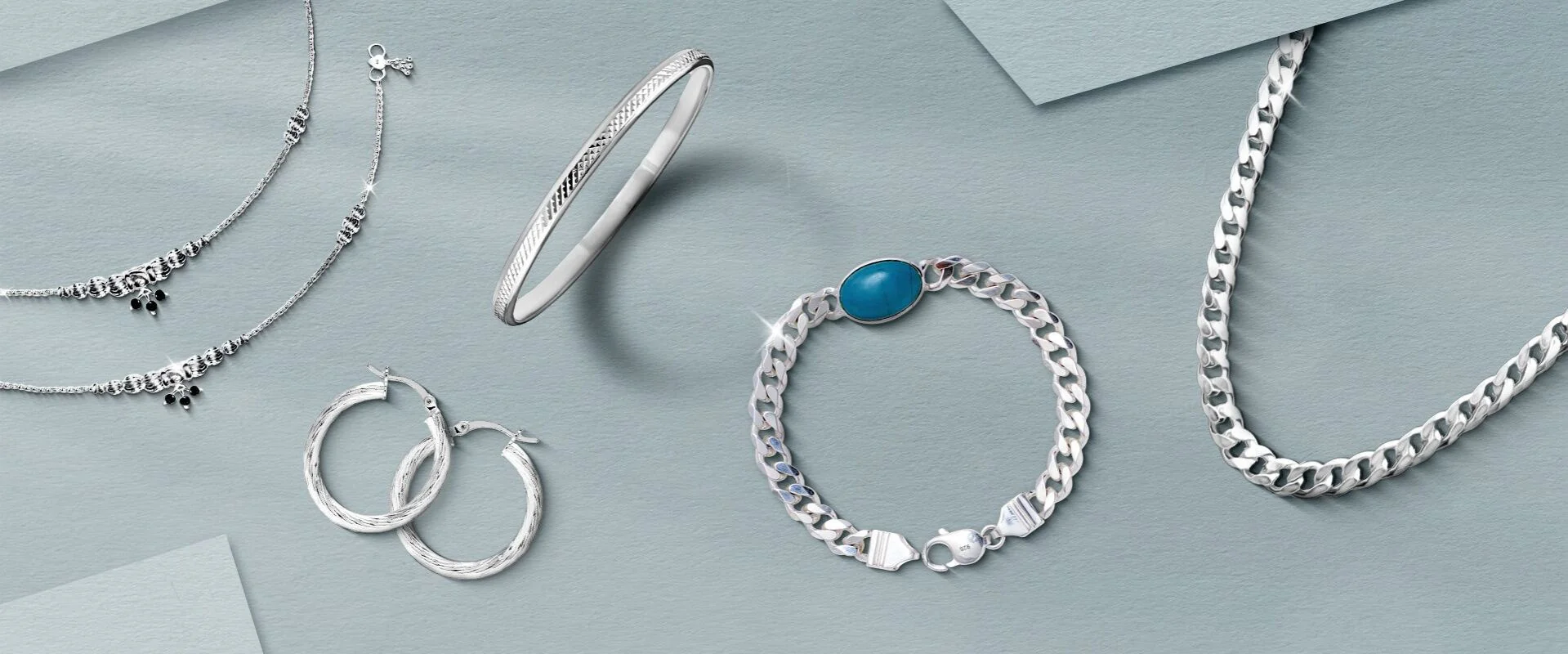
Stainless steel jewelry is crafted from a blend of metals, primarily iron, carbon, and a minimum of 10.5% chromium. This unique combination gives stainless steel its remarkable strength and durability while making it highly resistant to rust and corrosion. Its sleek, modern appearance also makes it a favorite choice for contemporary jewelry designs.
Color Options
Stainless steel jewelry can be produced in varying colors, like:
- Steel (Rhodium-Plated): Rhodium, a rare and shiny metal can be plated on stainless steel jewelry for an extra layer of protection against scratches. It offers a bright, reflective finish.

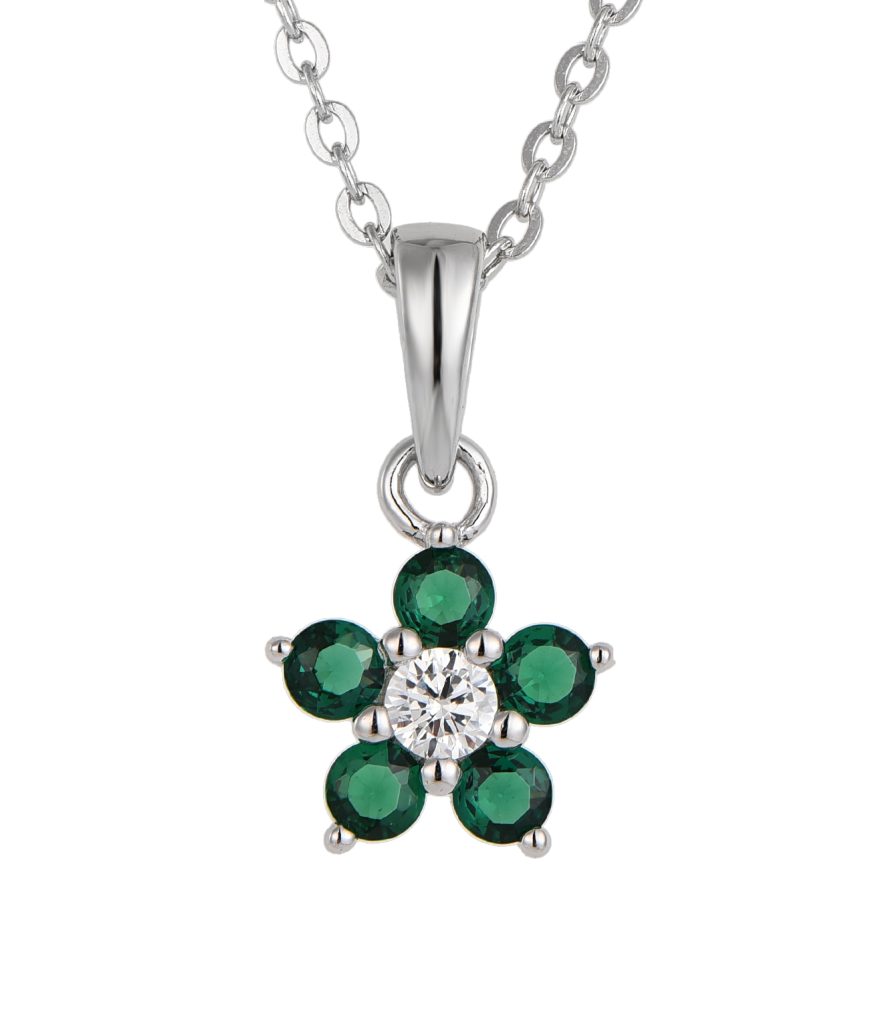
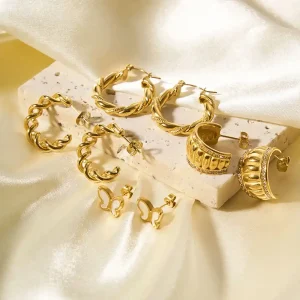
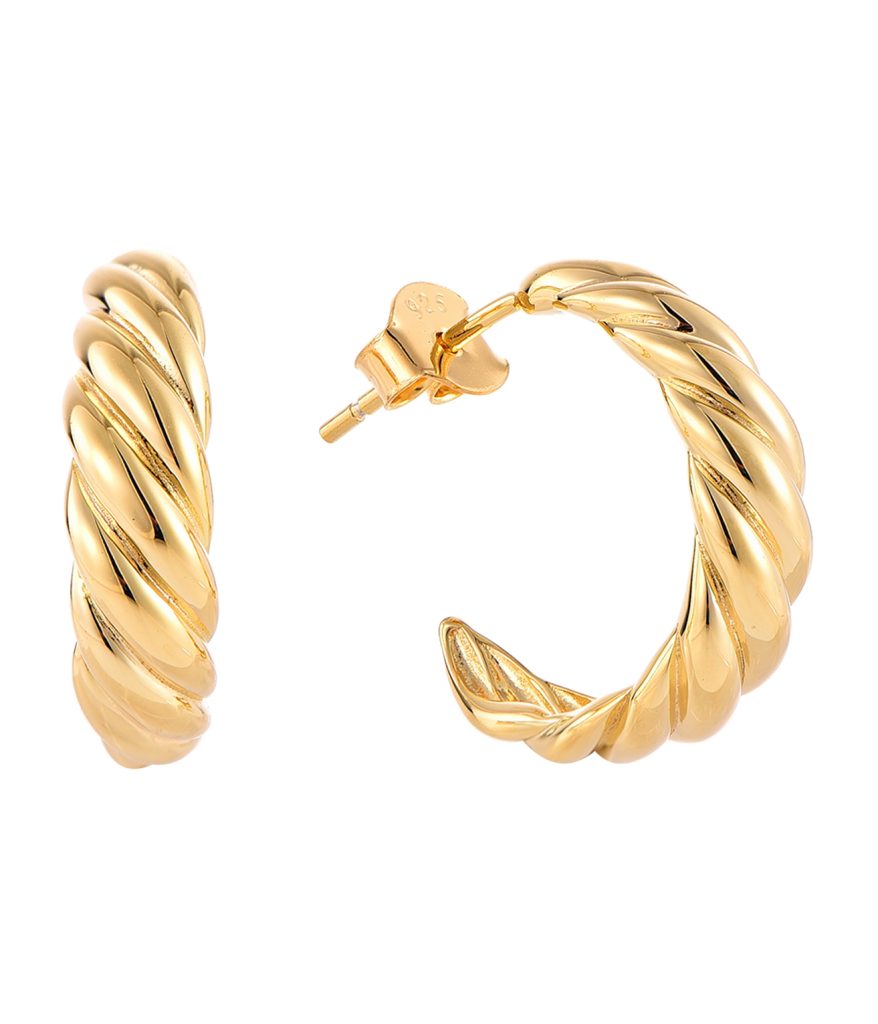
- Gold (Gold PVD Plating): Involves bonding a thin layer of gold on stainless steel jewelry for a durable, attractive finish. It results in gold look-alike jewelry with great resistance to wear and tarnishing.
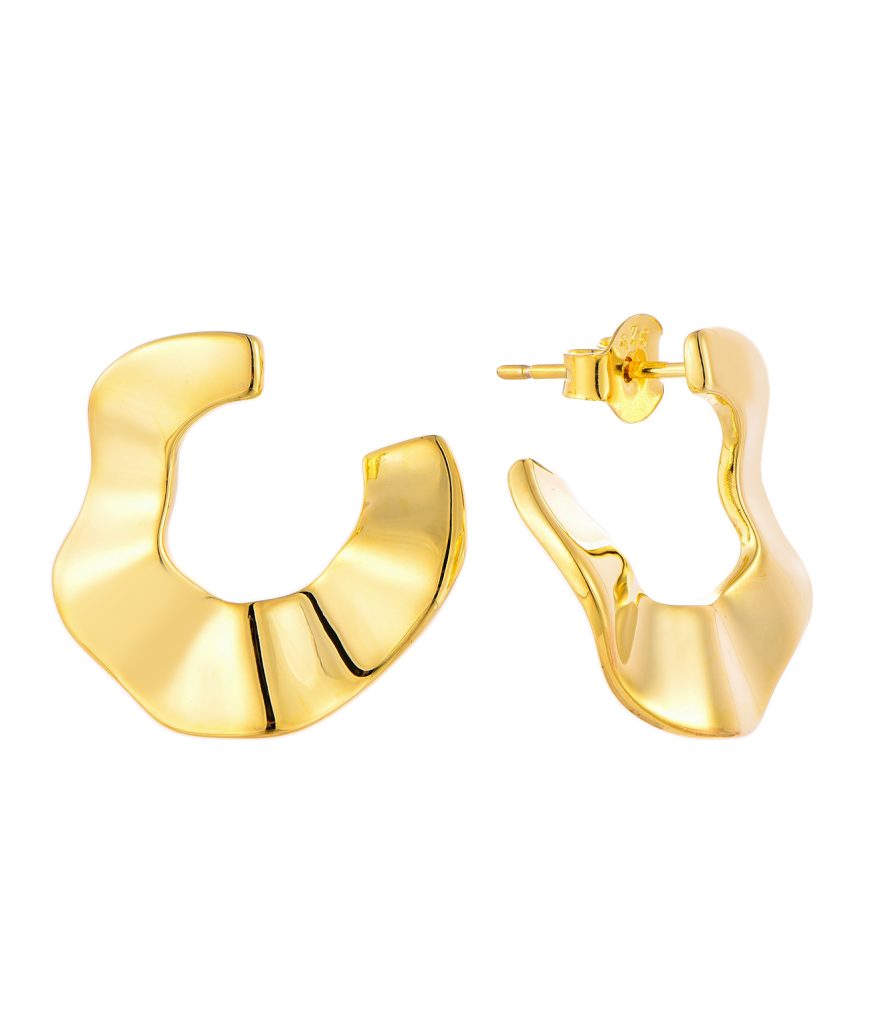
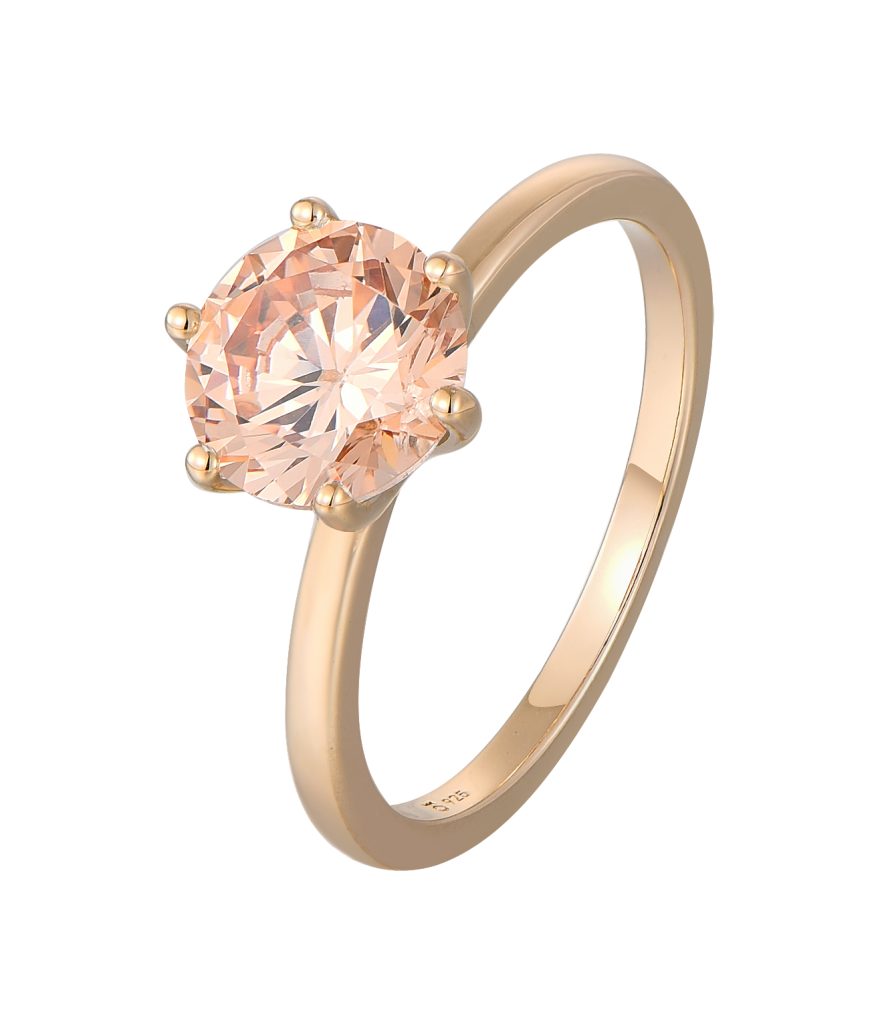
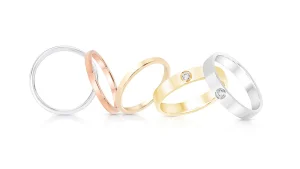
- Special Colors: Stainless steel can be designed through different techniques like electroplating or ion plating to achieve other colors like black, rainbow, rose gold, etc.
Basics on Sterling Silver Jewelry
Materials & Composition
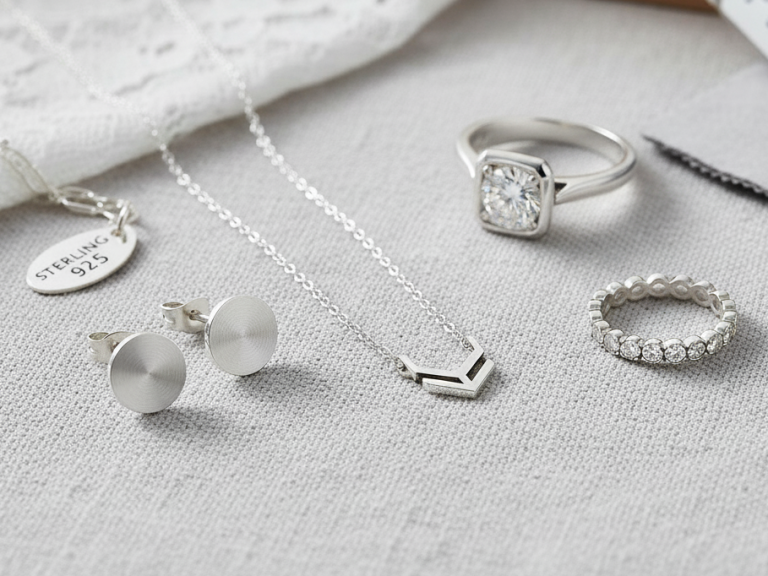
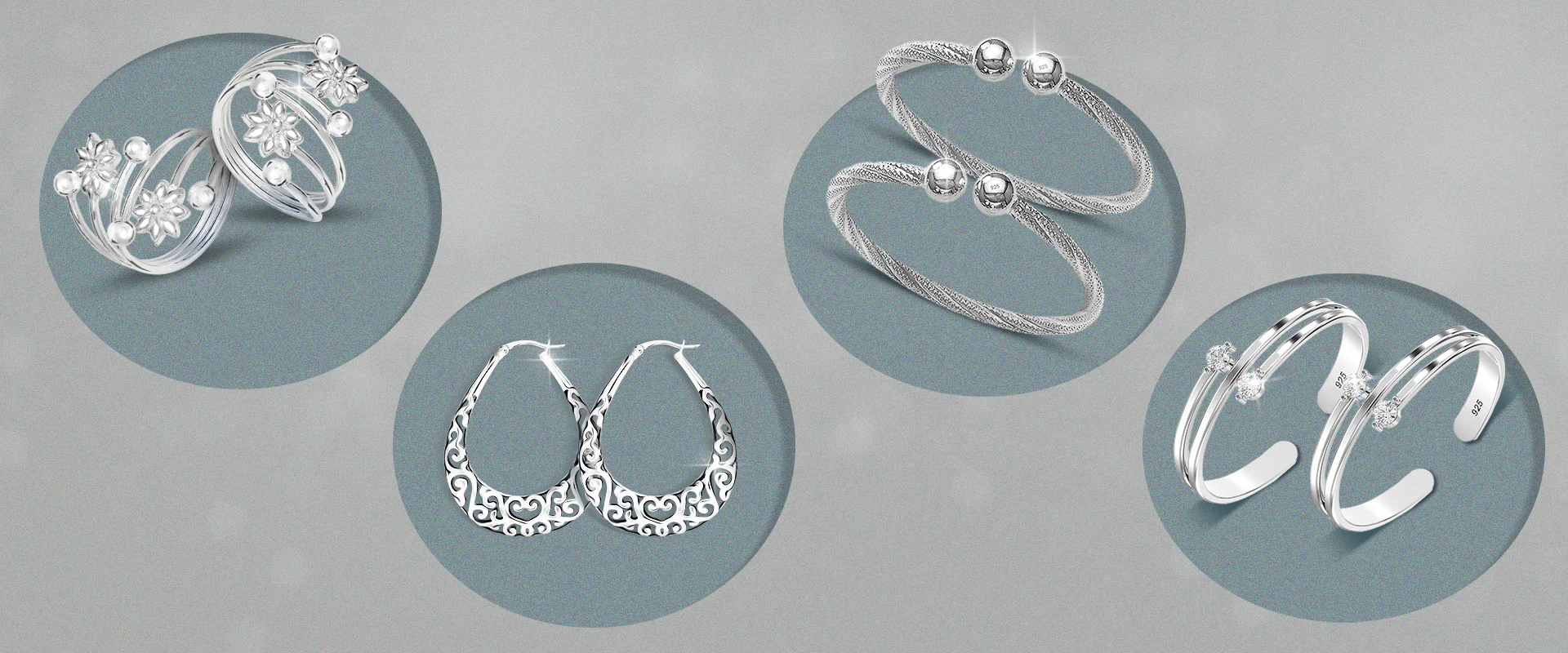
Sterling silver jewelry consists of 92.5% pure silver combined with 7.5% other metals, typically copper. These additional metals strengthen the silver, as pure silver alone is too soft for long-lasting jewelry. This balanced composition gives sterling silver its signature shine, durability, and flexibility, making it ideal for crafting detailed and elegant jewelry designs.
Color Options
Sterling silver can be produced in varying colors, such as:
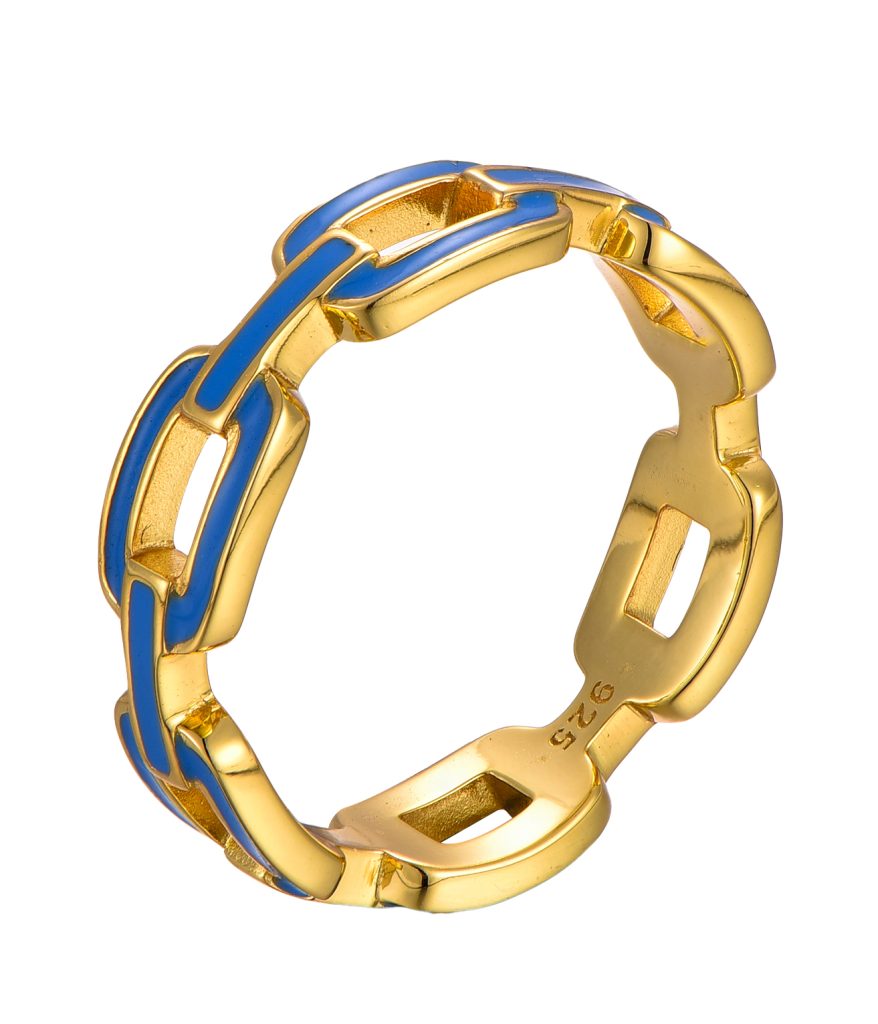
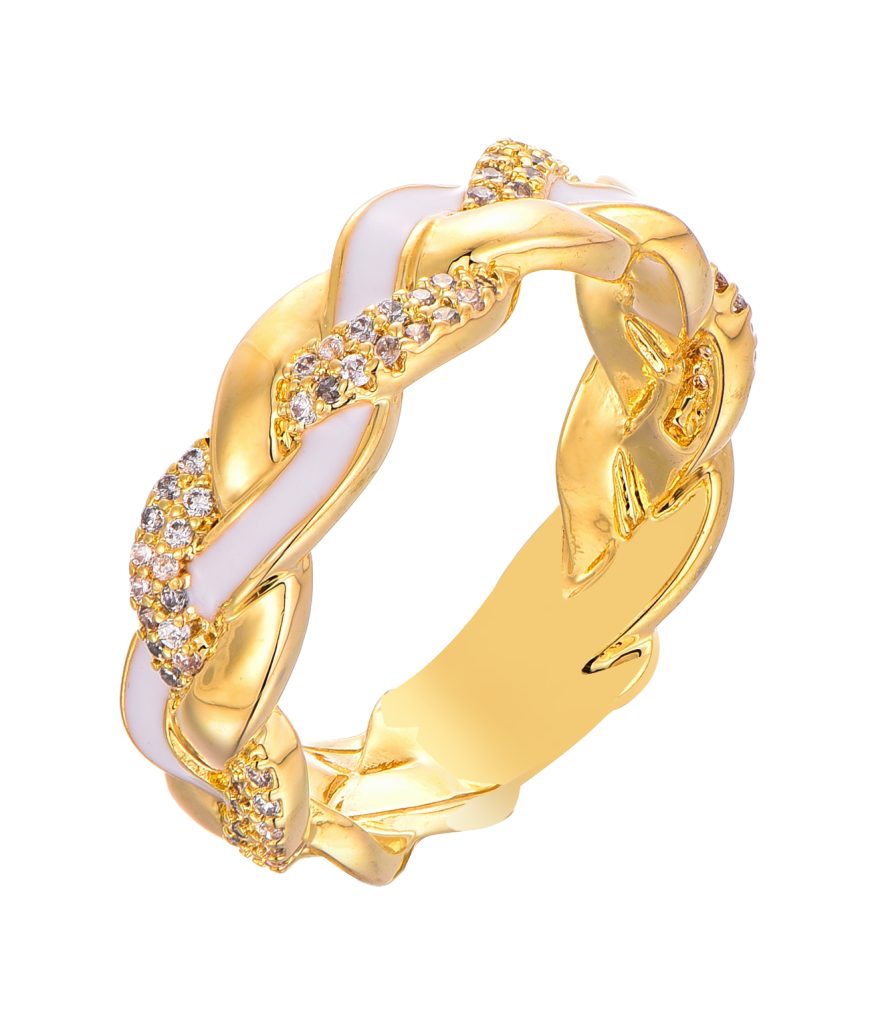
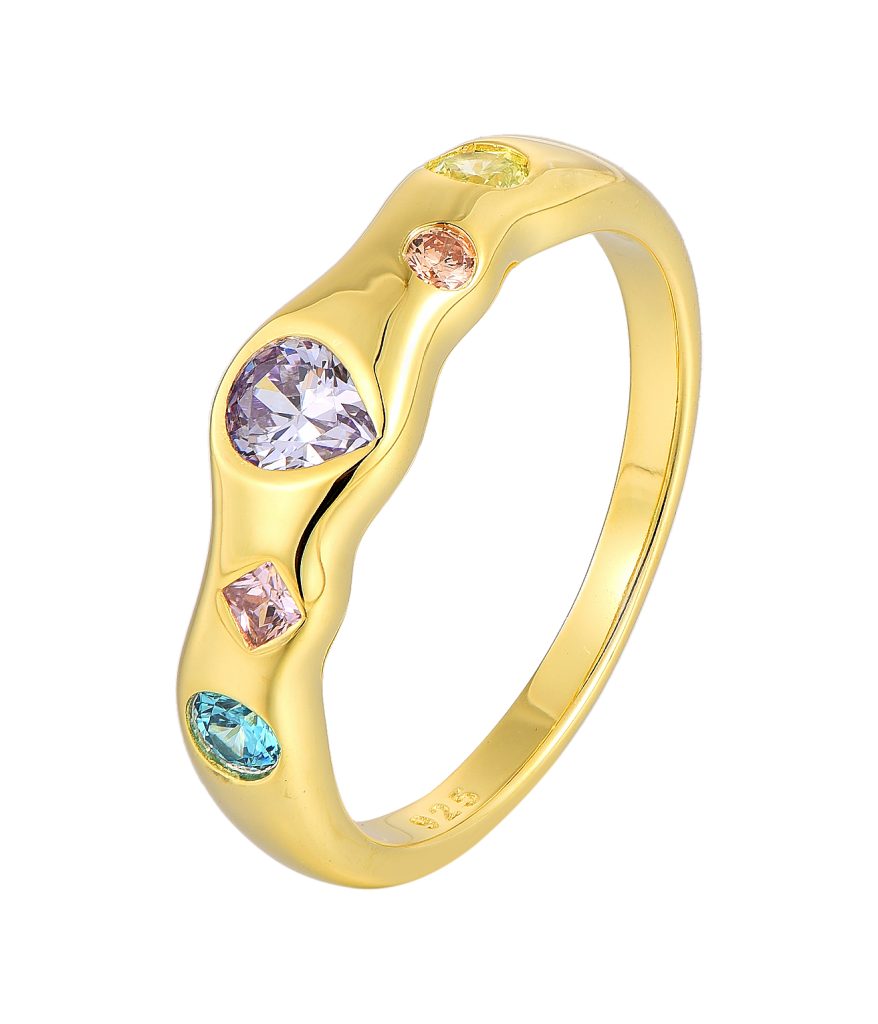
- Silver (Rhodium-Plated): Rhodium can be plated on sterling silver to provide a strong, shiny, and reflective surface. The plating increases the durability and enhances the look of the jewelry.
- Gold (Gold Layer Plating): Sterling silver can also be plated with a layer of gold to increase its toughness and achieve a real gold appearance. The gold layer can be in several shades like yellow or rose.
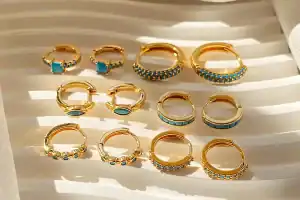
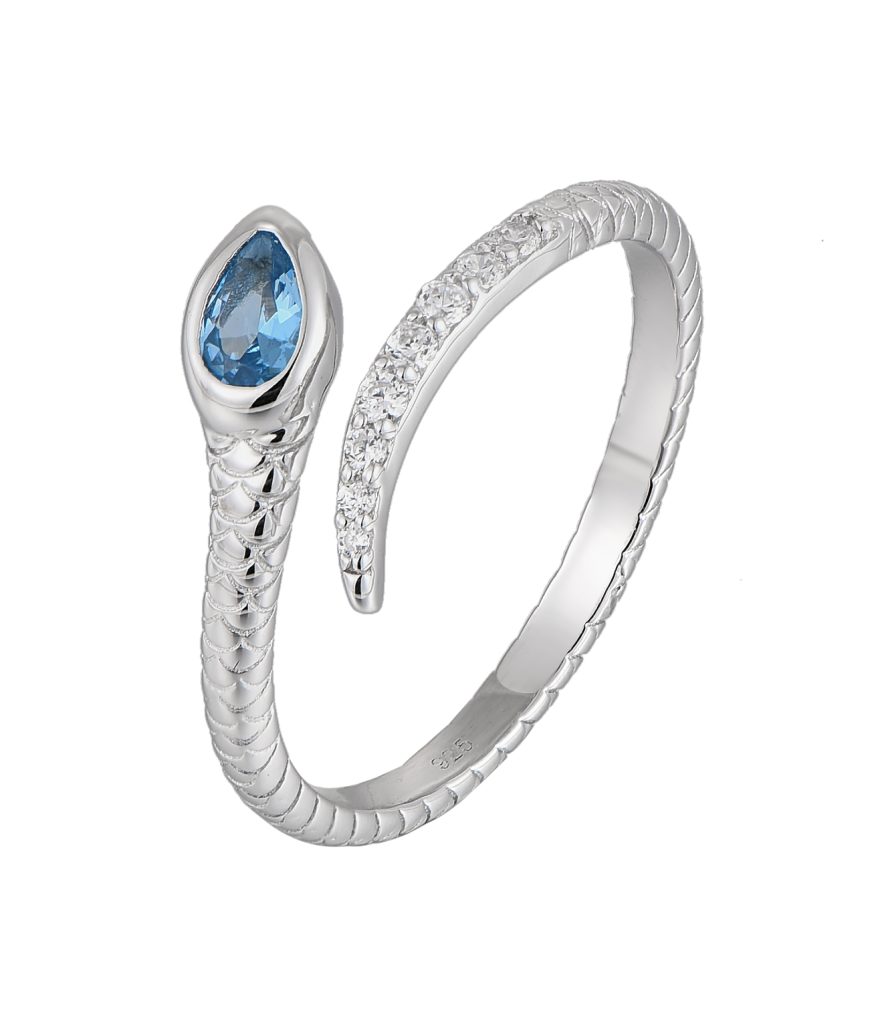
- Special Colors: Sterling silver jewelry can be coated or treated to achieve a wide range of colors, such as black, blue, green, etc. With its support for a broad spectrum of colors, numerous options are available to suit different tastes and styles.
Stainless Steel Jewelry vs Sterling Silver Jewelry: A Complete Comparison
To make an informed decision when selecting stainless steel jewelry or sterling silver jewelry, these are factors you need to consider:
Aesthetics & Structure
- Stainless steel jewelry exudes a contemporary aesthetic and structure. It fits into modern and minimalist styles, making it the most ideal for trendy looks. Stainless steel’s rigidity makes it perfect for robust, bold jewelry like rings, bracelets, and watches.
- Sterling silver jewelry, on the other hand, offers timeless elegance that blends with formal and everyday occasions. Its brilliant shine and luster remain relevant for centuries. Sterling silver is more malleable, making it best suited for intricate and delicate jewelry designs like earrings and pendants.
Price & Value
- Stainless steel jewelry is more budget-friendly. The cost of stainless steel material is lower and its durability minimizes the need for frequent replacements or repairs.
- Sterling silver jewelry is more expensive due to the higher cost of silver, which is a precious metal. But because of sterling silver’s classic beauty, it’s perceived as an investment with greater value. Its resale potential is very high.
Durability & Sturdiness
- Because stainless steel jewelry is made from a combination of strong metals, it is highly durable and resistant to corrosion, tarnish, and scratches. This makes it an excellent choice for everyday wear and for those who need jewelry that can endure harsh conditions.
- In contrast, sterling silver jewelry contains mostly pure silver, which is softer and more prone to tarnishing or damage. It requires consistent polishing and careful maintenance to preserve its shine. To extend its lifespan, it’s best to store sterling silver pieces separately in a soft, secure place to prevent scratches or dents from contact with other metals.
Color & Shine Retention
Another factor worthy of consideration when discussing stainless steel jewelry vs sterling silver jewelry is the capability to retain its color and shine.
One of the peculiarities of stainless steel jewelry is its color and shine retention. It does not fade or oxidize easily. Thus, you can rest assured that it will retain its original appearance for many years.
Sterling silver jewelry tends to quickly turn green and lose its shine when oxidized. But thanks to advancements in manufacturing technologies and techniques, newly-made sterling silver jewelry is naturally shinier than stainless steel jewelry.
Water Resistance Quality
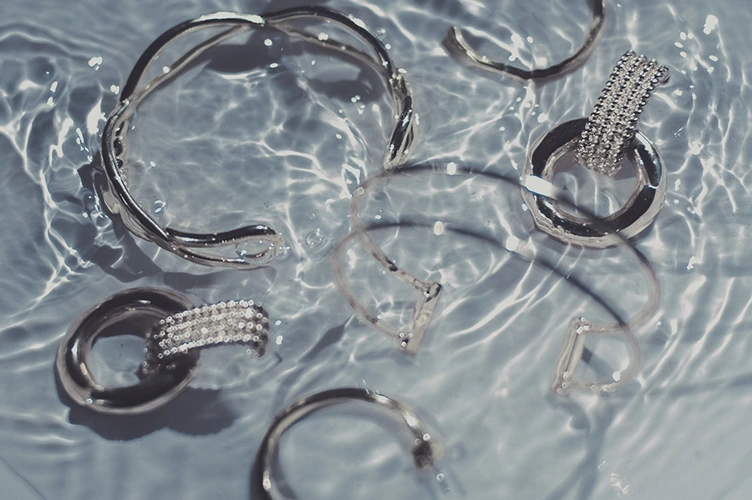
- Is Stainless Steel Jewelry Waterproof?Yes, stainless steel jewelry is highly resistant to water. Its strong and durable composition prevents corrosion and rust, making it ideal for people who often expose their jewelry to moisture. You can wear stainless steel pieces while showering or swimming without worrying about damage or discoloration.
- Sterling silver, however, is more vulnerable to damage when it comes into contact with water, particularly in humid or salty environments. To preserve its shine and prevent tarnish, it is best to take off sterling silver jewelry before bathing or swimming
Hypoallergenic Quality
- Jewelry pieces made with 316L stainless steel(surgical steel) are known for their hypoallergenic quality. However, jewelry made with 304 stainless steel often contains nickel, which can cause allergic reactions in people with sensitive skin.
- Sterling silver jewelry is generally hypoallergenic. It’s largely produced with pure silver and other metals like copper, zinc, and platinum, which are suitable for all skin types.
Pros & Cons
These pros and cons will help you make a solid decision when choosing stainless steel jewelry or sterling silver jewelry.
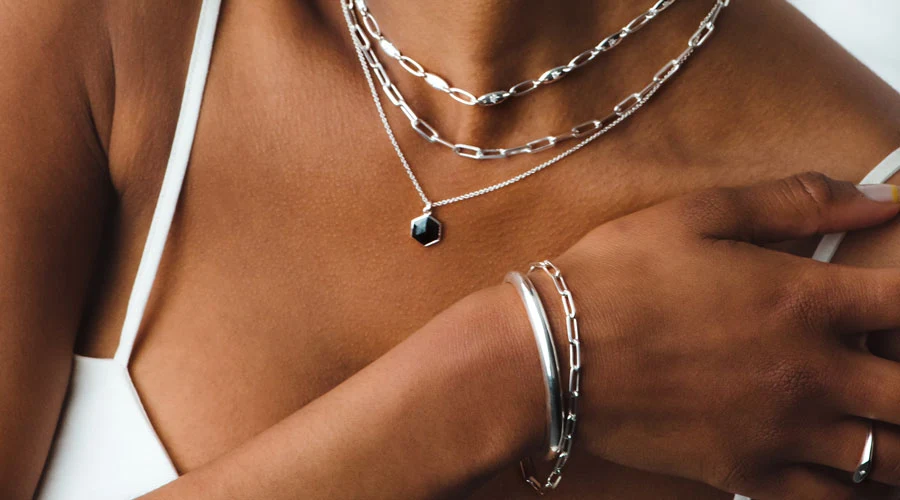
Stainless Steel Jewelry
Pros
Extremely durable and resistant to corrosion, rust, and tarnish
Hypoallergenic and safe for sensitive skin (especially 316L stainless steel)
Affordable and budget-friendly option
Ideal for daily wear
Water-resistant and long-lasting
Requires minimal maintenance
Cons
The hardness of the material makes it unsuitable for detailed or intricate designs
Has a slightly less vibrant shine compared to other metals
Difficult to resize or repair, often requiring professional assistance
Sterling Silver Jewelry
Pros
Soft and malleable, making it ideal for intricate designs and delicate details
Timeless beauty that maintains its charm for years
Easy to repair, reshape, or resize when needed
Offered in a wide range of colors and finishes
Can increase in value over time
Naturally hypoallergenic and gentle on the skin
Cons
- Susceptible to scratches, dents, and tarnish
- Generally more costly compared to other metals
- Lose its shine if not properly maintained.
Which Is Better: Stainless Steel or Sterling Silver Jewelry?
Whether you are a jewelry brand owner or an individual buyer, understanding your needs will help you decide which material suits you best. Use the guide below to determine whether stainless steel jewelry or sterling silver jewelry is the better choice for you.
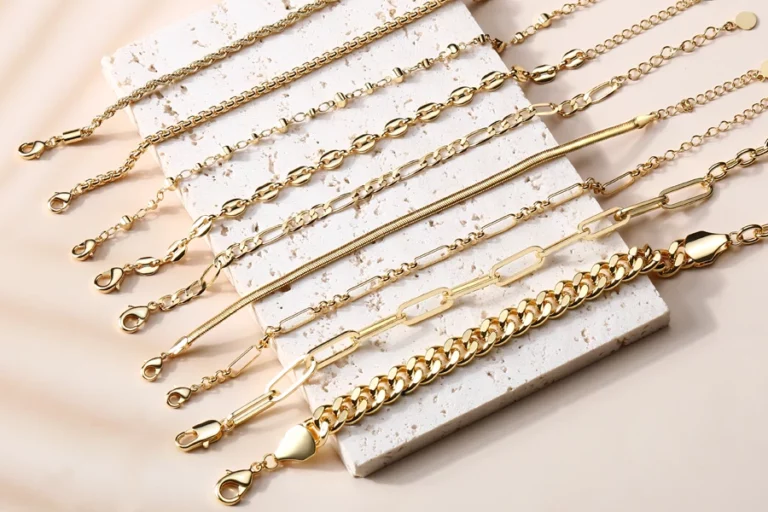
For Jewelry Business & Brand Owners
Your Market Position & Audiences
Your brand’s market position greatly influences the type of jewelry you should offer. Consider whether your customers belong to a higher or more budget-conscious segment.
Customers in the higher-end market usually seek elegant, premium pieces that express individuality and sophistication. For such audiences, sterling silver jewelry—with its refined shine and higher value—is a suitable choice.
On the other hand, customers in more budget-friendly markets often prefer affordable, durable jewelry that can withstand daily wear. Stainless steel jewelry fits this segment perfectly due to its low cost, strength, and long-lasting quality.
Your Jewelry Designs and Styles
When deciding between stainless steel and sterling silver, consider the design direction and aesthetic your brand wants to emphasize.
Stainless steel, being a tougher material, works best for sleek, contemporary, and minimalist designs. It is ideal for crafting bold and durable pieces such as statement necklaces, bracelets, and watches that can endure daily use.
Sterling silver, on the other hand, is soft and flexible, making it perfect for creating intricate and finely detailed designs. It is well suited for elegant, vintage, or traditional jewelry styles, including filigree patterns, ornate rings, and engraved pieces.
Your Budget
Your budget plays a key role in deciding between stainless steel and sterling silver jewelry. Choose the option that aligns best with your financial plan, production volume, and desired quality, and work with a reliable manufacturer for guidance.
Stainless steel is an affordable choice, allowing brands to produce larger quantities without exceeding budget limits. Its lower material and production costs make it ideal for offering budget-friendly jewelry or pursuing high-volume sales.
Sterling silver, as a precious metal, requires a higher investment due to the cost of silver. Producing sterling silver pieces may limit the number of items you can make, but their higher value allows for greater profit potential per piece.
Lead Time & Your Launching Schedule
When planning your jewelry production, lead time is an important factor that can impact your product launch schedule. Different metals have varying production requirements due to their properties, so it’s essential to discuss timelines with your manufacturer before making a decision.
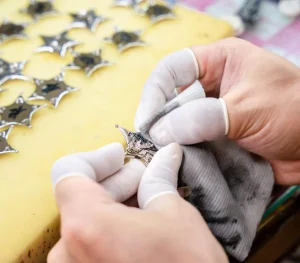
Stainless steel jewelry typically requires longer lead times. Its hardness demands specialized equipment and advanced techniques for cutting, shaping, and finishing. Complex or bold designs take even more time to produce, making careful planning crucial for timely launches.
In contrast, sterling silver jewelry can be produced more quickly. The metal’s softness makes it easier to work with, even for intricate and detailed designs. This allows for shorter lead times, enabling brands to meet tight schedules, respond to market trends faster, and launch collections promptly.
Optimizing your lead time strategy based on the metal choice ensures smooth production, timely delivery, and successful product launches.
Another Option: Sterling Silver Jewelry with Brass Base
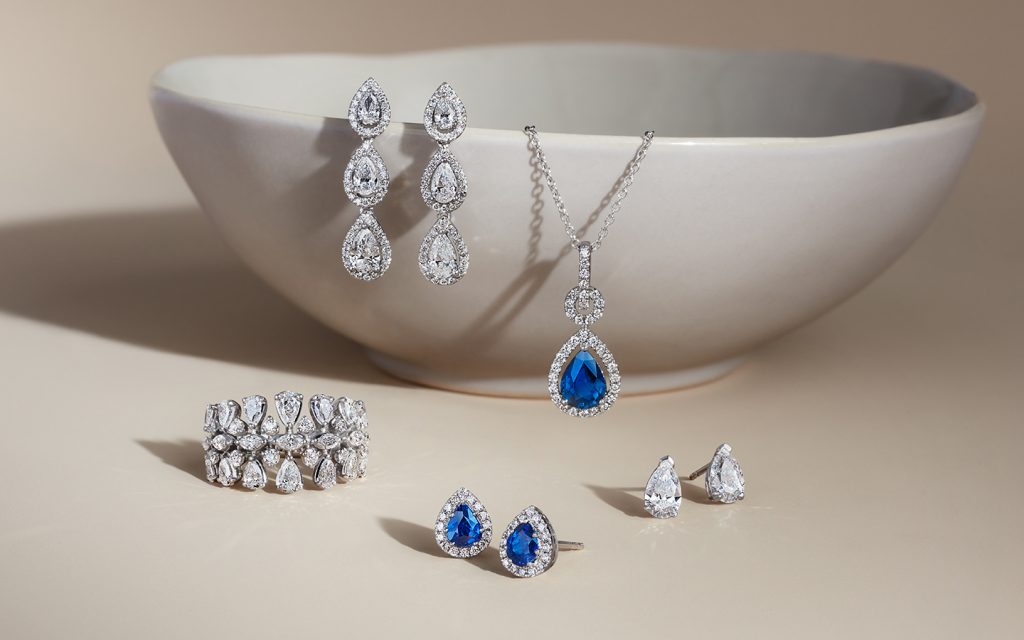
Perhaps these two jewelry types don’t fit into what your business stands for or the capability of your brand, you can choose Sterling Silver Jewelry with Brass Base, or silver-dipped brass jewelry. It typically has a brass base with a sterling silver plated surface.
You might wonder, is brass jewelry a good choice? Sterling silver jewelry with a brass base is a great option when you need to make complicated designs with less budget.
But note that this jewelry type is not as durable as stainless steel or sterling silver. Also, it’s less water-resistant and easily tarnished, revealing the brass base.
For Customers
Your Budget
For budget-conscious buyers, stainless steel jewelry is an ideal choice. It offers stylish and durable pieces at an affordable price, with excellent resistance to fading and corrosion, making it perfect for everyday wear with minimal upkeep.
Sterling silver jewelry is better suited for those willing to invest more in quality and craftsmanship. Its timeless beauty and lasting value make it a meaningful purchase, often appreciated over generations. While it comes with a higher price tag, its classic appeal justifies the investment, though it does require regular care to maintain its shine and luster.
The Color You Like
Stainless steel naturally features a sleek silver-gray tone, giving it a modern and industrial appeal. It also can be finished in a variety of colors, including rhodium, gold, black, and rainbow, allowing for versatile design options.
Sterling silver, in contrast, has a bright-white, reflective finish that exudes classic elegance and timeless beauty. It too can be treated to achieve different colors, such as rhodium, gold, black, or multi-colored finishes.
Key Takeaway
The choice between stainless steel and sterling silver jewelry ultimately depends on your personal preferences and needs. Each metal offers unique qualities that can enhance your style or support your business goals. Explore the collections at Endless Jewelry and select pieces that truly express your individuality and taste.
Have a jewelry design idea or some questions?