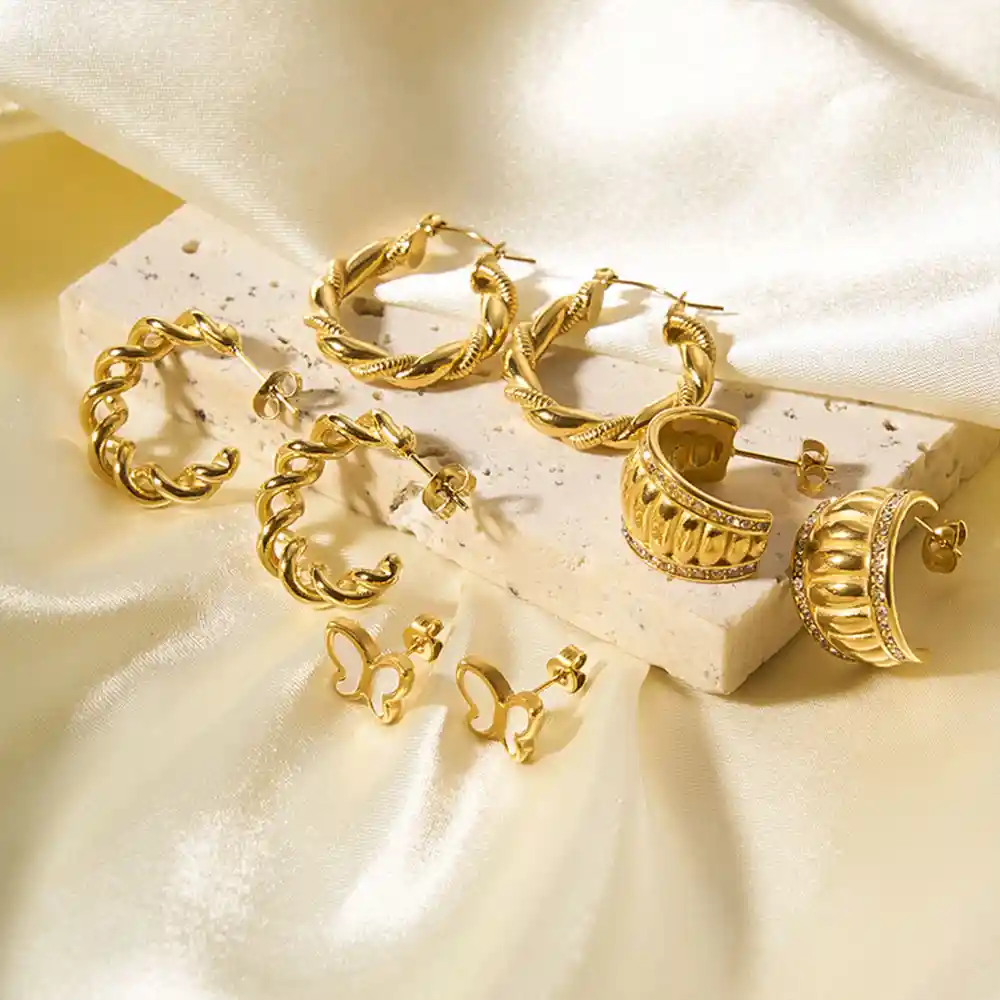
Gold Plated vs Gold Vermeil Jewelry: Cost, Durability & Quality Compared
Choosing between gold plated and gold vermeil jewelry can significantly affect your product cost, perceived quality, durability, and customer experience.
At first glance, both materials can look almost identical. The important differences are underneath the surface: base metal, gold purity, plating thickness, durability, skin compatibility, and production cost.
For jewelry brands, wholesalers, and retailers, understanding these differences is essential before placing a bulk order.
Gold Plated vs Gold Vermeil: Quick Answe
The main difference is the base metal and gold layer specification.
Gold plated jewelry can use different base metals, including brass, copper, stainless steel, or sterling silver. The gold layer thickness can also vary significantly depending on the manufacturing specification.
Gold vermeil jewelry uses a 925 sterling silver base and a relatively thick layer of gold. In the United States, the FTC definition of vermeil requires sterling silver as the base, gold of at least 10K, and a minimum thickness equivalent to 2.5 microns of fine gold.
For B2B buyers, the practical question is not simply “Which is better?”
It is:
Which material provides the right balance of cost, durability, positioning, and target retail price for your jewelry brand?
Gold Plated vs Gold Vermeil: Key Differences
| Factor | Gold Plated Jewelry | Gold Vermeil Jewelry |
|---|---|---|
| Base Metal | Brass, copper, stainless steel, silver, or other metals | 925 sterling silver |
| Gold Layer | Varies by specification | Minimum 2.5 microns equivalent under U.S. FTC definition |
| Gold Purity | Depends on specification | At least 10K under U.S. FTC definition |
| Material Cost | Lower | Higher |
| Durability | Depends strongly on plating thickness and base metal | Generally higher with a thicker gold layer |
| Product Positioning | Fashion / entry-level | Demi-fine / premium |
| Skin Compatibility | Depends on base metal and nickel release | Generally favorable when using compliant nickel-free materials |
| Wholesale Cost | Lower | Higher |
| Best For | Fashion jewelry, trend collections, entry-level products | Demi-fine jewelry, premium collections, everyday styles |
The most important takeaway is simple:
Gold plated describes a surface treatment, while gold vermeil describes a specific material construction.
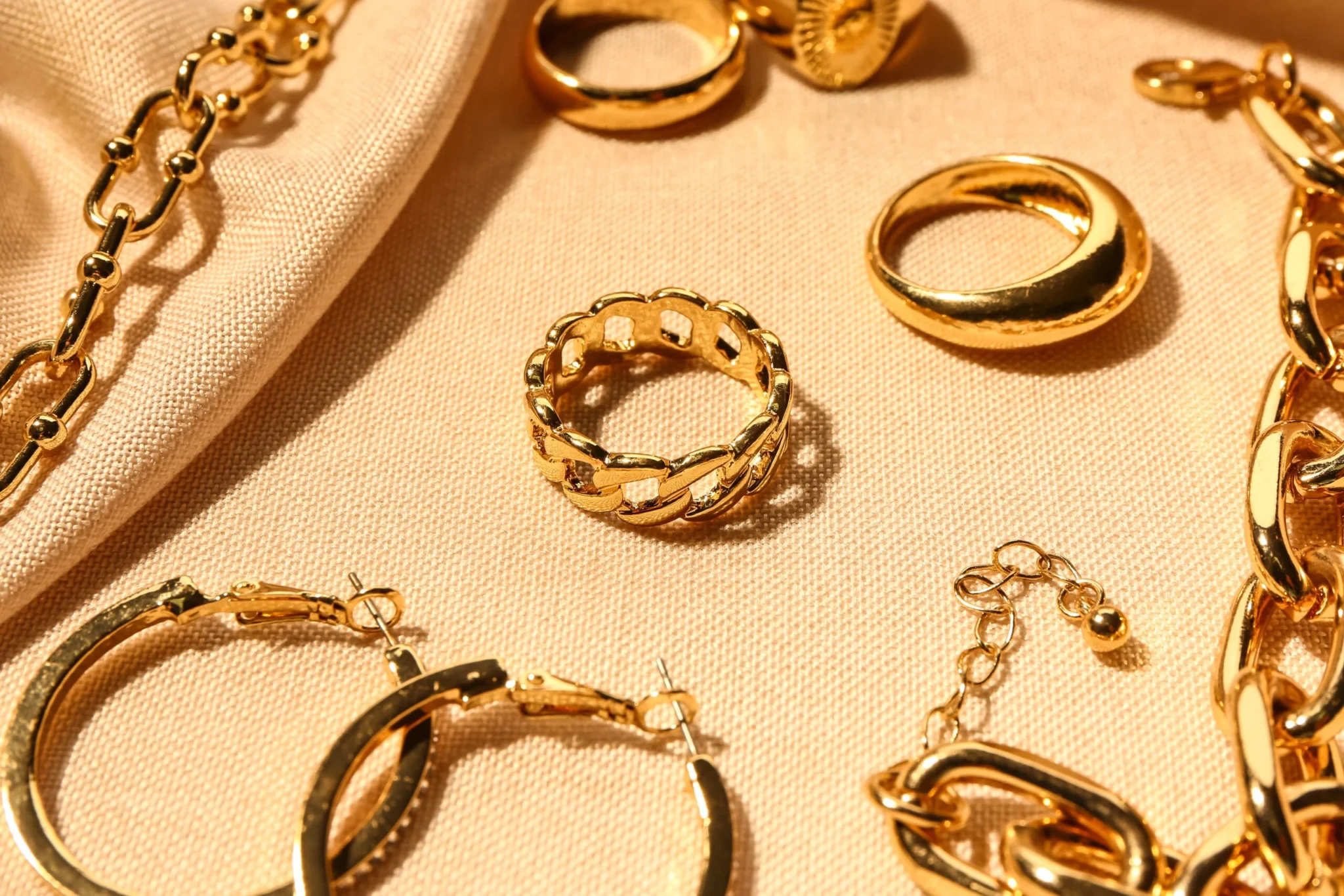
What Is Gold Plated Jewelry?
Gold plated jewelry is made by applying a layer of gold or gold alloy over another metal.
The base metal can vary depending on the product and manufacturer. Common options include:
- Brass
- Copper
- Stainless steel
- 925 sterling silver
The quality of gold plated jewelry therefore depends on more than the words “gold plated.”
When sourcing wholesale gold plated jewelry, buyers should ask manufacturers about:
- Gold karat
- Plating thickness in microns
- Base metal
- Underplating or barrier layers
- Nickel-free requirements
- Tarnish-resistant finishing
- Quality control and testing
This is particularly important because “gold plated” does not by itself tell you the thickness of the gold layer.
For B2B jewelry sourcing, two products both described as “18K gold plated” can have very different performance if their plating thickness and base materials are different.
What Is Gold Vermeil Jewelry?
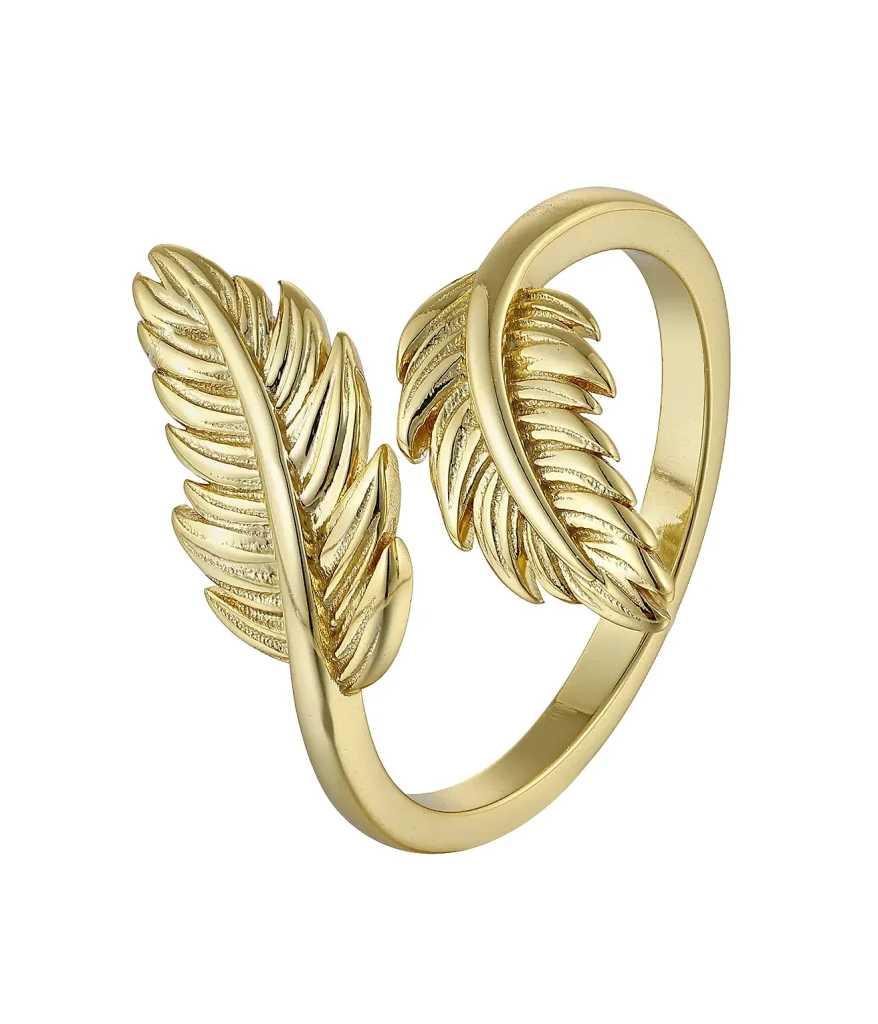
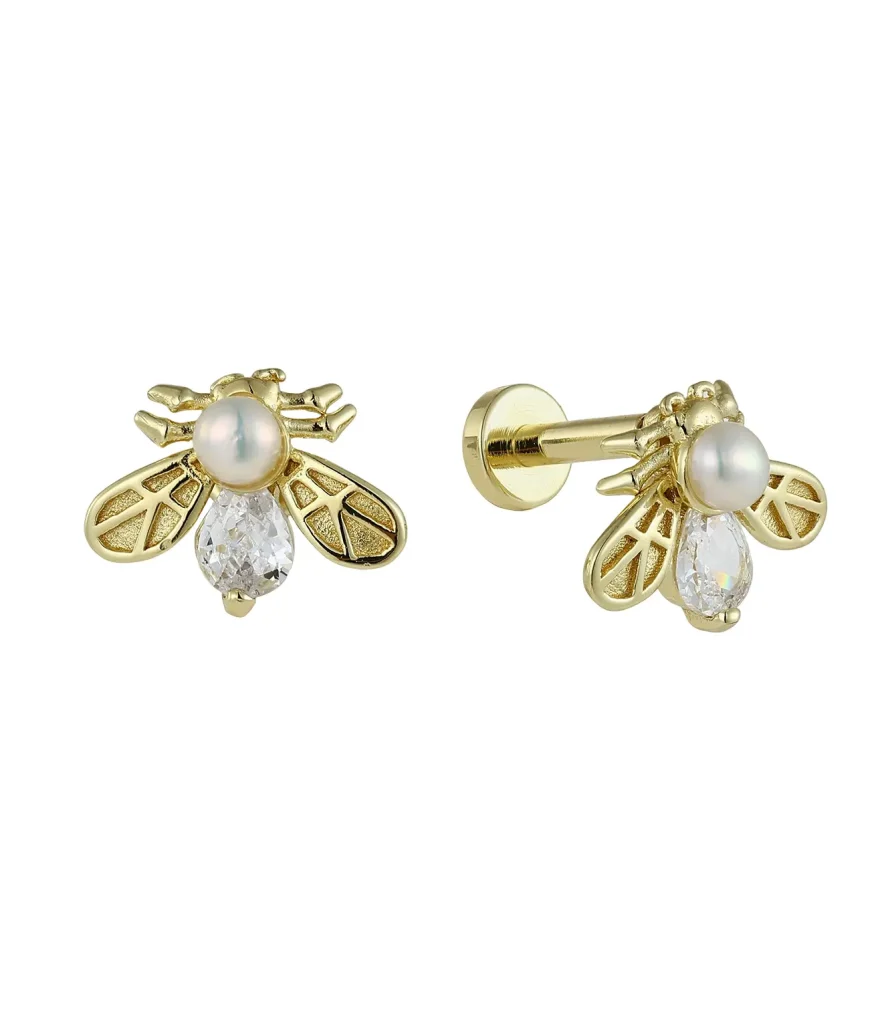
Gold vermeil is a premium form of gold-plated jewelry made using sterling silver as the base metal.
Under the U.S. Federal Trade Commission’s jewelry guidance, a product can be described as vermeil when it has a sterling silver base, gold or gold alloy of at least 10K, and a minimum thickness throughout equivalent to 2.5 microns of fine gold.
This makes gold vermeil particularly relevant to demi-fine jewelry brands and premium jewelry collections.
The combination of sterling silver and a thicker gold layer generally provides a higher-quality construction than basic gold-plated jewelry.
However, buyers should still verify the actual production specifications rather than relying only on the word “vermeil.”
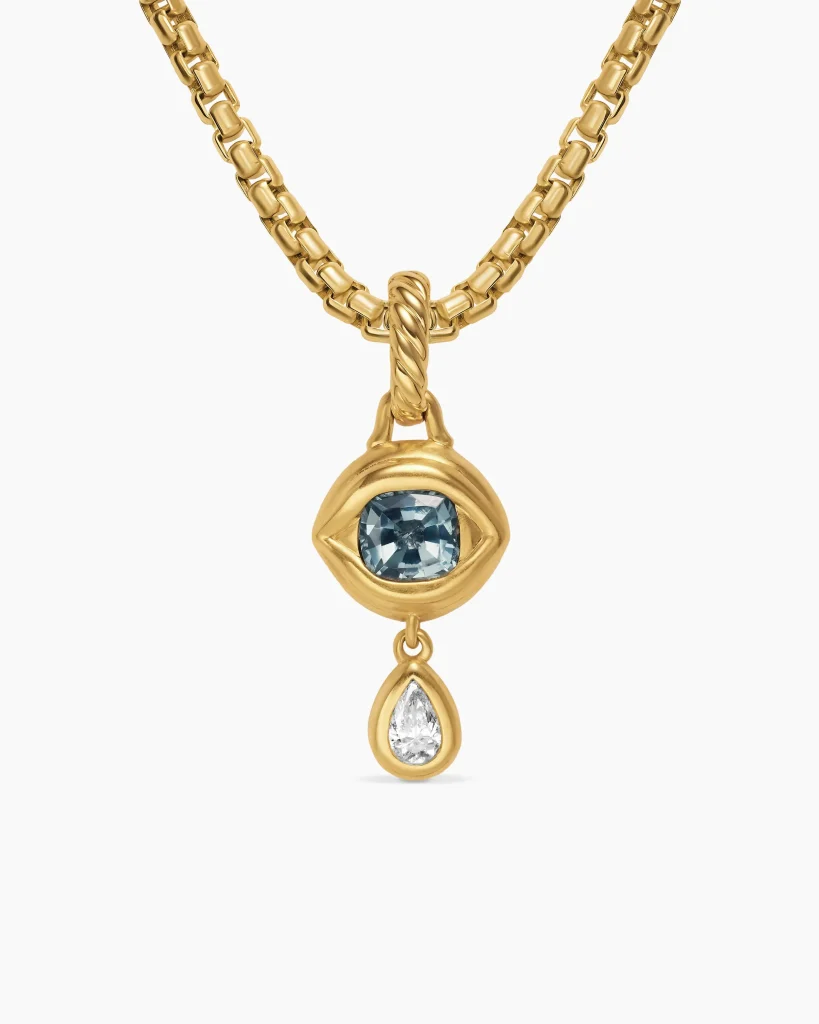
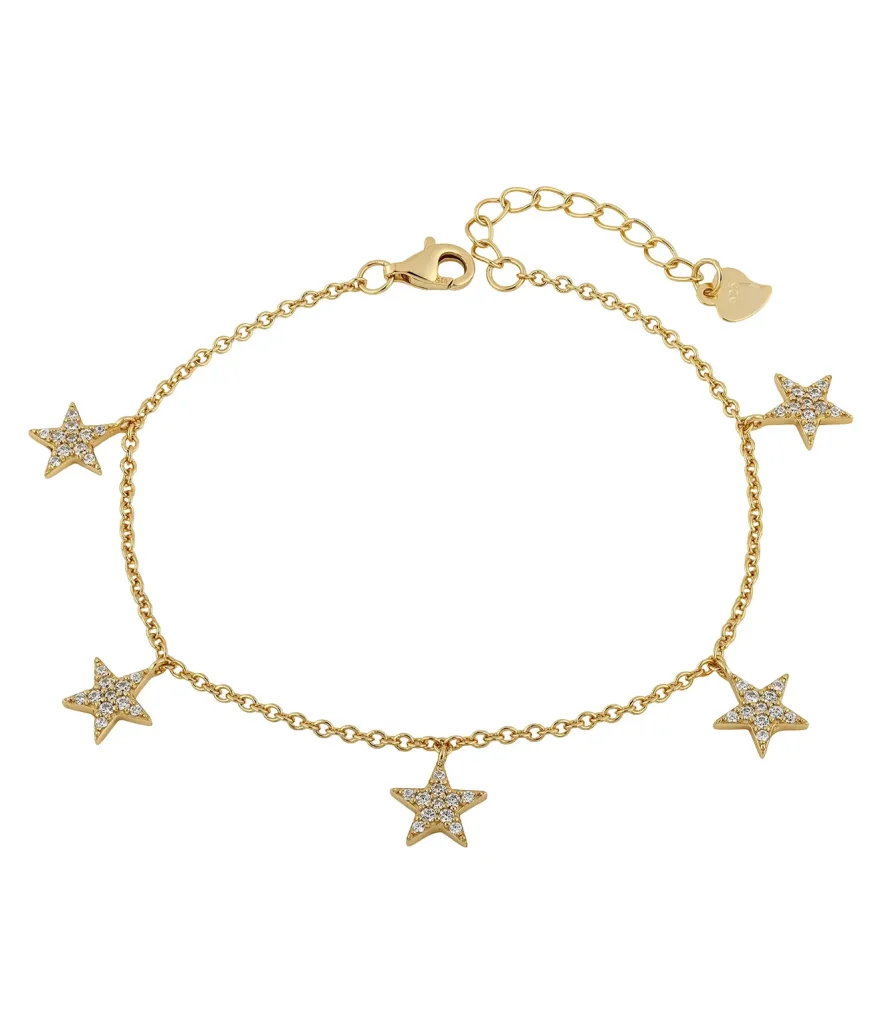
Gold Vermeil vs Gold Plated: Why Does the Base Metal Matter?
The metal underneath the gold layer is one of the most important differences.
A gold-plated necklace made with a brass base may have a very different customer experience from a gold-plated necklace made with a 925 sterling silver base.
If the surface coating becomes thinner through normal wear, the underlying material can eventually become exposed.
For this reason, B2B buyers should ask:
- What is the base metal?
- Is the material nickel-free?
- What is the gold plating thickness?
- Is there a barrier layer?
- How is plating thickness tested?
- Can the manufacturer provide material or compliance documentation?
For brands selling to customers in the United States and Europe, material transparency is particularly important when making claims about sensitive skin or hypoallergenic jewelry.
Gold Plated vs Gold Vermeil: Cost Comparison
Gold plated jewelry usually has a lower production cost because manufacturers can use less expensive base metals and a thinner gold layer.
Gold vermeil costs more because the product uses 925 sterling silver as its base and requires a substantially thicker gold application.
However, the lowest unit cost is not always the lowest overall business cost.
For B2B jewelry brands, it is useful to consider:
- Unit manufacturing cost
- Expected product lifespan
- Retail positioning
- Customer expectations
- Return and complaint risk
- Perceived product quality
For B2B jewelry brands, it is useful to consider:
For example, a trend-focused fashion jewelry brand with frequent collection changes may prioritize a lower-cost gold-plated product.
A demi-fine jewelry brand selling everyday necklaces, rings, bracelets, or earrings may find gold vermeil more appropriate because customers typically expect a more premium material construction.
Therefore, the right question is not:
“Is gold vermeil more expensive than gold plated?”
It usually is.
The better question is:
“Does the additional material cost support the retail price and positioning of my collection?”
Is Gold Vermeil More Durable Than Gold Plated?
In general, a thicker gold layer provides greater resistance to normal surface wear.
But durability depends on several factors, not thickness alone.
These include:
- Gold layer thickness
- Gold alloy and purity
- Base metal
- Plating process
- Surface preparation
- Jewelry design
- Friction during wear
- Exposure to water, cosmetics, sweat, and chemicals
For example, rings experience more friction than pendants because they frequently contact surfaces during everyday activities.
This means a jewelry manufacturer should not promise a fixed lifespan simply based on material name.
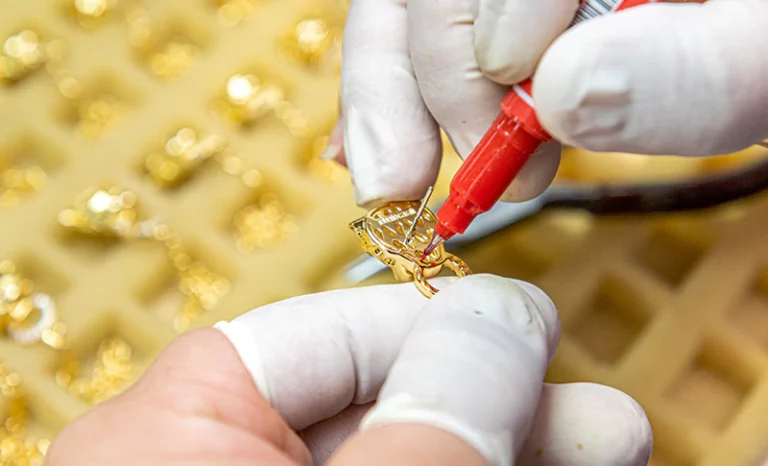
Instead, B2B buyers should request the actual plating specification and evaluate a physical sample before bulk production.
Is Gold Vermeil Hypoallergenic?
This is an area where jewelry brands should be careful with marketing language.
Gold vermeil uses a sterling silver base, which makes it a popular choice for premium jewelry and many sensitive-skin applications.
However, “gold vermeil” alone does not automatically guarantee that every piece is hypoallergenic.
Skin compatibility can depend on:
- Silver alloy composition
- Nickel content
- Nickel release
- Earring post material
- Underplating
- Plating quality
- Applicable market regulations
If your brand targets customers with sensitive skin, ask your jewelry manufacturer for relevant material and compliance information instead of relying only on a “hypoallergenic” label.
This is especially important for gold vermeil earrings, gold plated earrings, and other jewelry that remains in prolonged contact with the skin.
How to Check Gold Vermeil Quality Before Ordering Wholesale
If you are sourcing from a gold vermeil jewelry manufacturer, do not evaluate the product only from photographs.
A professional B2B sourcing process should include several checks.
1. Confirm the Base Metal
Ask whether the product is made from genuine 925 sterling silver.
For larger orders, you can request material verification or third-party testing where appropriate.
2. Confirm Gold Purity
Ask whether the plating uses 10K, 14K, 18K, or another gold specification.
Many premium jewelry brands choose 14K or 18K gold plating depending on the desired color, positioning, and cost.
3. Confirm Plating Thickness
Ask for the plating thickness in microns.
For products marketed as vermeil in the U.S. market, the FTC definition specifies a minimum thickness equivalent to 2.5 microns of fine gold.
4. Ask About Nickel-Free Production
If your collection is designed for sensitive-skin consumers, request information about nickel content and nickel-release compliance.
5. Order Samples Before Bulk Production
A sample allows you to evaluate:
- Color
- Surface finish
- Plating consistency
- Stone setting
- Clasp performance
- Dimensions
- Overall workmanship
This is particularly important for custom jewelry and private-label collections.
Gold Plated vs Gold Vermeil: Which Is Better for Your Jewelry Brand?
There is no single answer for every business.
Choose Gold Plated Jewelry When:
- You need a lower wholesale cost.
- Your collection is highly trend-driven.
- You frequently launch new designs.
- Your retail price is positioned toward affordable fashion jewelry.
- The products are intended for occasional rather than intensive daily wear.
- You have clearly specified the base metal and plating thickness with your manufacturer.
Choose Gold Vermeil Jewelry When:
- You are building a demi-fine or premium jewelry collection.
- Your customers expect higher material quality.
- You want a 925 sterling silver base.
- Your products are designed for frequent wear.
- You want stronger material positioning than basic fashion plating.
- You are selling at a higher retail price point where the additional manufacturing cost can be absorbed into the product margin.
Gold Vermeil vs Gold Plated for Wholesale: What Should Buyers Ask?
Gold Vermeil vs Gold Plated for Wholesale: What Should Buyers Ask?
- What is the base metal?
- What gold purity is used?
- What is the plating thickness in microns?
- Is the product nickel-free?
- How is plating thickness tested?
- What is the MOQ per design?
- What is the sample lead time?
- What is the bulk production lead time?
- Can the manufacturer provide custom plating colors?
- Can the manufacturer support OEM, ODM, or private label production?
Comparing suppliers using the same specifications makes it much easier to identify whether a lower quotation actually represents better value.
Gold Vermeil and Gold Plated Jewelry for OEM & Private Label
For brands developing a custom jewelry collection, both materials can be suitable.
The best choice depends on the positioning of the collection.
A manufacturer can typically customize:
- Jewelry design
- Gold color
- Plating specification
- Gemstones
- Logo engraving
- Packaging
- Product cards
- Private-label branding
For example, a brand may use gold-plated jewelry for seasonal fashion collections while using gold vermeil for its premium or everyday collection.
This approach allows brands to create different price tiers without changing their overall design language.
Gold Plated vs Gold Vermeil: FAQ
1.Is gold vermeil better than gold plated?
Gold vermeil generally offers a more premium material construction because it uses a sterling silver base and a thicker gold layer. However, gold plated jewelry can still be an appropriate choice when lower cost and trend-driven collections are the priority.
2.What is the main difference between gold plated and gold vermeil?
The main difference is the material construction. Gold plated jewelry can use different base metals and different plating specifications. Gold vermeil uses a sterling silver base and must meet specific gold purity and thickness requirements in the U.S.
3.Is 18K gold plated the same as gold vermeil?
No. 18K describes the purity of the gold used in the plating. It does not by itself define the base metal or plating thickness.
For a product to meet the U.S. FTC definition of vermeil, the base must be sterling silver and the coating must meet the applicable gold purity and thickness requirements.
4.Does gold vermeil tarnish?
Gold vermeil can eventually show wear or discoloration depending on the plating specification, use, surface friction, and exposure to chemicals. The thicker gold layer generally provides better wear resistance than very thin plating, but no plated finish should be treated as permanent.
Gold Plated vs Gold Vermeil: The Bottom Line
Gold plated jewelry is a cost-effective choice for fashion-focused and lower-priced collections, while gold vermeil jewelry offers a more premium construction with a 925 sterling silver base and thicker gold layer.
For B2B buyers, the right choice depends on your target customer, retail price, collection positioning, and expected wear. Always compare the complete material and plating specifications rather than price alone.
At Endless Jewellery, we support OEM, ODM, private label, and custom jewelry production, with options for sterling silver, gold plating, gold vermeil, custom plating, logo finishing, and packaging.
Developing a new jewelry collection? Contact us or request a sample before placing your bulk order.
Have a jewelry design idea or some questions?