Can You Shower with a Silver Chain? Sterling Silver Care Guide
Table of Contents
Can You Shower with a Silver Chain? Sterling Silver Care Guide
Yes, you can shower with a sterling silver chain occasionally, but frequent exposure to water, shampoo, soap, and chlorine may cause tarnishing and reduce its shine over time.
Pure water itself usually does not damage silver jewelry, but chemicals and moisture buildup can accelerate oxidation.
Can You Shower With a Silver Chain? A Practical Guide
You can wear a sterling silver chain in the shower occasionally, but it isn’t recommended for regular use. Soap, shampoo, chlorine, and minerals in hard water can accelerate tarnishing, dull the surface, and gradually weaken soldered links or clasps.
If you do shower while wearing your chain, make sure to rinse it with clean water afterward and dry it carefully. Frequent exposure to moisture and chemicals can slowly reduce the chain’s durability, so it’s best to limit how often this happens. It’s also wise to inspect the clasp and soldered joints from time to time to ensure they remain secure.
After showering, gently pat the chain dry with a soft cloth. If the chain has hollow sections or tight links, shake or open them slightly to release any trapped water. Store the chain in an anti-tarnish pouch or a dry jewelry box to help minimize oxidation.
Regular care helps keep sterling silver looking its best. Light polishing when needed and avoiding long exposure to water or harsh chemicals will maintain both the shine and the structural integrity of your silver chain over time.
How Do Water, Soap, and Chlorine in the Shower Affect Silver?
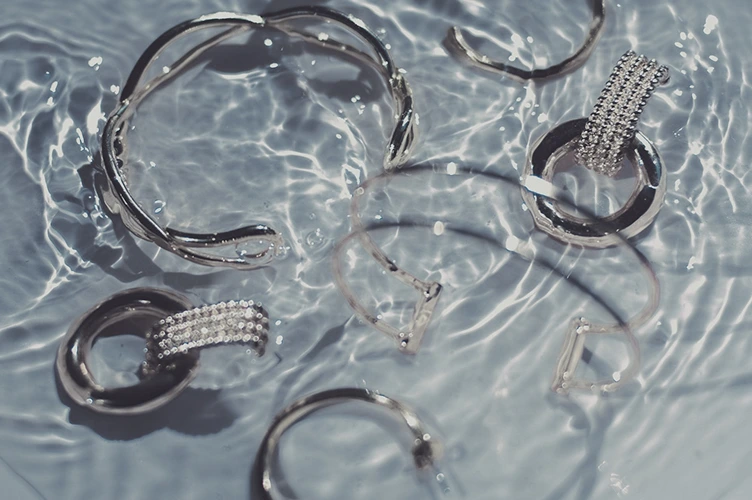
While plain water doesn’t immediately damage sterling silver, minerals found in hard water, along with residues from soap and shampoo, can accelerate tarnishing and leave a dull film on silver chains and pendants.
Different water conditions can influence how silver reacts. Sulfur or sulfide compounds present in certain soaps may speed up darkening, while minerals such as calcium and magnesium in hard water can leave a cloudy buildup on the surface.
Chlorine tends to be more damaging. Over time, it can corrode plated finishes and gradually pit lower-purity silver alloys. Soap residue can also trap airborne sulfur and slow evaporation, allowing chemicals to remain in contact with the metal for longer.
To reduce these effects, rinse silver jewelry thoroughly with clean water after exposure and dry it with a soft cloth. Limiting contact with soaps and avoiding long periods in treated or chlorinated water will help maintain the shine and durability of your silver jewelry.

How Different Types of Water Affect Silver Chains
| Water Type | Safe for Silver Chain? | Risk Level |
|---|---|---|
| Tap Water | Usually Safe | Low |
| Shower Water | Moderate Exposure | Medium |
| Pool Water | Not Recommended | High |
| Ocean Water | Not Recommended | High |
| Hot Spring Water | Avoid | Very High |
Can You Swim with Silver Jewelry?
Swimming with sterling silver jewelry is not recommended, especially in chlorinated pools or salt water. Chlorine can react with the metals inside sterling silver and speed up tarnishing, while salt water may leave mineral residue that dulls the surface.
Occasional accidental exposure is usually not a major problem, but repeated swimming while wearing silver chains, rings, or necklaces can gradually reduce shine and increase oxidation.
If your silver jewelry gets exposed to pool water or ocean water, rinse it immediately with clean water and dry it thoroughly using a soft cloth.
Common Mistakes That Damage Silver Chains
- Wearing silver chains in swimming pools regularly
- Not drying jewelry after showering
- Using harsh soaps and chemical shampoos
- Storing silver jewelry while still wet
- Spraying perfume directly onto silver chains
- Keeping silver jewelry in humid environments
Which Silver Chains Should You Take Off Before Showering?
To keep your silver chains in good condition, it’s best to remove pieces that are plated, hollow, lower-purity (below .925), or feature glued settings before stepping into the shower.
Pay attention to the clasp and jump rings, especially if they are made from very thin wire or show visible seams. These areas are common weak points on delicate chain styles. Chains that combine different materials—such as base-metal cores, vermeil coatings, or large non-silver solder joints—are also more vulnerable because moisture and soap can speed up wear and deterioration.
Extra care should be taken with lightweight rolo, cable, or snake chains made from thin wire. Costume jewelry labeled “silver tone” is particularly prone to damage from water exposure. Fine chains with tiny stones attached using adhesive should also be removed to prevent the stones from loosening.
If a chain already shows signs of green discoloration, peeling plating, or a loose link, avoid wearing it in the shower to prevent further damage.
How to Keep a Silver Chain Safe in the Shower
Follow a simple, consistent care routine: remove the chain whenever possible, or place it in a sealed plastic bag to shield it from water and soap. If you prefer to wear it, ensure the clasp is secure and tuck any pendant under clothing to limit exposure.
After showering, gently pat the chain dry with a soft, lint-free cloth, focusing on links and the clasp where moisture can linger. You can also ask a jeweler to apply professional protective coatings; these thin barriers reduce water and chemical contact without changing the chain’s look.
Avoid homemade coatings that can trap moisture. Once dry, store the chain in an airtight pouch with anti-tarnish strips.
These practices help prevent tarnish and keep your silver chain looking its best longer.
How Different Types of Water Affect Silver Chains
| Water Type | Safe for Silver Chain? | Risk Level |
|---|---|---|
| Tap Water | Usually Safe | Low |
| Shower Water | Moderate Exposure | Medium |
| Pool Water | Not Recommended | High |
| Ocean Water | Not Recommended | High |
| Hot Spring Water | Avoid | Very High |
How to Address Tarnish, Damage, or Skin Reactions on Silver
When tarnish, damage, or skin reactions appear, act promptly to prevent further deterioration and discomfort.
First, assess: check for deep scratches, missing links, or persistent discoloration.
For surface tarnish, use proven tarnish removal techniques: a soft cloth with mild dish soap, or a paste of baking soda and water applied gently with a soft toothbrush, then rinse and dry thoroughly.
For heavier tarnish, use a commercial silver polish per instructions, avoiding abrasive pads.
Repair bent or broken links promptly; micro-soldering by a jeweler restores strength.
For skin irritation, stop wearing the piece and try skin irritation solutions: cleanse affected skin, apply a soothing hypoallergenic ointment, and test for nickel or alloy sensitivity.
When in doubt, consult a professional jeweler or dermatologist.

Frequently Asked Questions
1.Does Silver Jewelry Lose Value From Shower Exposure?
Yes — shower exposure can reduce silver value over time; water, soap, and minerals speed tarnish and wear. You should prioritize jewelry maintenance: rinse, dry, avoid chemicals, and polish periodically to preserve appearance and resale value.
2.Can Silver Chains Be Safely Worn in Hot Tubs?
You shouldn’t wear a silver chain in hot tubs; chemicals and heat accelerate tarnish and corrosion. For silver chain care, remove jewelry before hot tub maintenance, rinse promptly if exposed, and store dry to preserve finish and value.
3.Do Scented Soaps Cause Silver to Tarnish Faster?
Yes — scented soaps can speed tarnish because scented soap ingredients like sulfates, fragrances, and oils react with silver; you should rinse, dry, and store properly, use anti-tarnish pouches, and follow silver tarnish prevention steps.
4.Will Water Hardness Affect Silver Chain Longevity?
Yes — hard water can speed tarnish and mineral buildup, so you’ll need stricter chain maintenance: rinse with distilled water, dry thoroughly, occasionally polish, and use mild cleaners to preserve water quality and silver longevity.
5.Are Silver-Plated Chains Repairable After Corrosion?
Yes — many silver-plated chains can be repaired. Restoration may include careful cleaning, corrosion prevention, touch-ups, or professional re-plating, depending on the damage. Proper handling helps preserve both the chain’s links and its finish.
6.Can sterling silver get wet?
Yes, sterling silver can get wet occasionally. However, repeated exposure to moisture, soap, shampoo, and chemicals may speed up tarnishing.
7.Can you wear a silver necklace every day?
Yes, many people wear sterling silver necklaces daily. Proper cleaning and dry storage help maintain shine.
8.Why does silver turn black after showering?
Silver usually turns black because of oxidation caused by moisture, sulfur compounds, soap residue, and chemicals.
9.Can you swim with sterling silver jewelry?
Swimming with sterling silver jewelry is not recommended because chlorine and salt water can accelerate tarnishing.
Looking for High Quality Sterling Silver Jewelry?
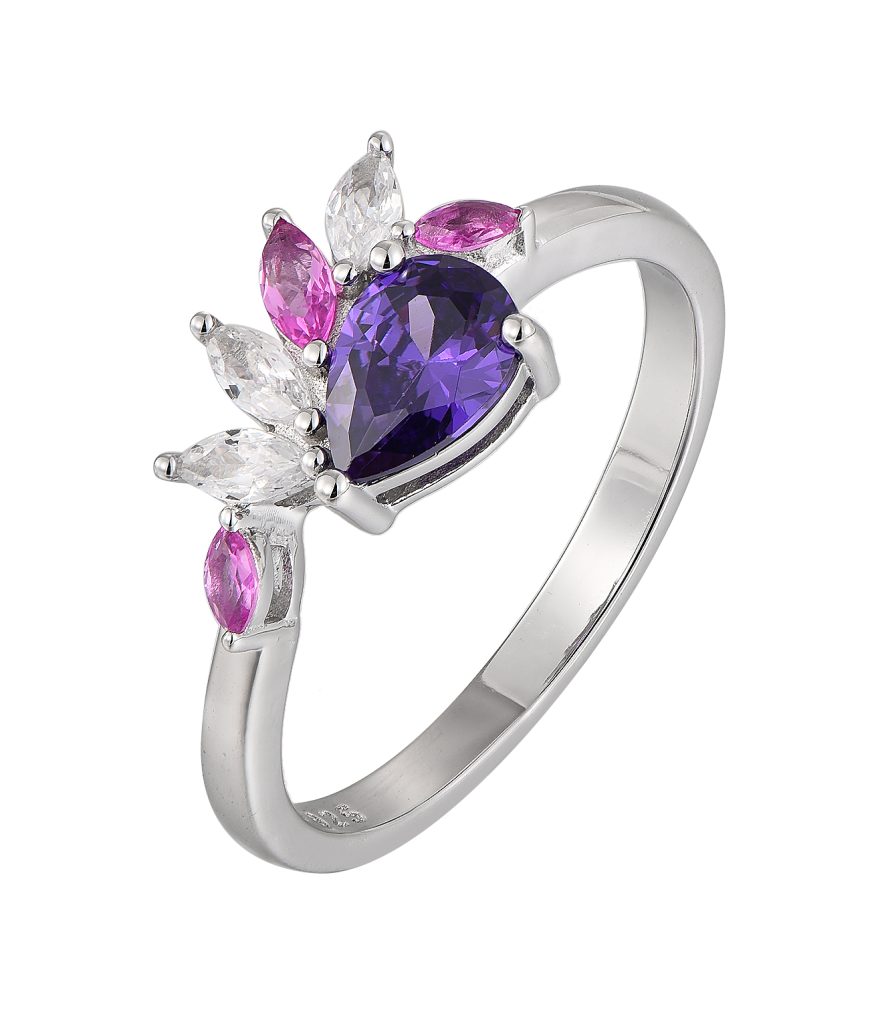
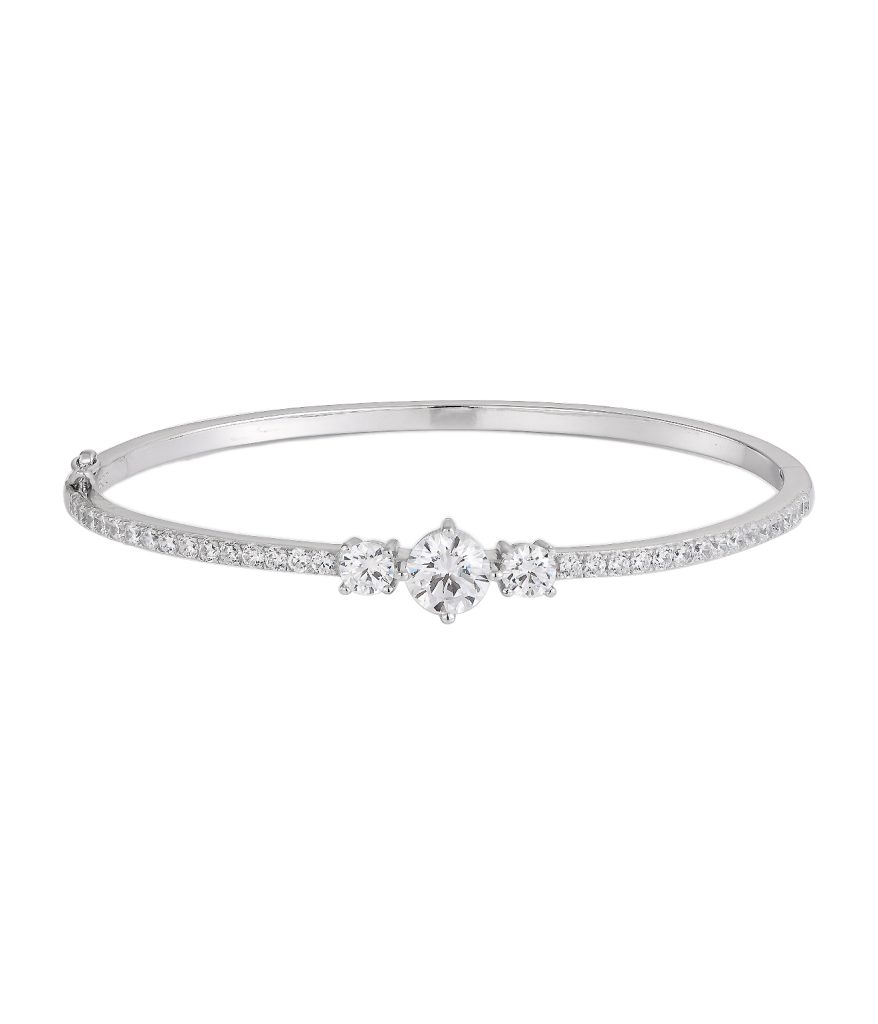
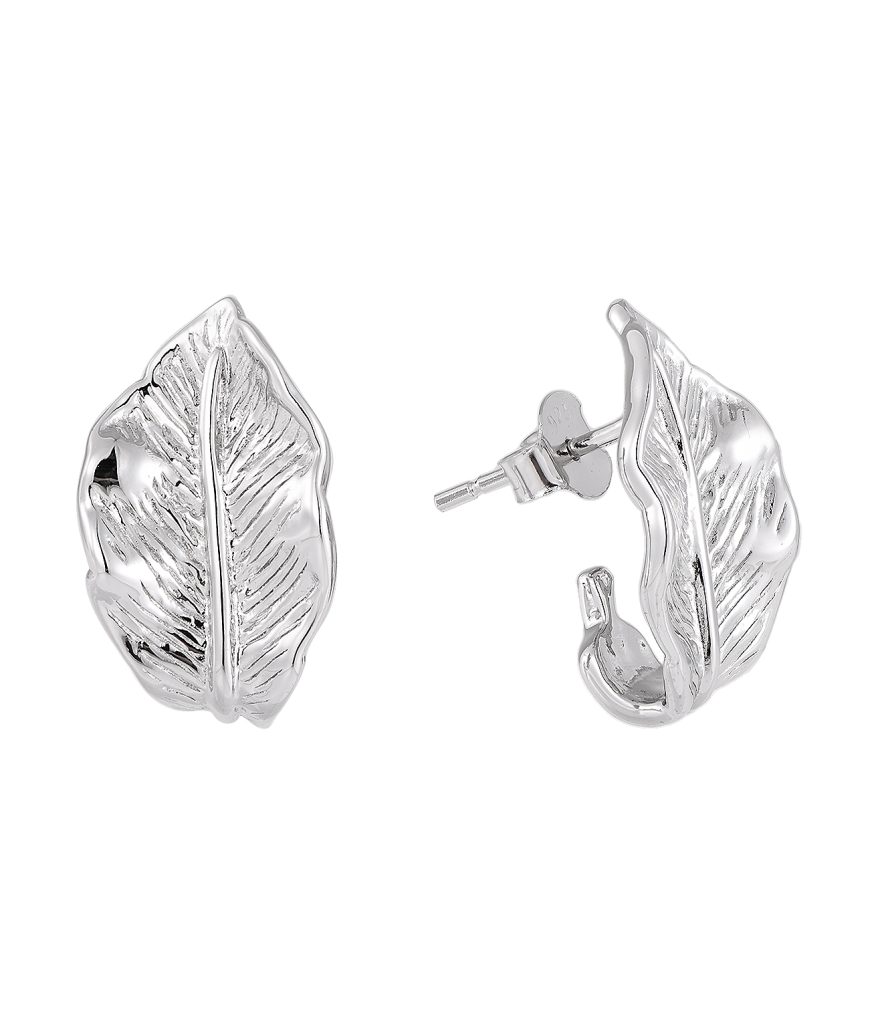
Endless Jewelry specializes in custom 925 sterling silver necklaces, rings, earrings, and private label jewelry manufacturing for global jewelry brands and wholesalers.
Have a jewelry design idea or some questions?