Types of Crystals and Gemstones Used in Jewelry: Complete Buying Guide
Crystals have been admired for their beauty and mystical symbolism for thousands of years. Their natural structures, formed by atoms arranged in repeating patterns, give them distinctive optical qualities that bring depth and brilliance to jewelry.
Choosing the right crystal or gemstone is one of the most important decisions in jewelry manufacturing. Different stones vary in hardness, brilliance, durability, price, and customer perception. Whether you’re creating fashion jewelry, sterling silver jewelry, engagement rings, or luxury collections, understanding each material helps you make better design and sourcing decisions.
In this guide, we’ll take a closer look at the most common crystals and gemstones used in jewelry, uncovering their meanings as well as the impact they bring to each design.
Commonly Seen Crystal Types
Discussed below are the popularly seen crystals in jewelry pieces:
Rhinestone

Rhinestones are man-made crystals valued for their dazzling, diamond-like sparkle at an affordable price. The name originally came from quartz pebbles once found along the Rhine River in Europe, but today rhinestones are typically produced from glass, acrylic, or crystal. To enhance their brilliance, they are often coated with a reflective backing. Available in a wide range of colors, shapes, and finishes, rhinestones offer versatile design possibilities.
Unlike natural crystals, rhinestones are not associated with traditional beliefs or healing properties. Instead, their appeal lies in their ability to replicate the elegance of genuine gemstones, making them a popular choice for jewelry such as earrings, bracelets, necklaces, brooches, and hair accessories.
Glass
Glass crystals are another widely used man-made option in jewelry because of their transparency and light reflection. Even though glass is a non-crystalline solid, it can be customized to look like a crystal. High-quality glass crystals undergo precise cutting techniques and polishing to increase their value.

Glass in itself lacks the spiritual and healing powers associated with true crystals, but many people love its clarity and affordability. Glass crystals are often integrated in fashion jewelry like statement necklaces, pendants, rings, and chandelier earrings. They fit into intricate designs, as well as high-end and everyday jewelry.
Glass
Cubic zirconia (CZ) is one of the most widely used man-made crystals in the jewelry industry. Known as a popular alternative to diamonds, it offers remarkable brilliance, clarity, and a diamond-like structure—yet at only a fraction of the cost. Designed to replicate the hardness and sparkle of real diamonds, CZ ranks about 8–8.5 on the Mohs scale, compared to a diamond’s perfect 10.
Beyond its visual appeal, cubic zirconia is sometimes associated with metaphysical symbolism. Because of its resemblance to diamonds, it is thought to represent luxury and prestige, while some believe it enhances the wearer’s confidence and sense of beauty.
CZ is commonly used in rings, earrings, pendants, and bracelets. Its ability to deliver a sophisticated, high-end appearance at an affordable price makes it a staple in both fashion jewelry and elegant statement pieces.
Nano Gem
Nano gems, otherwise known as nanocrystal or nano stones, are high-quality synthetic crystals developed using nanotechnology. These crystals can be seen in a wide range of colors, ranging from deep blues and greens to rich reds and yellows. They are highly valued for their durability, color stability, and serve as alternatives in scenarios where cubic zirconia is not feasible.

They are highly revered for their color vibrancy and long-lasting brilliance. In the jewelry industry, they are valued for adding color and sparkle to pieces of jewelry while maintaining durability. Common applications of nano gems are seen in fine and custom jewelry pieces.
Synthetic Spinel
This is a man-made version of natural spinel, engineered to replicate its vibrant colors and optical properties. Synthetic spinel can be made in numerous colors, such as vivid pink, cobalt blue, and emerald green. Each of its colors offers slightly different reflective qualities. If you’re seeking a cheaper substitute when cubic zirconia is not available, you can count on this crystal.

Unlike some man-made crystals, synthetic spinel maintains consistent color without fading throughout its lifetime. Its vibrant colors are believed to exude joy and showcase self-expression. Some people also associate it with revitalization and pure energy. Synthetic spinel is particularly favored in jewelry where bright colors are desired.
Synthetic Corundum
This is a lab-created version of natural corundum. It belongs to the ruby and sapphire mineral family, which are one of the hardest minerals (9 on the Mohs scale), below diamonds. This hardness makes synthetic corundum extremely strong and suitable for high-wear jewelry pieces.

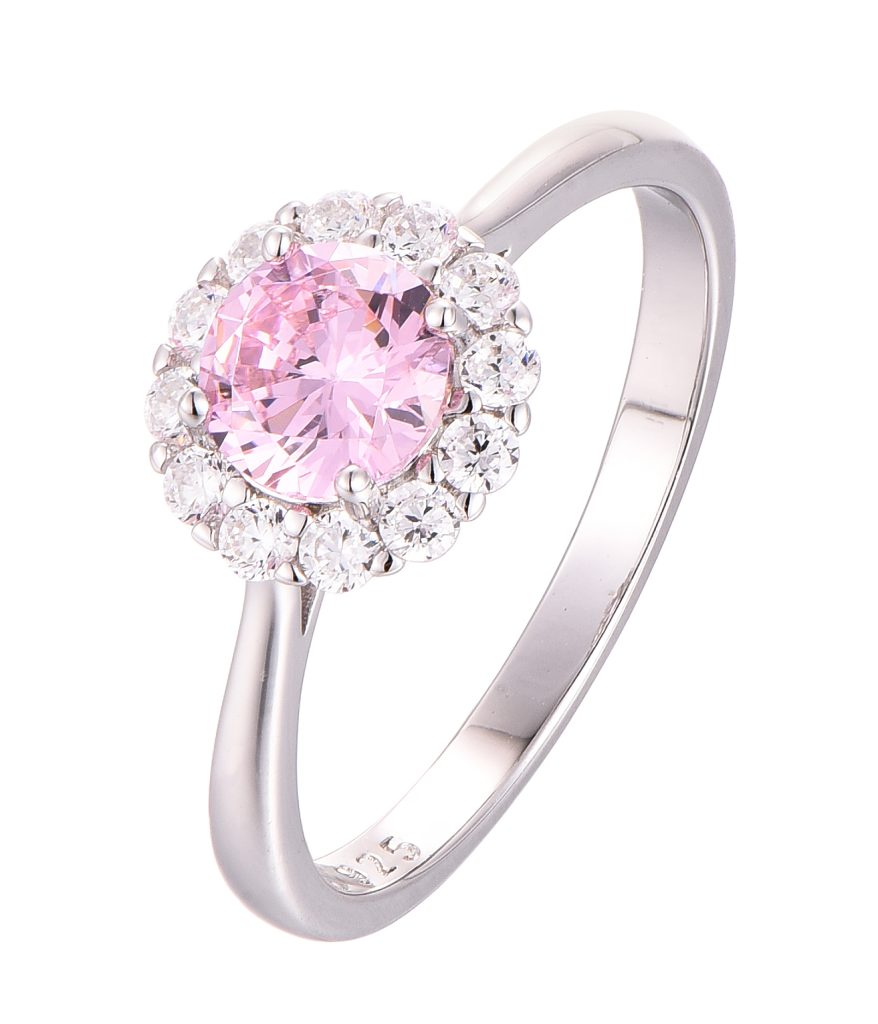


Synthetic corundum can be made in a variety of colors, such as deep blue (sapphire) and rich red (ruby), with each color’s atomic arrangement reflecting light in different ways based on its composition. Corundum is believed to offer strength, focus, and wisdom. But synthetically, it’s used in jewelry pieces that symbolizes resilience and endurance.
Moissanite
Moissanite, which was originally discovered in meteorites, is another crystal that shares close resemblance with diamonds. However, natural moissanite is rare, so most moissanite crystals in circulation now are lab-created.
This crystal can also be used as a substitute to cubic zirconia, especially in high-end jewelry because of its extreme durability and sparkle. Moissanite is the closest to diamonds, as it’s graded 9.25 on the Mohs hardness scale. Meanwhile, it has a very high refractive index, which makes it extremely brilliant, even more so than diamonds. This gives any jewelry it’s used for a fiery sparkle that is easily noticed.

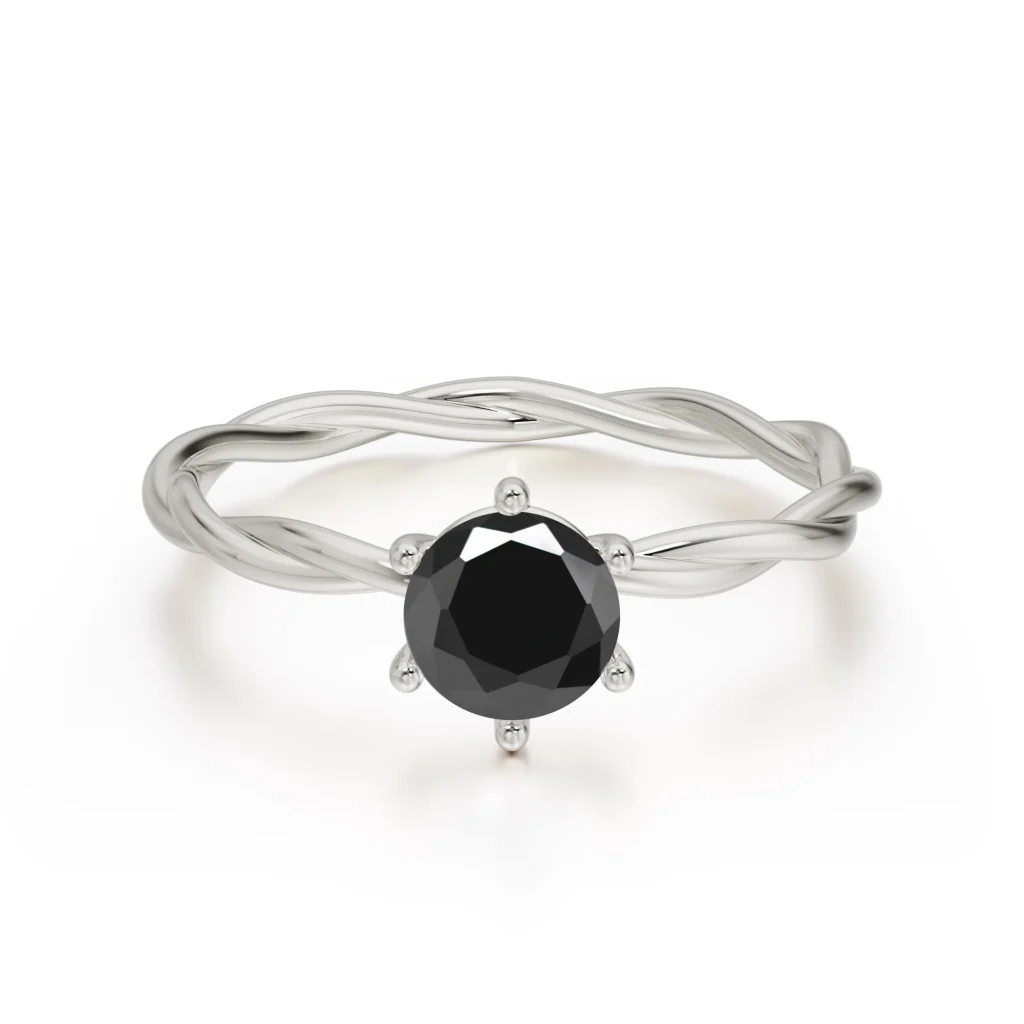

Moissanite is often associated with luxury, brilliance, and resilience. Many people connect moissanite jewelry to a symbol of commitment and longevity, especially in engagement rings, earrings, and statement necklaces.
Lab-Grown Diamonds
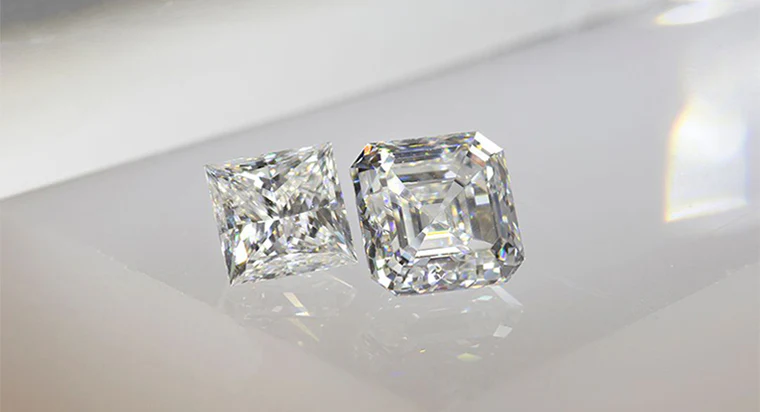
These are diamonds created in controlled laboratory environments to replicate the natural processes of real diamond formation. They are engineered chemically, physically, and optically to be identical as naturally occurring diamonds.

Lab-grown diamonds have the same hardness grade as natural diamonds (10 on the Mohs scale) and they share the same belief, representing love, commitment, and resilience. They are created in a variety of cuts, colors, and carat sizes, making them useful for both traditional and modern jewelry designs.
Lab-grown diamonds are more affordable, which makes them a preferred option to people seeking for real diamonds but at a cost-friendly price.
| Material | Mohs Hardness | Common Uses |
|---|---|---|
| Rhinestone | 5–6 | Fashion Jewelry |
| Glass | 5.5 | Beads |
| CZ | 8–8.5 | Rings |
| Nano Gem | 7–8 | Earrings |
| Synthetic Spinel | 8 | Rings |
| Corundum | 9 | Fine Jewelry |
| Moissanite | 9.25 | Engagement Rings |
| Diamond | 10 | Luxury Jewelry |
Crystal vs Gemstone: What's the Difference?
| Crystal | Gemstone |
|---|---|
| Can be natural or synthetic | Usually natural mineral |
| Used for fashion jewelry | Used in fine jewelry |
| Lower cost | Higher cost |
| Decorative | Investment value |
Naturally Occurring Diamonds and Natural Gemstones
Naturally occurring diamonds are real diamonds formed deep within the Earth’s mantle under intense pressure and heat for over thousands of years. These diamonds are the highest standard of beauty and luxury in the jewelry industry. They are greatly valued for their rarity, brilliance, and extreme hardness.

Natural gemstones, just like naturally occurring diamonds, are organic minerals that are derived from the Earth and cherished for their color, rarity, and metaphysical properties. The major ones are sapphires, rubies, emeralds, amethysts, topaz, aquamarines, and opals.
Natural gemstones, just like naturally occurring diamonds, are organic minerals that are derived from the Earth and cherished for their color, rarity, and metaphysical properties. The major ones are sapphires, rubies, emeralds, amethysts, topaz, aquamarines, and opals.
Throughout history, natural gemstones have been used for their symbolic and healing properties. For example, sapphires are believed to exhibit wisdom, rubies exhibit passion, and emeralds exhibit growth and healing.
Recommended Crystal/Bling Choice Based On
When choosing crystal for jewelry, it’s advisable to consider factors like market positioning, price range, and experts’ guidance to ensure you make the right decision.
Jewelry Brand Market Positioning
The crystal you select should blend with your brand’s image and target audience. Aligning crystal choices with brand identity helps to promote your brand loyalty and appeal directly to your target audience.
For example, if you identify as a luxury brand, your market positioning will be centered on people who want premium pieces. The best crystal options to select for your brand are lab-grown diamonds, natural diamonds, and natural gemstones.
Brands focused on providing fashion or trendy pieces to younger, budget-conscious audiences, may use affordable crystals like rhinestones, cubic zirconia, nano gems, synthetic spinel, and synthetic corundum.
Price Range
For the lowest priced crystals, rhinestones, cubic zirconia, and synthetic spinel are ideal for mass production of fashion based pieces.
Consult Experts for Technical Advice
When selecting the right crystals for your jewelry line, seeking guidance from industry experts can be invaluable. Professionals can help you evaluate key factors such as crystal hardness, color, brilliance, and even metaphysical symbolism—all of which influence durability, customer satisfaction, and overall appeal.
Experts can also provide technical advice on market trends, ethical sourcing, and sustainable practices. Their recommendations ensure that your brand stays aligned with current industry standards while meeting the evolving preferences of your customers.
- hardness
- setting
- plating compatibility
- customer budget
- production consistency
- MOQ
- stone cutting
- color consistency
At Endless Jewellery, our engineers recommend different crystal materials based on the jewelry category, target market, plating color, and production budget.
Which Crystal Is Best for Different Jewelry?
| Jewelry Type | Recommended Crystal |
|---|---|
| Earrings | CZ |
| Necklace | Nano Gem |
| Bracelet | Spinel |
| Ring | Moissanite |
| Luxury Ring | Lab Diamond |
| Fashion Jewelry | Rhinestone |
FAQs
What is the difference between a crystal and a gemstone?
A crystal is a material with an orderly internal atomic structure and can be either natural or synthetic. A gemstone is a mineral, rock, or organic material that has been cut and polished for use in jewelry. While many gemstones are natural crystals, not all crystals are considered gemstones. In modern jewelry manufacturing, materials such as cubic zirconia, moissanite, and synthetic spinel are often referred to as crystals because they offer excellent brilliance and durability at a lower cost than natural gemstones.
Is cubic zirconia a real crystal?
Yes. Cubic zirconia (CZ) is a laboratory-created crystalline material with excellent clarity and sparkle. Although it is not a natural gemstone, it has a crystal structure and is widely used in the jewelry industry as an affordable alternative to diamonds. CZ is popular for fashion jewelry, sterling silver jewelry, and custom jewelry because it offers a luxurious appearance while keeping production costs low.
Which crystal looks most like a diamond?
Moissanite and cubic zirconia are the two most common diamond alternatives. Moissanite is generally considered the closest to a natural diamond because of its exceptional brilliance, durability, and Mohs hardness of 9.25. Cubic zirconia also resembles a diamond but is softer and may lose its brilliance over time with frequent wear. For premium jewelry collections, moissanite is often the preferred choice, while CZ is ideal for fashion jewelry and budget-friendly designs.
Are lab-grown diamonds real diamonds?
Yes. Lab-grown diamonds are real diamonds with the same chemical composition, crystal structure, hardness, and optical properties as natural diamonds. The only difference is their origin. Natural diamonds form underground over millions of years, while lab-grown diamonds are created in controlled laboratory environments. They are widely used in engagement rings and fine jewelry because they offer the same beauty and durability at a more affordable price.
Which crystal is best for everyday jewelry?
The best crystal depends on the type of jewelry and your budget. For everyday rings and bracelets, moissanite, synthetic corundum, and lab-grown diamonds are excellent choices because of their high hardness and scratch resistance. Cubic zirconia is also suitable for daily wear when properly maintained. For fashion accessories that prioritize style over durability, rhinestones and glass crystals remain popular and cost-effective options.
What is the most affordable crystal for jewelry?
Rhinestones, glass crystals, and cubic zirconia are among the most affordable options available. Rhinestones are ideal for fashion accessories and seasonal collections because they provide strong visual impact at a very low cost. Cubic zirconia offers a more premium appearance and is widely used in rings, earrings, necklaces, and bracelets that aim to achieve a diamond-like look without the high price of natural gemstones.
Key Takeaway
The use of crystals in jewelry has a long tradition, rooted in their beauty, healing associations, and symbolic power. Today, jewelers can choose from a wide range of options, including rhinestones, glass, cubic zirconia, nano gems, synthetic spinel, synthetic corundum, moissanite, natural stones, lab-grown diamonds, natural diamonds, and other gemstones.
Ultimately, the best choice depends on your brand’s market positioning, budget, and the insights you gain from expert consultation. With the right selection, you can strike a balance between quality, cost, and customer appeal.
Have a jewelry design idea or some questions?