Bracelet | brass jewelry | Earrings | Endless Jewelry | Jewelry | jewelry factory | jewelry manufacturer | Necklace | ring
Does Brass Jewelry Turn Skin Green? Causes, Prevention & Better Alternatives
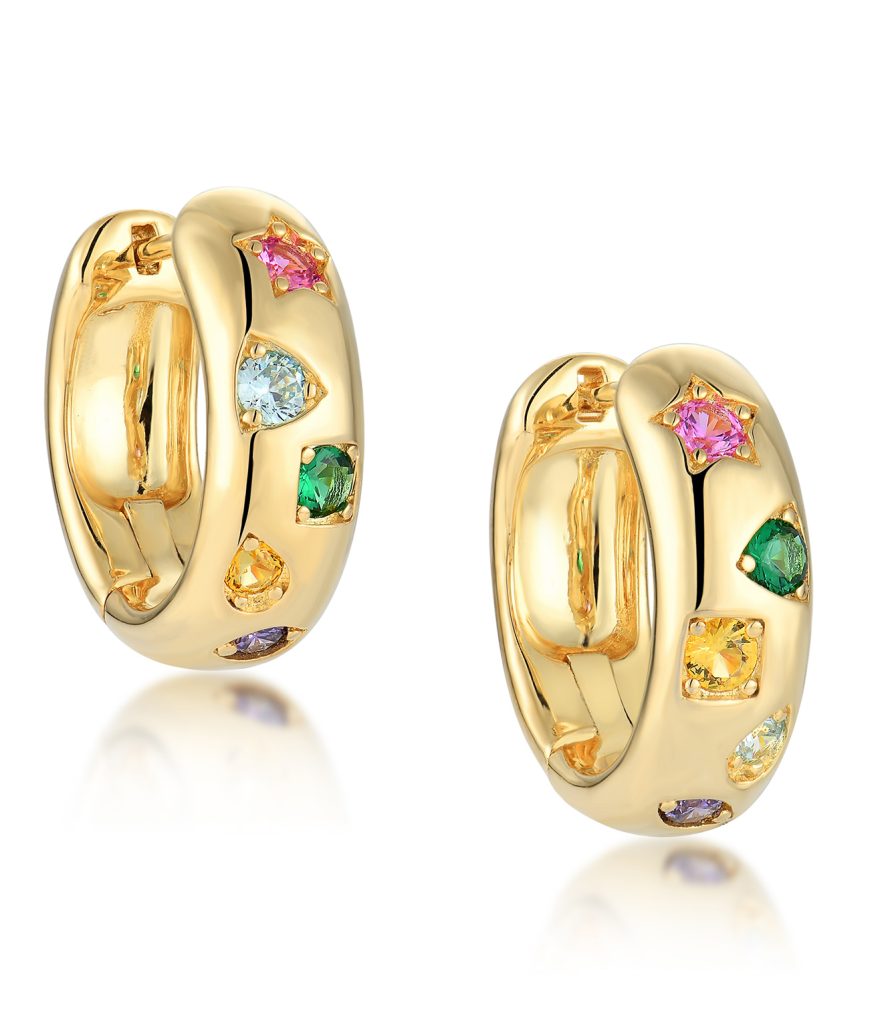
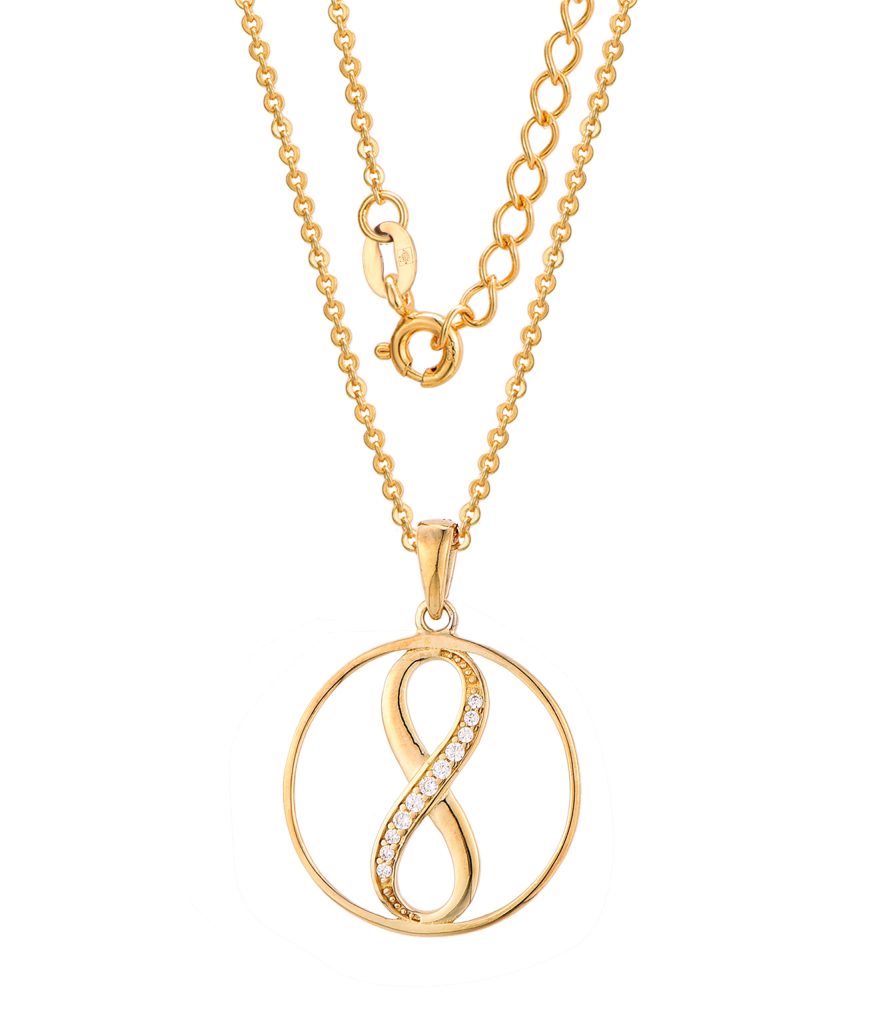
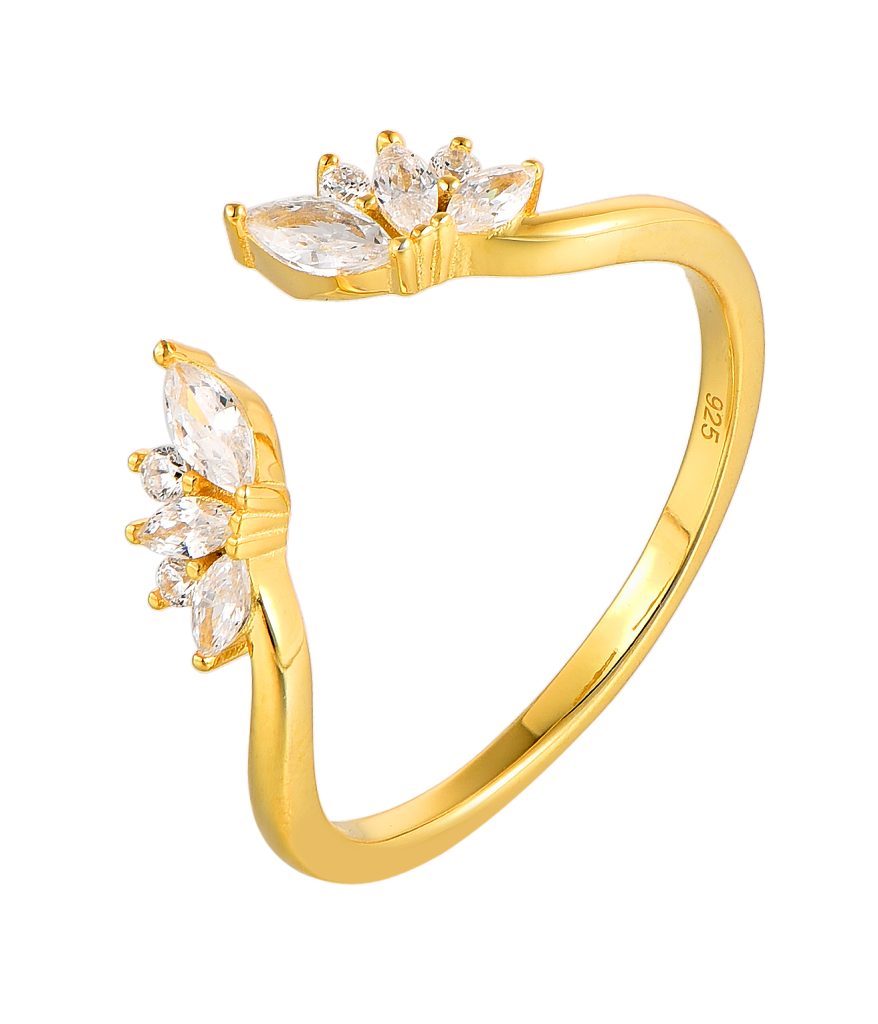
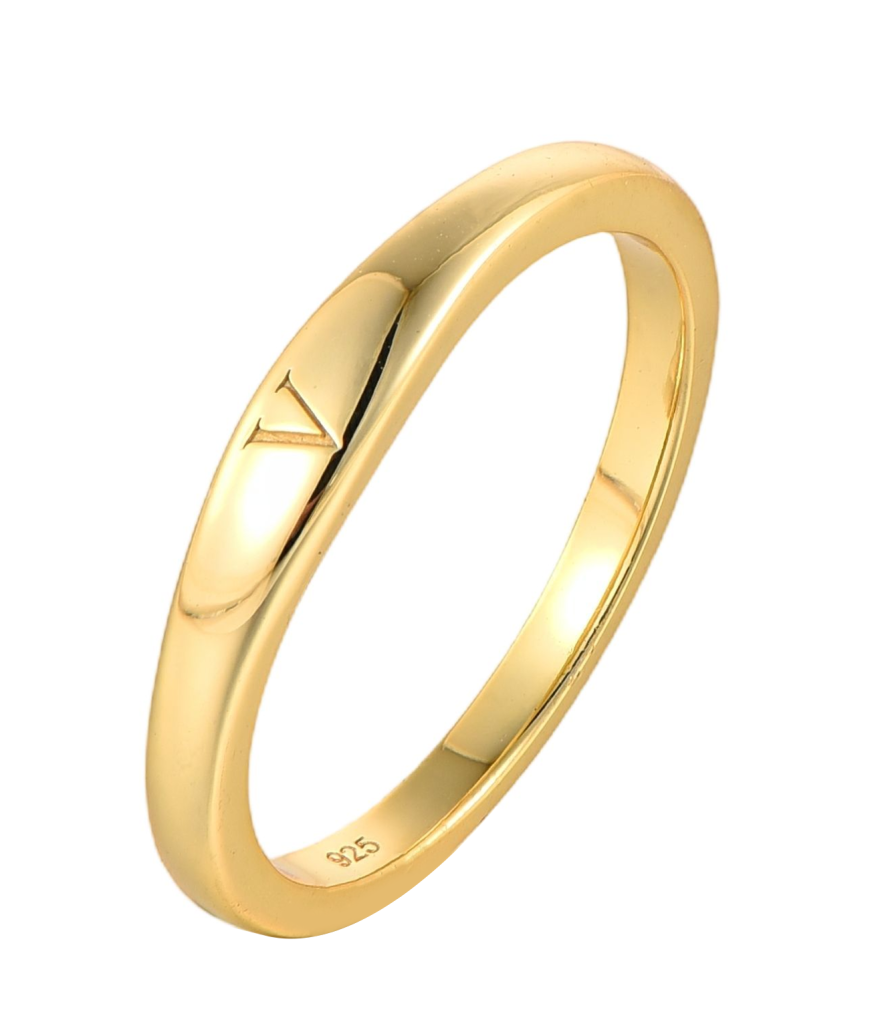
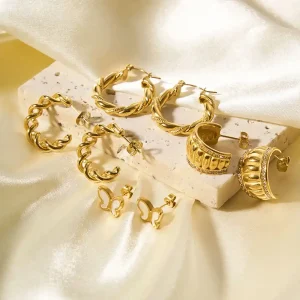
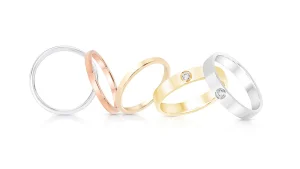


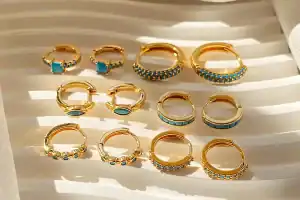

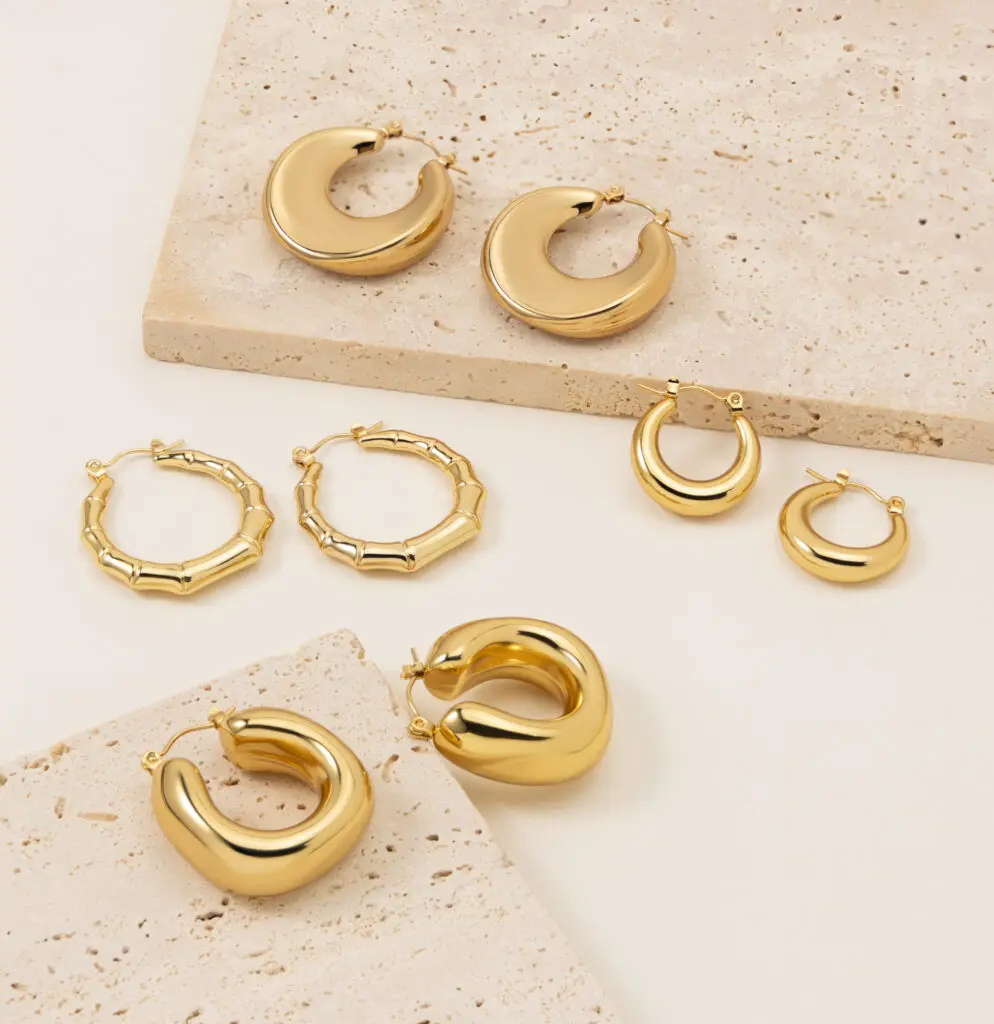
Brass jewelry has become increasingly popular thanks to its warm golden appearance, affordability, and versatility. From fashion jewelry to statement pieces, brass offers an attractive alternative to more expensive precious metals.
However, one question continues to concern many jewelry buyers: does brass jewelry turn skin green?
The short answer is yes. Brass jewelry can sometimes leave a green stain on the skin due to its copper content. Fortunately, the discoloration is usually harmless and there are several ways to prevent it.
In this guide, we’ll explain why brass jewelry turns skin green, how to reduce discoloration, and which jewelry materials offer better resistance to tarnishing and oxidation.
Brass is an alloy primarily made of copper and zinc. While zinc helps improve durability and strength, copper is responsible for the green discoloration sometimes associated with brass jewelry.
When copper comes into contact with moisture, oxygen, sweat, body oils, and certain skincare products, it undergoes a natural oxidation process. During this reaction, copper salts form on the surface of the jewelry and can transfer onto the skin, creating a green tint.
This reaction is more likely to occur when:
It’s important to understand that the green color comes from the metal itself rather than dirt or poor-quality manufacturing.
Not all brass jewelry tarnishes at the same rate. Several factors can accelerate oxidation and discoloration.
Water is one of the biggest contributors to brass tarnishing. Frequent exposure to showers, swimming pools, and humid environments can speed up oxidation.
Everyone’s skin chemistry is different. People with more acidic sweat may notice tarnishing and green marks sooner than others.
Cosmetics often contain chemicals that react with metals. Applying lotions, sunscreen, or perfume directly before wearing jewelry can increase discoloration.
Some brass jewelry is manufactured with protective coatings that help reduce oxidation. Uncoated brass typically tarnishes much faster.
In most cases, green skin caused by brass jewelry is completely harmless.
The discoloration is simply a cosmetic reaction between copper and your skin. It does not indicate an infection or a serious health concern, and the stain can usually be washed away with soap and water.
However, if you experience symptoms such as:
You may have a metal sensitivity or allergy rather than a simple oxidation reaction. If symptoms persist, consult a healthcare professional or dermatologist.
Although brass naturally oxidizes over time, there are several effective ways to minimize skin discoloration.
A thin layer of clear jewelry sealant or clear nail polish can create a barrier between the brass and your skin. This helps reduce direct contact with moisture and body oils.
Keep in mind that protective coatings wear off over time and should be reapplied periodically.
Remove brass jewelry before:
Keeping brass dry significantly slows oxidation.
Wipe your jewelry with a soft cloth after wearing it. Removing sweat, oils, and residue helps maintain its appearance and extends its lifespan.
Store brass jewelry in a dry, airtight container when not in use. Anti-tarnish pouches can provide additional protection against oxidation.
Apply skincare products, sunscreen, and perfume before putting on jewelry. Allow them to dry completely before wearing your accessories.
Gold-plated brass is generally less likely to turn skin green because the gold layer acts as a protective barrier between the brass base metal and your skin.
As long as the plating remains intact, moisture and air cannot easily reach the brass underneath.
The lifespan of gold-plated brass depends on several factors, including:
Higher-quality plating typically lasts longer and provides better protection against tarnishing.
For buyers looking for greater durability, gold vermeil and gold-filled jewelry often offer better long-term performance than standard gold plating.
When choosing jewelry for everyday wear, many buyers compare brass and sterling silver.
| Feature | Brass | Sterling Silver |
|---|---|---|
| Affordability | High | Moderate |
| Tarnish Resistance | Moderate | Good |
| Risk of Green Skin | Higher | Very Low |
| Hypoallergenic Properties | Lower | Better |
| Luxury Perception | Moderate | High |
Sterling silver is generally a better option for people with sensitive skin because it contains significantly less copper exposure on the surface.
Brass remains a popular choice for fashion jewelry due to its attractive appearance and lower cost, but sterling silver offers superior comfort for long-term wear.
If preventing discoloration is your top priority, consider these alternatives.
High-quality 925 sterling silver is less likely to cause green staining and can last for many years with proper care.
Gold vermeil combines a thick layer of gold over sterling silver, offering excellent durability and a luxurious appearance.
Gold-filled jewelry contains a much thicker layer of gold than standard gold-plated jewelry, resulting in longer-lasting wear and better tarnish resistance.
Solid gold is one of the most durable jewelry materials available and does not turn skin green under normal conditions.
Stainless steel is highly resistant to corrosion, affordable, and suitable for everyday wear.
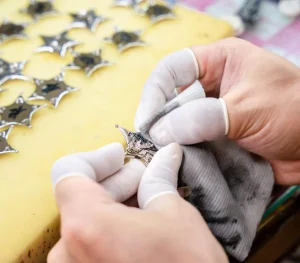
Professional jewelry manufacturers often use advanced finishing techniques to improve durability and reduce tarnishing.
Gold plating creates a protective outer layer that helps prevent moisture from reaching the brass base metal.
Rhodium is highly resistant to corrosion and provides exceptional shine and durability.
E-coating is a transparent protective finish applied to jewelry surfaces. It helps reduce oxidation, improve wear resistance, and extend product lifespan.
Many manufacturers apply specialized anti-tarnish coatings that slow oxidation and maintain the jewelry’s appearance for longer periods.
These treatments are commonly used in both fashion jewelry and premium jewelry collections.
Not necessarily. Protective coatings, plating quality, and individual skin chemistry all affect whether discoloration occurs.
It varies. Some people may notice discoloration after a few hours of wear, while others may never experience it.
Yes. A thin layer of clear nail polish can act as a temporary barrier between the metal and your skin.
Yes. Brass jewelry is generally safe for everyday wear, although proper maintenance is recommended to minimize tarnishing.
Solid gold, stainless steel, platinum, titanium, and high-quality gold vermeil are among the best options for avoiding skin discoloration.
So, does brass jewelry turn skin green?
Yes, brass jewelry can sometimes leave a green stain on the skin because of the copper it contains. Fortunately, this reaction is usually harmless and can often be minimized through proper care, storage, and protective coatings.
For buyers seeking greater durability and reduced maintenance, materials such as sterling silver, gold vermeil, gold-filled jewelry, and solid gold may be better alternatives.
Understanding how brass reacts with moisture, air, and skin chemistry can help you make informed jewelry choices and enjoy your favorite pieces for years to come.
Gold vermeil jewelry is a popular and cost effective alternative to solid gold. It offers the same luxurious look and timeless beauty
Table of Contents Silver jewelry has long been cherished for its elegance, versatility, and timeless appeal. Whether it’s a delicate silver chain,
Table of Contents What Is Waterproof Gold Jewelry Waterproof gold jewelry refers to gold pieces that can withstand daily exposure to water
Silver jewelry has been admired for centuries. From ancient civilizations to modern fashion, it remains a timeless favorite known for its brilliant
Table of Contents Gold filled jewelry has become one of the fastest growing categories in the global jewelry industry, offering jewelry brands
Table of Contents Pearls appear in a wide range of natural colors, from timeless white and golden hues to soft pink, lavender,