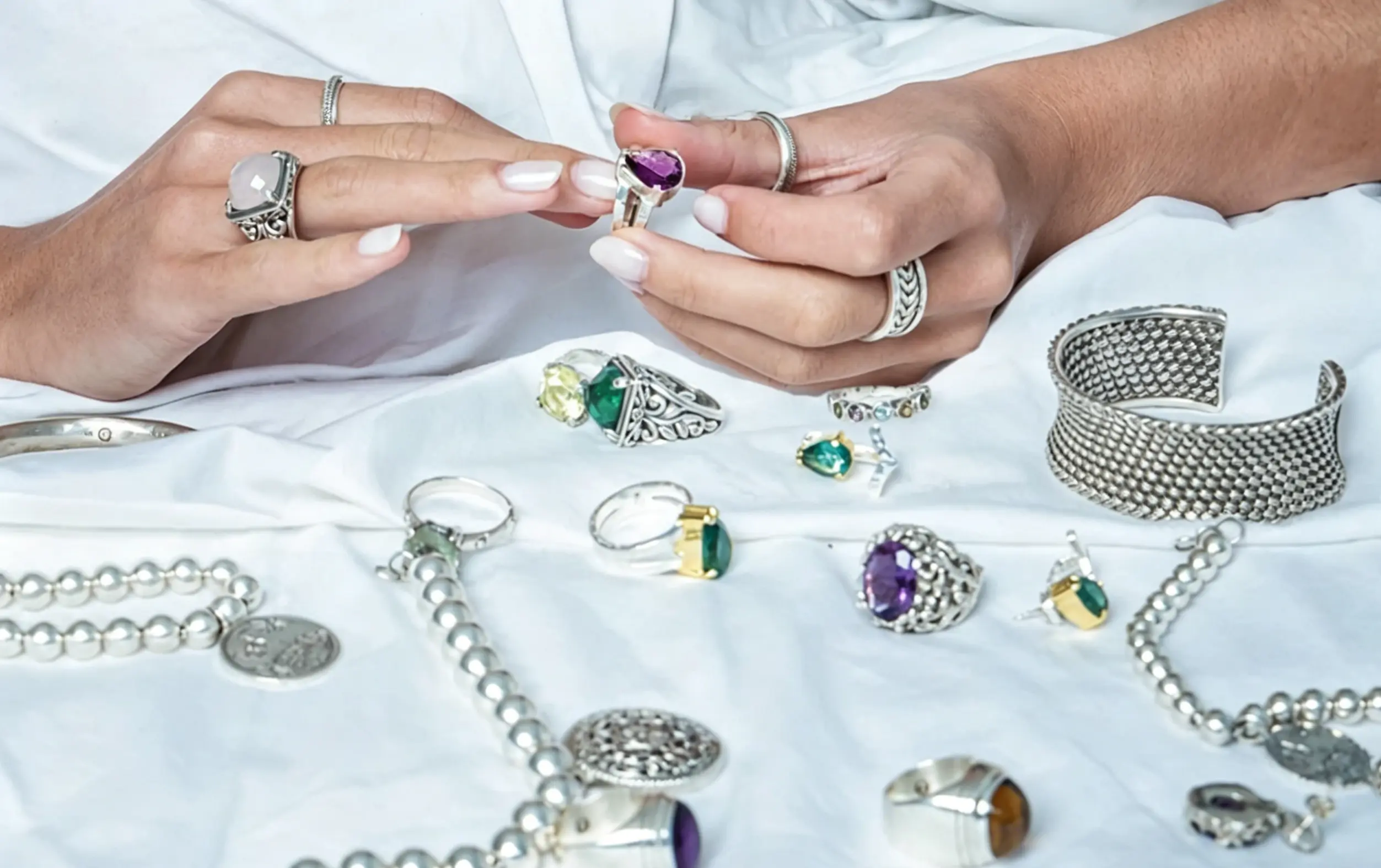
Does Sterling Silver Jewelry Tarnish? Causes, Prevention & Cleaning Guide
Table of Contents
Sterling silver jewelry is popular for its bright appearance, durability, affordability, and versatility. From rings and necklaces to earrings, bracelets, and custom jewelry, 925 sterling silver is widely used by jewelry brands, wholesalers, and retailers.
But one question often comes up before buying or selling sterling silver jewelry:
Does sterling silver jewelry tarnish?
Yes. Sterling silver can tarnish over time, especially when exposed to sulfur compounds, moisture, sweat, chlorine, cosmetics, and other chemicals. Tarnishing is a natural surface reaction and does not necessarily mean the jewelry is fake or poor quality.
The good news is that tarnish can usually be removed, and proper storage, cleaning, finishing, and customer care can significantly slow the process.
In this guide, we explain why sterling silver tarnishes, how to prevent it, how to clean tarnished sterling silver jewelry, and what jewelry brands should consider when sourcing 925 silver products.
Does Sterling Silver Jewelry Tarnish?
Yes, sterling silver jewelry can tarnish.
Sterling silver is typically composed of 92.5% pure silver and 7.5% alloy metals, most commonly copper. The alloy makes silver stronger and more suitable for jewelry than pure silver.
However, the alloy can also make sterling silver more reactive than pure silver.
When sterling silver comes into contact with sulfur compounds, moisture, oxygen, sweat, chlorine, cosmetics, and certain chemicals, a thin layer can form on the surface. This layer may make the jewelry appear:
- Yellowish
- Brown
- Gray
- Dark gray
- Black
The tarnish is generally a surface phenomenon rather than a sign that the silver underneath has been destroyed.
This is why even genuine, high-quality 925 sterling silver jewelry can eventually tarnish.
Why Does Sterling Silver Tarnish?
The main reason sterling silver tarnishes is its reaction with compounds in the surrounding environment.
1. Sulfur Compounds
Sulfur is one of the most important contributors to silver tarnishing.
Silver can react with sulfur-containing compounds, including hydrogen sulfide in the environment, forming silver sulfide on the surface. Silver sulfide is responsible for much of the gray or black discoloration commonly associated with tarnished silver.
Potential sources include:
- Air pollution
- Rubber products
- Certain textiles
- Household chemicals
- Cosmetics
- Perfume
- Hair products
- Some foods and organic materials
This reaction can occur even when the jewelry is not being worn.
2. Humidity and Moisture
Humidity can accelerate tarnishing because moisture helps chemical reactions occur more readily on the metal surface.
This is particularly relevant for jewelry stored in:
- Bathrooms
- Humid warehouses
- Coastal environments
- Poorly ventilated rooms
- Unsealed jewelry boxes
For jewelry businesses, controlling storage conditions can be especially important when holding sterling silver inventory for extended periods.
3. Sweat and Body Oils
Sweat contains salts, moisture, and other compounds that can interact with jewelry.
Frequent contact with sweat can therefore accelerate discoloration, particularly when sterling silver jewelry is worn during:
- Exercise
- Outdoor activities
- Hot weather
- Long working hours
- Sports
Body oils, lotions, and other residues can also accumulate on the surface and make the jewelry appear dull.
4. Perfume, Cosmetics, and Hair Products
Perfume, sunscreen, lotion, hairspray, makeup, and other personal-care products can contain ingredients that react with silver or leave residues on its surface.
For this reason, it is better to apply these products before putting on sterling silver jewelry.
Allowing skincare and fragrance products to dry before wearing jewelry can also reduce direct contact.
5. Chlorine and Salt Water
Chlorinated swimming pools and salt water can accelerate changes to silver jewelry.
Chlorine is particularly aggressive toward many jewelry metals and can contribute to discoloration and surface deterioration.
For regular swimming, it is generally better to remove sterling silver jewelry.
If jewelry does come into contact with pool or seawater, rinse it with clean fresh water and dry it thoroughly afterward.
6. The Copper in Sterling Silver
The 7.5% alloy portion of sterling silver is important because pure silver is relatively soft.
Copper is commonly used to improve strength and durability, making sterling silver practical for everyday jewelry manufacturing.
However, copper and other alloy components can be more reactive than pure silver. This contributes to the material’s tendency to change appearance over time.
Does Tarnishing Mean Sterling Silver Is Low Quality?
No.
Tarnishing does not automatically indicate that sterling silver jewelry is fake, low quality, or poorly manufactured.
Genuine 925 sterling silver can tarnish because tarnishing is related to the chemical interaction between silver, alloy metals, and the surrounding environment.
The presence or absence of tarnish should therefore not be used as the only method for determining silver authenticity.
For buyers and jewelry brands, material verification, supplier documentation, hallmarking, and professional testing are more reliable ways to evaluate silver quality.
If you want to understand the difference between sterling silver and 925 silver, see our guide to Sterling Silver vs 925 Silver.
What Does Tarnished Sterling Silver Look Like?
Sterling silver does not always tarnish in exactly the same way.
Depending on the environment and exposure, you may notice:
- A slightly yellow or golden surface
- A gray or cloudy appearance
- Dark gray areas
- Black discoloration
- Uneven darkening around detailed sections
- Reduced surface shine
Tarnish may also appear more quickly in areas that are difficult to clean, such as:
- Chain links
- Engraved details
- Prong settings
- Crevices
- Textured surfaces
This is one reason jewelry design and surface finishing can influence how easy a product is to maintain.
How to Prevent Sterling Silver Jewelry from Tarnishing
Although tarnishing cannot always be prevented completely, you can significantly slow it down with proper care.
1. Store Sterling Silver in a Dry Environment
Storage is one of the most effective ways to reduce tarnishing.
Keep sterling silver jewelry:
- In a cool, dry place
- Away from direct sunlight and heat
- In an airtight bag or sealed container when appropriate
- Separate from other jewelry to reduce scratching
- Away from bathrooms and other humid environments
For jewelry brands and wholesalers, inventory should also be stored in a clean and controlled environment whenever possible.
2. Use Anti-Tarnish Packaging
Anti-tarnish pouches, strips, papers, and other packaging solutions can help reduce exposure to sulfur and moisture.
For jewelry brands, anti-tarnish packaging can be incorporated into:
- Individual product packaging
- Jewelry boxes
- Wholesale packaging
- Long-term inventory storage
- Customer care kits
Packaging should still allow jewelry to remain dry and protected from unnecessary chemical exposure.
3. Keep Sterling Silver Away from Chemicals
Avoid unnecessary exposure to:
- Perfume
- Lotion
- Sunscreen
- Hairspray
- Household cleaners
- Chlorine
- Strong detergents
- Other harsh chemicals
A simple routine is to apply personal-care products first, allow them to dry, and then put on your jewelry.
4. Remove Jewelry Before Swimming and Showerin
Although occasional contact with clean water is not necessarily catastrophic, repeated exposure to water, soap, shampoo, chlorine, and salt can accelerate discoloration and wear.
For this reason, sterling silver jewelry is best removed before:
- Swimming
- Using a hot tub
- Showering
- Bathing
- Exercising
- Cleaning with chemicals
If the jewelry becomes wet, dry it thoroughly before storing it.
5. Wipe Jewelry After Wearing
A soft, clean jewelry cloth can remove sweat, oils, and surface residues after use.
This simple habit is particularly useful for frequently worn:
- Rings
- Bracelets
- Necklaces
- Earrings
Regular light cleaning can reduce buildup and make deeper cleaning less frequent.
6. Avoid Storing Silver with Reactive Materials
Certain materials can contribute to tarnishing or create an unfavorable storage environment.
Avoid storing sterling silver directly with materials that may release sulfur-containing compounds, such as some rubber products, wool, or untreated paper.
For long-term storage, dedicated jewelry packaging and anti-tarnish materials are preferable.
If your sterling silver jewelry has already tarnished, it can often be restored.
The safest cleaning method depends on the jewelry’s condition, surface finish, gemstones, and any additional coating.
Light Tarnish: Use a Soft Jewelry Cloth
For light discoloration, start with the least abrasive option.
Gently wipe the jewelry with a soft microfiber or silver polishing cloth.
Avoid aggressive rubbing, particularly on:
- Plated surfaces
- High-polish finishes
- Engraved areas
- Delicate details
Moderate Tarnish: Mild Soap and Water
For general cleaning, a mild soap solution and lukewarm water can be suitable for many solid sterling silver pieces.
A simple process is:
- Add a small amount of mild soap to lukewarm water.
- Gently clean the jewelry with a soft cloth.
- Rinse thoroughly with clean water.
- Dry completely with a soft, lint-free cloth.
- Allow the jewelry to air-dry fully before storage.
Avoid soaking jewelry for long periods, especially when it contains gemstones, glued components, or other materials that may be affected by water.
Heavy Tarnish: Consider Professional Cleaning
Heavily tarnished or intricate jewelry may require professional cleaning.
This is especially important for pieces containing:
- Gemstones
- Pearls
- Delicate plating
- Antique finishes
- Intricate settings
- Multiple materials
Not every commercial silver cleaner is suitable for every jewelry product.
When in doubt, check the manufacturer’s care instructions before using chemical cleaning solutions.
Should You Use Baking Soda or Toothpaste to Clean Sterling Silver?
Many DIY cleaning methods recommend baking soda, vinegar, aluminum foil, or toothpaste.
However, these methods are not suitable for every sterling silver jewelry product.
Abrasive cleaning can:
- Scratch polished surfaces
- Remove intentional finishes
- Affect plated coatings
- Change the appearance of textured surfaces
- Damage delicate components
For valuable, customized, plated, or gemstone jewelry, a gentle jewelry cloth or professional cleaning method is usually a safer choice.
Does Rhodium Plating Prevent Sterling Silver from Tarnishing?
Rhodium plating can significantly improve tarnish resistance, but it does not make sterling silver permanently tarnish-proof.
Rhodium is a bright, highly reflective metal that can be applied as a thin protective surface layer over sterling silver.
For jewelry manufacturers, rhodium plating can provide several benefits:
- Bright white appearance
- Improved surface protection
- Greater resistance to discoloration
- Enhanced shine
- Reduced direct exposure of the silver alloy to the environment
However, rhodium plating is a surface finish.
With enough wear, friction, cleaning, or chemical exposure, the coating can gradually wear down. Once the underlying sterling silver becomes exposed, it can again be affected by tarnishing.
Therefore, rhodium plating should be viewed as a way to reduce tarnishing and improve surface performance, rather than as a guarantee that the jewelry will never change appearance.
Can You Shower or Swim with Sterling Silver Jewelry?
It is generally better to remove sterling silver jewelry before showering or swimming.
The main concern is not simply water itself. Repeated exposure to:
- Chlorine
- Salt
- Soap
- Shampoo
- Body wash
- Minerals
- Sweat
- Cleaning chemicals
can accelerate discoloration and surface wear.
If a customer accidentally wears sterling silver in water, there is usually no need to panic. Rinse the piece with clean water, dry it completely, and inspect it before storing it.
For jewelry brands, providing clear care instructions can help customers understand the difference between everyday wear and prolonged exposure to harsh environments.
How Long Does Sterling Silver Take to Tarnish?
There is no fixed tarnishing timeline.
Some sterling silver jewelry may remain bright for a long time, while other pieces may darken relatively quickly.
The speed depends on factors such as:
- Humidity
- Air pollution
- Sulfur exposure
- Body chemistry
- Frequency of wear
- Contact with cosmetics
- Exposure to chlorine
- Storage conditions
- Surface finish
- Whether the jewelry is rhodium plated or otherwise protected
Two identical sterling silver pieces can therefore tarnish at different rates when used in different environments.
Sterling Silver Tarnish: What Jewelry Brands Should Know
For jewelry brands, tarnishing is more than a consumer-care issue.
It can affect customer expectations, product reviews, returns, and long-term brand perception.
A well-designed sterling silver product should therefore consider tarnish management during both manufacturing and after-sales care.
Material Selection
Confirm that the supplier is producing the jewelry with the specified sterling silver standard.
For 925 sterling silver, the material should contain approximately 92.5% silver.
Surface Finishing
The final surface finish can influence appearance and maintenance.
Depending on the product and target market, manufacturers may offer:
- High-polish finishing
- Rhodium plating
- Gold plating
- Other protective surface treatments
The appropriate finish depends on the product design, target price, expected wear, and desired appearance.
Production Quality
Proper polishing, cleaning, plating, and quality control can help create a more consistent final product.
For wholesale buyers, it is useful to ask suppliers about:
- Silver purity
- Plating options
- Plating specifications
- Surface finishing
- Quality inspection
- Packaging
- MOQ
- Sample approval
- Production lead time
Customer Care Instructions
A simple jewelry care card can help reduce avoidable complaints.
For example, customers can be advised to:
- Keep jewelry dry
- Avoid chlorine and harsh chemicals
- Apply perfume before wearing jewelry
- Wipe jewelry after use
- Store silver in a dry environment
- Use appropriate cleaning methods
Education is especially valuable for brands selling sterling silver jewelry as everyday or premium products.
Why 925 Sterling Silver Remains Popular for Jewelry
Despite its tendency to tarnish, sterling silver remains one of the most widely used jewelry materials.
Its popularity comes from the balance between:
- High silver content
- Strength
- Workability
- Attractive appearance
- Affordability
- Customization potential
- Broad consumer demand
Compared with pure silver, sterling silver is stronger and more suitable for everyday jewelry production.
This makes it a practical material for:
- Rings
- Earrings
- Bracelets
- Necklaces
- Pendants
- Charms
- Custom jewelry
- Private label collections
For brands looking for a balance between material quality, design flexibility, and production cost, 925 sterling silver remains a versatile option.
Sterling Silver Jewelry Manufacturing for Brands
For jewelry brands sourcing custom sterling silver products, tarnish resistance should be considered as part of the overall product specification rather than as a single feature.
At the manufacturing stage, brands can discuss:
- 925 sterling silver composition
- Surface polishing
- Rhodium plating
- Gold plating
- Custom finishes
- Logo engraving
- Gemstone setting
- Custom packaging
- Care cards
- Quality inspection
For OEM and ODM projects, these details can be discussed before sampling so the final product is aligned with the brand’s positioning and target market.
If you are developing a custom collection, our OEM & ODM jewelry manufacturing service can support custom designs from sampling through bulk production.
If you are developing a custom collection, our OEM & ODM jewelry manufacturing service can support custom designs from sampling through bulk production.
Frequently Asked Questions About Sterling Silver Tarnish
1.Does sterling silver tarnish?
Yes. Sterling silver naturally tarnishes when exposed to sulfur compounds, moisture, sweat, chemicals, and other environmental factors.
2.Does 925 sterling silver tarnish?
Yes. 925 sterling silver can tarnish because it contains 7.5% alloy metals, commonly copper. Proper storage and regular cleaning can slow the process.
3.Why does sterling silver turn black?
Sterling silver can turn black when silver reacts with sulfur-containing compounds and forms silver sulfide on the surface.
4.Is tarnished sterling silver fake?
No. Tarnishing does not mean sterling silver is fake. Genuine 925 sterling silver can naturally tarnish over time.
5.Can tarnished sterling silver be restored?
In many cases, yes. Light tarnish can often be removed with a suitable jewelry polishing cloth, while heavier tarnish may require professional cleaning.
6.How do I keep sterling silver from tarnishing?
Store it in a dry environment, use suitable anti-tarnish packaging, keep it away from chemicals, remove it before swimming or showering, and clean it regularly.
Key Takeaways
- Sterling silver jewelry naturally tarnishes over time.
- Tarnish is caused by exposure to air, moisture, and sulfur compounds.
- Tarnishing does not mean the jewelry is fake or damaged.
- Proper storage and regular cleaning can significantly reduce tarnish.
- Most tarnish can be removed easily with polishing.
- Sterling silver remains one of the most popular jewelry materials worldwide.
Final Thoughts
Sterling silver jewelry does tarnish, but this is a normal characteristic of authentic silver rather than a defect. With proper storage, regular cleaning, and routine maintenance, sterling silver jewelry can maintain its beauty for many years.
For both consumers and jewelry brands, sterling silver continues to offer an excellent combination of appearance, durability, value, and long-term wearability.
Have a jewelry design idea or some questions?