What Is Bonded Gold? Meaning, Methods and Jewelry Buying Guide
Table of Contents
The term bonded gold is used in different contexts to describe gold combined with another material. However, it does not identify one universal jewelry manufacturing standard. The exact meaning depends on the product’s construction, the gold alloy used, the bonding or coating process, and the applicable product labeling requirements.
For jewelry brands and wholesale buyers, understanding these differences is important when evaluating supplier claims. Gold filled, gold plated, and other gold bonded products should not be treated as interchangeable categories. This guide explains the terminology, outlines the main differences between mechanical bonding and electroplating, and identifies the material specifications buyers should verify before placing an order.
What Is Gold Filled Jewelry?

Gold filled jewelry uses a layer of gold alloy mechanically applied to a base metal. The construction and material specifications distinguish it from conventional gold plated jewelry, which uses a deposited gold coating.
The term gold bonded is broader and should be interpreted carefully. A supplier may use it descriptively, but the term alone does not establish the gold content, layer thickness, base metal, or compliance with a particular gold filled standard.
For jewelry brands, the correct product description should reflect the actual material structure and manufacturing process. Before using terms such as gold filled, gold overlay, or gold plated in product listings, confirm the applicable requirements for the target market and obtain supporting material information from the supplier.
Gold Bonded vs. Gold Filled: Understanding the Terminology
Gold bonded is not a universally defined substitute for gold filled. Buyers should not assume that a product described as bonded gold automatically meets the requirements for gold filled jewelry.
In the United States, the Federal Trade Commission’s Jewelry Guides address the use of terms such as gold filled, gold overlay, and rolled gold plate. These terms are associated with a gold alloy layer mechanically applied to a base metal, subject to the applicable requirements for gold fineness, durability, and product marking.
A 1/20 14K GF marking generally indicates that the gold layer represents one twentieth of the total metal weight of the article and uses 14 karat gold, where the marking is accurate and applicable. It should not be interpreted as a statement that the gold layer is one twentieth of a millimeter thick.
When evaluating a bonded gold product, jewelry brands should verify the gold alloy fineness, base metal, construction method, weight ratio where applicable, and documentation supporting the product description.
For U.S. market guidance, consult the FTC Jewelry Guides.
Mechanical Bonding vs. Electroplating
Mechanical bonding and electroplating are different approaches to applying or combining gold with another metal. Understanding the difference helps jewelry buyers evaluate product descriptions and avoid confusing gold filled materials with conventional gold plated products.
What Is Mechanical Bonding?
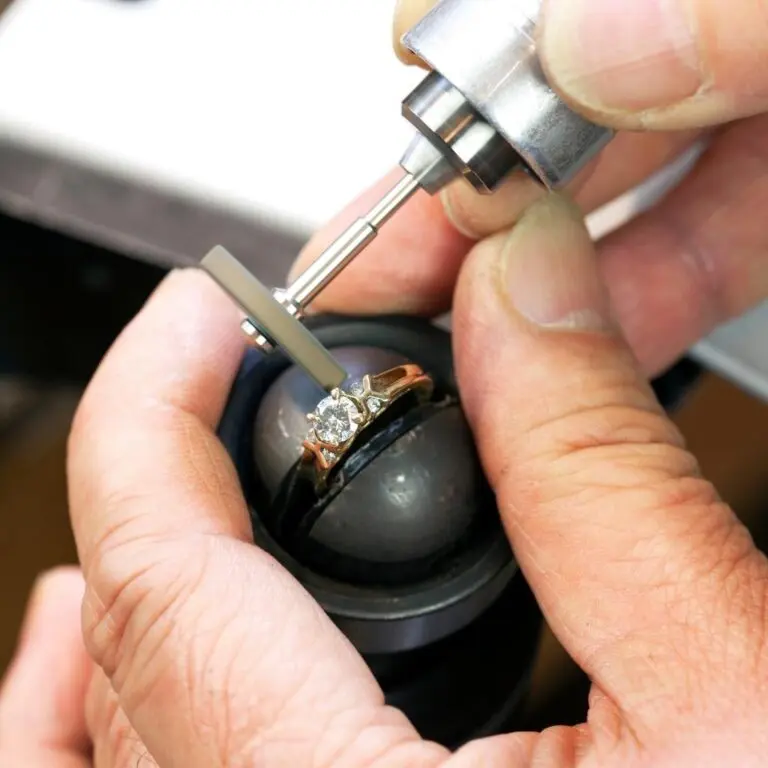
Mechanical bonding joins a gold alloy layer to a base metal through a controlled manufacturing process involving pressure and, where required, heat. Traditional gold filled materials use this type of construction.
The resulting material must still meet the applicable specifications for gold fineness, construction, durability, and product marking. The phrase mechanical bonding alone does not prove that a product qualifies as gold filled.
What Is Electroplating?
Electroplating deposits a layer of gold onto a prepared surface using an electrochemical process. The resulting coating can vary in thickness and performance according to the materials, plating specifications, surface preparation, and production controls.
Electroplating is commonly used to manufacture gold plated jewelry. A gold plated product should not automatically be described as gold filled simply because gold adheres to the base metal.
What Is the Difference Between Gold Filled and Gold Plated?
The main difference is the construction of the gold layer and the applicable material requirements. Traditional gold filled material uses a mechanically applied gold alloy layer, while conventional gold plated jewelry uses a deposited surface coating.
Neither the words bonded nor plated alone provide enough information to establish the actual gold content or expected service life. Buyers should verify the material specification and supporting documentation before making product claims.


What is a Chemical Bond?
A chemical bond is formed by creating a molecular-level connection between the gold layer and the base metal through an electrochemical process, such as electroplating. In this method, the base metal is immersed in a gold ion solution, and an electric current is applied, causing the gold particles to deposit and adhere firmly to the metal surface.
Mechanical Bonding Process in Gold-Filled Jewelry
The mechanical bonding process ensures that gold-filled jewelry achieves a strong and lasting connection between the gold layer and the base metal. Here’s how it works step by step:
- Surface Preparation: The base metal is thoroughly cleaned to eliminate oils, oxides, and debris that could interfere with bonding.
- Gold Layer Application: A substantial sheet of gold—comprising at least 5% of the item’s total weight—is placed over the base metal.
- Heat and Pressure Fusion: The layered metals are subjected to high heat and pressure, creating a firm mechanical bond.
- Annealing: The bonded material is annealed to release internal stresses, improving ductility and ensuring precise shaping.
- Shaping and Forming: The material is then cut, stamped, or drawn into jewelry components while maintaining the integrity of the gold layer.

Chemical Bonding Process
- Cleaning and Surface Treatment: Begins with cleaning the base metal thoroughly to remove any particle or oil that will make the gold-filled jewelry look uneven and smudged.
- Pre-Treatment (Activation): The base metal surface is treated with electrolytes to “activate” it, in order to get a strong gold ion adhesion.
- Electroplating Process: The base metal is inserted fully into a gold-ion solution, and an electric current is applied to the solution, making the gold ions stick tightly to the metal.
- Drying and Inspection: The bonded piece is dried and inspected to ensure there’s no flaw.
Pros and Cons of Mechanical Bond
Pros:
- Produces durable jewelry with long-term stability.
- The process is streamlined, with a quick setup.
- Lower material and labor costs compared to chemical bonding.
Cons:
- Potential wear over time, if not properly maintained.
- Layering and pressing may cause visible seams and uneven edges.
How to Evaluate Bonded Gold Jewelry Suppliers
For jewelry brands, wholesalers, and private label businesses, choosing a gold bonded product starts with verifying the material rather than relying on a supplier’s terminology.
1. Confirm the Material Construction
Ask whether the product uses mechanically bonded gold, electroplated gold, or another type of coating. Request a clear description of the base metal and the manufacturing method used for the supplied material.
2. Verify Gold Fineness and Material Specifications
Confirm the karat fineness of the gold alloy and request the applicable layer, weight ratio, or coating specifications. The required information depends on the product category and the labeling rules in the target market.
3. Request Supporting Documentation
Ask for material declarations, relevant test reports, and product marking details where applicable. Check that the documentation corresponds to the actual product being quoted rather than a similar item or generic material sample.
4. Evaluate Surface Quality and Durability
Inspect samples for uneven coating, exposed base metal, surface defects, and other visible issues. Additional testing may be appropriate depending on the construction, product design, and performance requirements.
Avoid relying on a single visual inspection or an unsupported claim that a product will never fade or wear.
5. Confirm Bulk Production Requirements
Before approving an order, document the material specification, approved sample, finish, inspection criteria, and acceptable quality limits. These details help buyers compare suppliers on a consistent basis and reduce misunderstandings during production.
For custom jewelry projects, the supplier should be able to explain which specifications can be verified and which performance claims require additional testing.
Questions to Ask a Gold Jewelry Supplier
Before placing a wholesale or private label order, ask:
What is the base metal used in this product?
Is the gold layer mechanically bonded or electroplated?
What gold fineness and material specifications apply?
Can you provide documentation supporting the product description?
What inspection criteria are used for samples and bulk orders?
Can the approved material specifications be maintained throughout production?
FAQs About Bonded Gold
1.What Is Gold Bonded?
Gold bonded is a descriptive term that can refer to gold combined with another material. Its precise meaning depends on the product’s construction and the terminology used by the supplier. It should not automatically be treated as equivalent to gold filled.
2.What Does Bonded Gold Mean in Jewelry?
In jewelry, bonded gold generally describes a product in which gold is joined or applied to another material. Buyers should confirm whether the product uses a mechanically bonded gold alloy layer, electroplated gold, or another construction method.
3.Is Bonded Gold the Same as Gold Filled?
Not necessarily. Gold filled has specific construction and labeling requirements in relevant markets. Bonded gold is a broader descriptive term and does not by itself establish compliance with gold filled requirements.
4.What Does 18K Gold Bonded Mean?
The phrase may indicate that 18 karat gold is used in a bonded or coated product, but the wording alone does not establish the gold layer’s thickness, weight ratio, or construction. Buyers should request the complete material specification before relying on the claim.
5.What Is the Difference Between Gold Bonding and Gold Plating?
Gold bonding is a broad description of joining gold with another material, while gold plating commonly refers to applying a surface coating of gold. The exact distinction depends on the manufacturing process and product terminology. A supplier’s technical specification is more informative than the term bonded alone.
6.Does Bonded Gold Last Longer Than Gold Plated Jewelry?
There is no reliable answer based on the word bonded alone. Service life depends on the actual material structure, coating or gold layer specifications, manufacturing quality, product design, wear conditions, and maintenance. Buyers should request relevant test information rather than rely on a fixed lifespan claim.
7.How Can Buyers Verify Bonded Gold Jewelry?
Buyers should review the material declaration, gold fineness, base metal, manufacturing method, product markings, and relevant test documentation. The appropriate verification method depends on the product and the claim being assessed.
Choosing the Right Gold Jewelry Material for Your Brand
For jewelry brands and wholesalers, a clear material specification is the starting point for reliable sourcing. Terms such as bonded gold, gold filled, and gold plated should be supported by accurate product information and appropriate documentation.
Endless Jewellery supports jewelry brands and wholesalers with custom jewelry development, OEM and ODM services, sampling, and production quality checks. When developing a new collection, buyers should confirm the material requirements and approved sample before proceeding with bulk production.
For more information, explore our jewelry manufacturing services or learn how gold filled jewelry is made.