How Manufacturers Prevent Sterling Silver Jewelry From Tarnishing
Sterling silver is widely used for custom jewelry because it offers a combination of precious metal content, durability, appearance, and production flexibility. However, like other silver materials, sterling silver can naturally develop tarnish when its surface reacts with sulfur compounds, moisture, air pollutants, and other environmental factors.
For jewelry manufacturers, sterling silver tarnish prevention starts before the finished pieces reach the customer. Material specifications, surface preparation, polishing, protective treatments, final inspection, packaging, and storage can all affect how well the finished jewelry maintains its appearance.
This guide explains how jewelry manufacturers prevent silver tarnish, with a focus on production processes and requirements that jewelry brands, wholesalers, and retailers can discuss with their suppliers.
Why Sterling Silver Tarnishes: The Manufacturing View
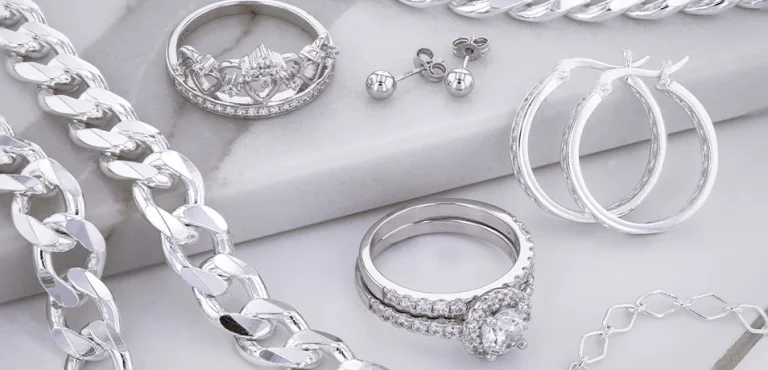
Sterling silver contains 92.5% silver and other alloy metals that improve strength and production performance. The silver surface can react with sulfur containing compounds and other environmental contaminants, creating the dark surface layer commonly known as tarnish.
Humidity, pollution, chemicals, storage conditions, and surface contamination can accelerate this process.
From a manufacturing perspective, tarnish prevention is therefore not simply about applying a coating. It involves controlling the material, preparing the surface correctly, selecting an appropriate finishing treatment, and protecting the finished jewelry during storage and shipment.
For a consumer focused explanation of the causes of tarnish and everyday prevention methods, see our guide on why sterling silver tarnishes and how to prevent it.
Start With the Right Silver Specification
Tarnish prevention begins with consistent material and production specifications. A protective treatment cannot compensate for poor material control or inadequate surface preparation.
Control the Sterling Silver Specification
For B2B jewelry production, buyers should first confirm the required silver specification with the manufacturer.
For example, a collection may require:
- 925 sterling silver
- Nickel free material
- Consistent alloy composition
- Agreed material standards
- Appropriate documentation for the target market
Material consistency is particularly important when a brand orders the same design repeatedly. Consistent material and production specifications help the manufacturer maintain a similar appearance and finishing performance from one production batch to another.
925 sterling silver is also well suited to manufacturing processes such as casting, polishing, stone setting, engraving, and plating. This makes it a practical material for custom jewelry collections produced at different quantities.
Check the Surface Before Finishing
Surface preparation is another important part of silver jewelry anti tarnish treatment.
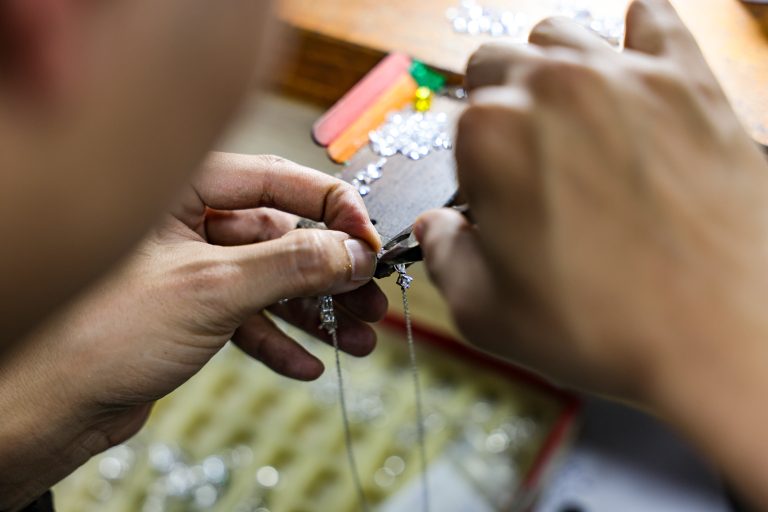
Before a protective coating or plating is applied, the jewelry surface needs to be properly polished and cleaned. Polishing compounds, oils, dust, fingerprints, and other residues can interfere with subsequent finishing processes.
A typical production sequence may include:
Polishing → Cleaning → Surface Preparation → Protective Treatment → Final Inspection
The exact process depends on the material, design, finishing requirement, and production method.
A clean and properly prepared surface gives the finishing process a more consistent foundation and helps manufacturers achieve the appearance specified by the buyer.
Anti Tarnish Surface Treatments Used by Jewelry Manufacturers
Different silver jewelry products can require different finishing solutions. The appropriate treatment depends on the desired appearance, expected wear, design structure, target price, and buyer requirements.
Anti Tarnish Coating for Silver Jewelry
An anti tarnish coating creates a protective barrier between the silver surface and the surrounding environment.
For manufacturers, the main purpose is to reduce the surface’s direct exposure to factors that can contribute to tarnishing while maintaining the required appearance of the jewelry.
An anti tarnish coating for silver jewelry may be considered when a collection requires additional surface protection but does not necessarily require a rhodium finish.
The manufacturer should evaluate the coating according to the jewelry design and finishing requirements. Factors such as transparency, surface appearance, adhesion, wear conditions, and compatibility with the underlying finish should be considered before production.
For this reason, B2B buyers should avoid specifying only “anti tarnish” without explaining the expected finish and performance requirements.
E Coating for Sterling Silver Jewelry
E coating silver jewelry involves applying a protective coating over the finished surface. It can help protect jewelry from everyday environmental exposure and can support longer lasting surface appearance.
For manufacturers, e coating can be particularly useful when a brand wants an additional protective layer without significantly changing the intended appearance of the jewelry.
The decision to use e coating should consider:
- Jewelry material
- Surface finish
- Product design
- Expected wear
- Desired appearance
- Target retail positioning
For a detailed explanation of the e coating process, benefits, durability, and manufacturing considerations, see e coating keeps jewelry shining longer.
For a detailed explanation of the e coating process, benefits, durability, and manufacturing considerations, see e coating keeps jewelry shining longer.
The important point for buyers is that e coating should be treated as part of the overall finishing specification rather than as a universal solution for every silver jewelry product.

Rhodium Plating for Sterling Silver
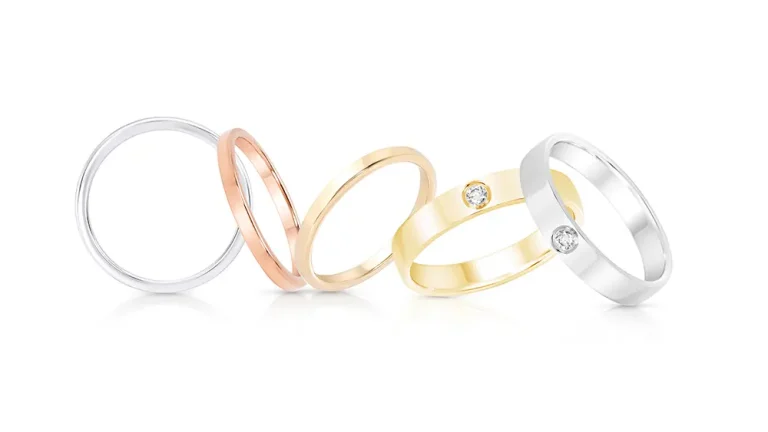
Rhodium plating for sterling silver adds a rhodium surface layer over the silver base.
Rhodium is commonly selected when a jewelry brand wants a bright white appearance together with additional surface protection. It is particularly common for sterling silver rings, earrings, pendants, bracelets, and other products where a bright reflective finish is part of the design.
Rhodium plating can help reduce the direct exposure of the sterling silver surface to the environment. However, the plating layer is not permanent. Friction and repeated wear can gradually affect the finish, especially on high contact areas such as rings and bracelet surfaces.
When specifying rhodium plated sterling silver, B2B buyers should therefore consider the intended use of the product, required finish, plating specification, and expected wear conditions.
When specifying rhodium plated sterling silver, B2B buyers should therefore consider the intended use of the product, required finish, plating specification, and expected wear conditions.
For more information about rhodium plating in jewelry production, see why rhodium plating matters in jewelry production for business owners.
Post Polish Cleaning and Surface Treatment
One of the most important manufacturing steps is what happens between polishing and final finishing.
Polishing creates the desired surface appearance, but it can also leave behind compounds or residues that need to be removed before further treatment.
A professional production process may therefore include several stages of surface preparation:
1. Polishing
The jewelry is polished according to the required finish, such as a high shine, satin, or another specified surface effect.
2. Cleaning
The surface is cleaned to remove polishing compounds, oils, dust, and other contaminants.
3. Surface Preparation
The manufacturer prepares the surface for the selected plating or coating process.
4. Protective Treatment
Depending on the product specification, the jewelry may receive rhodium plating, e coating, an anti tarnish coating, or another agreed surface treatment.
5. Final Inspection
The finished jewelry is inspected for appearance, surface defects, finishing consistency, and other agreed quality requirements.
This sequence matters because tarnish prevention is not simply a final step. The condition of the silver surface before treatment can influence the consistency of the finished product.

Anti Tarnish Packaging Before Shipment
Tarnish prevention does not end when production is finished.
Finished sterling silver jewelry may spend time in a factory, warehouse, shipping facility, or transportation environment before reaching the buyer. During this period, exposure to humidity, air, contaminants, and unsuitable packaging can affect the surface.
This is why how do you keep sterling silver from tarnishing in packaging is an important question for B2B buyers.
Individual Anti Tarnish Packaging
Depending on the product and order requirements, manufacturers may use individual bags, suitable anti tarnish packaging materials, or other protective packaging methods.
Individual packaging can also help prevent jewelry pieces from rubbing against one another during transportation.
For products with delicate finishes, packaging should be selected according to the surface treatment and design.
Moisture and Air Exposure
Humidity is an important consideration when storing finished silver jewelry.
Manufacturers may use sealed or protective packaging and moisture control methods where appropriate. Desiccants can also be used when suitable for the packaging system.
The objective is to reduce unnecessary exposure to moisture and environmental contaminants during storage and transportation.
Storage Before Shipment
Finished jewelry should be stored in appropriate conditions before shipment.
For B2B orders, buyers can ask their manufacturer how finished pieces are stored after final inspection and before packing. This is especially relevant when the production schedule includes a significant period between completion and shipment.
A good packaging specification should therefore consider both the physical protection of the jewelry and the surface protection required for the chosen finish.
What B2B Buyers Should Specify in Their PO
If tarnish resistance is important for a jewelry collection, the requirement should be discussed before bulk production and included in the purchase specification where appropriate.
A general request such as “anti tarnish jewelry” may not provide enough information for a manufacturer to determine the required production method.
Instead, buyers can specify four key areas.
1. Material Specification
State the required material clearly.
For example:
925 sterling silver
If required, also specify:
Nickel free
Material requirements should be agreed before production begins.
2. Surface Treatment
Specify the required finishing treatment.
Examples include:
- Rhodium plating
- E coating
- Anti tarnish coating
- Untreated sterling silver
- Other agreed surface finishes
The selected treatment should match the appearance, product design, expected wear, and target price of the collection.
3. Packaging Requirement
If the jewelry needs additional protection during storage and shipment, specify the packaging requirement.
For example:
Individual anti tarnish packaging for finished sterling silver jewelry
This gives the manufacturer a clear production and packing requirement rather than leaving the expectation open to interpretation.
4. Inspection Requirement
Buyers can also specify the inspection requirements that matter most to their collection.
These may include:
- Surface appearance
- Plating consistency
- Coating adhesion
- Color consistency
- Surface defects
- Packaging condition
If a buyer requires a specific tarnish resistance or laboratory testing method, the testing procedure should be agreed with the manufacturer before bulk production.
Sterling Silver Tarnish Prevention Methods Compared
| Treatment or Method | Main Purpose | Tarnish Protection | Typical Use | B2B Consideration |
|---|---|---|---|---|
| Anti tarnish coating | Creates a protective surface barrier | High | Silver jewelry requiring additional surface protection | Coating compatibility and appearance |
| E coating | Adds a protective surface layer | High | Collections requiring additional surface protection | Finish, durability, and product use |
| Rhodium plating | Adds a rhodium surface finish | High | Bright white sterling silver jewelry | Plating specification, wear, and cost |
| Post polish cleaning | Removes residues before finishing | Supports protection | Most finished silver jewelry | Surface cleanliness |
| Anti tarnish packaging | Reduces exposure during storage and shipment | Supports protection | Finished jewelry before shipment | Packaging specification and storage conditions |
No single treatment is suitable for every sterling silver jewelry product. Manufacturers should select the finishing and packaging system according to the material, design, intended use, appearance, and buyer requirements.
What Should a Jewelry Manufacturer Do to Prevent Silver Tarnish?
In simple terms, a manufacturer can approach sterling silver tarnish prevention through five production stages:
1. Control the silver specification
Use the agreed sterling silver material and production requirements.
2. Prepare and clean the surface
Remove polishing compounds, oils, dust, and other residues before protective treatment.
3. Apply the required surface treatment
Use the agreed e coating, rhodium plating, anti tarnish coating, or other finishing method.
4. Inspect the finished jewelry
Check the surface, finish, plating or coating consistency, and other agreed quality requirements.
5. Protect the jewelry before shipment
Use suitable packaging and storage conditions to reduce unnecessary exposure to moisture and environmental contaminants.
For brands and wholesalers, these steps provide a practical framework for discussing sterling silver tarnish prevention with a jewelry manufacturer.
FAQ
1.How do jewelry manufacturers prevent silver tarnish?
Jewelry manufacturers can reduce tarnishing through consistent material specifications, proper polishing and cleaning, suitable surface treatments such as e coating or rhodium plating, final inspection, and protective packaging before shipment.
2.What is the best anti tarnish treatment for sterling silver jewelry?
There is no single treatment that is best for every product. E coating, rhodium plating, anti tarnish coatings, and packaging controls serve different purposes. The appropriate solution depends on the jewelry design, surface finish, expected wear, appearance, and production requirements.
3.Does e coating prevent sterling silver from tarnishing?
E coating provides a protective surface barrier that can help reduce exposure to environmental factors that contribute to tarnishing. However, it should not be described as permanent or completely tarnish proof. Its performance depends on the coating system, application, jewelry design, and use conditions.
4.How do you keep sterling silver from tarnishing in packaging?
Manufacturers can reduce tarnishing during storage and transportation by using suitable anti tarnish packaging, limiting unnecessary exposure to humidity and contaminants, separating jewelry pieces when appropriate, and maintaining suitable storage conditions before shipment.
5.Should anti tarnish requirements be included in a jewelry purchase order?
If tarnish resistance is an important requirement for the collection, it is useful to include the agreed material, surface treatment, packaging, and inspection requirements in the purchase specification. This gives both the buyer and manufacturer a clearer production standard.
Conclusion
Sterling silver tarnish prevention is a production process rather than a single finishing step.
For jewelry manufacturers, the process can involve consistent material specifications, careful surface preparation, appropriate protective treatments, final inspection, and anti tarnish packaging before shipment.
For brands, wholesalers, and retailers, the most important step is to communicate these requirements clearly before bulk production. Instead of simply asking for “anti tarnish silver jewelry,” buyers can specify the material, surface treatment, packaging, and inspection requirements that match their collection.
Endless Jewellery provides custom 925 sterling silver jewelry manufacturing for brands, wholesalers, retailers, and e commerce businesses. Our production capabilities cover CAD development, casting, polishing, stone setting, electroplating, quality inspection, and customized packaging.
About Endless Jewellery
This article is based on the manufacturing experience of Endless Jewellery, a Guangzhou based B2B jewelry manufacturer specializing in custom 925 sterling silver, gold, brass, and gemstone jewelry.
Our team supports OEM, ODM, and private label jewelry projects from design development and sampling through bulk production and quality inspection.
Have a jewelry design idea or some questions?