How to Find a Reliable Silver Jewelry Manufacturer: A B2B Guide
Table of Contents
Choosing a reliable silver jewelry manufacturer is an important decision for jewelry brands, wholesalers, retailers, and e-commerce businesses. The right manufacturing partner should meet your requirements for material quality, production capability, order quantity, pricing, and delivery.
To find a reliable silver jewelry manufacturer, start by identifying suppliers that specialize in silver jewelry, then verify their factory capabilities, 925 sterling silver specifications, quality control procedures, minimum order quantity (MOQ), and production lead times.
This B2B guide explains how to find and evaluate silver jewelry manufacturers, compare factories with trading companies, check product quality, and reduce sourcing risks before placing a bulk order.
How to Find a Reliable Silver Jewelry Manufacturer
Start by creating a shortlist of silver jewelry manufacturers that match your product category, target order quantity, and quality requirements. Do not rely on product photos or low prices alone. Verify that each candidate has the manufacturing capabilities and business processes needed to support your orders.
Use these steps to find a suitable manufacturer:
Search for factories that specialize in your type of silver jewelry.
Confirm whether the company manufactures products directly or works mainly as a trading company.
Review its experience with 925 sterling silver and relevant product categories.
Ask about MOQ, sample availability, production lead time, and quality inspection.
Request samples or product specifications to assess workmanship and materials.
Compare written quotations based on the same product requirements before placing an order.
Once you have a shortlist, verify each manufacturer’s capabilities before committing to a bulk order.
How to Verify a Reliable Silver Jewelry Manufacturer
Finding a potential supplier is only the first step. Before placing a bulk order, buyers should verify whether the manufacturer can actually meet the required product and production standards.
Check the Factory and Production Capability
Ask whether the company operates its own factory, which production processes it handles directly, and which processes are outsourced. Request relevant factory information, production photos, or examples of similar products. For custom orders, confirm that the manufacturer can explain how your product will be developed and produced.
Confirm Silver Material Specifications
Ask the manufacturer to confirm the silver alloy, product specifications, and available material documentation. For 925 sterling silver jewelry, clarify the required silver content and any applicable testing or compliance documentation before production.
Review Sampling and Quality Control
A reliable manufacturer should have a clear sample approval process and quality inspection procedures. Request a physical sample whenever possible and check the dimensions, weight, finishing, stone setting, plating, and overall craftsmanship before approving bulk production.
Compare MOQ and Production Lead Time
MOQ and production time should be confirmed before ordering. A suitable manufacturer should clearly explain the MOQ for your design and provide a realistic production schedule based on the product complexity and order quantity.
Check Communication Before Ordering
Clear communication is especially important for custom jewelry. Before placing an order, confirm materials, dimensions, plating, logo requirements, packaging, quantity, pricing, and delivery schedule in writing.
Manufacturer vs. Trading Company: Which Should You Choose?
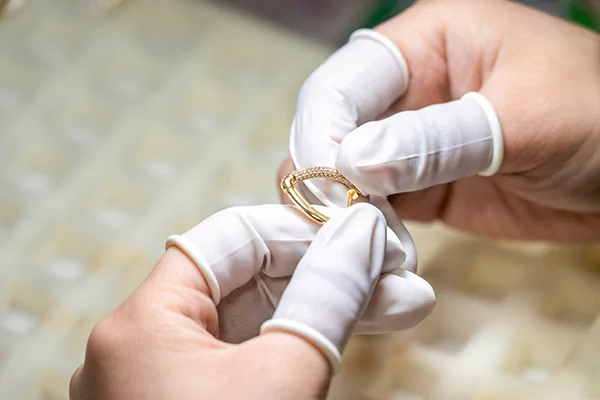
Before selecting a supplier, determine whether you are dealing with a silver jewelry factory or a trading company.
A direct manufacturer usually has its own production facilities and can control more manufacturing processes. A trading company may work with multiple factories and act as an intermediary between the buyer and manufacturer.
| Factor | Direct Manufacturer | Trading Company |
|---|---|---|
| Production control | High | Depends on factory |
| Customization | Usually flexible | Depends on suppliers |
| Communication | Direct with factory | Through intermediary |
| Pricing | Potentially more competitive | May include additional margin |
| Quality control | More direct | Depends on partner factories |
| OEM/ODM | Usually available | Depends on supplier network |
This does not mean every trading company is unreliable. However, if you need custom silver jewelry manufacturing, direct communication with the actual factory can make product development and quality control easier.
For brands planning long-term production, a China silver jewelry factory with established manufacturing capabilities may be worth considering
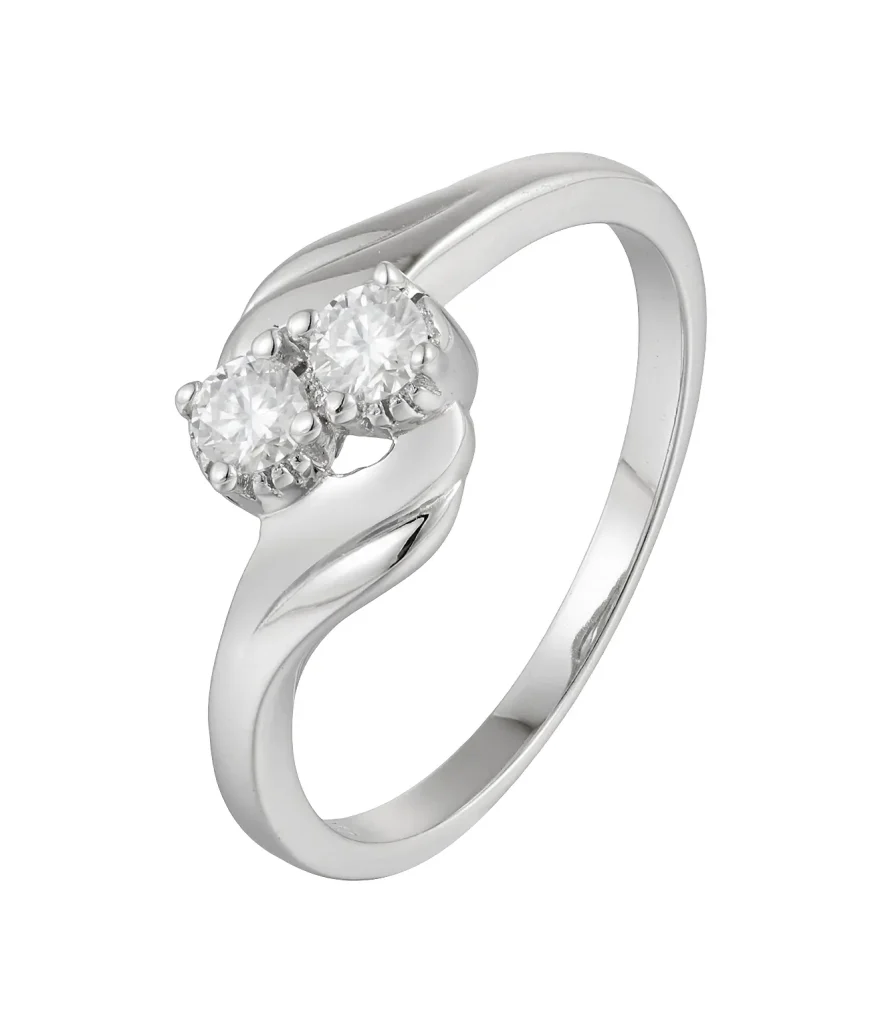
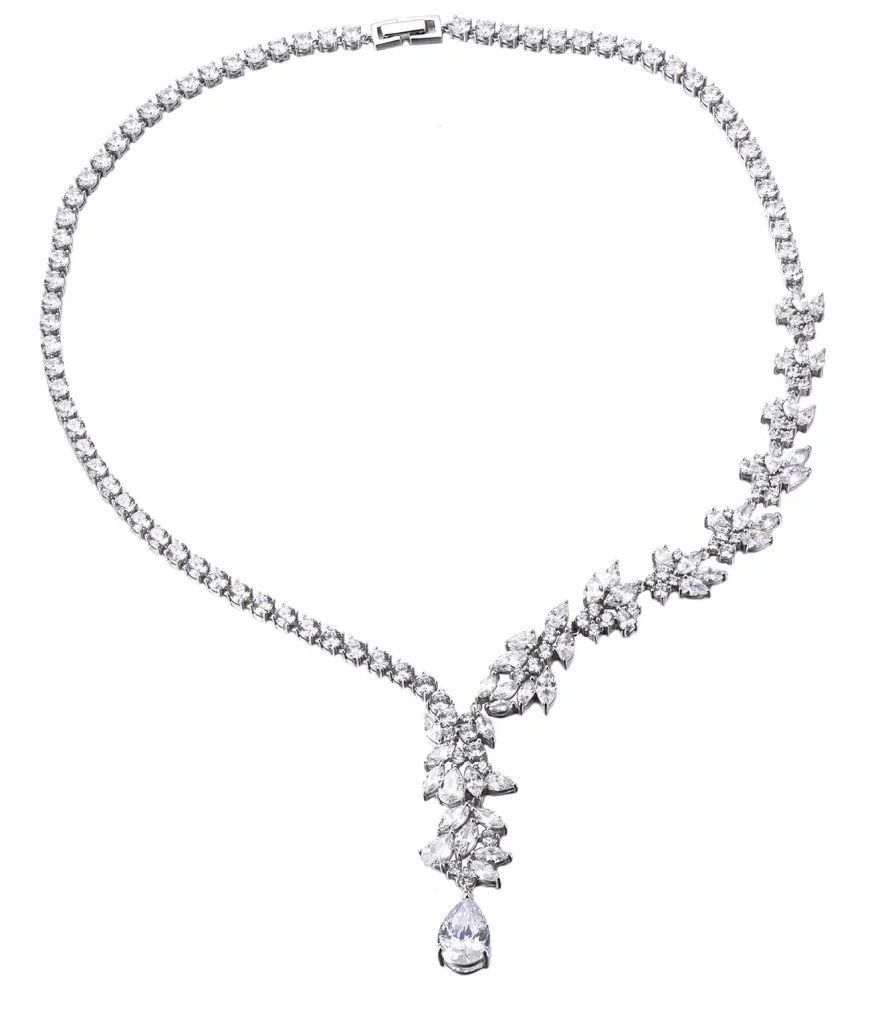
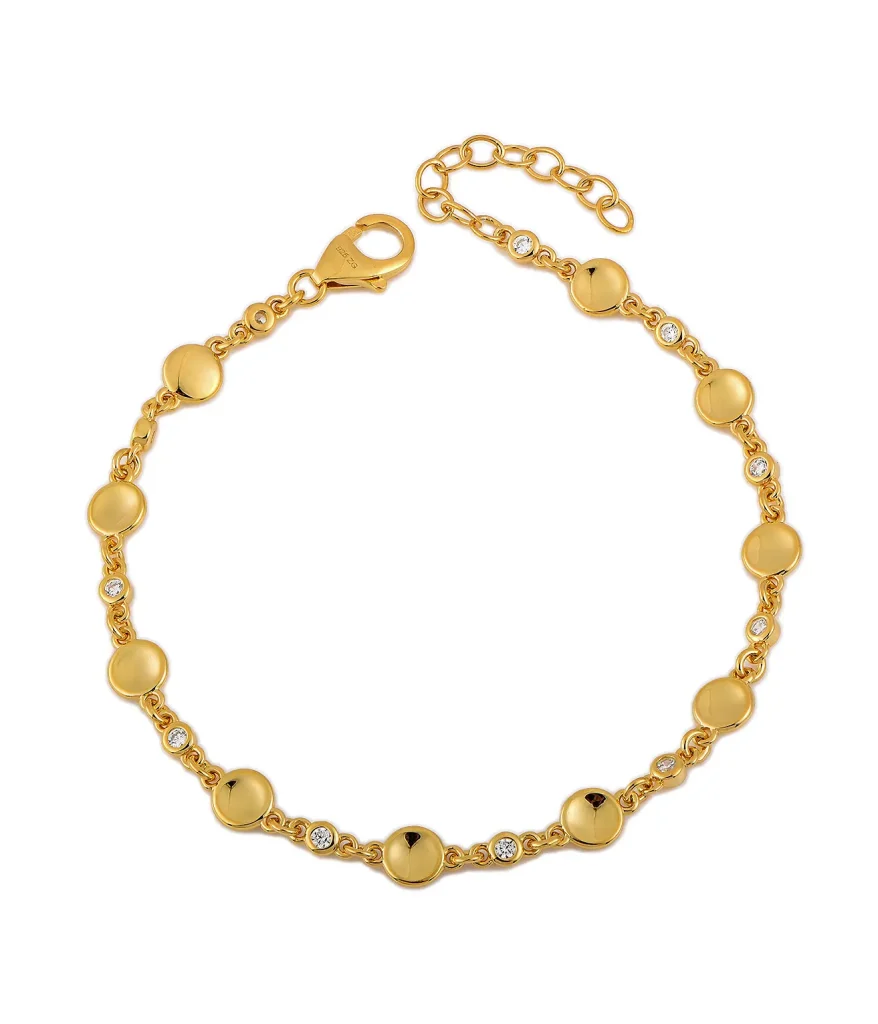
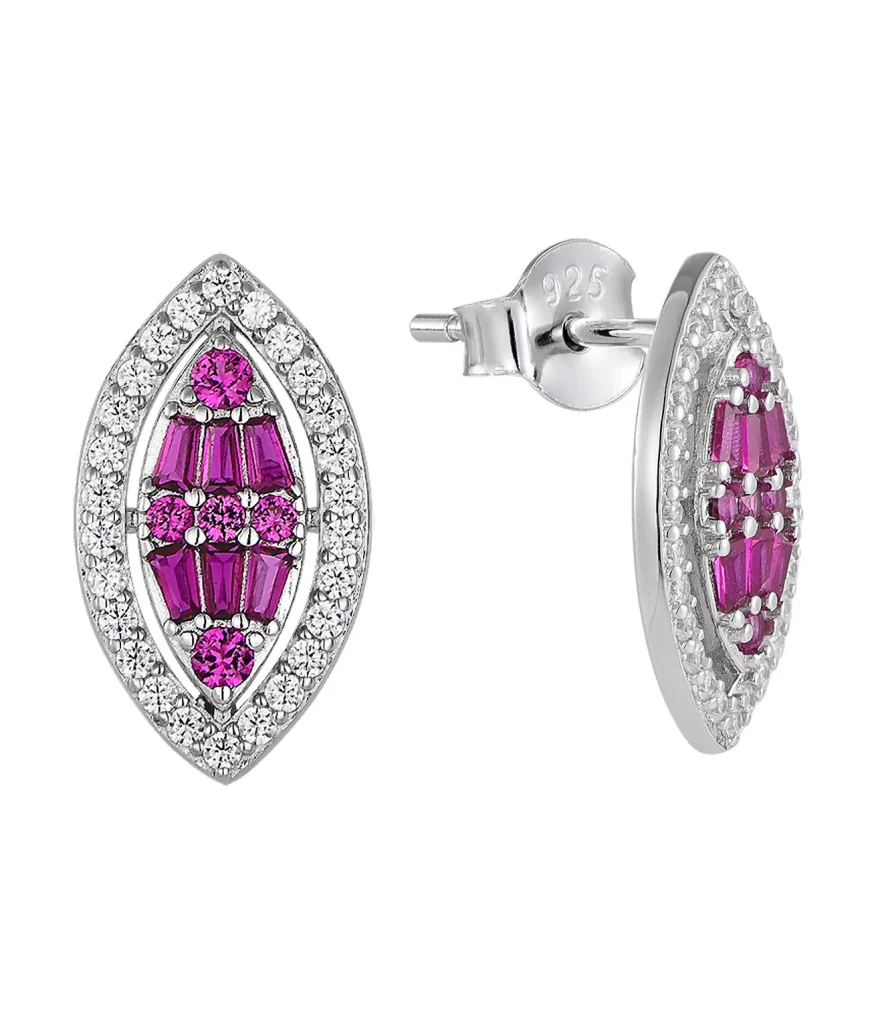
Check the Silver Material and Product Quality
Material quality should be one of the first things you verify when choosing a 925 silver jewelry manufacturer.
Sterling silver jewelry is commonly made with 92.5% silver, with the remaining percentage consisting of other metals used to improve durability and workability.
Before ordering, ask the manufacturer:
- What silver alloy do you use?
- Can you provide material documentation?
- Is the jewelry stamped 925 where appropriate?
- How do you control material consistency?
- What plating options are available?
- How do you test finished products?
If your target market is Europe or North America, you should also discuss applicable product safety and chemical compliance requirements.
A professional sterling silver jewelry manufacturer should be able to clearly explain its materials, manufacturing processes, plating options, and quality control procedures.
Evaluate the Manufacturer’s Production Capabilities
A supplier may have attractive product photos but limited manufacturing capabilities. This can become a problem when you move from samples to larger orders.
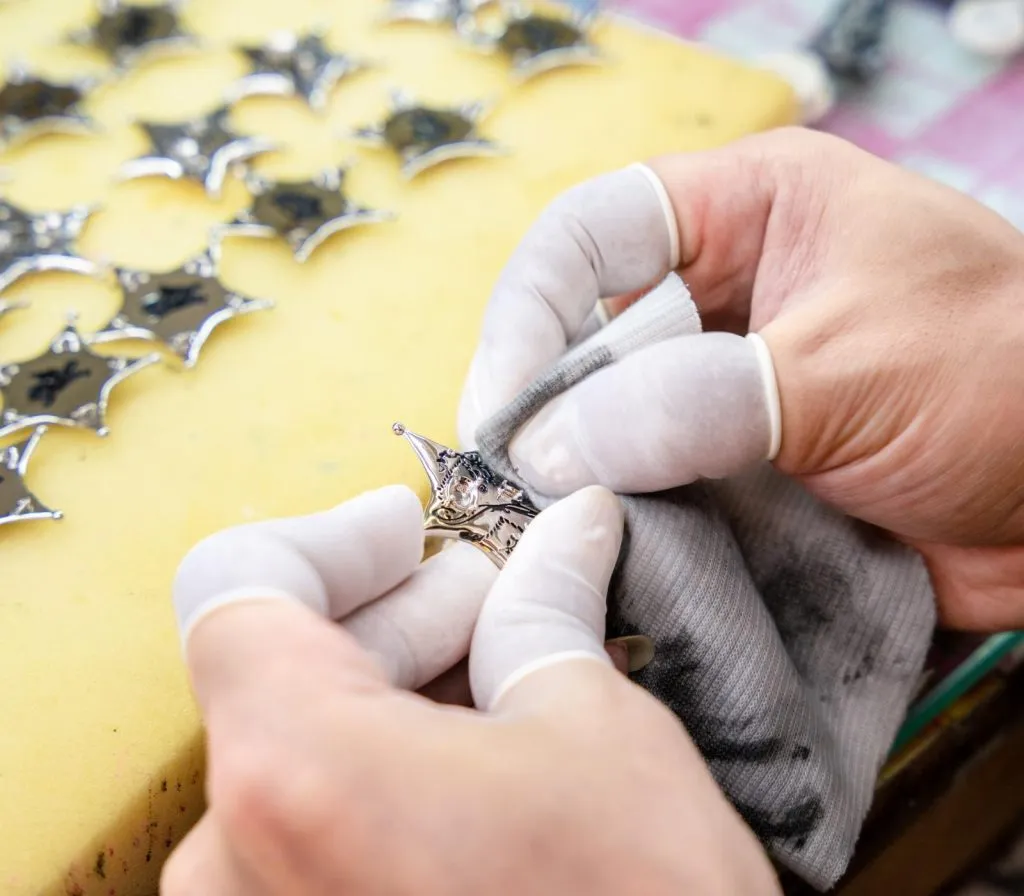
When evaluating a silver jewelry factory, ask what processes are handled in-house.
Depending on your product requirements, useful capabilities may include:
- CAD jewelry design
- 3D modeling
- Mold making
- Wax modeling
- Casting
- Stone cutting and setting
- Polishing
- Electroplating
- Laser engraving
- Assembly
- Quality inspection
- Custom packaging
A manufacturer with more integrated production capabilities can make communication and quality control easier, particularly for complex custom jewelry projects.
For example, a custom sterling silver jewelry manufacturer should be able to take your design concept and explain how it will be developed into a manufacturable product.
Check MOQ Before Requesting a Quote
MOQ, or minimum order quantity, is another important factor for B2B jewelry buyers.
Large factories sometimes require high MOQs because their production processes are optimized for large-volume orders. However, this may not work for startups, independent designers, boutiques, or brands testing new collections.
If you are launching a small collection, search specifically for a low MOQ silver jewelry manufacturer.
Before placing an order, ask:
- What is the MOQ per design?
- Is the MOQ different for custom and ready-made products?
- Can multiple designs be combined into one order?
- Is there a different MOQ for different plating colors?
- Does packaging have a separate MOQ?
- Are sample orders available?
For example, Endless Jewellery supports B2B jewelry projects with a MOQ starting from around 30 pieces per design, depending on the product and customization requirements.
The best MOQ is not necessarily the lowest one. It should match your inventory strategy and production requirements.
Look for OEM, ODM, and Custom Jewelry Services
If you are building your own jewelry collection, standard wholesale products may not be enough.
A custom silver jewelry manufacturer can help turn your designs, sketches, reference images, or specifications into finished jewelry.
OEM Silver Jewelry Manufacturing
OEM manufacturing is suitable when you already have your own designs or product specifications.
The manufacturer typically handles production according to your requirements.
ODM Jewelry Manufacturing
ODM can be useful when you need help developing products from an initial concept.
The manufacturer may provide design, CAD development, prototyping, and manufacturing support.
Private Label Silver Jewelry
A private label silver jewelry manufacturer produces jewelry that is sold under your brand name.
Depending on the manufacturer, private label services may include:
- Custom designs
- Brand logos
- Engraving
- Custom packaging
- Jewelry cards
- Product development
- Customized plating
- Collection developmen
If brand differentiation is important to your business, look for an OEM silver jewelry manufacturer that can support the entire product development process rather than simply selling ready-made designs.
Evaluate Quality Control
Quality control is one of the biggest differences between a professional manufacturer and an unreliable supplier.
Do not only inspect the final product. Ask how quality is controlled throughout production.
A professional silver jewelry manufacturer may inspect:
- Raw materials
- Casting quality
- Product dimensions
- Stone setting
- Surface finishing
- Polishing
- Plating
- Logo or engraving
- Final appearance
- Packaging
For plated jewelry, you should also discuss plating specifications, including the type of plating, color consistency, and thickness where relevant to your product requirements.
If you are ordering hundreds or thousands of pieces, consistent production quality is much more important than simply receiving one excellent sample.
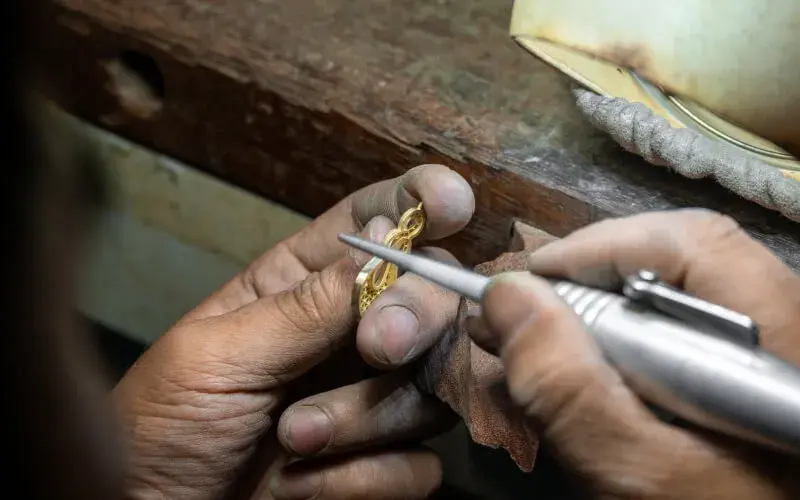
Ask About Samples and Production Lead Times
Never judge a manufacturer only from photographs.
For custom jewelry, ordering a sample allows you to evaluate:
- Size and dimensions
- Weight
- Material
- Surface finishing
- Stone setting
- Plating appearance
- Logo placement
- Packaging
- Overall craftsmanship
Ask the supplier for a clear production schedule before starting.
For example, a typical custom project may include:
Design → CAD → 3D approval → Sample → Sample revision → Final approval → Bulk production → Quality inspection → Shipping
At Endless Jewellery, new custom samples generally take around 7–10 days, while bulk production commonly takes around 20–30 days after sample approval, depending on product complexity and order quantity.
Always confirm the actual timeline for your specific project rather than relying on a general production estimate.
How to Evaluate a Jewelry Supplier Before Ordering
If you are comparing several B2B silver jewelry suppliers, use the same questions for each supplier.
This makes it easier to compare factories objectively instead of choosing based only on price.
Jewelry Manufacturer Checklist
Is the company an actual manufacturer or a trading company?
Can they provide information about their factory?
Do they manufacture 925 sterling silver jewelry?
Can they provide material information or documentation?
Do they offer OEM or ODM services?
Can they manufacture custom jewelry?
What is the MOQ per design?
What is the sample lead time?
What is the bulk production lead time?
What quality control procedures are used?
Can they provide custom packaging?
Can they support private label production?
Do they have experience exporting to your target market?
Are communication and quotation details clear?
This jewelry manufacturer checklist can help you compare suppliers more systematically.
Don't Choose a Supplier Based Only on Price
Price is important, but it should not be the only factor.
A lower quotation may sometimes result from:
- Lower material specifications
- Thinner plating
- Simplified manufacturing processes
- Lower quality control standards
- Different stone grades
- Less finishing work
- Higher defect rates
Instead of asking only, “Who offers the lowest price?”, ask:
“What exactly is included in this price?”
Compare suppliers based on the same specifications, including material, weight, dimensions, plating, stones, packaging, MOQ, and production requirements.
This gives you a more accurate understanding of the real manufacturing cost.
Why China Is a Popular Choice for Silver Jewelry Manufacturing
China is a major sourcing option for silver jewelry because its manufacturing supply chain covers processes such as casting, stone setting, polishing, electroplating, and packaging. Buyers may also find factories offering OEM, ODM, and private label services.
However, manufacturing capabilities vary by supplier. When sourcing silver jewelry from China, verify the actual factory, material specifications, quality control procedures, production capacity, and delivery schedule instead of relying on location or price alone.
Why Work With a Direct Silver Jewelry Factory?
For jewelry brands, wholesalers, and retailers, working directly with a silver jewelry manufacturer can make production communication and quality requirements easier to coordinate.
Endless Jewellery is a jewelry manufacturer based in Panyu, Guangzhou, China, with more than 15 years of jewelry production experience. We support B2B OEM, ODM, private label, and custom jewelry projects, with capabilities including CAD development, casting, polishing, stone setting, electroplating, and quality inspection.
Our MOQ starts from around 30 pieces per design, depending on the product and customization requirements. Custom samples generally take 7 to 10 days, while bulk production commonly takes 20 to 30 days after sample approval.
Before starting a project, buyers can share their product requirements, target quantity, material specifications, and customization needs to confirm feasibility, pricing, and lead time.
Final Thoughts
Choosing the right silver jewelry manufacturer is about more than finding the lowest quotation
For B2B buyers, the best supplier should combine:
Material Quality + Manufacturing Capability + Quality Control + Customization + Competitive MOQ + Clear Communication + Reliable Delivery
Whether you are looking for a 925 silver jewelry manufacturer, custom silver jewelry manufacturer, OEM silver jewelry manufacturer, private label silver jewelry manufacturer, or wholesale silver jewelry supplier, evaluate the supplier based on your long-term business requirements.
Before placing a large order, start with samples, verify specifications, compare production capabilities, and use a clear jewelry manufacturer checklist.
The right manufacturing partner can help you develop better products, reduce production risks, and build a more reliable jewelry supply chain.
Frequently Asked Questions
1.1.How do I find a reliable silver jewelry manufacturer?
To find a reliable silver jewelry manufacturer, shortlist factories that specialize in your product category and verify their production capabilities, material specifications, MOQ, sampling process, quality control, and lead times. Request samples, compare written quotations using the same specifications, and confirm the agreed requirements before placing a bulk order.
2.How do I know if a silver jewelry manufacturer is reliable?
Check whether the manufacturer can provide clear material specifications, consistent samples, defined quality control procedures, realistic production timelines, and transparent quotations. For custom projects, confirm all product specifications before bulk production.
3.What should I ask a silver jewelry manufacturer before placing an order?
Ask about material composition, plating, MOQ, sample costs, sample lead time, bulk production time, quality inspection, customization, packaging, and shipping. For custom jewelry, also confirm dimensions, weight, logo requirements, and the approved sample before production.
4.Is China good for silver jewelry manufacturing?
China has a mature jewelry manufacturing supply chain and many factories specializing in sterling silver, custom jewelry, OEM, ODM, and private label production. However, buyers should evaluate individual manufacturers rather than choosing solely based on location.
5.What is the difference between a silver jewelry supplier and manufacturer?
A silver jewelry supplier may sell products made by other companies, while a manufacturer is directly involved in producing jewelry through its own production operations or managed manufacturing facilities. For B2B buyers, the key is to confirm who handles production, quality control, customization, and delivery before placing an order.
6.What is the typical MOQ for silver jewelry?
MOQ varies by manufacturer and product. Ready-made jewelry may have different MOQs from custom designs. Some low MOQ silver jewelry manufacturers support small-batch production, making them suitable for startups and growing brands.
7.Can a silver jewelry manufacturer make custom designs?
Yes. Many manufacturers offer custom jewelry services based on CAD files, sketches, technical drawings, reference products, or concepts. Ask whether the manufacturer provides CAD development, prototyping, and sample revisions.
8.How long does custom silver jewelry manufacturing take?
The timeline depends on design complexity, sample revisions, order quantity, and production processes. A typical custom project may require several stages from CAD development and sampling to bulk production.
9.How can I check whether 925 silver jewelry is good quality?
Ask about the silver specification, material documentation, product weight, craftsmanship, plating, stone setting, and quality control process. For commercial orders, request samples and relevant compliance documentation where applicable.
Quick Answer: How to Find a Reliable Silver Jewelry Manufacturer
To find a reliable silver jewelry manufacturer, compare factory capabilities, 925 sterling silver specifications, MOQ, sample quality, production lead times, and quality control procedures. Verify the supplier’s manufacturing role, request samples when possible, and confirm all product specifications and commercial terms before placing a bulk order.
Have a jewelry design idea or some questions?