How Is Gold Filled Jewelry Made? A Manufacturing Guide
Table of Contents
Gold filled jewelry is made by bonding a layer of gold to a base metal, commonly brass or copper, through a manufacturing process designed to create a durable composite material. Unlike conventional gold plated jewelry, which uses a deposited surface coating, traditional gold filled material is produced by mechanically bonding gold to the base metal under controlled heat and pressure.
For jewelry brands, wholesalers, and product developers, understanding how gold filled jewelry is made helps clarify material specifications, product labeling, durability expectations, and supplier claims. This guide explains the traditional gold filled manufacturing process, the meaning of 1/20 14KGF, and the key differences between gold filled and gold plated jewelry.
What is Gold Filled Jewelry?
Gold filled jewelry is made from a composite material in which a layer of gold is mechanically bonded to a base metal. Brass and copper are commonly used as core materials, although the exact construction depends on the product specification.
Gold filled is not simply another name for gold plated jewelry. Traditional gold filled material uses a mechanically bonded gold layer, while gold plated jewelry is generally made by depositing gold onto a surface through an electrochemical or other coating process. The two categories differ in construction, gold content requirements, manufacturing methods, and price positioning.
Gold vermeil is another distinct category. Under the U.S. Federal Trade Commission’s Jewelry Guides, vermeil refers to gold of at least 10 karat fineness applied to a sterling silver base, with a minimum thickness of 2.5 microns. Buyers should confirm the applicable market requirements and supplier specifications before using these terms in product descriptions.
For jewelry brands, the most important step is to verify the actual material structure, gold fineness, layer specifications, and supporting documentation rather than relying on a product name alone.
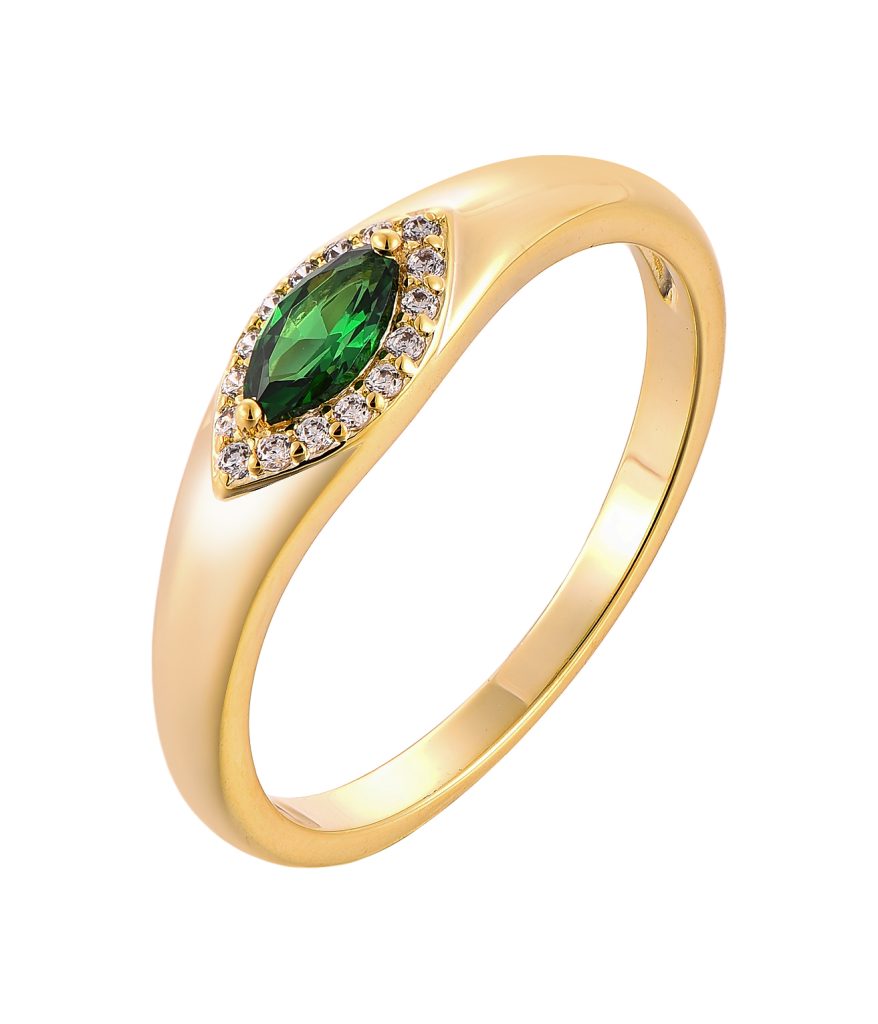


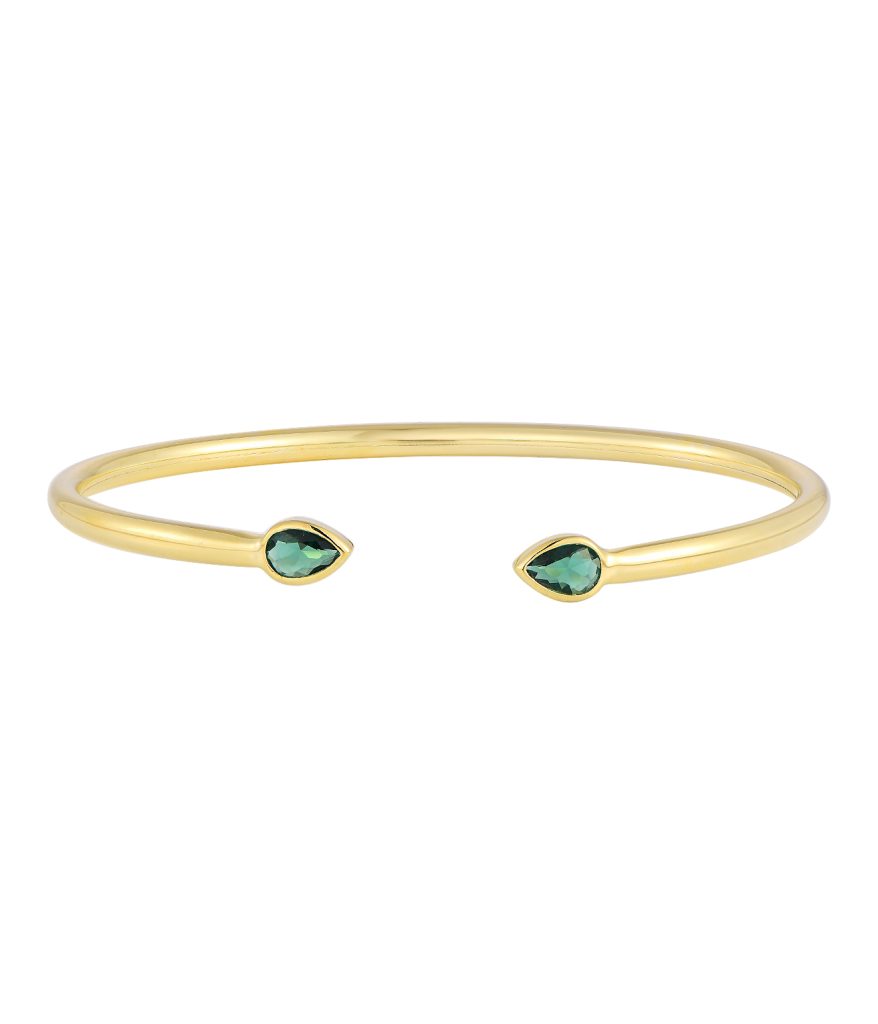
US Gold Filled Standard
For jewelry sold in the United States, the Federal Trade Commission’s Jewelry Guides provide guidance on the use of terms such as gold filled, gold overlay, and rolled gold plate.
Under the FTC’s guidance, a product described as gold filled generally uses a mechanical process to apply a gold alloy layer of at least 10 karat fineness. The coating should meet the applicable thickness and durability expectations, and the gold layer should account for at least 1/20 of the metal weight of the entire article under the relevant marking guidance.
The designation 1/20 14K GF indicates that the product uses 14 karat gold and that the gold layer represents one twentieth of the article’s total metal weight, where the marking is applicable and accurate.
These specifications should not be confused with gold plating thickness alone. Jewelry brands should verify the gold alloy, construction method, weight ratio, and applicable marking requirements before making material claims. Meeting a gold content specification also does not guarantee that a product will never wear, discolor, or require maintenance.
How Is Gold Filled Jewelry Made?
Traditional gold filled material is produced by mechanically bonding a layer of gold alloy to a base metal. The exact manufacturing steps vary by material supplier, product form, and final jewelry design, but the process generally involves surface preparation, bonding, forming, and quality inspection.

1. Preparing the Base Metal
The base metal, commonly brass or copper, is prepared to create a clean and suitable surface for bonding. Surface contamination, oxidation, and defects can affect the quality of the finished composite material. Material preparation must follow the requirements of the selected manufacturing process.
2. Bonding the Gold Alloy to the Base Metal
A layer of gold alloy is mechanically bonded to the base metal using controlled heat and pressure. The gold alloy must meet the required karat fineness, and the resulting composite material must comply with the applicable gold filled specifications.
The bonding process is different from conventional electroplating. Gold filled material is defined by its construction and applicable material requirements, not simply by the appearance of a gold colored surface.
3. Forming the Composite Material
After bonding, the composite material may be rolled into sheets or processed into wire, depending on the intended application. These intermediate materials can then be used to manufacture jewelry components such as chain links, wire forms, and other suitable parts.
The forming process must preserve the integrity of the bonded gold layer. The appropriate production method depends on the material structure and the geometry of the final product.
4. Manufacturing and Finishing the Jewelry
The prepared material is shaped into components and assembled into the required jewelry design. Depending on the product, manufacturing may include cutting, forming, joining, polishing, and other finishing operations.
The design and production method should be selected to suit the composite material. Complex shapes and finished jewelry components may require different processes from those used to manufacture the original gold bonded sheet or wire.
5. Quality Inspection and Material Verification
Before the material or finished jewelry is approved, manufacturers and buyers should verify the relevant specifications. Checks may include gold alloy fineness, gold layer construction, weight ratio, surface appearance, bonding integrity, and conformity with the agreed product requirements.
For B2B orders, buyers should request clear material declarations and supporting test documentation when needed. Visual appearance alone cannot confirm whether a product meets the applicable gold filled requirements.
Gold Filled vs. Electroplating
Mechanical bonding and electroplating are different manufacturing approaches. Traditional gold filled material uses a mechanically bonded gold alloy layer, while electroplating deposits gold onto a surface through an electrochemical process. The appropriate product description depends on the actual construction, material specifications, and applicable industry guidance.
The differences between bonding methods can also affect how gold bonded materials are described and evaluated. Learn more about mechanical and chemical bonding in gold filled jewelry and the terminology used to explain these processes.

How to Identify and Test Gold Filled Jewelry
Identifying gold filled jewelry requires more than checking its color or surface appearance. Jewelry brands and wholesale buyers should verify the product marking, material construction, gold alloy specifications, and supporting documentation.
Check the Gold Filled Marking
Markings such as 1/20 14K GF can provide information about the gold alloy and its proportion in the article. However, a stamp alone does not prove that a product complies with the relevant requirements. Buyers should confirm that the marking matches the actual material specifications.
Review Material Declarations
Request documentation identifying the base metal, gold alloy fineness, bonding method, and applicable weight ratio. For private label and wholesale orders, these details should be agreed upon before production and reflected in the product specification.
Arrange Appropriate Material Testing
Testing methods should be selected according to the question being investigated. X ray fluorescence analysis can help assess the elemental composition of a surface, while cross sectional examination or other suitable laboratory methods may be needed to evaluate layer structure and thickness
No single test should automatically be treated as proof of full gold filled compliance. Verification may require a combination of material analysis, construction assessment, weight calculations, and documentation review.
Inspect Surface Quality and Bonding Integrity
Inspect samples for visible defects, uneven surfaces, exposed base metal, and other signs of poor workmanship. Where appropriate, additional tests can assess the integrity of the bonded layer. The test plan should reflect the product design, intended use, and agreed quality requirements.
For B2B orders, establish acceptance criteria before mass production and retain approved samples and inspection records to support batch consistency.
For brands managing custom jewelry orders, clear inspection criteria and documented checks are also important parts of quality control during jewelry production.
Key Takeaways
Gold filled jewelry is traditionally manufactured by mechanically bonding a gold alloy layer to a base metal. Understanding the material construction, applicable gold content requirements, and manufacturing process helps jewelry brands distinguish genuine gold filled products from conventionally plated alternatives.
For wholesalers and jewelry brands, reliable sourcing starts with clear material specifications, accurate product descriptions, appropriate testing, and consistent quality inspection. These steps help buyers evaluate supplier claims and set realistic expectations for product performance.
Before placing a bulk order, confirm the gold alloy fineness, material construction, applicable marking requirements, and inspection criteria with your supplier.
FAQs About Gold Filled Jewelry
How Is Gold Filled Jewelry Made?
Traditional gold filled material is made by mechanically bonding a layer of gold alloy to a base metal under controlled heat and pressure. The material is then formed and processed into suitable jewelry components, with specifications verified against the applicable requirements.
What Does 1/20 14KGF Mean?
The marking 1/20 14K GF generally indicates that the product uses 14 karat gold and that the gold layer accounts for one twentieth of the total metal weight of the article. Buyers should verify that the marking accurately reflects the product and meets the applicable requirements.
Is Gold Filled the Same as Gold Plated?
No. Traditional gold filled material uses a mechanically bonded gold alloy layer, while conventional gold plated jewelry uses a deposited gold coating. Their construction, material requirements, and expected performance can differ.
How Can Buyers Verify Gold Filled Jewelry?
Buyers should review product markings, material declarations, gold alloy fineness, construction details, and appropriate test documentation. Visual inspection alone cannot establish whether a product meets gold filled requirements.
Does Gold Filled Jewelry Wear Out?
Gold filled jewelry can wear over time. Its performance depends on the gold layer, bonding quality, product design, friction, and care. Buyers should avoid treating gold filled as completely wear proof or tarnish proof.
What Should Jewelry Brands Check Before Ordering Gold Filled Jewelry?
Brands should confirm the material specification, gold fineness, base metal, marking requirements, sample quality, inspection criteria, and consistency between approved samples and bulk production. Written specifications help reduce misunderstandings between buyers and suppliers.
Jewelry brands developing custom collections can review our jewelry manufacturing services to understand available design, sampling, and production support.