Jewelry Stone Setting Guide: Types, Design Considerations and Quality Checks
Table of Contents
Jewelry stone setting is an important part of jewelry design and manufacturing. The setting determines how a gemstone is held in place, how it appears in the finished piece, and how the surrounding metal interacts with the stone. For jewelry brands and wholesale buyers, choosing an appropriate setting also affects design feasibility, production complexity, and quality inspection.
Different stone setting methods serve different purposes. Prong settings expose more of a gemstone, bezel settings surround its edge with metal, pavé settings create a closely arranged surface of small stones, and channel settings position stones within a continuous metal groove. Each method has its own structural requirements and design limitations.
This guide explains the main types of jewelry stone settings, the factors to consider when selecting a setting, and the quality checks buyers should discuss with their manufacturing partners before approving a sample or bulk order.
What Is Stone Setting in Jewelry Manufacturing?
Stone setting is the process of securing a gemstone, crystal, cubic zirconia, moissanite, or another decorative stone within a jewelry piece. The setting uses the surrounding metal structure or an appropriate fastening method to hold the stone in its intended position.
A stone setting has three main functions:
Stone security: It helps retain the stone under the intended conditions of use.
Visual presentation: It influences how much of the stone is visible and how the stone relates to the overall design.
Structural integration: It connects the stone to the jewelry’s metal body while maintaining the intended proportions and appearance.
Stone Type, Setting Method and Metal Structure
These three elements are related but are not interchangeable.
| Element | What It Means | Examples |
|---|---|---|
| Stone type | The material used as the decorative element | Natural gemstones, moissanite, cubic zirconia, crystals |
| Setting method | The technique used to secure the stone | Prong, bezel, pavé, channel |
| Metal structure | The material and supporting geometry around the stone | Sterling silver, gold, brass, prongs, bezels, channels |
The same stone may be suitable for different setting methods, but compatibility depends on its shape, dimensions, depth, cut, material properties, and the design of the metal structure.
For example, a round stone may be used in a prong setting or a bezel setting. However, the two designs require different supporting structures and create different visual effects.
A successful setting therefore needs to balance appearance, stone security, available space, and manufacturability. A design that looks attractive in a sketch may require adjustments if the metal around the stone is too thin, the setting geometry is unsuitable, or the stone dimensions cannot be accommodated accurately.
Common Types of Jewelry Stone Settings
The most appropriate setting depends on the jewelry design, stone specifications, desired appearance, and manufacturing requirements. The following methods illustrate common approaches used in gemstone jewelry.
1. Prong Setting
A prong setting uses small metal projections to hold a stone in place. The prongs extend around selected points of the stone and are shaped to secure it.
Prong settings are commonly used in rings, pendants, earrings, and other designs where the stone is intended to remain visually prominent.
Key characteristics:
Exposes a large portion of the stone’s surface.
Can create an open, lightweight appearance.
Can accommodate different stone shapes when the prong layout is designed appropriately.
Requires careful control of prong position, shape, contact, and finishing.
Manufacturing considerations
The number, position, and geometry of the prongs depend on the stone and the design. Prongs that are too small, poorly positioned, or unevenly finished may fail to retain the stone adequately or create an inconsistent appearance.
Prongs that are unnecessarily bulky may also obscure the stone or change the intended proportions.
During sample review, buyers should examine whether the prongs are visually consistent, appropriately positioned, and free from obvious deformation or rough finishing. Stone security should be assessed using a suitable inspection method rather than visual appearance alone.
Suitable for: Designs that emphasize the gemstone and use visible metal supports as part of the overall appearance.
2. Bezel Setting
A bezel setting holds a stone within a metal rim that surrounds some or all of its perimeter. The rim is formed or finished to retain the stone according to the design.
Bezel settings can create a clean outline and a more enclosed appearance than many prong settings.
Key characteristics:
Creates a defined metal border around the stone.
Can suit minimalist, geometric, and contemporary designs.
May help shield the stone’s edges from some direct contact, depending on the design.
Requires accurate coordination between the stone outline and the surrounding metal.
Manufacturing considerations
The bezel must accommodate the stone’s dimensions, outline, depth, and profile. Too little space may prevent proper placement or create an unsuitable fit, while excessive clearance can affect the finished appearance and retention.
The height and thickness of the bezel also influence the final proportions. A high bezel may create a more prominent profile, while a low bezel may require a carefully designed structure to achieve the intended fit.
During inspection, buyers should check the consistency of the metal rim, the alignment of the stone, the cleanliness of the edges, and any visible gaps or deformation.
Suitable for: Designs that emphasize a defined outline, a relatively enclosed stone profile, or a smooth visual transition between the stone and the surrounding metal.
3. Pavé Setting
A pavé setting places multiple small stones close together, typically using small metal beads or prongs to retain them. The arrangement creates a continuous decorative surface in which the stones are visually prominent.
Pavé is often used in rings, earrings, pendants, and decorative details on bracelets or other jewelry pieces.
Key characteristics:
Creates a dense, sparkling surface.
Depends on consistent stone spacing and alignment.
Requires precise coordination between stone dimensions and the available metal structure.
Can increase production complexity as stone size decreases or the design becomes more intricate.
Manufacturing considerations
The available space must accommodate the stones and the metal required to retain them. Stone diameter, spacing, setting depth, and the supporting structure all affect the finished result.
If stone dimensions vary beyond the tolerances allowed by the design, the pattern may appear uneven. Insufficient supporting material or poorly formed retaining features can also affect stone security.
Small-stone settings require particular attention to detail because minor differences may be more noticeable when many stones are arranged together.
During sample review, check the regularity of the pattern, visible spacing, surface consistency, and the condition of the retaining features. Any stone-security assessment should follow an appropriate inspection procedure.
Suitable for: Designs that require closely arranged small stones or a decorative, stone-covered surface.
4. Channel Setting
A channel setting positions a row of stones within a groove formed by parallel metal walls. The surrounding metal holds the stones along the channel without requiring a separate visible prong around each stone.
This setting is commonly used for bands, rings, bracelets, and linear decorative details.
Key characteristics:
Creates an orderly row of stones.
Produces a relatively continuous visual line.
Requires accurate stone sizing and channel dimensions.
Depends on consistent alignment between the stones and the metal walls.
Manufacturing considerations
The channel width, depth, and wall geometry must match the intended stone dimensions and arrangement. Differences in stone size, shape, or depth may affect spacing and the final surface profile.
The design must also account for the amount of metal required to retain the stones. Channel walls that are too thin or improperly formed may not provide the intended support.
During inspection, buyers should look for consistent stone alignment, a uniform row, clean channel edges, and obvious gaps, damage, or irregularities.
Suitable for: Designs that use linear stone arrangements and a relatively continuous metal-and-stone appearance.
5. Other Stone Setting Styles
Other setting styles may include flush settings, shared-prong settings, cluster settings, and combination settings. Their availability depends on the manufacturer’s actual production capabilities and the requirements of the specific project.
A flush setting places a stone within a prepared opening so that the stone sits close to the surrounding metal surface. A shared-prong arrangement allows adjacent stones to share retaining features. Cluster settings group stones together to create a larger visual composition.
Combination settings use more than one setting method within the same piece. For example, a design may use a central bezel-set stone with smaller pavé-set stones around it.
For custom jewelry projects, buyers should confirm that the proposed setting method is feasible for the selected stone, base metal, product dimensions, and intended production quantity.

How to Choose a Setting for Your Jewelry Design
Selecting a setting involves more than choosing the appearance you prefer. The design must also accommodate the stone, metal structure, product function, and manufacturing process.
1. Consider the Jewelry Type and Intended Appearance
Start with the role the stone plays in the design.
A statement ring may use a prominent prong setting to emphasize a central gemstone. A minimalist pendant may benefit from a bezel setting that creates a clean outline. A decorative band may use pavé or channel settings to create a repeated pattern.
Consider the desired visual effect, including:
How much of the stone should remain visible.
Whether the metal should be prominent or discreet.
Whether the design requires one focal stone or multiple stones.
How the setting should relate to the overall silhouette.
Whether the finished piece needs a low-profile or raised appearance.
The setting should support the design rather than compete with it.
2. Match the Setting to the Stone's Shape and Dimensions
Stone compatibility is one of the most important design considerations.
Before selecting a setting, confirm the stone’s:
Shape, such as round, oval, pear, square, or rectangular.
Length, width, and depth.
Cut and profile.
Material and relevant physical characteristics.
Dimensional tolerances and consistency across the order.
Two stones with the same nominal length and width may still differ in depth or profile. Those differences can affect how they sit within a setting.
For designs involving multiple stones, consistency in stone dimensions is especially important. A repeated pattern may become difficult to maintain if the stones vary beyond the allowances built into the design.
Stone specifications should therefore be confirmed before the final setting dimensions are approved.
3. Evaluate the Metal Structure and Available Space
The metal structure needs sufficient space to accommodate the stone and the retaining features.
For prong settings, the design must provide suitable support around the stone. For bezel settings, the surrounding rim needs appropriate geometry. For pavé and channel settings, the layout must allow for the stones, their spacing, and the metal that secures them.
The choice of base metal and the geometry of the jewelry piece can also affect how the setting is manufactured and finished.
When developing a custom design, consider:
The thickness of the surrounding metal.
The available space beneath and around the stone.
The height of the setting above the jewelry surface.
The relationship between adjacent stones.
The effect of polishing and finishing on small structural details.
The exact dimensions should be determined from the approved design and the requirements of the selected materials and stones, rather than from a universal setting specification.
4. Balance Product Positioning, Cost and Production Complexity

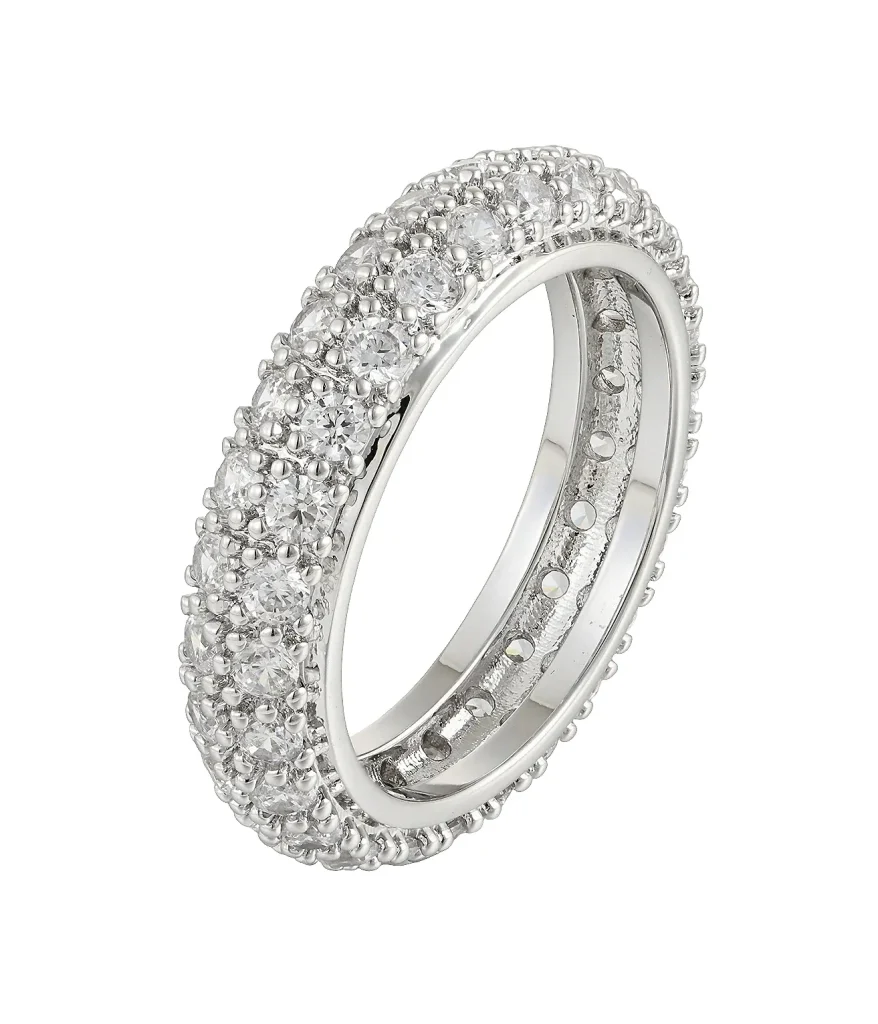
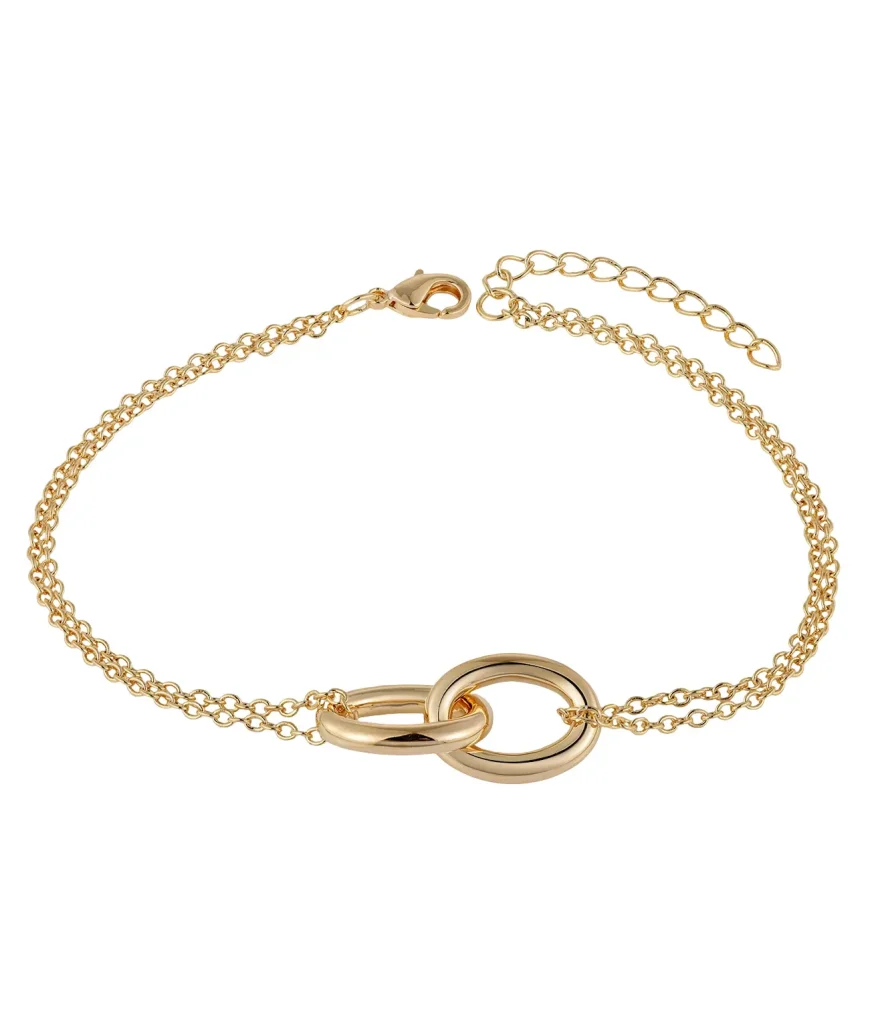
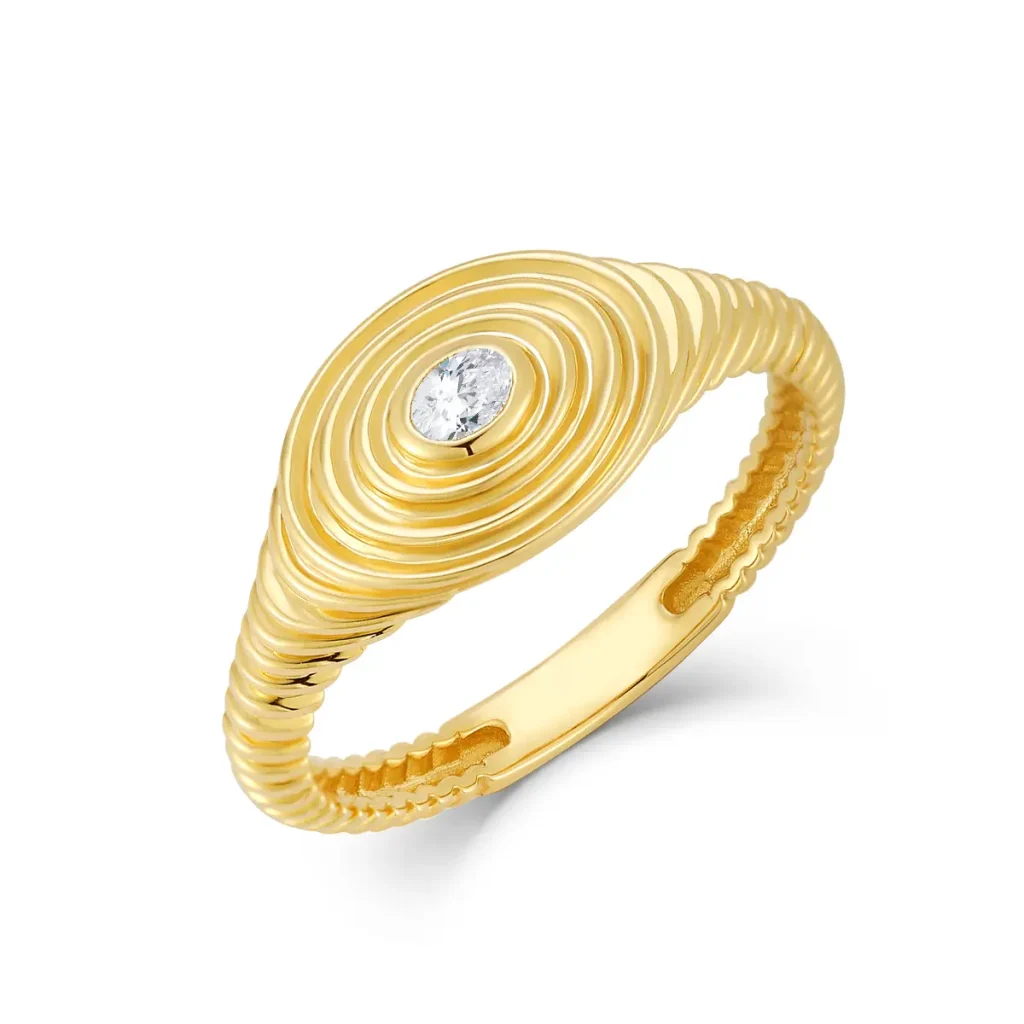
More intricate settings may require additional design work, careful stone matching, more detailed manual operations, or more demanding inspection.
For example, a pavé design with many small stones can involve more individual setting operations than a design with one central stone. A combination setting may require coordination between several different retaining structures.
When evaluating options, buyers should consider the total manufacturing requirements rather than comparing setting methods by appearance alone.
Discuss the following with your manufacturer:
The number and type of stones.
The complexity of the setting geometry.
The expected material usage.
The production and finishing requirements.
The level of consistency required across the collection.
The inspection criteria for the finished product.
The best choice is the setting that achieves the desired appearance while remaining practical to manufacture at the required quality level and production quantity.
How Stone Setting Affects Jewelry Manufacturing
Stone setting is closely connected to design development, dimensional accuracy, and finishing. These factors should be considered before the physical sample is produced.
1. Setting Geometry Must Be Considered During CAD Design
Computer-aided design (CAD) allows the manufacturer to review the three-dimensional relationship between the stone, its retaining structure, and the rest of the jewelry piece.
For stone-set jewelry, the CAD model may need to account for:
Stone position and orientation.
Stone dimensions and depth.
Prong, bezel, or channel geometry.
Spacing between adjacent stones.
Metal thickness and supporting structure.
Clearances between the setting and nearby components.
A visually attractive model does not automatically guarantee that every detail can be manufactured as designed. The setting must also be compatible with the selected stones, production method, and finishing requirements.
For a custom project, buyers should confirm that the stone specifications used during design development match the stones intended for production.

2. Stone Dimensions and Setting Tolerances Must Work Together
The setting is designed around a specific stone geometry. Differences between the intended and actual stone dimensions can affect fit, alignment, and retention.
For example, a stone that is deeper than expected may change the required setting depth or the profile of the finished piece. Variations in the dimensions of small stones may also affect the spacing of a pavé or channel arrangement.
Before sampling, buyers and manufacturers should agree on the relevant stone specifications and dimensional tolerances.
Where natural stones are used, variation in individual stones may require additional consideration. The appropriate approach depends on the stone type, the design, and the required consistency of the finished product.
3. Stone Setting and Surface Finishing Need to Be Coordinated
Stone setting must be coordinated with other production operations, including polishing, assembly, and electroplating where applicable.
The appropriate sequence depends on the jewelry design, stone material, setting method, and finishing requirements.
Some components may need polishing before the stones are installed. Other details may require careful finishing around an already completed setting. Certain stones may also have limitations regarding exposure to heat, chemicals, or mechanical operations.
The manufacturing plan should therefore establish the suitable sequence for the specific product rather than assume that every design follows the same process.
For plated jewelry, buyers should confirm how the intended finish will be achieved around the setting and whether the stones and retaining features require any special handling.
4. Complex Settings Should Be Evaluated During Sampling
A sample provides an opportunity to evaluate the actual construction, proportions, and workmanship before bulk production.
During sample development, the manufacturer and buyer can review:
Whether the stones fit the intended positions.
Whether the setting matches the approved design.
Whether the proportions and overall appearance are correct.
Whether the retaining features can be finished as intended.
Whether the design requires adjustments before bulk production.
For more information about this stage, see our custom jewelry sampling service.
Resolving design issues at the sample stage can help reduce avoidable revisions during mass production.
How to Check Stone Setting Quality
Stone setting quality should be evaluated against the approved design, physical sample, and agreed product specifications. A setting that looks attractive is not necessarily secure, and visual inspection alone may not identify every structural issue.
The following checks focus specifically on the characteristics of different setting methods.
1. Check Stone Position and Alignment
Confirm that the stones occupy the intended positions and match the approved design.
For single-stone settings, examine the stone’s orientation, centering, and relationship to the surrounding metal. For designs with multiple stones, check the consistency of the pattern, spacing, and alignment.
Depending on the design, relevant checks may include:
Correct stone quantity and placement.
Consistent orientation of shaped stones.
Alignment of stones in rows or clusters.
Consistency of the overall visual pattern.
Conformity with the approved sample or drawing.
The acceptable level of variation should be established according to the product specifications rather than judged solely by subjective preference.
2. Inspect the Retaining Structure
Each setting method has its own structural features that require attention.
| Setting Type | Key Inspection Points |
|---|---|
| Prong setting | Prong position, shape, symmetry, finishing, and appropriate stone retention |
| Bezel setting | Rim consistency, stone alignment, edge finishing, and visible gaps or deformation |
| Pavé setting | Stone spacing, pattern consistency, retaining features, and visible damage |
| Channel setting | Channel alignment, wall condition, stone spacing, and consistency along the row |
| Flush setting | Stone seating, surrounding metal condition, surface profile, and retention |
These checks help identify visible workmanship problems, but the appropriate inspection method depends on the construction and risk associated with the particular design.
3. Check for Loose, Missing or Damaged Stones
Stone retention is an important part of finished-product quality.
Inspection should identify missing stones, visibly damaged stones, obvious movement, or other signs that a stone may not be properly secured.
Where appropriate, a trained inspector or qualified jeweler can use a suitable tactile or mechanical assessment to evaluate stone security. The method should be appropriate for the stone and setting so that the inspection itself does not damage the product.
Do not assume that a stone is secure simply because it appears correctly positioned. Similarly, do not apply an arbitrary force test to every product without an agreed procedure.
For larger production orders, buyers should establish the applicable inspection method and acceptance criteria before production begins.
4. Inspect Surface Finish Around the Setting
The surrounding metal should be checked for visible defects that affect the appearance or workmanship of the finished piece.
Look for:
Scratches or rough finishing.
Deformed or uneven retaining features.
Visible gaps inconsistent with the approved design.
Polishing marks around the stone.
Plating irregularities, where plating is applicable.
Damage to the stone or surrounding metal.
The importance of each check depends on the design and product specifications. For example, a decorative feature may intentionally include a visible metal border, while a pavé design may require a more uniform surface appearance.
Buyers should compare the finished product with the approved sample and the agreed finishing requirements.
5. Establish Clear Acceptance Criteria
A practical inspection process starts before production, not after the goods are completed.
For custom jewelry orders, define the relevant quality requirements in advance. These may include the approved stone type, dimensions, quantity, setting method, placement, visual consistency, acceptable workmanship, and any applicable functional checks.
Endless Jewellery describes its broader jewelry quality control process as covering material checks, in-process inspection, structural details, stone setting, surface finishing, and final inspection. For a specific project, buyers should confirm which inspection criteria and procedures apply to their order.
Clear acceptance criteria help the buyer and manufacturer evaluate the same product requirements and reduce misunderstandings during sample approval and bulk production.

What Buyers Should Confirm Before Sampling
Before requesting a sample, buyers should prepare a clear stone-setting specification. This gives the manufacturer the information needed to assess the design and identify questions that may affect production.
Use the following checklist when preparing a custom jewelry project.
Stone Setting Specification Checklist
1. Stone information
Stone material and type.
Stone shape and dimensions.
Stone quantity per piece.
Stone color and other appearance requirements.
Any relevant dimensional tolerances.
2. Setting design
Preferred setting method, if already determined.
Reference images, sketches, or technical drawings.
Stone placement and orientation.
Desired setting height and overall proportions.
Details that must match an existing product or collection.
3. Metal and finishing requirements
Base metal, such as 925 sterling silver, gold, or brass, as applicable.
Required surface finish and plating specifications, where relevant.
Visible metal details around the stone.
Any special requirements for polishing or finishing near the setting.
4. CAD and sample approval
Existing CAD file, if available.
Required dimensions and other product specifications.
Areas that require particular attention during sample review.
How revisions should be communicated and approved.
5. Quality requirements
Acceptable stone alignment and appearance.
Relevant checks for the selected setting type.
Requirements for stone security and visible workmanship.
Approved sample or drawing to use as the production reference.
Any agreed inspection criteria for bulk orders.
Not every project needs a fully developed technical drawing at the inquiry stage. However, providing as much accurate information as possible helps the manufacturer evaluate the design more efficiently.
If you are developing a new collection, Endless Jewellery’s custom jewelry sampling service can support project discussions involving design references, material selection, CAD development, sample production, and revisions.
Frequently Asked Questions About Jewelry Stone Setting
1.Which stone setting is suitable for custom jewelry?
The most suitable setting depends on the stone’s shape and dimensions, the desired appearance, the metal structure, and the manufacturing requirements. Prong settings can emphasize a central stone, bezel settings create a defined metal border, pavé settings arrange small stones closely together, and channel settings create a row of stones within a metal groove. The final choice should be assessed against the specific design.
2.Which setting works with small gemstones?
Pavé settings are commonly used for closely arranged small gemstones. However, the suitability of pavé depends on the stone dimensions, available metal, spacing, and required retaining structure. Small stones can also be used in other setting styles when the design and manufacturing process support them.
3.Can manufacturers customize stone setting designs?
Custom stone setting designs may be developed from sketches, reference images, technical drawings, or CAD files. The manufacturer needs to assess the stone specifications, metal structure, design complexity, and production requirements to determine feasibility. For custom jewelry, CAD review and physical sampling can help confirm the design before bulk production.
4.How can buyers check stone setting quality?
Buyers should compare the finished product with the approved design and sample, check stone position and alignment, inspect the retaining structure, look for missing or visibly damaged stones, and review the surface finish around the setting. Stone security should be assessed using an appropriate inspection method and agreed acceptance criteria.
5.Does the stone setting affect jewelry manufacturing cost?
Yes. The setting method can affect design work, material usage, the number of stones, manual operations, production complexity, and inspection requirements. Designs involving many small stones or intricate retaining structures may require more detailed work than simpler designs. The actual cost depends on the complete product specification and order quantity.
6.Should stone setting be confirmed before bulk production?
Yes. Buyers should confirm the stone type, dimensions, setting design, and relevant quality requirements before approving production. For custom designs, a physical sample provides an opportunity to review the actual fit, appearance, construction, and workmanship before the manufacturer proceeds with a larger order.
Plan Your Custom Jewelry Stone Setting
Choosing a suitable stone setting requires coordination between design intent, stone specifications, metal structure, and manufacturing feasibility. Prong, bezel, pavé, and channel settings each offer different visual effects and production requirements, so the right approach depends on the needs of the individual design.
For jewelry brands and wholesale buyers, clear specifications and sample approval help establish the intended appearance and quality requirements before bulk production begins.
Endless Jewellery supports custom jewelry development and manufacturing, including CAD development, sample production, stone setting, finishing, and quality inspection, subject to the requirements and feasibility of each project.
If you are developing a new jewelry collection, share your design references, stone specifications, preferred materials, and target quantity to discuss the next steps for your project.
Have a jewelry design idea or some questions?