Gold Jewelry | Jewelry | jewelry factory | Necklace | ring | Silver Jewelry
Lost Wax Casting Jewelry: Materials, Process, Advantages and Disadvantages


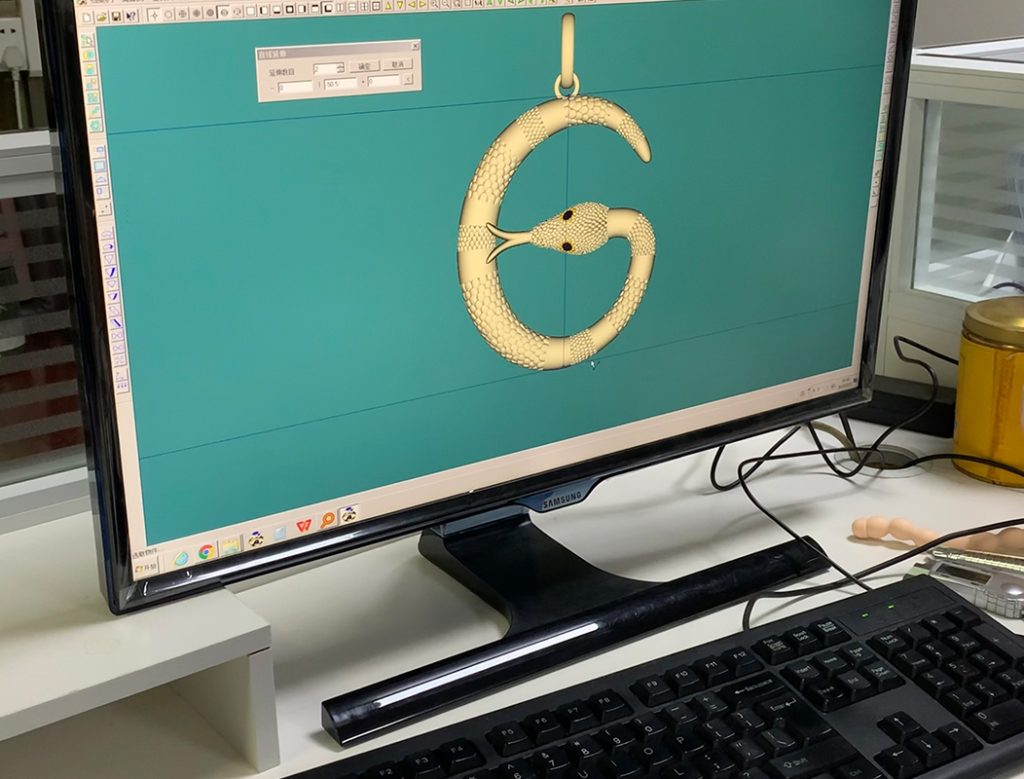


Lost wax casting is a widely used jewelry manufacturing process for producing detailed rings, pendants, earrings, charms, and other custom jewelry pieces. It allows manufacturers to reproduce complex designs in materials such as 925 sterling silver, gold, brass, and bronze.
For jewelry brands, understanding the lost wax casting jewelry process can help when choosing a manufacturing method and supplier for custom, OEM, or wholesale jewelry.
Lost wax casting is a manufacturing process that uses a wax or castable resin pattern to create a mold for jewelry casting. The pattern is covered with investment material and then removed through controlled heating, leaving a cavity in the shape of the jewelry design.
Molten metal is poured into this cavity. After cooling, the investment material is removed and the jewelry is cut, polished, finished, and inspected.
In jewelry manufacturing, lost wax casting is also commonly called investment casting.
The basic lost wax casting jewelry process is:
CAD design → 3D printing or wax pattern → spruing → investment → burnout → metal casting → devesting → polishing → stone setting → final inspection
This process is especially suitable for custom jewelry with detailed or three-dimensional designs.
Common materials include:
| Material | Common Applications |
|---|---|
| 925 Sterling Silver | Rings, earrings, pendants, charms |
| Gold | Fine jewelry and custom designs |
| Brass | Fashion jewelry and plated designs |
| Bronze | Statement and vintage-style jewelry |
925 sterling silver is a popular option for wholesale and custom jewelry because it offers a premium appearance and works well with many jewelry designs.
For more information, see our 925 sterling silver jewelry collection.
The process often starts with a CAD model. The design can be adjusted for dimensions, proportions, stone positions, and other production requirements before creating a physical pattern.
An approved CAD design can be converted into a wax or castable resin pattern using a jewelry 3D printer.
Wax patterns are connected to a sprue system and surrounded by investment material. Once the investment hardens, it forms a mold around the jewelry patterns.
The mold is heated to remove the wax or resin pattern. This leaves a cavity that reproduces the jewelry design.
Molten metal is introduced into the prepared mold. Depending on the product, materials such as sterling silver, gold, brass, or bronze can be used.
After the metal cools, the investment material is removed. The jewelry is then separated from the casting tree and processed through cutting, grinding, polishing, stone setting, plating, and final inspection as required.
For B2B production, jewelry quality control is important for checking casting quality, dimensions, surface finish, stones, and plating.
Lost wax casting offers several advantages for jewelry manufacturers and brands:
Complex Designs: It can reproduce many detailed shapes, textures, curves, and three-dimensional structures.
Customization: CAD and 3D printing make it suitable for developing custom jewelry based on original designs.
Repeatable Production: Once a design has been approved, the same design can be reproduced for additional production pieces.
Material Flexibility: The process can be used with different metals depending on the design and product requirements.
Suitable for OEM Jewelry: Lost-wax casting can support OEM jewelry production when brands need original designs manufactured consistently.
If you are developing custom jewelry collections, explore our OEM and ODM jewelry manufacturing services.
Although lost wax casting is versatile, it also has some limitations.
For this reason, brands should evaluate the complete manufacturing process rather than looking only at the casting price.
The cost of lost wax casting jewelry depends on several factors:
| Cost Factor | What Affects the Cost |
|---|---|
| Material | Metal type and jewelry weight |
| Design | Complexity and CAD development |
| Quantity | Production volume |
| Stone Setting | Type and number of stones |
| Plating | Plating material and specifications |
| Finishing | Polishing, engraving, and other treatments |
For custom jewelry, providing a CAD file, drawing, or reference sample allows a manufacturer to provide a more accurate quotation.
| Manufacturing Method | Best For |
|---|---|
| Lost Wax Casting | Detailed custom jewelry |
| Stamping | High-volume simple designs |
| CNC Machining | Precise metal components |
| Hand Fabrication | One-off and artisan designs |
| 3D Printing | Prototypes and complex forms |
Molten metal is introduced into the prepared mold. Depending on the product, materials such as sterling silver, gold, brass, or bronze can be used.
Molten metal is introduced into the prepared mold. Depending on the product, materials such as sterling silver, gold, brass, or bronze can be used.
The best manufacturing method depends on the design, material, quantity, required detail, and target cost.
Before choosing a lost wax casting jewelry manufacturer, ask:
For brands looking for branded collections, private label jewelry manufacturing can also be an option.
1.Is lost wax casting the same as investment casting?
In jewelry manufacturing, the two terms generally refer to the same basic process.
2.Can sterling silver be used for lost wax casting?
Yes. 925 sterling silver is widely used for cast jewelry, including rings, earrings, pendants, and charms.
3.Is lost wax casting suitable for custom jewelry?
Yes. It is particularly useful for detailed and three-dimensional custom jewelry designs.
4.Can lost wax casting be used for OEM jewelry?
Yes. The process can be used to reproduce original jewelry designs for OEM production.
5.What causes porosity in cast jewelry?
Porosity can be related to gas, shrinkage, metal flow, mold conditions, or casting parameters. Proper process control can help reduce these defects.
Lost wax casting is a flexible manufacturing method for producing detailed and custom jewelry in sterling silver, gold, brass, and other metals. By combining CAD design, casting, finishing, and quality control, manufacturers can produce jewelry suitable for wholesale, OEM, ODM, and private label collections.
For jewelry brands, choosing an experienced custom jewelry manufacturer is just as important as selecting the right casting method.

Table of Contents Choosing between sterling silver vs stainless steel jewelry involves more than comparing prices. For jewelry brands, wholesalers, retailers, and
Cubic zirconia (CZ), widely admired for its close resemblance to natural diamond, is recognized for its impressive hardness and durability. Although CZ
Table of Contents If you have requested a quote from a custom jewelry manufacturer, you may have noticed that the supplier requires
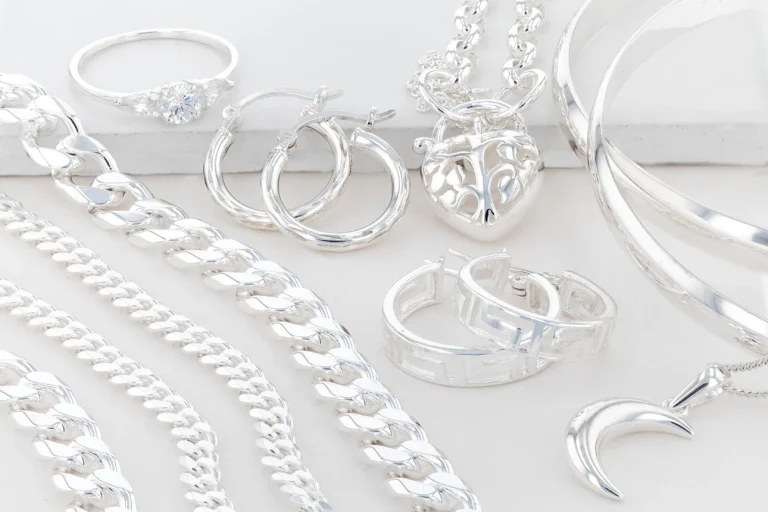
Rhodium and sterling silver are two durable and trusted metals commonly used to enhance the beauty of jewelry pieces. Although they share
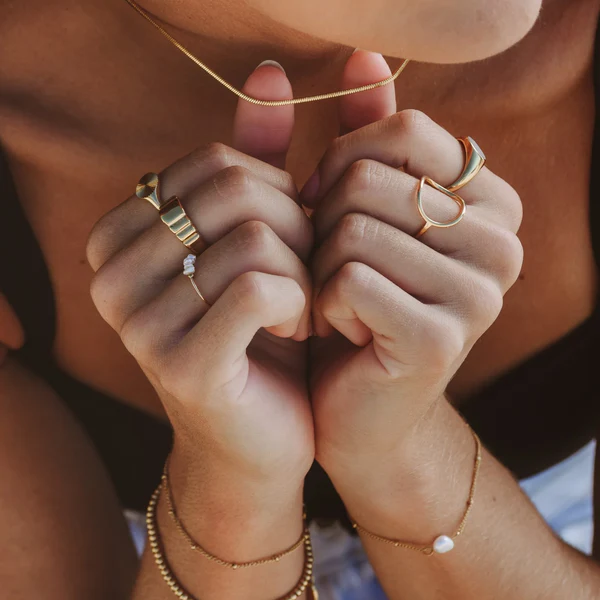
Table of Contents If you’re comparing 925 sterling silver, fine silver (999 silver), and gold plated silver, the biggest differences are purity,
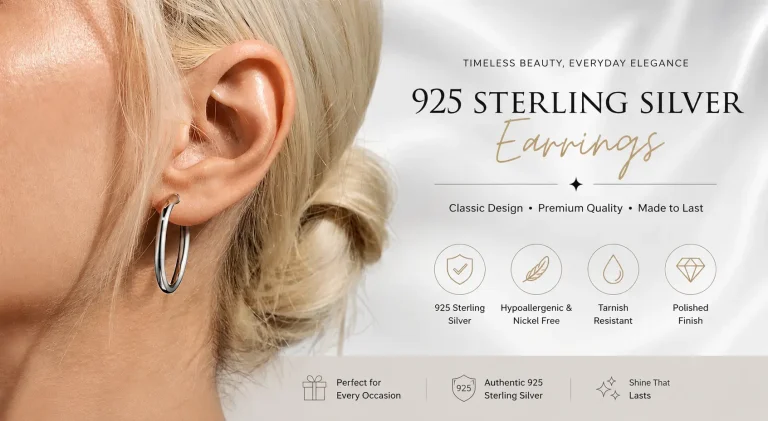
Choosing the right earrings is not only about style and design. For jewelry brands, retailers, and consumers, material safety is also a
No products in the cart.