Must Startup Jewelry Brands Start With Low-Cost Jewelry?
Home » Blog » Must Startup Jewelry Brands Start With Low-Cost Jewelry?
Table of Contents
Starting a jewelry brand does not mean competing with the lowest priced products on the market. A new brand needs to understand its target customers and offer jewelry with a clear reason to buy.
That reason may come from distinctive design, suitable materials, consistent finishing, personalization, or a recognizable brand identity. These qualities help customers understand what makes a product different from similar options.
This guide explains how jewelry startups can build a distinctive collection, communicate product value, and position their brands without relying entirely on low prices.
Do Jewelry Startups Need Low Cost Jewelry to Launch?
No. Jewelry startups do not have to choose the cheapest products to establish a competitive position.
A low price may attract customers, but it does not explain why they should choose one brand over another. When products look similar and offer few meaningful differences, price can become the main basis for comparison.
A stronger approach is to define the target customer and decide what makes the collection distinctive. Design, material selection, finishing, personalization, and a consistent visual identity can all contribute to that difference. Cost still matters, but it should support the brand’s positioning rather than determine every product decision.
Low Cost Jewelry vs Value Based Jewelry for Startups
A low cost strategy focuses mainly on reducing the product cost and keeping the selling price accessible. A value based strategy considers the complete customer proposition, including design, materials, craftsmanship, brand story, packaging, and customer experience.
Factor
Price Led Strategy
Brand Value Strategy
Main selling point
Accessible retail price
Distinctive product value
Design approach
Prioritizes affordability and availability
Builds a recognizable design direction
Customer reason to buy
Price and convenience
Design, materials, finishing, or brand relevance
Differentiation
May be limited when products look similar
Develops through consistent product identity
Product development
Focuses heavily on cost
A brand does not have to choose between the cheapest products and the most expensive products. The important decision is how to create a product that fits the intended customer and communicates a clear reason to buy. A value based strategy can still use accessible prices, provided the product and brand positioning remain consistent.
Why the Cheapest Jewelry Can Create Problems
Choosing the lowest cost jewelry can look attractive when a brand is starting out, but unit price is only one part of the total business cost.
Lower Margins Can Make Growth Harder
If a product is sold at a very low retail price, the brand may have less room for marketing, packaging, customer service, returns, and future product development.
Low Differentiation Can Increase Price Competition
When similar jewelry designs are widely available, customers may have little reason to choose one brand over another. Competing mainly on price can make it harder for a new brand to develop a recognizable identity.
A consistent design direction, distinctive product details, and a clear target audience give customers more meaningful reasons to choose a brand beyond price alone.
Product Quality Can Affect Repeat Purchases
Jewelry should meet the expectations created by its design, materials, finishing, and retail positioning. If the finished product does not match those expectations, it can weaken customer trust and the brand’s reputation.
The goal is not to choose the most expensive materials for every product. It is to specify the materials and finishing that support the intended customer experience.
How to Build a Jewelry Collection That Stands Out
A distinctive jewelry collection starts with a clear design direction. Rather than selecting products only because they are inexpensive or easy to source, a startup should decide what makes its collection recognizable to its intended audience.
Define a Recognizable Design Direction
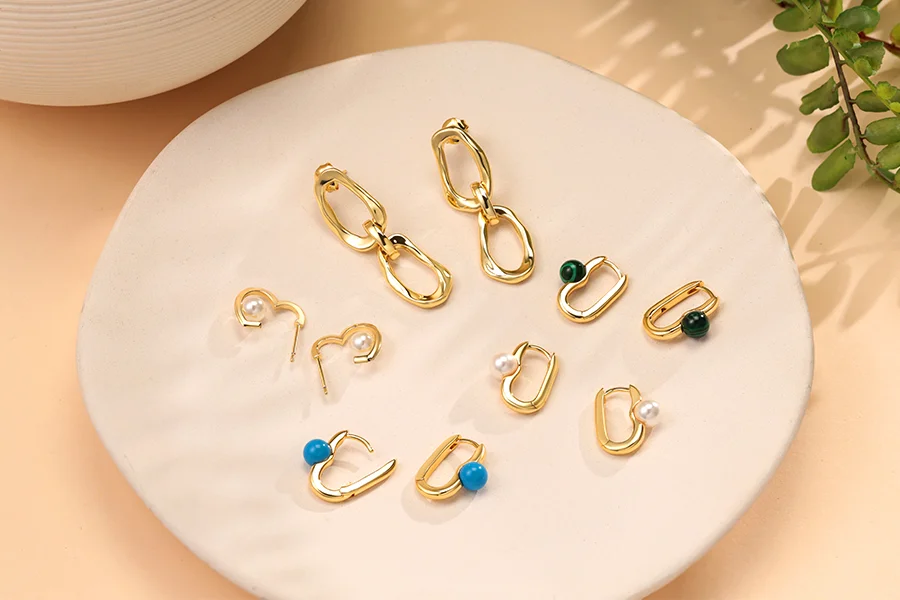
Decide on the aesthetic that connects the collection, such as minimalist everyday jewelry, sculptural designs, personalized pieces, or a consistent use of color and proportion. A clear direction helps customers recognize the brand across different product categories.
Choose Materials That Support the Product Concept
Material selection should reflect the intended appearance, wearing experience, and retail positioning. Options such as 925 sterling silver and gold plated finishes can support different product concepts depending on the design and specifications.
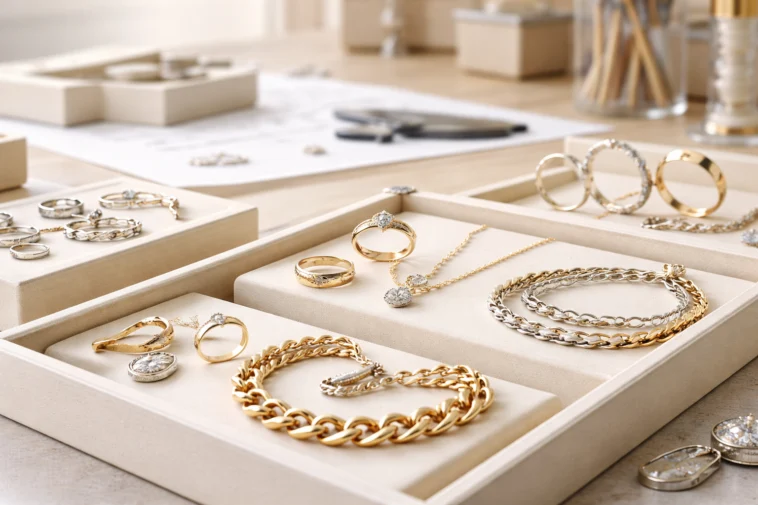
Rings, necklaces, bracelets, and earrings do not need to look identical, but they should share a recognizable design language. Consistency in proportions, finishing, details, and presentation helps the collection feel intentional rather than like a group of unrelated products.
Translate Design Ideas Into Production Specifications
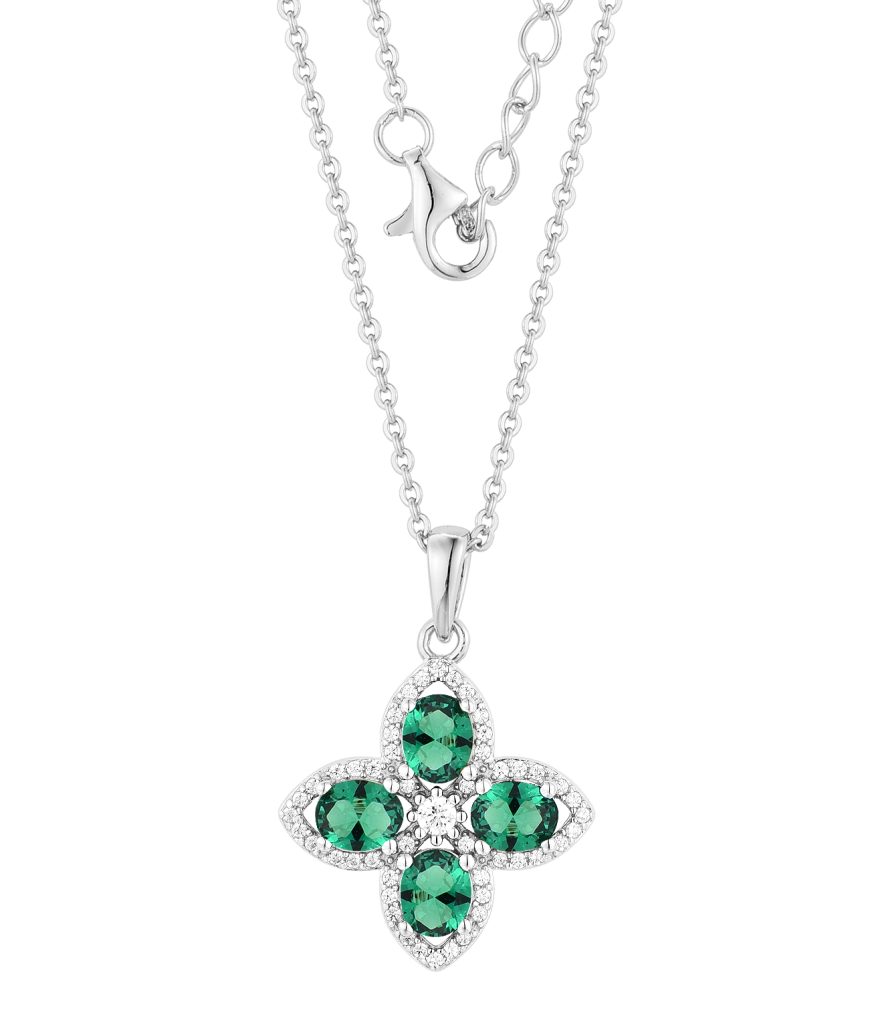
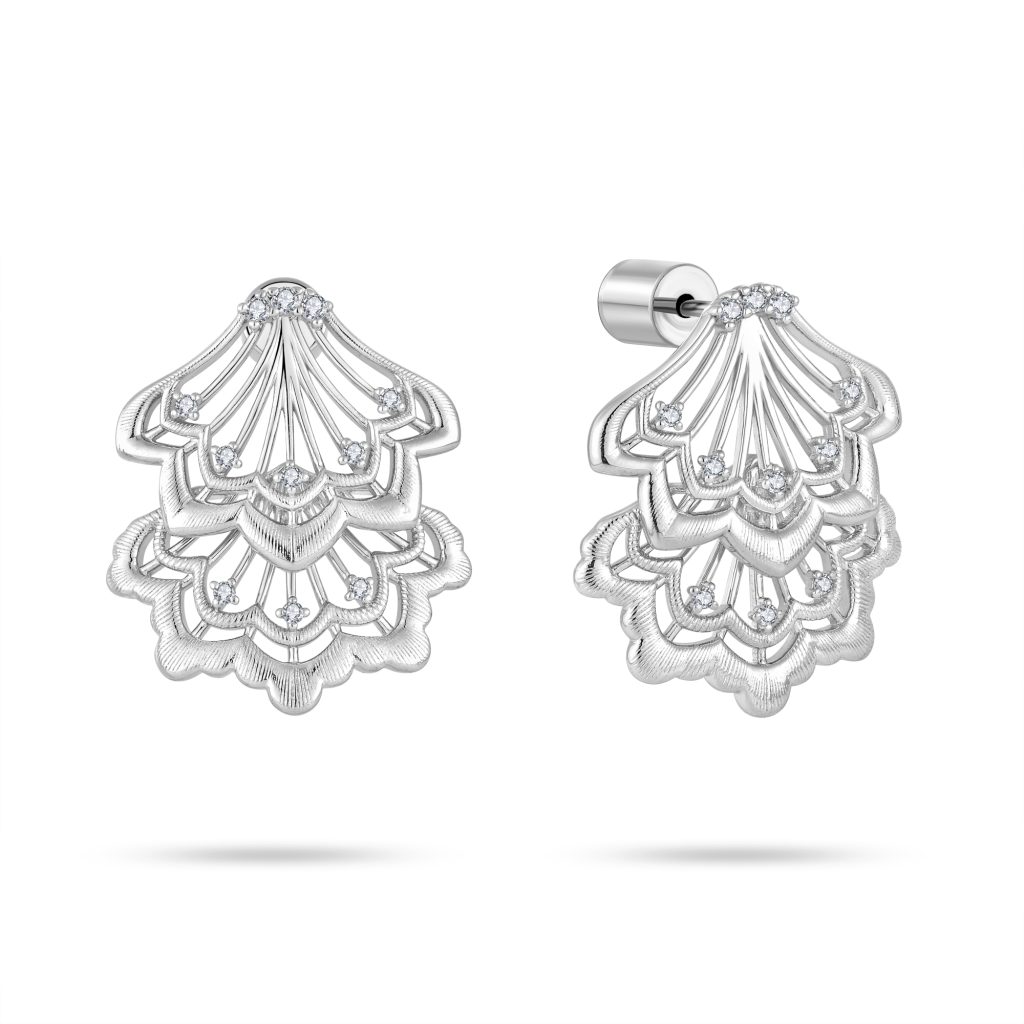
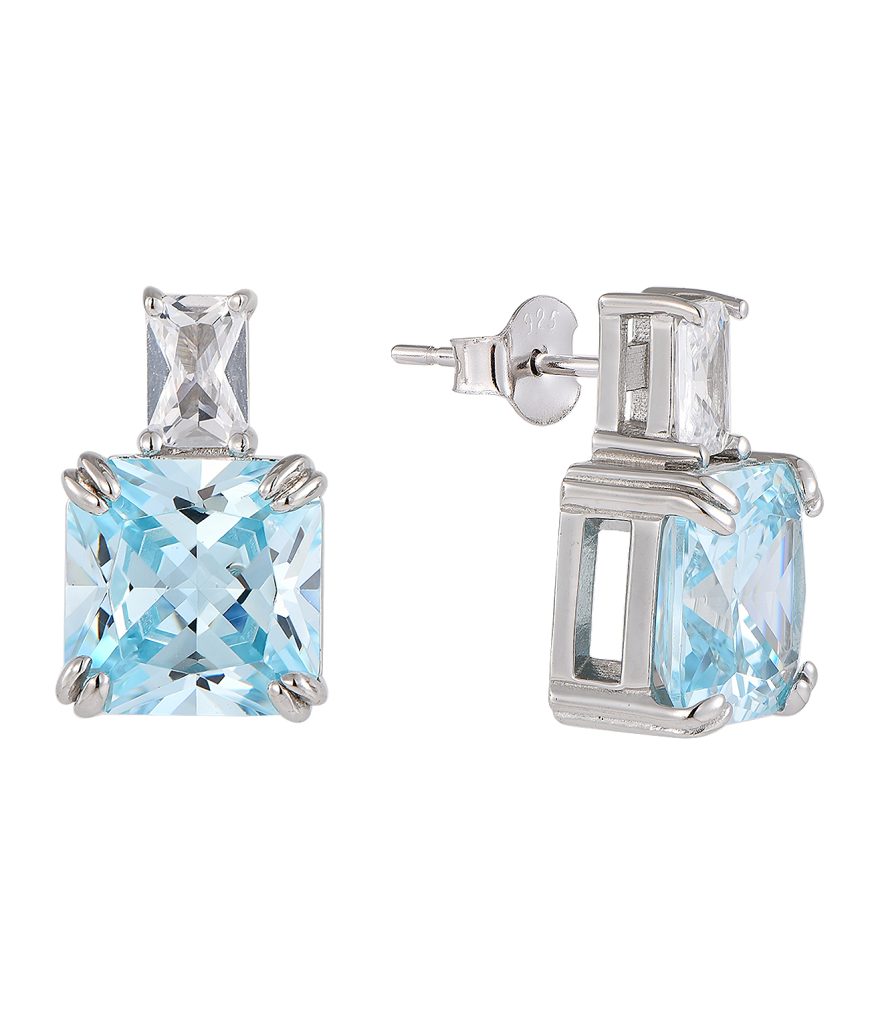
Before sampling, define the details that make each design distinctive. These may include dimensions, material requirements, stone placement, surface finish, logo application, and packaging.
Clear specifications help the manufacturer understand the design intent and reproduce the approved product more consistently.
If you are developing an original collection, understanding the jewelry design development process can help you turn initial concepts into production ready pieces.
How Should a Jewelry Brand Price Products Around Value?
Pricing should reflect the position a jewelry brand wants to establish in the market. Before setting a retail price, a startup should understand its target customer, the alternatives available to that customer, and the product qualities that make its collection different.
Understand What the Target Customer Values
Some customers prioritize versatile everyday designs, while others look for distinctive aesthetics, personalization, or specific material choices. These preferences affect how customers evaluate a product and its price.
Communicate the Product's Value Clearly
The product should provide genuine reasons for its price. Design originality, material information, finishing quality, and a consistent brand identity can help communicate value when they are reflected in the finished jewelry.
Make Sure the Price Is Commercially Sustainable
Perceived value does not replace cost planning. The retail price must still account for manufacturing, packaging, marketing, fulfillment, and other relevant business expenses.
A sound pricing strategy connects customer expectations, product differentiation, and business costs. The lowest price is not automatically the most competitive choice, and a higher price is not justified unless the product and brand experience support it.
Product Specifications That Support Your Brand Positioning
A brand’s positioning needs to be reflected in the finished product. Before production, jewelry startups should translate their design concept into specifications that the manufacturer can understand and follow.
Material and Finish
Specify the required material, color, plating finish, surface treatment, and other details that affect the product’s appearance. These choices should match the design concept and the expectations created by the brand.
Design Details and Consistency
Document important dimensions, stone settings, proportions, logo placement, and finishing details. Clear specifications help maintain a consistent design direction across the collection.
Quality Standards and Sample Approval
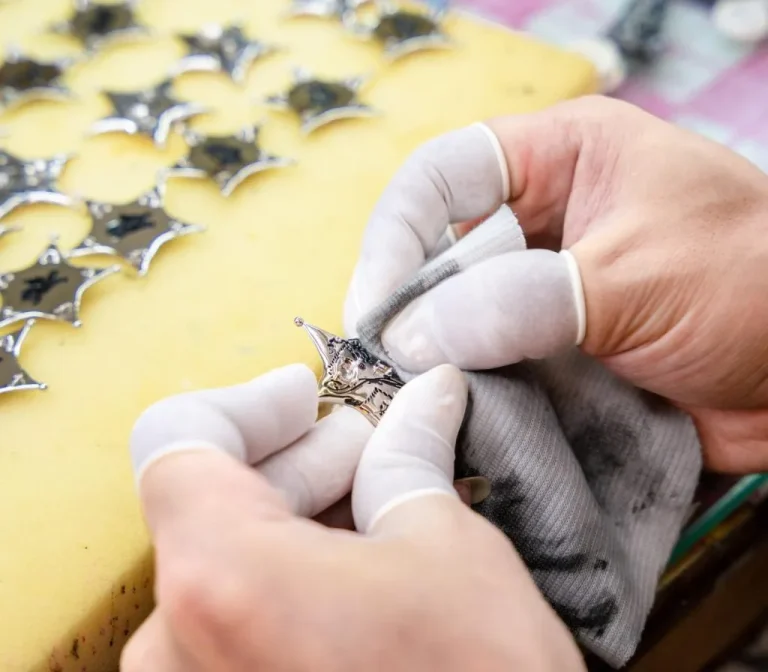
Define the quality requirements that matter to the collection and review the sample against the approved design before bulk production. Clear approval criteria help reduce misunderstandings and support consistency between the approved sample and the finished products.
For custom jewelry brands, product specifications are not simply technical details. They are part of how the brand delivers the value promised to its customers.
Clear specifications and sample approval criteria should be supported by a consistent jewelry quality control process during production.
How Jewelry Startups Can Build a Distinctive Brand
A distinctive jewelry brand gives customers a clear reason to choose its products beyond price. That reason should be reflected in the collection, the intended audience, and the way the brand communicates its value.
Define Your Brand's Unique Value
Identify what makes the collection relevant to its intended audience. This could be a recognizable design style, personalization, carefully specified materials, or products created for a particular customer group.
A clear value proposition should guide product development and marketing decisions. It should be supported by the actual products rather than relying on broad claims such as premium quality or exclusive design.
Build Recognition Through Consistent Design
Use consistent design details, finishing standards, product photography, and brand communication to make the collection recognizable. A niche can help focus this identity, but the products still need to deliver the appearance and quality customers expect.
Explain Genuine Product Differences
Explain the design inspiration, material choices, or craftsmanship details that distinguish a product. Specific, accurate information helps customers understand its value more effectively than generic promotional language.
How a Jewelry Manufacturer Can Help a Startup Launch Faster
Choosing a jewelry manufacturer affects not only production efficiency but also how accurately a brand’s design concept is translated into a finished product. For custom collections, the manufacturer needs to understand the materials, dimensions, finishing, and design details that define the product.
A manufacturer that supports custom development can help with:
CAD development
Material selection
Sample production
Casting
Polishing
Stone setting
Electroplating
Logo engraving
Quality inspection
Custom packaging
This can reduce the number of separate suppliers a startup needs to coordinate during product development.
Endless Jewellery supports OEM, ODM, and private label jewelry production from its Guangzhou, China factory. Our capabilities include CAD development, sample production, casting, polishing, stone setting, electroplating, logo engraving, quality inspection, and custom packaging.
For brands developing original collections, OEM production can support designs supplied by the brand, while ODM can provide a starting point for further development and customization. The appropriate model depends on the design requirements and the level of development support needed.
When choosing a manufacturer, brands should assess communication, specification control, finishing consistency, quality inspection, and the ability to reproduce the approved design. These factors help ensure that the finished product supports the intended brand position.
Custom sample development typically takes around 7 to 10 days, while bulk production commonly takes around 20 to 30 days after sample approval. Actual lead times depend on the design and production requirements.
Brands that are still deciding between these models can compare OEM and ODM jewelry manufacturing to understand which approach best fits their design resources and customization requirements.
A Practical Launch Model for a New Jewelry Brand
A new jewelry brand can reduce launch risk by starting with a focused collection instead of trying to build a complete catalog immediately.
A practical first collection might include:
A small group of everyday pieces
A few designs that represent the brand identity
One or two higher value products
Consistent materials and finishes
Packaging that matches the brand positioning
The goal is to create enough product variety to test customer demand without creating unnecessary inventory.
After launch, the brand can use sales performance, customer feedback, repeat purchases, and product margins to decide which designs should be reordered, improved, or discontinued.
This test and reorder approach gives jewelry startups more flexibility than committing to a large collection before the market has been validated.
How Jewelry Startups Can Launch Without Competing on Price
A jewelry startup does not need to be the cheapest brand in its market. It needs a clear product identity, a defined customer, and a collection that delivers on the value the brand promises.
Distinctive design, appropriate material specifications, consistent finishing, and clear product communication can all help a brand establish a stronger position. These differences should be reflected in the finished jewelry rather than relying on price promotions alone.
For brands developing custom collections, Endless Jewellery provides OEM, ODM, and private label jewelry manufacturing from its Guangzhou, China factory, with support for design development, sampling, material selection, finishing, quality inspection, and custom packaging. Our team can support design development, sampling, material selection, finishing, quality inspection, and custom packaging.
The goal is to create jewelry that fits the intended market and gives customers a clear reason to choose the brand beyond price.
FAQs
1. Do jewelry startups need to compete on price?
No. Jewelry startups can differentiate themselves through design, material choices, finishing, personalization, and a recognizable brand identity. The right strategy depends on what the target customer values and whether the product delivers on that promise.
2. What is value based pricing for a jewelry brand?
Value based pricing considers the product qualities and benefits that matter to the intended customer, rather than relying only on manufacturing cost or competitor prices. The retail price must still cover the business’s costs and support its commercial objectives.
3. How can a new jewelry brand stand out from competitors?
A brand can build recognition through a consistent design language, a clearly defined audience, distinctive product details, and accurate communication about materials and craftsmanship. These differences should be reflected in the finished products.
4. Does using more expensive materials automatically justify a higher retail price?
No. Material cost is only one part of the product proposition. Design, finishing, customer expectations, overall quality, and brand positioning must also support the intended price.
5.Can custom jewelry manufacturing help a brand differentiate its products?
Yes. Custom manufacturing can support distinctive designs, specific material requirements, finishing details, logo application, and packaging. The available options depend on the design, production process, order requirements, and quality specifications.
Choosing between private label and custom jewelry manufacturing affects your product development costs, design flexibility, launch timeline and brand differentiation. Private label
Table of Contents Choosing a reliable silver jewelry manufacturer is an important decision for jewelry brands, wholesalers, retailers, and e-commerce businesses. The