Bracelet | Earrings | Endless Jewelry | Jewelry | jewelry factory | jewelry manufacturer | Necklace | ring | Silver Jewelry
Spotting Genuine Diamonds: Simple Methods to Check Authenticity


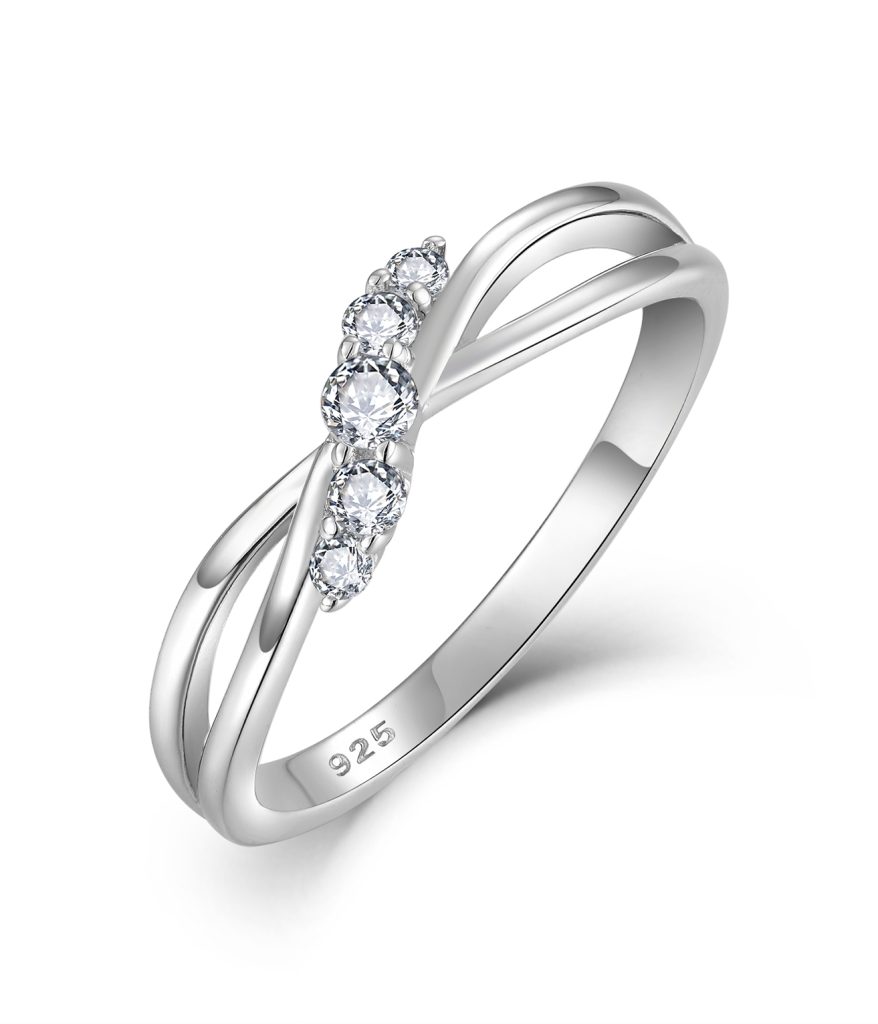
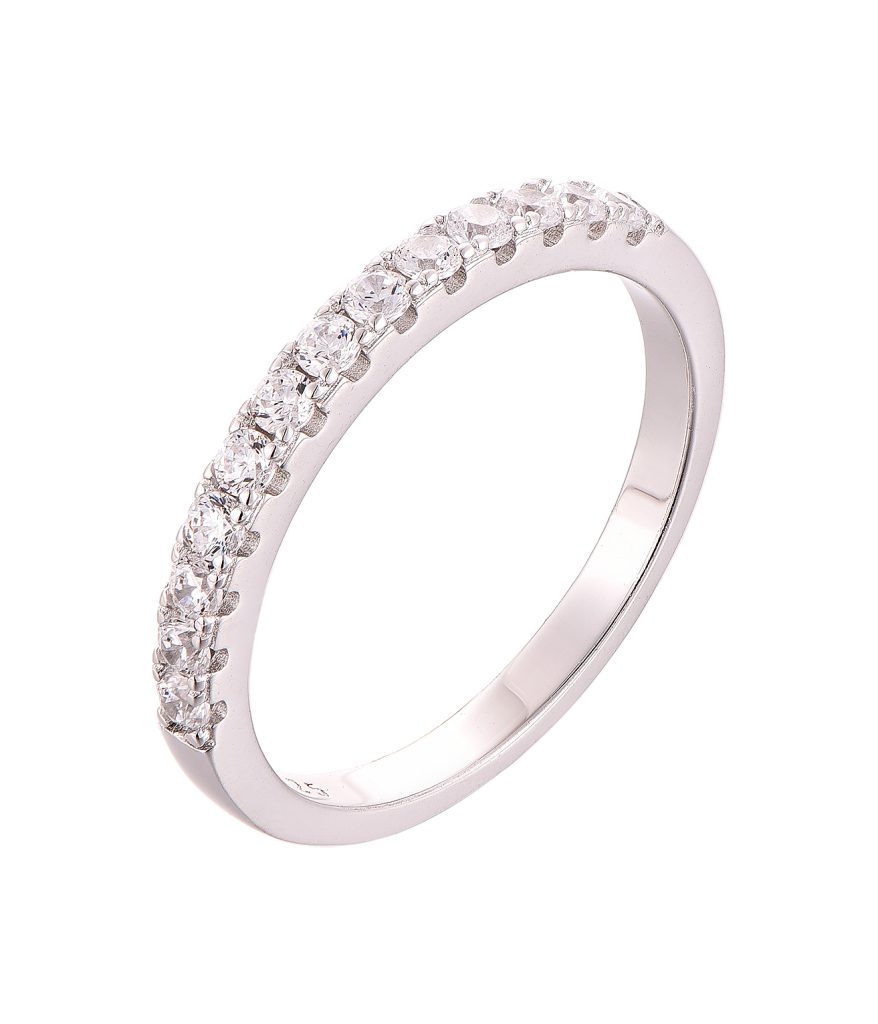


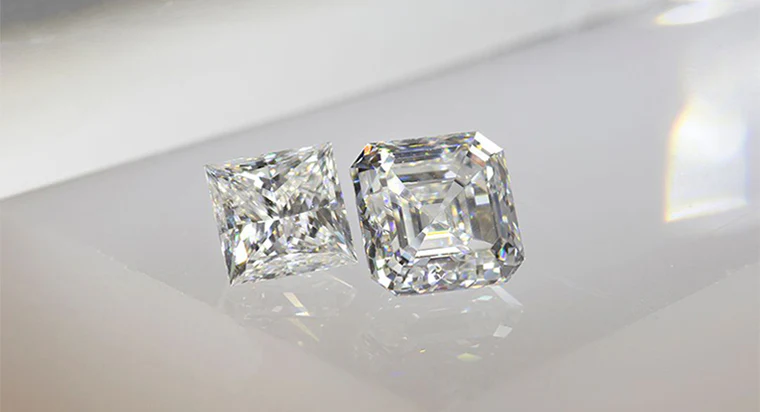
The rising popularity and high price of diamonds has led to an entire industry of imitation gemstones such as cubic zirconia that are created to look like real diamonds. The challenge is that it is often hard to judge with your eyes alone whether a diamond is genuine or not. Fortunately, there are several reliable ways to discover the truth, and this article will guide you through the methods to identify real and fake diamonds.
You have two main ways to determine whether a diamond is real or not. The first way is to ask a professional to examine it with specialized tools. The second way is to try a few simple tests at home that can help you identify whether your loose stone is genuine or an imitation.
At home methods are not one hundred percent perfect, but they are surprisingly reliable. Most tests only require basic items you already have.
This is one of the simplest methods because you only need a piece of sandpaper and a little effort. Rub the rough side of the sandpaper against the stone. Sandpaper usually has a hardness level between seven and nine on the Mohs scale. Since diamonds are among the hardest natural materials, a real diamond will stay smooth and undamaged. A fake stone will show scratches.
This test is exactly what the name suggests. It works best for diamonds that are not set in jewelry. To perform it, follow these steps:
Place a sheet of paper with clear black text in front of you.
Turn the stone upside down.
Look through the tip of the diamond toward the text.
A genuine diamond will scatter light too strongly for you to read anything. Many imitation stones allow you to make out the letters on the paper.
How a stone interacts with light can reveal a lot about its authenticity. This test is simply a close visual check of how the gem reflects and refracts light. Real diamonds create sharp, intense flashes of light. Many imitation stones sparkle less.
For reflection, pay attention to the tones you see. Faux stones like cubic zirconia often show a rainbow effect. Natural diamonds tend to reflect light in whiter or grayer tones. If the stone produces bright colorful flashes, it is likely synthetic.
To do this test safely, hold a loose stone with tweezers that have a rubber tip. Expose the stone to a small open flame, such as a lighter, for about thirty to forty five seconds. Then drop it into cool water.
This works because real diamonds handle heat extremely well and distribute it evenly. Most fake diamonds cannot tolerate sudden temperature changes and will crack or break. That means you should only attempt this test if you are prepared for the possibility of damaging an imitation stone.
If your stone remains perfectly intact, you can feel confident that it is genuine. Seeing the result yourself makes the beauty of your diamond even easier to appreciate.
Many people assume lab created diamonds are imitations, but they are not. They are genuine diamonds that form in a controlled environment. Even so, there are a few small differences worth understanding when you compare the two.
Natural diamonds develop deep within the earth, while lab created diamonds are produced through two main methods: Chemical Vapor Deposition, also known as CVD, and High Pressure High Temperature, also known as HPHT. In these methods, carbon atoms are gathered from high pressure vapor inside a chamber. The crystal grows layer by layer over time. This usually takes around three months, although some stones take longer. Natural diamonds form over thousands of years within the earth.
Moissanite is not a lab grown diamond. It was first discovered in the late eighteen hundreds inside a meteor by Henri Moissan. At first he believed the crystals were diamonds, but later learned that moissanite is made of silicon carbide rather than carbon.
Moissanite exists in nature, but it is extremely rare. Most of the moissanite sold today is grown in laboratories. Moissanite looks very similar to diamond, yet several key differences help you tell them apart.
One of the easiest differences to notice is the color. Natural diamonds often show richer, deeper tones, while moissanite tends to shift in color as it disperses light. Both can appear clear, yellow or green, but stones with natural red, blue, brown, black or purple tints are almost always diamonds.
Another difference is the weight. Moissanite weighs less than a diamond of the same size and shape. This characteristic can be difficult to judge without proper jewelry tools, unless you are extremely sensitive to small differences in weight.
Customization is one of the strongest trends in today’s jewelry industry. Many jewelry lovers and brands now prefer custom silver rings because they reflect individuality and creative expression. A custom design can include gemstones, engraved initials, or unique textures that make the ring truly one of a kind.
The contrasts between the two gemstones lie beyond what you can easily see. White sapphires are made of corundum and naturally form in hexagonal crystal structures. In comparison, diamonds develop from carbon and create square or cubic crystals. These structural differences influence the way each gemstone forms facets, which leads to distinct variations in how they reflect and refract light.
Purity is another key distinction. White sapphires are naturally considered completely pure. While sapphires can appear in many colors, white sapphires show zero hints of other shades or cloudiness. They are typically either fully colorless or separate entirely from colored sapphire types. Diamonds, on the other hand, rarely achieve perfect clarity. Even diamonds labeled flawless may contain slight traces of other hues or internal features.
If you have a diamond that is already placed in an engagement ring, this is a good indicator of whether it’s fake or real.
To determine real vs. fake diamonds, first carefully examine the type of setting and mount that is used. Since real diamonds (whether mined or lab diamonds) tend to have a larger price tag, you won’t find them set in cheap metals. A real diamond will typically only be set in metals such as white gold, yellow gold, rose gold, or platinum.
In order to tell what type of setting it is, look inside the ring’s center for markings. For example, if you see the notes 10KT, 14KT or 18KT, those refer to the type of gold that is used. If you see the letters PT or Plat, those refer to the metal platinum. Also, if you see any numbers such as 585, 770, 900, or 950, those could indicate gold or platinum too. If you don’t see any of the above markings, but you see the letters “C.Z.,” that means the gemstone is a cubic zirconia (a fake diamond).
If you prefer not to perform at home tests or want a reliable expert opinion, taking the stone to a certified gemologist is the safest option.
Keep in mind that not every jewelry salesperson is a gemologist. Most sales associates do not have the formal training required to identify gemstones accurately. If you visit a jewelry store, ask whether they have a certified gemologist available, or request a referral to one who specializes in diamond evaluation.
A qualified gemologist can guide you through selecting the right stone for your needs, including the ideal shape, size, and quality while staying within your budget. Since their role does not rely on commissions, their recommendations are unbiased and focused solely on helping you find the best option.
Unlike basic at home tests, a gemologist uses advanced tools and expert techniques to verify whether a diamond is real. This ensures accuracy without putting your gemstone at risk of damage.
While at home tests can give you an initial idea of whether a diamond is real or fake, they are not foolproof. The most reliable way to confirm a diamond’s authenticity is to purchase from a trusted source and seek evaluation from a certified gemologist. A professional has the proper tools, training, and expertise to determine whether a stone is genuine without risking any damage. Ultimately, expert verification is the safest and most accurate method to ensure the diamond you have is truly real.


Silver necklaces have long been a symbol of elegance and timeless style. From delicate chains to statement pendants, silver jewelry has remained
Table of Contents Sterling silver jewelry is widely used by jewelry brands, wholesalers, retailers, and designers. It offers a precious metal appearance,
Table of Contents Launching a jewelry brand requires more than attractive designs. The manufacturing model you choose can affect product development, customization,
Ring bands play an important role in defining the appearance, durability, and overall value of a jewelry piece. For jewelry brands, designers,

In today’s competitive jewelry market, brands, retailers, and designers are constantly looking for reliable manufacturers who can provide high quality jewelry, flexible

Table of Contents When sourcing jewelry for a brand, choosing between 925 sterling silver vs brass jewelry affects more than material cost.
No products in the cart.