Stainless Steel Gold Jewelry: The Smarter Pick
In 2025, stainless steel jewelry has become one of the most coveted accessories among fashion enthusiasts worldwide. Its growing popularity lies in its unmatched durability and versatile style.
The overall quality of stainless steel jewelry plays a crucial role in the wearing experience. Thanks to advanced PVD (Physical Vapor Deposition) technology, these pieces can be coated with a genuine layer of gold—offering both lasting beauty and premium quality for everyday wear.
Is Stainless Steel Jewelry Healthy to Wear? Do People React to Stainless Steel?


Most stainless steel jewelry is safe and healthy to wear. Being hypoallergenic, it’s generally suitable for all skin types and age groups. The only exception occurs when certain stainless steel alloys contain nickel, which may cause irritation for those with nickel allergies. To avoid this, food-grade (304) and surgical-grade (316L) stainless steel are the preferred choices.
Among the more than 60 types of stainless steel, 304 and 316L stand out for jewelry due to their safety and durability. Food-grade 304 steel typically contains 18% chromium and 8% nickel, while surgical 316L has slightly less chromium (around 16%), more nickel, and added molybdenum for enhanced resistance.
Because these grades are biocompatible, they do not cause chemical or biological reactions in the body. High-quality stainless steel jewelry does not leach into the bloodstream, nor does it interfere with medications or medical treatments. In short, premium stainless steel jewelry offers style without health concerns.
Is it Okay to Shower/Swim With Stainless Steel Jewelry?

Yes, it is completely safe to wear stainless steel jewelry during most of your daily activities—including showering. Stainless steel doesn’t rust or tarnish easily, and any slight discoloration typically won’t appear until after two years of use.
In everyday situations, clean water has no negative impact on stainless steel, making it perfectly fine for showers. Unlike electro gold-plated jewelry, which is more delicate and prone to scratches, or silver, which tarnishes quickly, stainless steel retains its original shine for a long time, even with minimal care.
Swimming is also possible with stainless steel jewelry, but it depends on the water. In private pools with low chlorine content, stainless steel holds up well. However, in public pools where chlorine levels are higher, it’s better to remove your jewelry, since chlorine can damage stainless steel over time.
Does Stainless Steel Jewelry Tarnish Over Time?
Under normal conditions, stainless steel jewelry takes a very long time to lose its shine. Unlike many other metals, stainless steel doesn’t tarnish or rust, though over the years it may develop a slightly darker tone compared to brand-new pieces. This durability makes it one of the best choices for statement jewelry. In addition, stainless steel is highly resistant to scratches.
In general, stainless steel jewelry can withstand daily wear and tear without losing its shine. While slight dullness may occur after many years, its longevity largely depends on how it is worn and cared for. Compared to metals like copper or silver, stainless steel has a much lower risk of discoloration or tarnishing.
With proper care, stainless steel jewelry can last for decades while maintaining its polished appearance. The only factors that may accelerate fading are exposure to harsh chemicals or extreme conditions.
To keep stainless steel jewelry looking its best, store it in a cool, dry place, avoid direct heat, limit contact with chemicals, and—most importantly—choose high-quality pieces from a trusted stainless steel jewelry manufacturer.
How to Shine Stainless Steel Jewelry
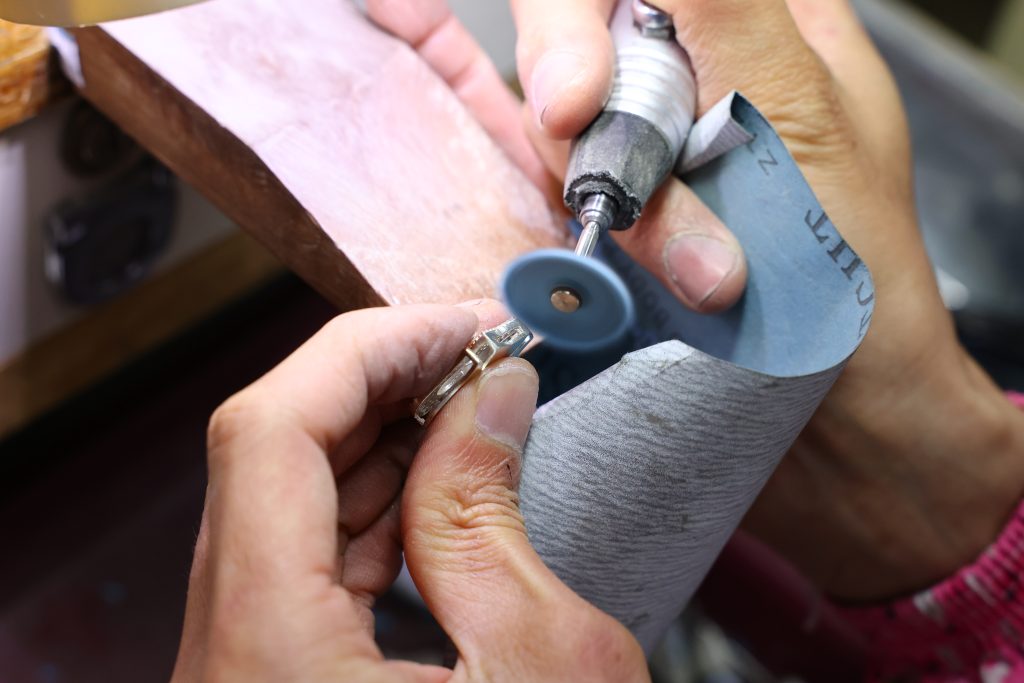
As a result of the durability of stainless steel jewelry and the processes involved in producing it, very much less care is required for its maintenance, when compared to softer metals like sterling silver. Stainless steel is very hard to shine/polish, this is evident in how difficult it is to produce, making it difficult for consumers to use regular methods to polish them.
Seeing how hard it is to shine stainless steel jewelry, you can only do little to maintain it. We recommend these few easy steps:
Materials Needed to Shine/Clean Stainless Steel Jewelry
- A neat soft cloth or brush with soft bristles
- Gentle dishwashing liquid/detergent
- Warm water
- A little elbow grease
The Shinning Process
- Prepare a soap and water solution: get a small bowl and fill it with clean warm water, drop some mild dishwashing agent into the water, then mix thoroughly. For best results, you can soak your stainless steel jewelry inside this soap and water solution for a few minutes before moving on to the next step.
- Clean the jewelry: deep the neat soft cloth or brush into the soapy water, then use it to scrub your stainless steel jewelry, be gentle with it. Brushes are best to remove any debris laying inside the parts of the jewelry that are hard to
- Final Wash: for this step, use a piece of cloth and clean water to wash off the soapy water used from your jewelry.
- Dry and Polish: next is to dry the jewelry thoroughly with cloth that absorbs moisture easily. Afterwards, use elbow grease to polish the stainless steel jewelry for an even better shine. If you use a matte type of stainless steel jewelry though, you might not need to apply this last polish.
More Shining Tips
Below are some more helpful tips that gives your stainless steel jewelry sparkly shine and helps it last longer:
- Before putting on your jewelry, always make sure you have already applied your body lotions, hair products, and perfumes. This is to avoid contact with aerosols and other substances that might be harmful to your jewelry.
- When not in use, keep your jewelry away from direct sunlight, preferably in a drawer. You should also develop a habit of storing jewelry in air airtight containers, boxes, or ziplock bags.
- While stainless jewelry will not easily get scratched, avoid using abrasive materials and harsh chemicals on it.
What Affects the Wearing Experience of Stainless Steel Jewelry?
Material grades
The quality of stainless steel jewelry largely depends on the grade of material used, which directly influences the wearing experience. Jewelry made with low-grade stainless steel may deteriorate from within, sometimes even producing an unpleasant odor.
Stainless steel is typically composed of iron, chromium, and carbon. According to the European standard EN 10088-13, steel is classified as stainless when it contains at least 10.5% chromium by mass and no more than 1.2% carbon. These essential components prevent the formation of carbides, which can weaken the material.
Additional elements are often introduced to enhance performance. Nickel improves flexibility, strength, and malleability, while molybdenum and titanium increase stability and resistance to corrosion. Together, these elements ensure that high-quality stainless steel jewelry remains durable, safe, and stylish for long-term wear.
Stainless steels are classified into 4 groups according to their composition, namely:
- Austenitic (group A)
- Austeno-ferritic (group AF)
- Ferritic (group F)
- Martensitic (group C).
Polishing
Intense and fine polishing is the key to premium quality stainless steel jewelry. Without it, the indicated parts on a jewelry piece can greatly affect the aesthetics.



Stone setting
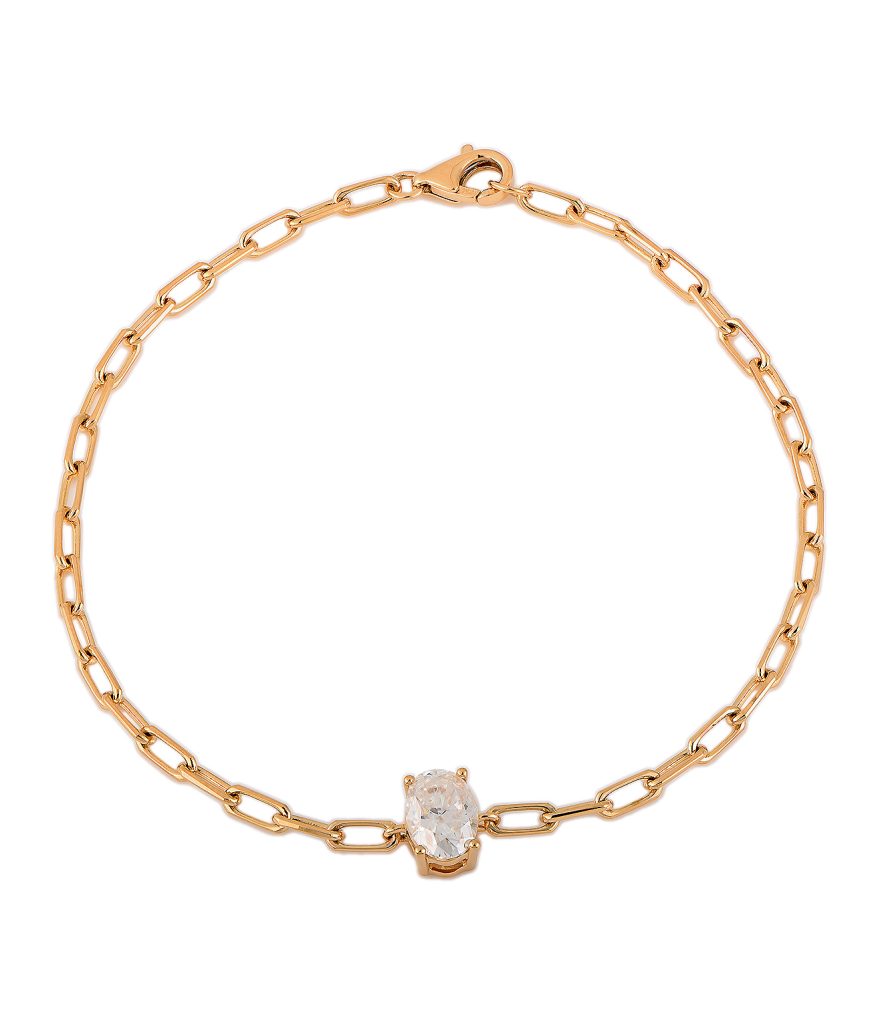
Stone setting ultimately transforms the look of your stainless steel jewelry, giving it a more luxurious look and making the wearing experience even more sophisticated. This process involves the setting of stones into jewelry.
Compared to brass/silver, stone setting on stainless steel jewelry can be quite a challenging task, due to the hardness of the material, and how difficult it is to shape the prongs. Limited types of techniques can be used to safely attach stones to stainless steel jewelry.
Conclusion
Stainless steel jewelry has quickly risen in popularity as a durable, hypoallergenic, and budget-friendly alternative. Its natural resistance to tarnish and corrosion, combined with easy maintenance, makes it ideal for everyday wear. Compared with precious metals like gold, silver, and platinum, stainless steel stands out by offering greater durability at a far more affordable price.