Bracelet | Earrings | Endless Jewelry | Jewelry | jewelry factory | jewelry manufacturer | Necklace | ring | Silver Jewelry
Everything You Need to Know About Sterling Silver Jewelry
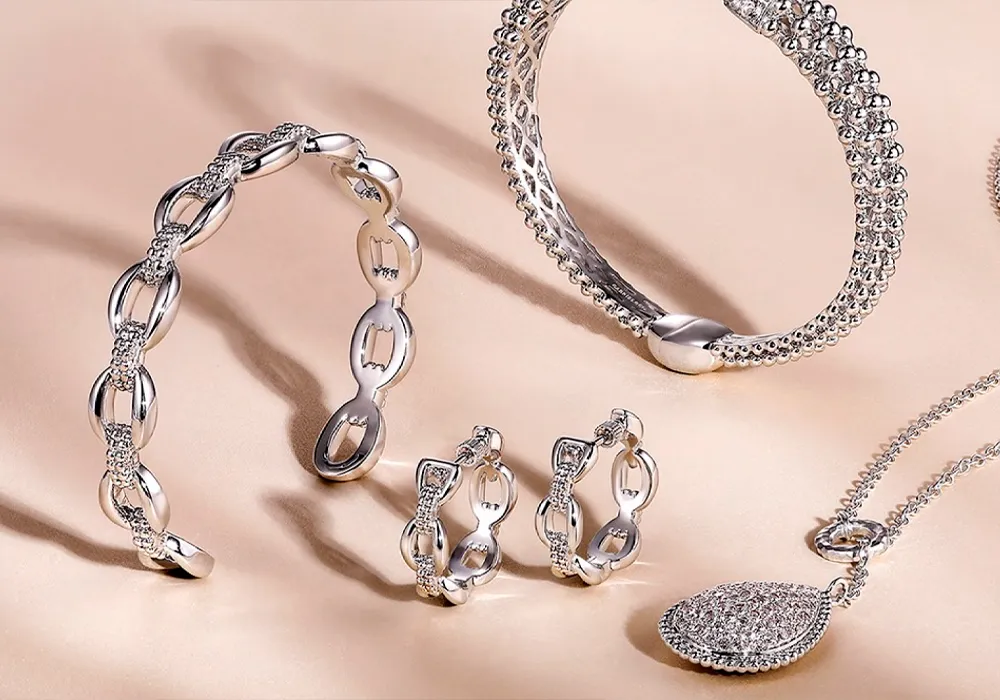

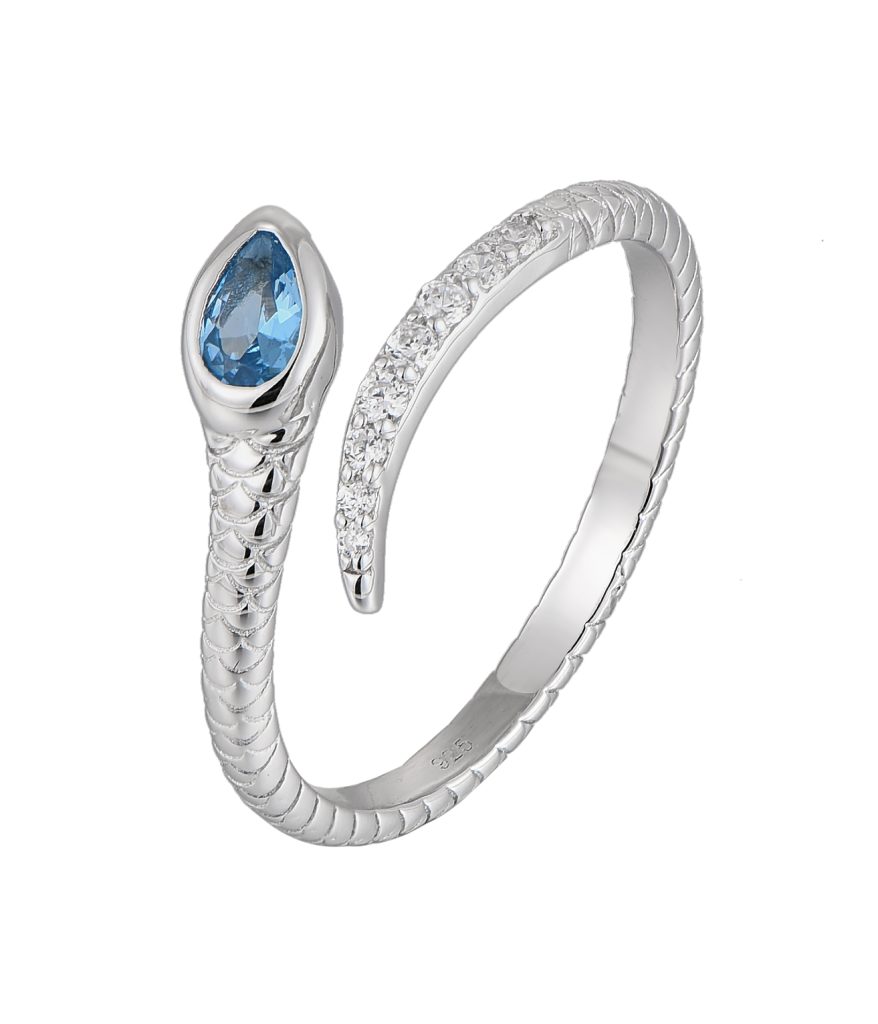
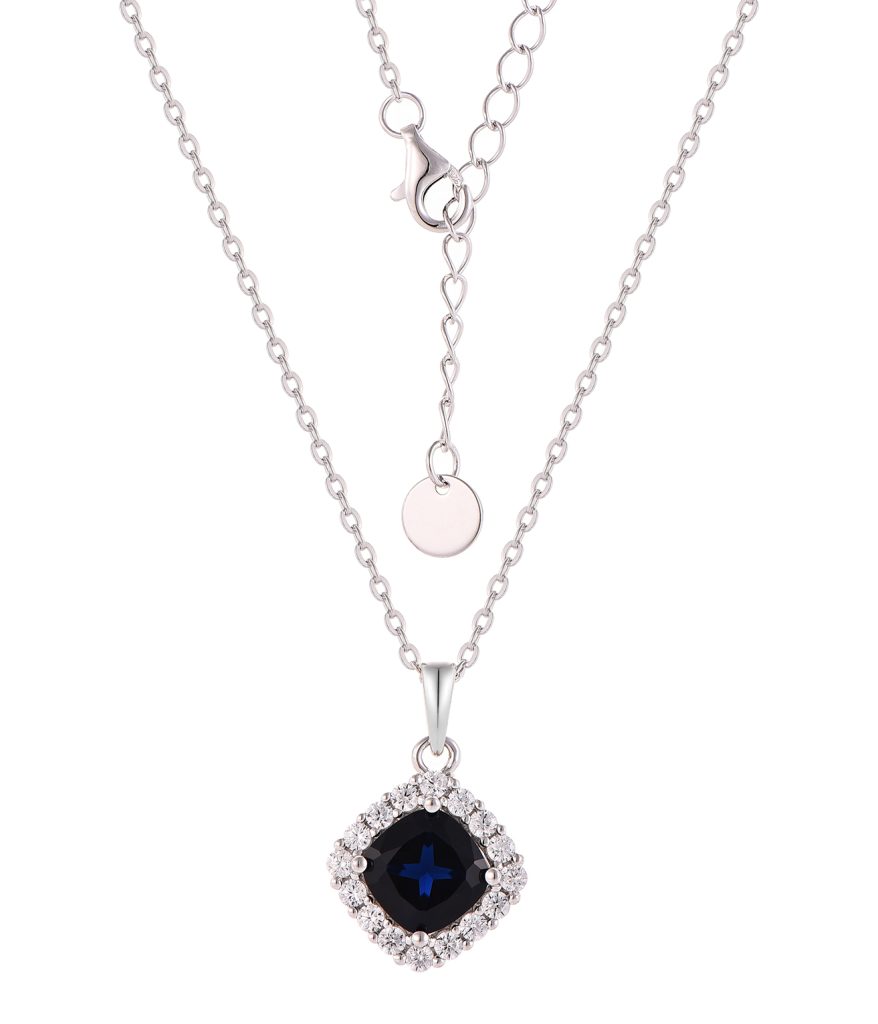
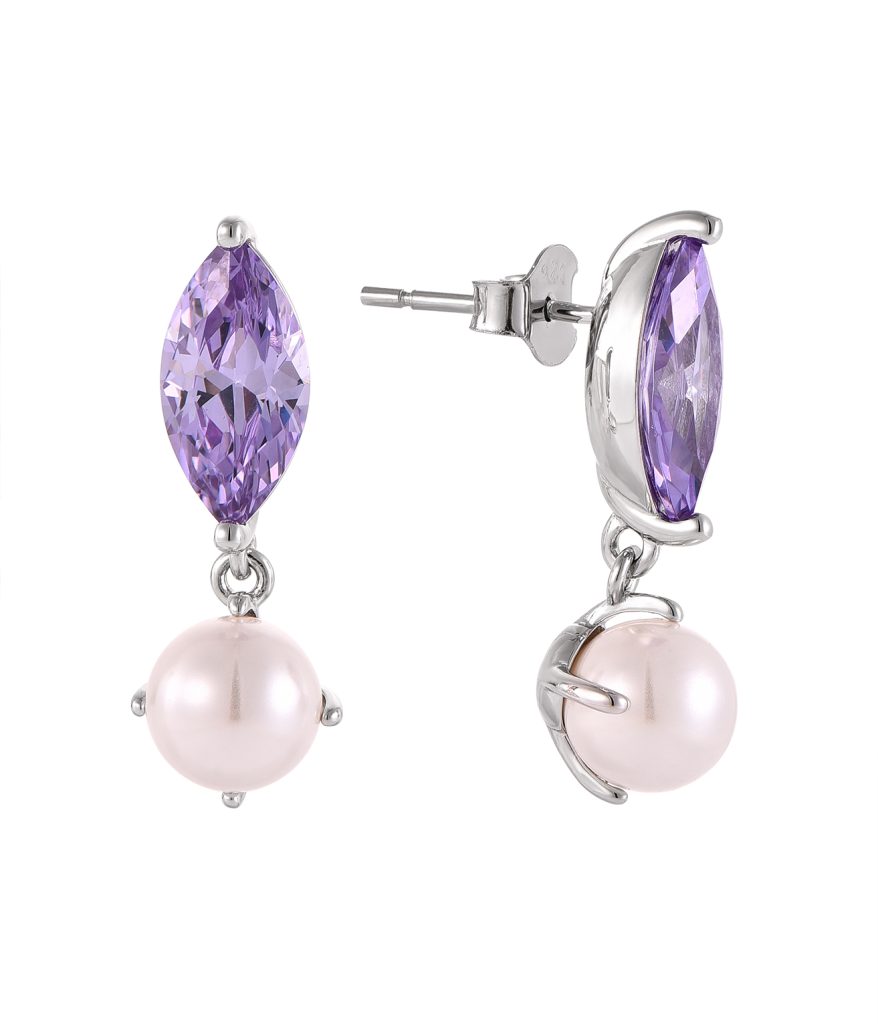
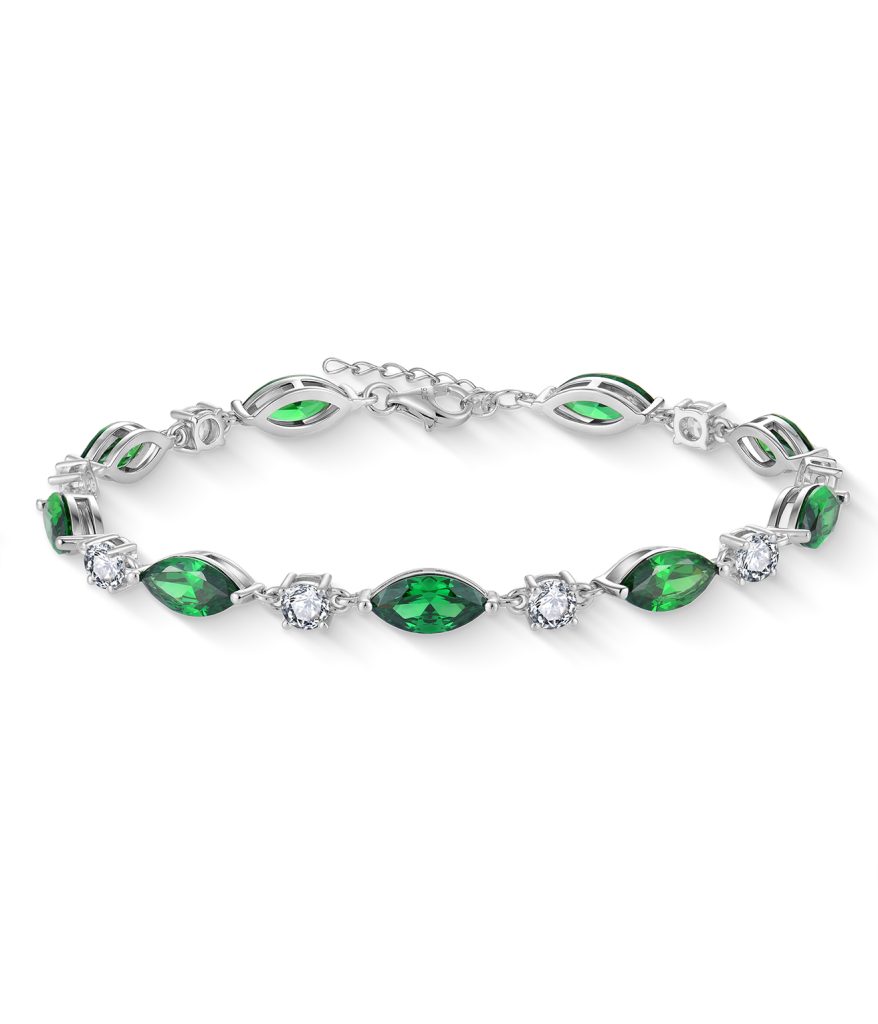


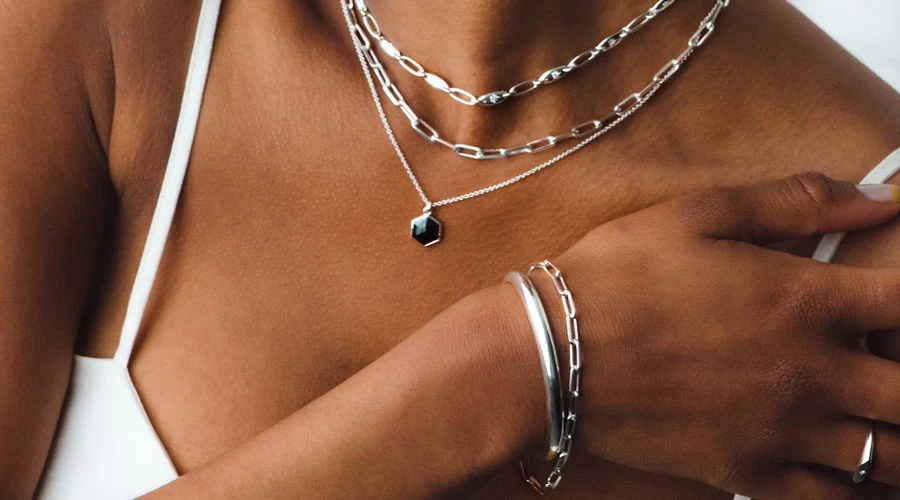
Sterling silver jewelry is widely used by jewelry brands, wholesalers, retailers, and designers. It offers a precious metal appearance, practical durability, and flexible options for different jewelry designs and finishes.
For buyers, however, choosing sterling silver jewelry involves more than the material itself. Design, construction, polishing, stone setting, plating, and quality inspection all affect the finished product.
This guide covers sterling silver jewelry types, quality, manufacturing, care, and sourcing for both consumers and B2B jewelry buyer
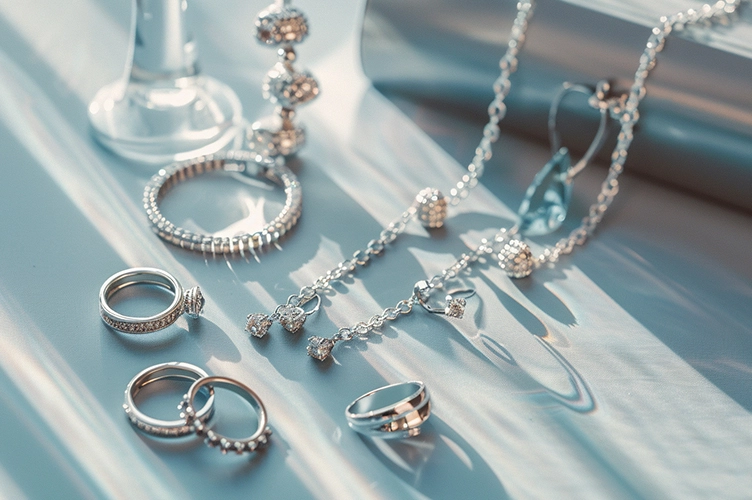
Sterling silver jewelry is jewelry made primarily from sterling silver as its base material. It is commonly used for rings, necklaces, earrings, bracelets, pendants, and gemstone jewelry.
The term 925 sterling silver refers to the silver purity of the material. For a detailed explanation of composition, purity, and hallmarks, see our guide to sterling silver composition and purity.
For finished jewelry, material specification is only one part of product quality. Manufacturing, finishing, construction, and inspection are also important.
Sterling silver is suitable for many jewelry collections because it combines a precious metal appearance with practical production characteristics.
Sterling silver can offer a precious metal option at a lower material cost than solid gold. This makes it suitable for different retail price points and jewelry collections.
Sterling silver can be used for many jewelry styles, including:
Sterling silver is designed for greater strength than pure silver. The actual durability of a piece also depends on its thickness, structure, construction, and finishing.
Sterling silver can be polished or finished with different plating options, including rhodium, 14K gold, 18K gold, and rose gold.
This allows brands to create different appearances while using the same base material.
Sterling silver rings can be produced as simple bands, statement rings, gemstone rings, and customized designs.
Important production factors include ring thickness, size, stone setting, polishing, and structural strength.
Sterling silver necklaces range from simple chains to detailed pendant designs.
For custom jewelry, brands can develop pendant shapes, gemstones, engraving, plating, and other components according to their collection requirements.
Common styles include studs, hoops, drop earrings, and gemstone earrings.
For earrings, brands should also confirm the material specifications of posts, hooks, backs, and other components.
For specific nickel requirements, see our guide to nickel free sterling silver jewelry.
Sterling silver bracelets can include chains, cuffs, links, charms, and customized designs.
Clasp construction, connections, polishing, and surface finishing are important for both appearance and durability.
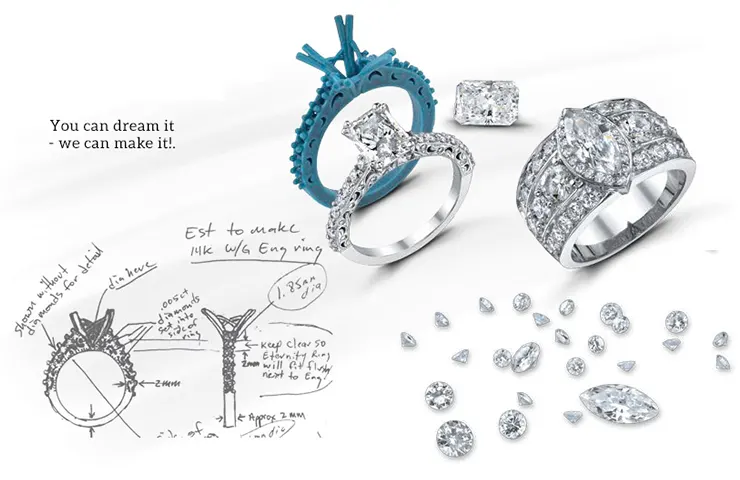
Custom sterling silver jewelry allows brands to develop products around their own designs, specifications, gemstones, plating, logos, and packaging.
Custom development can include CAD design, sampling, engraving, custom components, and private label packaging.
The quality of sterling silver jewelry depends on more than silver purity.
The base material should match the agreed specification. Product weight and dimensions should also be considered during custom jewelry development.
Good jewelry needs to balance appearance with practical construction.
Connections, clasps, stone settings, ring thickness, and moving components should all be designed for the intended use.
Casting affects the structure and surface of the jewelry. Polishing prepares the metal for finishing, while accurate stone setting helps secure gemstones and maintain the intended design.
Gold plating, rhodium plating, and other finishes can significantly change the appearance of sterling silver jewelry.
Brands should confirm the required plating color and finishing specifications before production.
Professional inspection may cover dimensions, surface quality, polishing, stone setting, plating, markings, and overall construction.
See our jewelry quality control page for more information.
The exact process varies by design, but custom sterling silver jewelry commonly involves several stages.
CAD converts a jewelry concept into a production ready design. It allows manufacturers and buyers to review dimensions, structure, and stone positions before sampling.
The approved design is converted into physical jewelry through suitable casting and forming processes.
After forming, the jewelry is polished and refined. Gemstones are then set according to the approved design when required.
The jewelry receives its specified surface finish, such as rhodium, 14K gold, 18K gold, or rose gold plating.
Finished products are inspected against the approved specifications before shipment.
For more information, see our jewelry manufacturing services.
Proper care can help maintain the appearance of sterling silver jewelry and reduce unnecessary surface wear.
Keep sterling silver jewelry away from excessive moisture, chemicals, perfumes, and cosmetics.
When not in use, store it in a clean and dry environment.
For routine cleaning, gently wipe the jewelry with a soft jewelry cloth.
Cleaning methods should be adjusted for plated jewelry, gemstones, enamel, and other special finishes.
Store pieces in a dry place and avoid excessive contact between individual jewelry items.
Separate pouches or compartments can help reduce scratches and surface contact.
Avoid unnecessary exposure to perfume, cosmetics, household chemicals, chlorinated water, salt water, and excessive moisture.
For brands and wholesalers, choosing a sterling silver jewelry manufacturer involves more than comparing prices.
Confirm the required silver purity, alloy requirements, gemstones, plating, markings, and other product specifications.
For material details, see our guide to sterling silver composition and purity.
Check whether the manufacturer can provide CAD development, casting, polishing, stone setting, plating, engraving, and quality inspection.
Confirm MOQ, sample development, and bulk production lead times before ordering.
A flexible MOQ can be useful for brands testing new designs before larger production runs.
Ask how materials, samples, production, finishing, and final products are inspected.
A clear quality control process helps maintain consistency across repeat orders.
For branded jewelry collections, discuss custom designs, logo engraving, plating, packaging, and private label requirements.
See our private label silver jewelry manufacturing service for more information.
Sterling silver jewelry wholesale can be suitable for both established companies and growing jewelry brands.
B2B buyers may need:
For brands with their own designs, OEM and ODM jewelry manufacturing can support different product development requirements.
For private label collections, manufacturers can also provide customized jewelry and branded packaging according to the project specification.
Yes. Sterling silver is widely used for jewelry because it combines a precious metal appearance with practical strength and flexible manufacturing options.
Yes, sterling silver can be suitable for everyday jewelry. Actual durability depends on the design, construction, thickness, finishing, and how the jewelry is used and maintained.
Yes. Sterling silver can naturally develop surface discoloration over time. Proper storage and regular cleaning can help maintain its appearance.
For routine care, gently wipe the jewelry with a soft jewelry cloth. Plated jewelry and gemstone pieces may require more specific cleaning methods.
There is no fixed lifespan for every piece. Well designed sterling silver jewelry can remain usable for many years when properly made, worn, and maintained.
Yes. Sterling silver supports a wide range of jewelry designs, finishes, and customization options. For B2B buyers, material specifications, manufacturing capability, MOQ, sampling, quality control, and production consistency are important considerations.
Sterling silver jewelry combines a precious metal appearance with flexible design and manufacturing options.
For consumers, product quality and proper care are important. For jewelry brands and wholesalers, material specifications, construction, finishing, sampling, customization, and quality control should also be considered.
Choosing an experienced sterling silver jewelry manufacturer can help brands develop consistent products from initial design and sampling through bulk production and final inspection.

Table of Contents Recognizing the difference between gold plated and solid gold jewelry is crucial for jewelers, distributors, and wholesalers. Understanding these
Table of Contents Endless Jewelry One-Stop Jewelry Wholesaler From Initial Sketch to Final Shipment.Endless Jewelry, we take pride in being a professional
Table of Contents In the jewelry industry, gold filled pieces are highly valued. They maintain their brilliance over time and are a
Table of Contents Ever noticed your favorite jewelry looking dull or losing its sparkle after a workout or a hot summer day?
Table of Contents Earrings stay in direct contact with the skin for hours, so the metal used for the post, back, and
Silver has long been admired for its timeless beauty, radiant shine, and cultural symbolism. From ancient civilizations to today’s jewelry industry, silver
No products in the cart.