Sterling Silver vs Stainless Steel Jewelry: Which Is Better?
Table of Contents
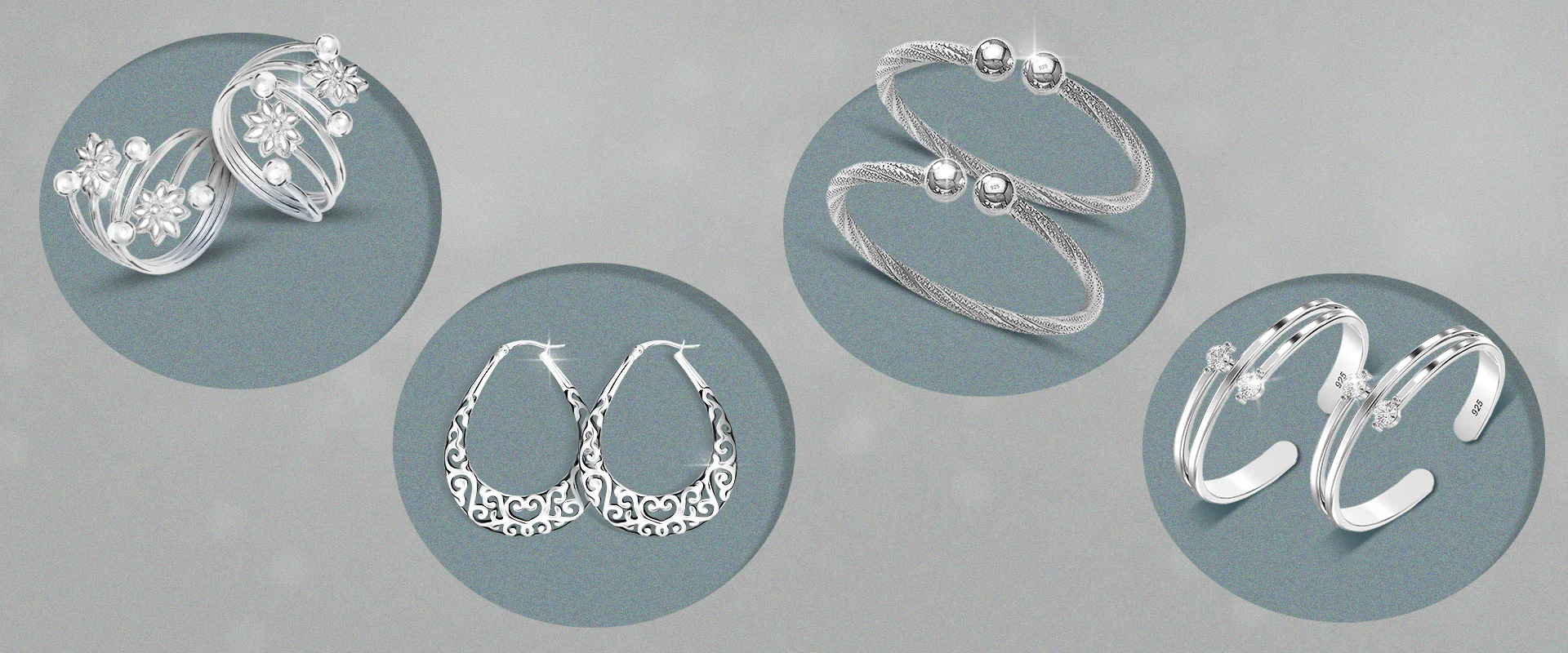
Choosing between sterling silver vs stainless steel jewelry involves more than comparing prices. For jewelry brands, wholesalers, retailers, and designers, the material affects product positioning, design possibilities, finishing options, production costs, and customer expectations.
Both materials have advantages, but they serve different purposes. Stainless steel is known for its corrosion resistance and relatively low material cost. 925 sterling silver offers precious metal content, a refined appearance, and greater flexibility for creating distinctive jewelry collections.
In this guide, we compare stainless steel vs sterling silver across necklaces, earrings, rings, durability, color, maintenance, and cost, helping jewelry businesses choose the right material for their target market.
What Is the Difference Between Sterling Silver and Stainless Steel?
What Is 925 Sterling Silver Jewelry?
925 sterling silver contains 92.5% pure silver and 7.5% other metals, usually copper. This alloy provides more strength than pure silver while retaining silver’s characteristic brightness and appeal.
Sterling silver is widely used in necklaces, earrings, rings, bracelets, pendants, and gemstone jewelry. Its workability makes it suitable for detailed designs, decorative textures, engraving, and stone settings.
For jewelry brands, 925 sterling silver is particularly suitable for collections positioned as premium fashion jewelry or demi fine jewelry. It can be polished to a bright silver finish or finished with rhodium, yellow gold, or rose gold plating to achieve different looks.
Silver can naturally tarnish over time, especially when exposed to sulfur compounds, humidity, sweat, and certain chemicals. Appropriate finishing, protective coatings, and proper care can help maintain its appearance.
What Is Stainless Steel Jewelry?
Stainless steel is an iron based alloy containing chromium and other elements. Its corrosion resistance makes it a popular material for affordable, low maintenance jewelry.
Stainless steel is commonly used for chains, rings, bracelets, and minimalist designs. Its performance depends on the grade of steel, construction, and surface finish. Some jewelry uses 304 stainless steel, while 316L stainless steel is also widely used.
Stainless steel is generally harder than sterling silver and is less prone to tarnishing under normal conditions. However, it can still scratch, and its hardness may make resizing, repair, or certain intricate manufacturing processes more difficult.
Unlike sterling silver, stainless steel does not contain 92.5% silver. The two materials therefore offer different material value, design characteristics, and brand positioning opportunities.

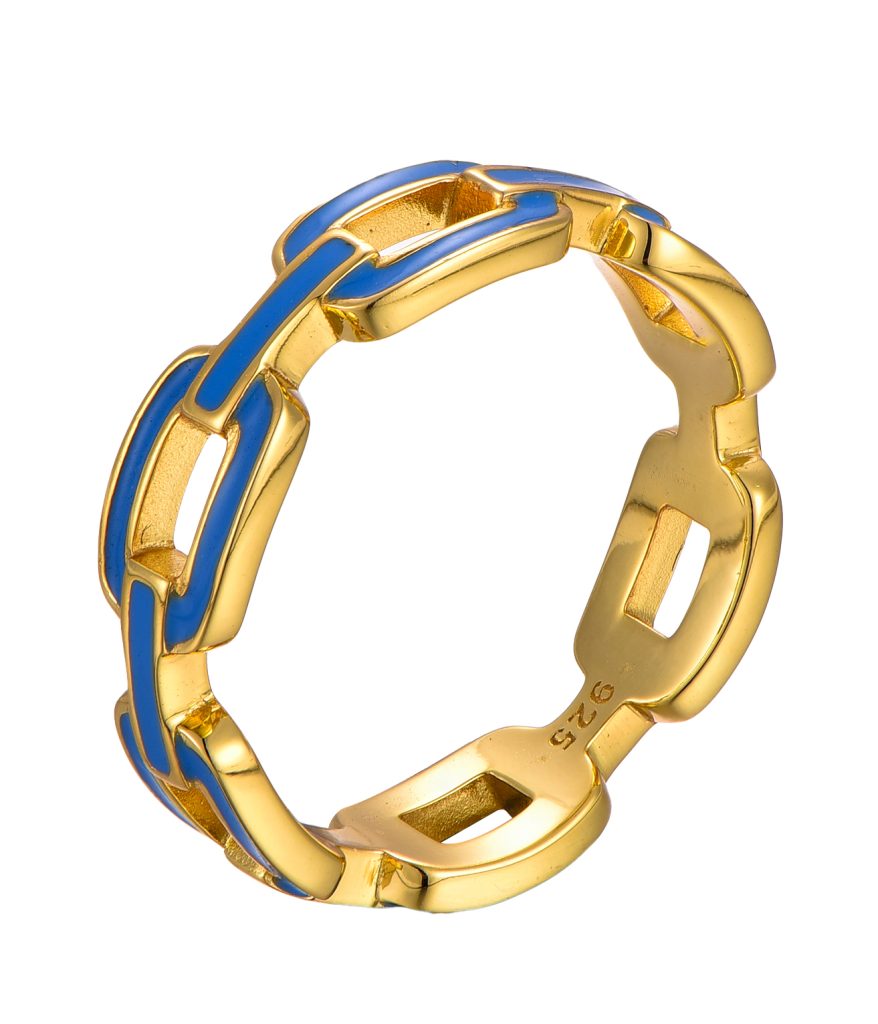


Sterling Silver vs Stainless Steel Jewelry: Key Differences
| Feature | 925 Sterling Silver | Stainless Steel |
|---|---|---|
| Material composition | 92.5% pure silver | Iron based alloy containing chromium |
| Material value | Precious metal content | Base metal |
| Appearance | Bright, refined silver tone | Usually a cooler, gray silver tone |
| Tarnish resistance | Can tarnish naturally | Generally highly resistant |
| Hardness | Softer and easier to work with | Harder and more rigid |
| Intricate designs | Well suited to detailed designs | Depends on design and manufacturing method |
| Gemstone settings | Suitable for many stone setting styles | Depends on construction and design |
| Surface finishes | Polishing, rhodium and gold plating | Polishing and various surface treatments |
| Typical material cost | Higher and affected by silver prices | Generally lower |
| Brand positioning | Premium fashion and demi fine jewelry | Affordable, durable everyday jewelry |
Actual product performance and manufacturing costs depend on design, dimensions, finishing specifications, production quantity, and quality requirements.
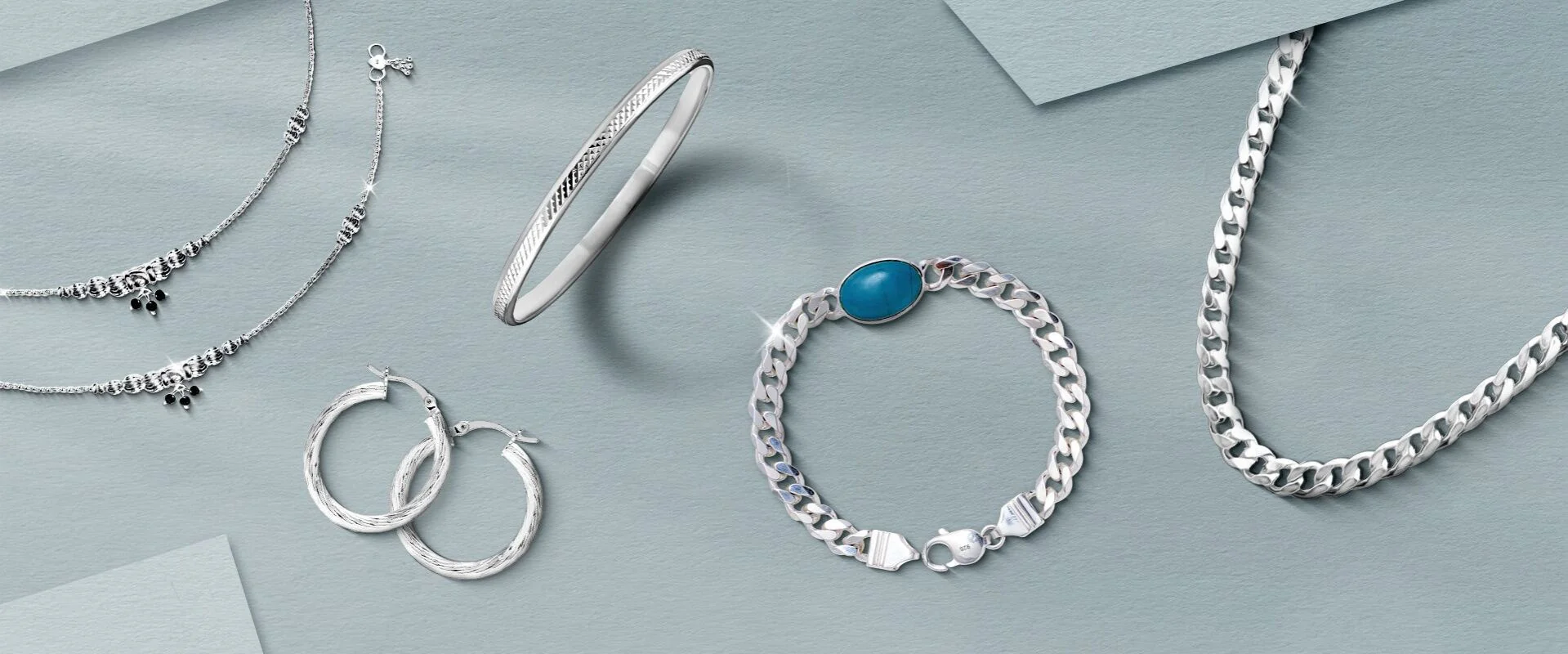
Stainless Steel vs Sterling Silver Necklace
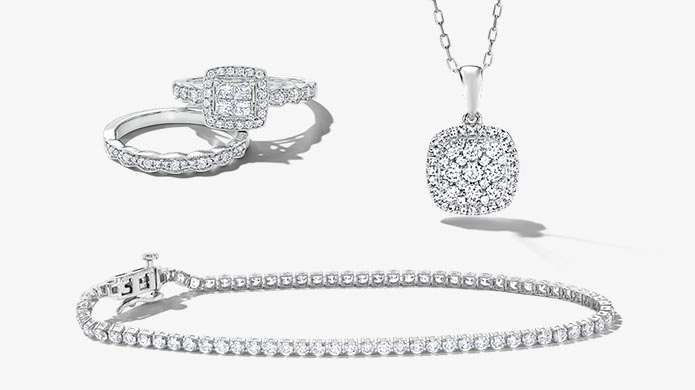
When comparing a stainless steel vs sterling silver necklace, consider more than the color of the chain.
Stainless steel necklaces are suitable for customers who prioritize low maintenance and resistance to corrosion. They are often used for minimalist chains and everyday styles.
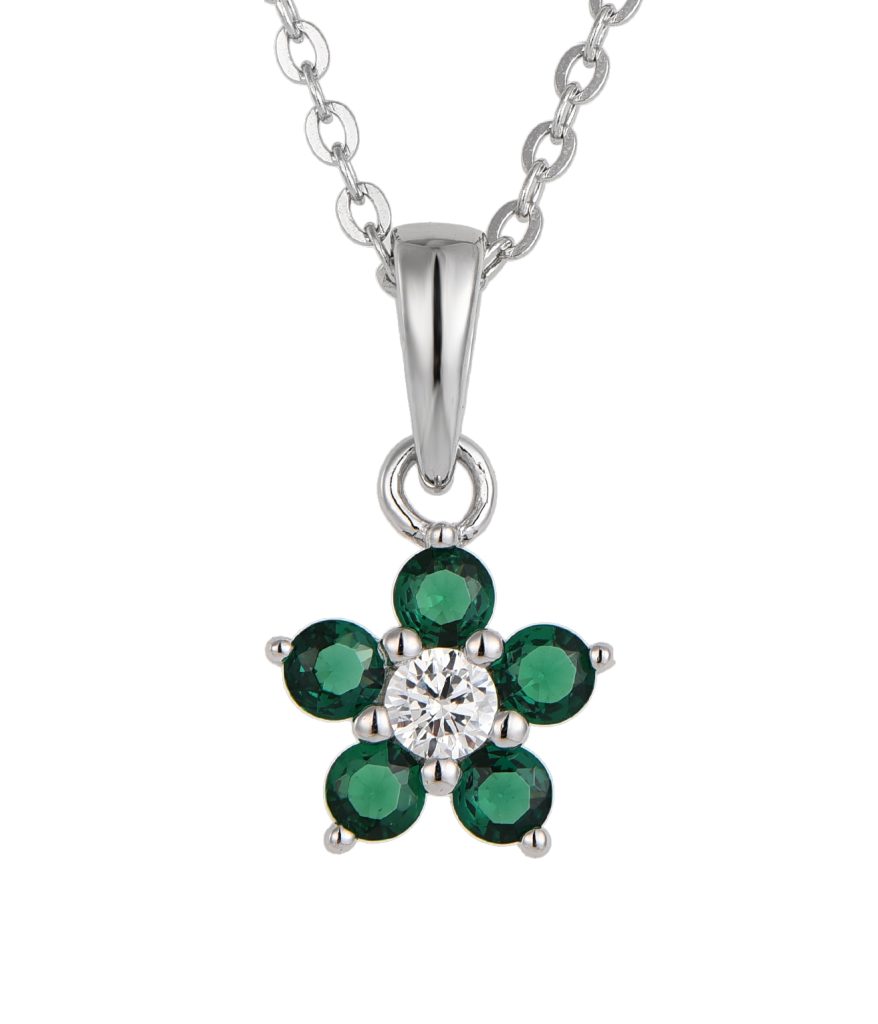
A 925 sterling silver necklace is a strong choice for brands seeking a more refined material, a precious metal story, or more elaborate pendant designs. Sterling silver can be polished, engraved, set with stones, or finished with rhodium or gold plating.
For brands developing a coordinated collection, sterling silver necklaces and pendants also offer flexibility in matching earrings, rings, and bracelets through consistent finishes and design details.
The better choice depends on the collection’s target price, intended customer, design complexity, and desired material positioning.
Stainless Steel vs Sterling Silver Earrings
For earrings, the choice between stainless steel and sterling silver depends on the design and the intended market.
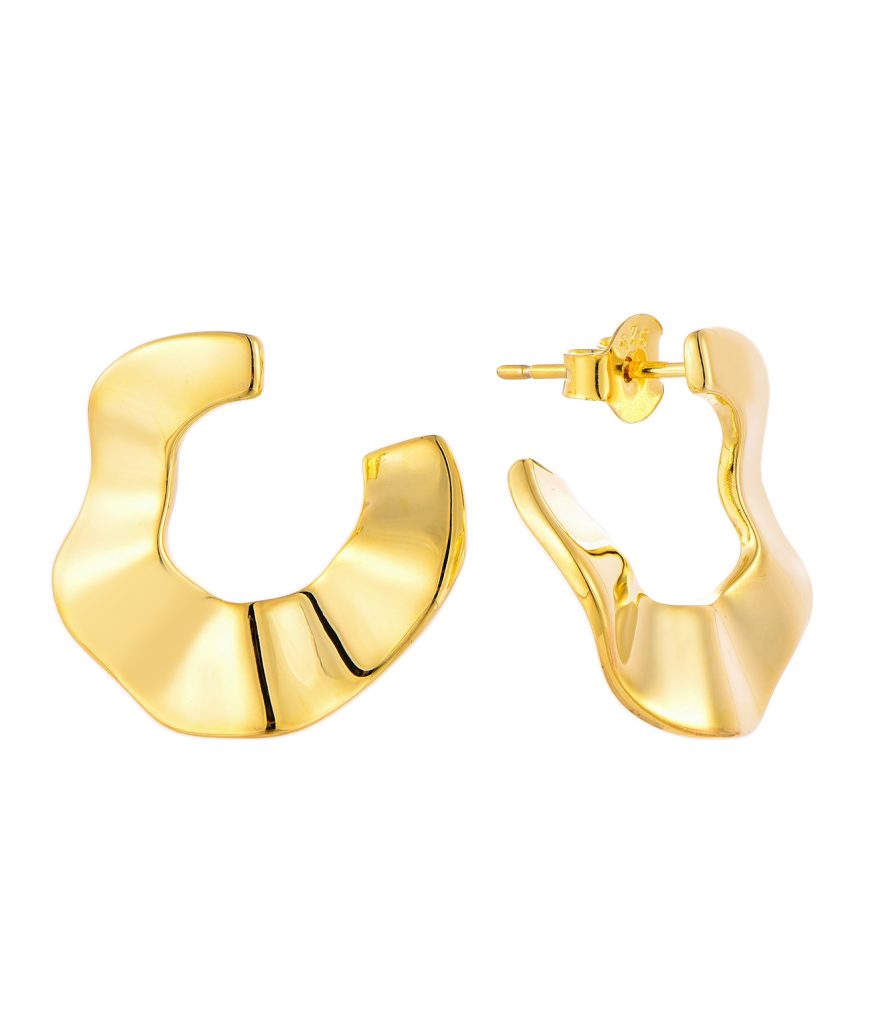
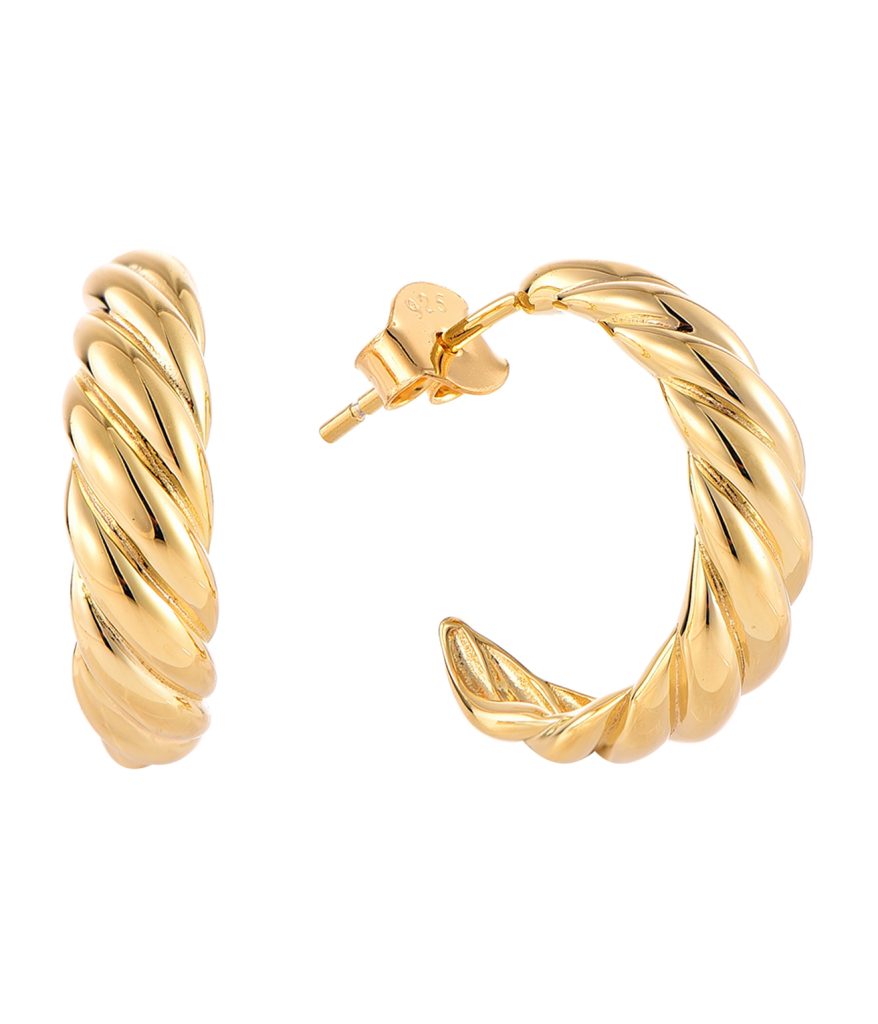
Sterling silver is particularly suitable for delicate hoops, drop earrings, intricate motifs, gemstone settings, and lightweight decorative designs. Its workability allows manufacturers to develop a wide range of shapes and surface details.
Stainless steel can work well for simple hoops, studs, and minimalist styles where strength and low maintenance are priorities.
For customers with sensitive skin, neither material should automatically be described as completely hypoallergenic. Alloy composition, plating, posts, backs, and other components should be checked against the intended market’s requirements.
For brands building a premium silver jewelry line, 925 sterling silver offers a clear material identity that can be carried consistently across different earring designs.
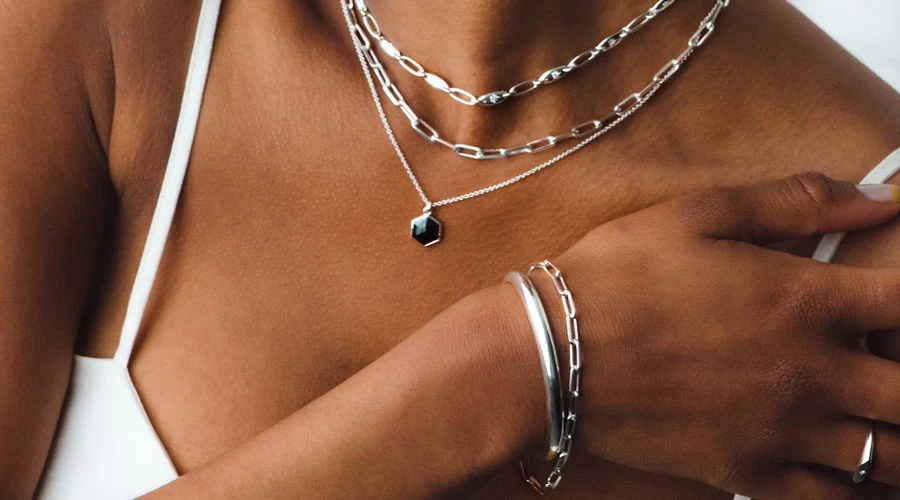
Stainless Steel vs Sterling Silver Ring
Rings are exposed to frequent contact, friction, and impact, so material selection should account for both the design and how the ring will be worn.
Stainless steel is hard and resistant to everyday corrosion, making it suitable for many simple bands and minimalist styles. However, resizing and repairing stainless steel rings can be difficult.
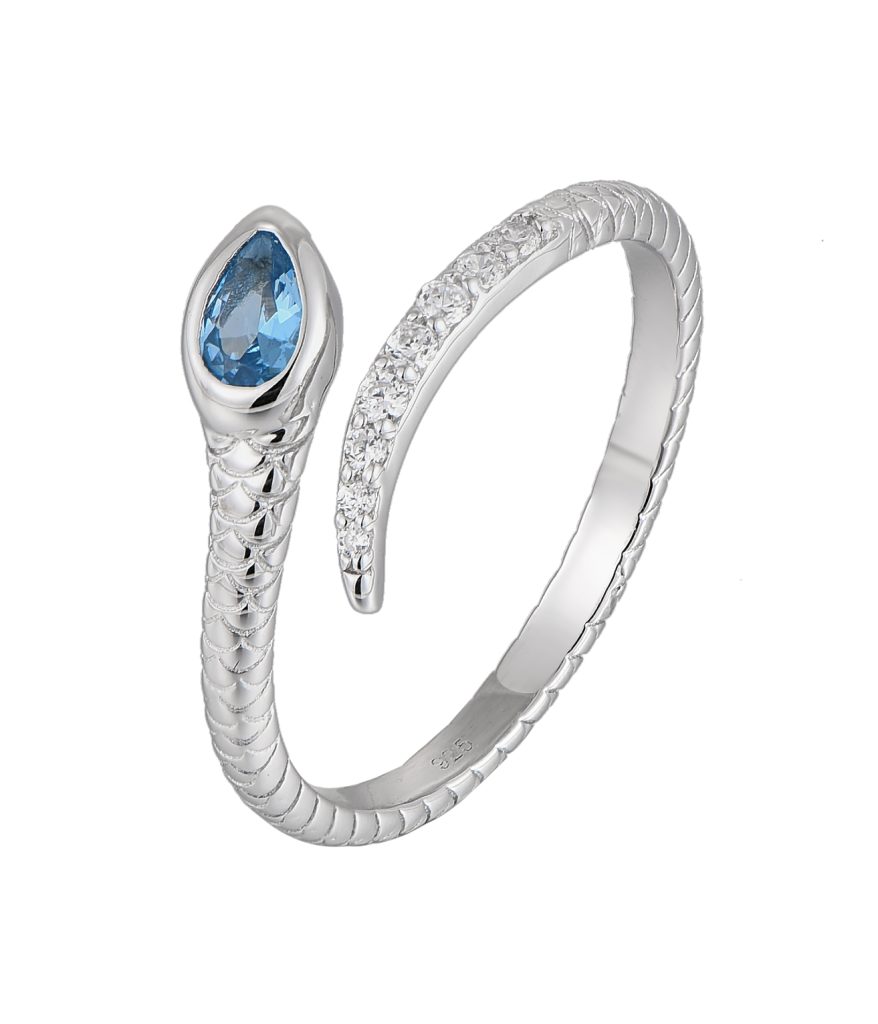
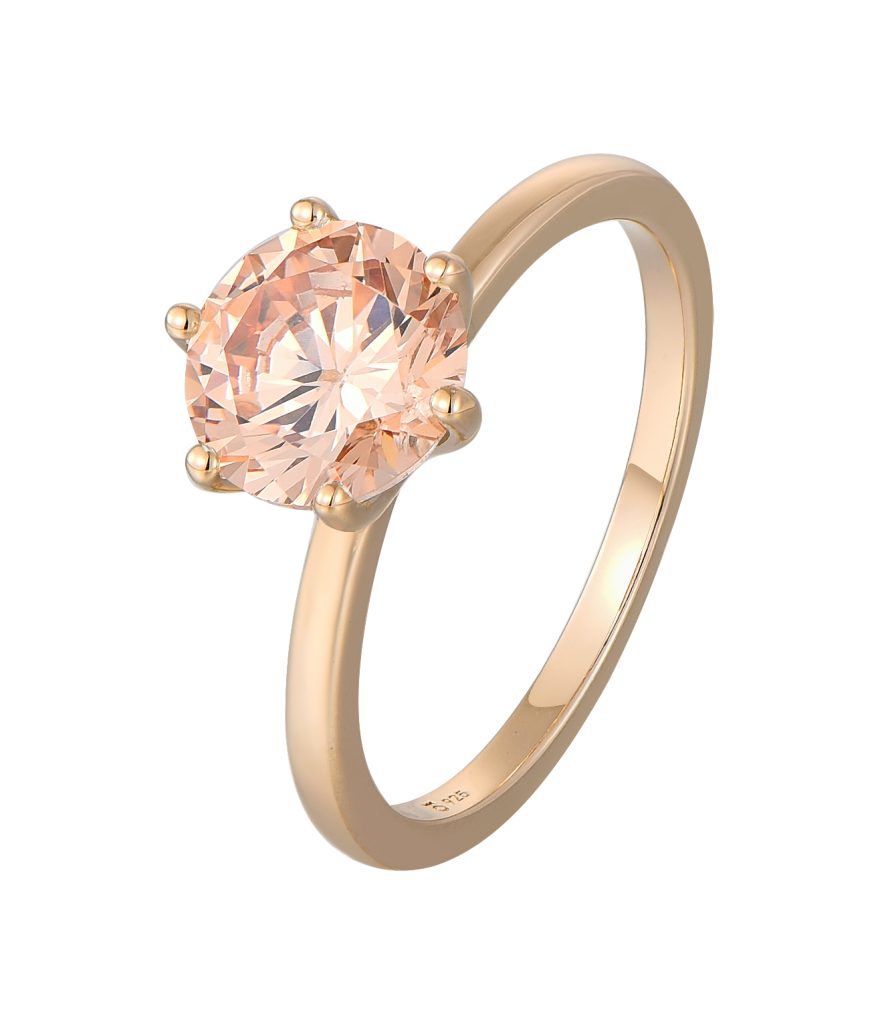
Sterling silver rings offer greater flexibility for decorative details, engraving, gemstone settings, and a variety of traditional jewelry designs. Silver is softer, so ring thickness, structural design, stone setting, and finishing quality are important for durability.
For brands developing gemstone rings or coordinated silver collections, 925 sterling silver is often a practical choice. The final specification should balance appearance, comfort, construction, and expected wear.
What Is More Expensive: Sterling Silver or Stainless Steel?
Sterling silver is generally more expensive in material terms because it contains a high proportion of precious silver. Its market price is also influenced by the current silver price, product weight, and manufacturing requirements.
Stainless steel usually has a lower material cost, making it suitable for price sensitive collections.
However, jewelry brands should compare the complete manufacturing cost rather than material price alone. Design complexity, product weight, stone setting, plating, labor, finishing, packaging, and order quantity all affect the final unit cost.
For a wholesale or private label project, a lower material cost does not automatically mean a better commercial result. The selected material should match the retail price, customer expectations, and long term positioning of the collection.
Durability, Tarnishing, and Maintenance
Does Sterling Silver Tarnish More Easily Than Stainless Steel?
Yes. Sterling silver is more susceptible to tarnishing because silver reacts with sulfur containing substances in the environment. Tarnishing usually appears as a yellowish, brown, or dark surface discoloration.
Stainless steel generally resists tarnishing and corrosion better under ordinary wearing conditions. This makes it attractive for customers who want minimal maintenance.
However, sterling silver tarnishing does not mean the jewelry is poor quality. It is a known property of silver and can often be addressed through appropriate cleaning and polishing.
For sterling silver jewelry, rhodium plating or a suitable protective coating can help reduce tarnishing and maintain a bright finish. The results depend on the coating specification, application quality, and wear conditions.
Learn more about rhodium plated vs sterling silver jewelry.
Can You Wear Sterling Silver Jewelry Every Day?
Yes. 925 sterling silver is suitable for many everyday jewelry designs when the construction and finish are appropriate for the intended use.
To help preserve its appearance, avoid prolonged contact with chlorine, harsh chemicals, and cosmetics. Remove jewelry before swimming or bathing when practical, and store it in a clean, dry place.
For brands, communicating realistic care instructions can help customers understand the material and maintain their jewelry over time.
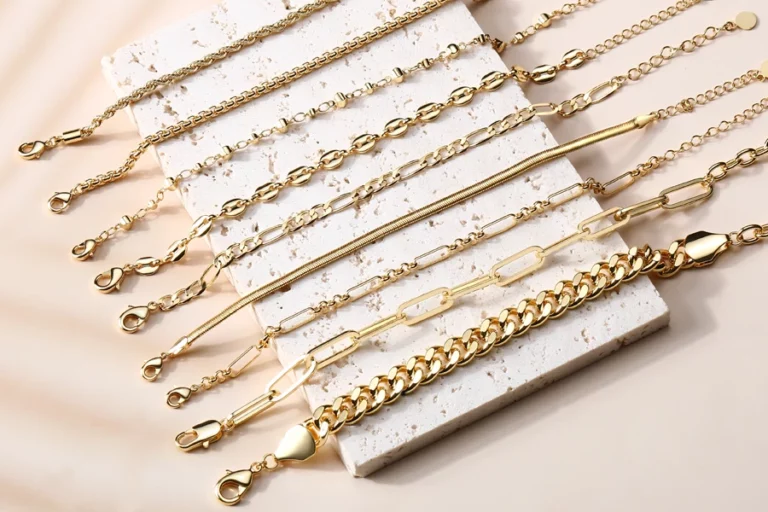
Which Material Is Better for Jewelry Brands and Wholesalers?
For jewelry businesses, the decision between stainless steel and sterling silver should start with product positioning rather than price alone.
Choose Sterling Silver for Premium and Custom Collections
925 sterling silver is worth considering when your brand needs:
A precious metal material with a clear composition standard.
Detailed designs, engraving, or gemstone settings.
Multiple finishing options, including rhodium, yellow gold, and rose gold.
Coordinated necklaces, earrings, rings, bracelets, and pendants.
A premium material story that supports the collection’s retail positioning.
Silver also provides flexibility for OEM, ODM, and private label development. Brands can work with a manufacturer to refine designs, confirm finishes, approve samples, and establish consistent product specifications.
When Does Stainless Steel Make Sense?
Stainless steel can be appropriate for brands whose main priorities are low material cost, corrosion resistance, and simple everyday designs.
However, a material that works well for one market may not be the best fit for another. Brands should assess their target retail price, design requirements, customer expectations, and supplier capabilities before deciding.
If your business is specifically developing a 925 sterling silver collection, focusing on silver quality, craftsmanship, finishing, and manufacturing consistency is more useful than choosing materials solely by their initial cost.
What Should Buyers Check When Sourcing 925 Sterling Silver Jewelry?
Before placing a wholesale or custom jewelry order, buyers should confirm several important details.
- Material specification: Confirm that the product uses 925 sterling silver and clarify the composition of any additional components.
- Design and construction: Review dimensions, weight, thickness, stone settings, clasps, and other structural details.
- Plating and finishing: Specify the desired finish and, where relevant, plating thickness and quality requirements.
- Sampling: Approve a sample to check appearance, dimensions, finishing, comfort, and workmanship before bulk production.
- Quality control: Ask how materials, stone settings, surface finishes, and finished products are inspected.
- MOQ and lead time: Confirm the minimum order quantity, sampling schedule, bulk production timeline, and any design or mold fees.
For a more detailed sourcing checklist, read our guide to 925 sterling silver jewelry quality checks for B2B buyers.
Why Work With an Experienced Sterling Silver Jewelry Manufacturer?
For jewelry brands, wholesalers, and retailers, an experienced manufacturer can help turn design concepts into products that meet the intended quality and commercial requirements.
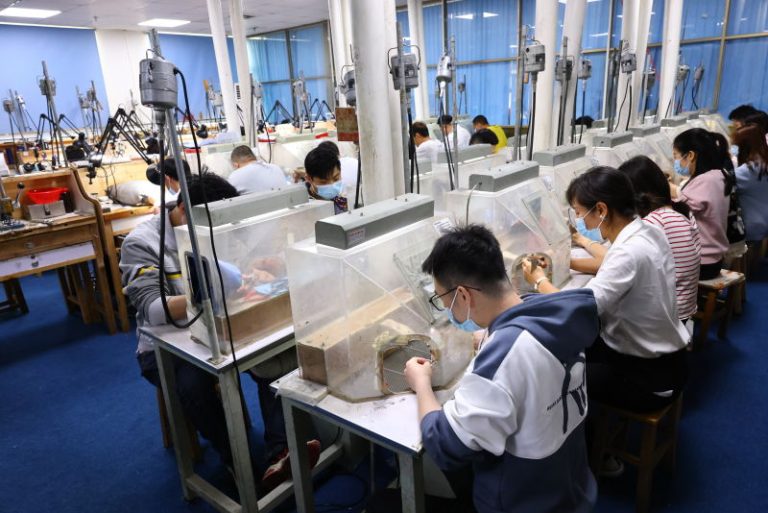
Endless Jewellery is a jewelry manufacturer based in Panyu, Guangzhou, China, with more than 15 years of jewelry production experience. Our capabilities include 925 sterling silver jewelry development, CAD support, casting, polishing, stone setting, electroplating, quality inspection, and private label customization.
We support OEM, ODM, and private label projects for brands developing necklaces, earrings, rings, bracelets, and pendants. Depending on the project, MOQ can start from 30 pieces per design, CAD development typically takes 24 to 48 hours, sampling takes around 7 to 10 days, and bulk production commonly takes 20 to 30 days.
Actual requirements and timelines depend on design complexity, materials, finishing, and order specifications.
If you are planning a new silver jewelry collection, you can learn more about our custom sterling silver jewelry manufacturing services.
Frequently Asked Questions
1.What is better, sterling silver or stainless steel?
Neither material is universally better. Sterling silver is a strong option for precious metal jewelry, intricate designs, and premium collections. Stainless steel is suitable for many affordable, low maintenance designs that prioritize corrosion resistance.
2.Is stainless steel or sterling silver better for necklaces?
Stainless steel is useful for low maintenance chains, while 925 sterling silver is suitable for refined necklaces, pendants, engraved designs, and coordinated premium collections. The right choice depends on the design and target market.
3.Is sterling silver or stainless steel better for earrings?
Sterling silver offers flexibility for detailed earrings, gemstone settings, and a broad range of finishes. Stainless steel can suit simple, durable designs. For sensitive ears, check the composition of the posts and other components.
4.Is sterling silver more expensive than stainless steel?
Generally, yes. Sterling silver contains precious metal, and its cost is influenced by silver prices and product weight. Total manufacturing cost also depends on design, labor, finishing, and order quantity.
5.Is stainless steel real silver?
No. Stainless steel is an iron based alloy containing chromium and other elements. It is not sterling silver and does not contain 92.5% silver.
6.Does 925 sterling silver tarnish?
Yes. Sterling silver can tarnish when exposed to sulfur compounds, humidity, and certain chemicals. Appropriate plating, protective coatings, cleaning, and storage can help maintain its appearance.
Final Thoughts
When comparing sterling silver vs stainless steel jewelry, the best material depends on the collection’s purpose, target customer, design, and price positioning.
Stainless steel offers good corrosion resistance and a relatively low material cost. 925 sterling silver stands out for its precious metal content, refined appearance, design flexibility, and suitability for premium jewelry collections.
For brands and wholesalers developing a silver jewelry line, the next step is to confirm the material specification, design details, finishing requirements, MOQ, and sampling plan with an experienced manufacturer.
Endless Jewellery supports custom 925 sterling silver jewelry manufacturing for brands, wholesalers, and retailers, from design development and sampling to bulk production and quality inspection.
Have a jewelry design idea or some questions?