Sterling Silver vs Pure Silver: 925 vs 999 Jewelry Guide
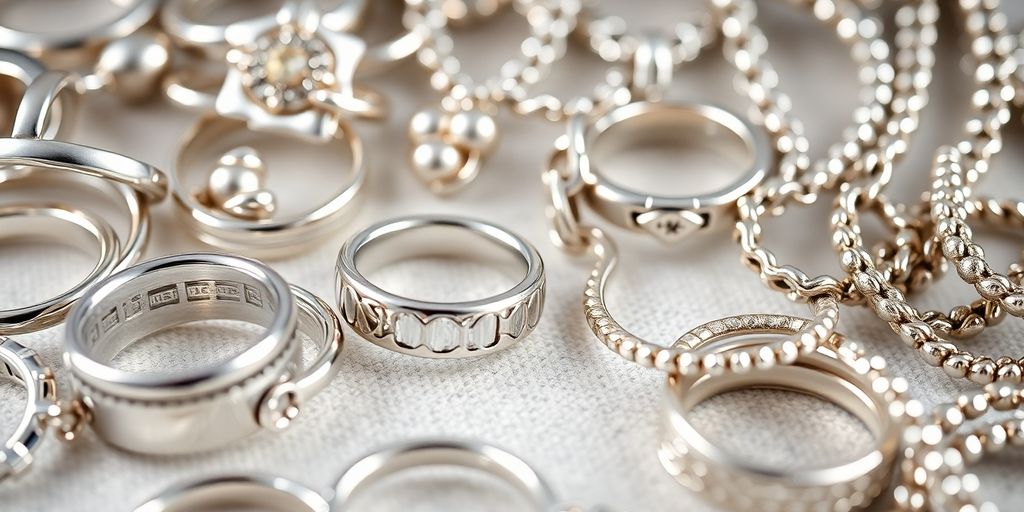
When comparing sterling silver vs pure silver, the biggest difference is not appearance but silver purity, hardness, durability, and suitability for jewelry manufacturing.
925 sterling silver contains 92.5% pure silver and 7.5% alloy metals, while pure silver, also called fine silver, typically contains at least 99.9% silver. Because pure silver is much softer, 925 sterling silver is generally the more practical choice for rings, earrings, bracelets, necklaces, gemstone jewelry, custom jewelry, and wholesale collections.
For jewelry brands, wholesalers, retailers, and designers, choosing between 925 silver vs 999 silver also affects production performance, finishing options, durability, product positioning, and cost.
This guide explains the key differences between sterling silver and pure silver and shows which material is better for everyday jewelry, custom jewelry manufacturing, OEM/ODM production, and private label collections.
Quick Answer: Sterling Silver vs Pure Silver
925 sterling silver is generally better for jewelry manufacturing and everyday wear, while 999 pure silver is better when maximum silver purity is the priority.
| Feature | 925 Sterling Silver | 999 Pure Silver |
|---|---|---|
| Silver purity | 92.5% | 99.9% |
| Common hallmark | 925, S925, .925 | 999, S999 |
| Alloy content | 7.5% | Approximately 0.1% trace elements |
| Hardness | Higher | Lower |
| Durability | Better for everyday jewelry | More prone to bending and scratching |
| Workability | Excellent for jewelry manufacturing | Too soft for many structural designs |
| Tarnish | Can tarnish | Can also tarnish |
| Appearance | Bright silver-white | Very bright silver-white |
| Gemstone setting | Excellent | Less suitable for structural settings |
| Custom jewelry | Excellent | Limited applications |
| Everyday wear | Recommended | Usually not ideal |
| Wholesale jewelry | Highly suitable | Niche applications |
| OEM/ODM production | Highly suitable | More limited |
| Typical positioning | Fine, demi-fine, premium fashion jewelry | High-purity or specialty jewelry |
The key point is simple:
Pure silver has higher purity, but sterling silver has better mechanical performance for most jewelry applications.
What Is 925 Sterling Silver?
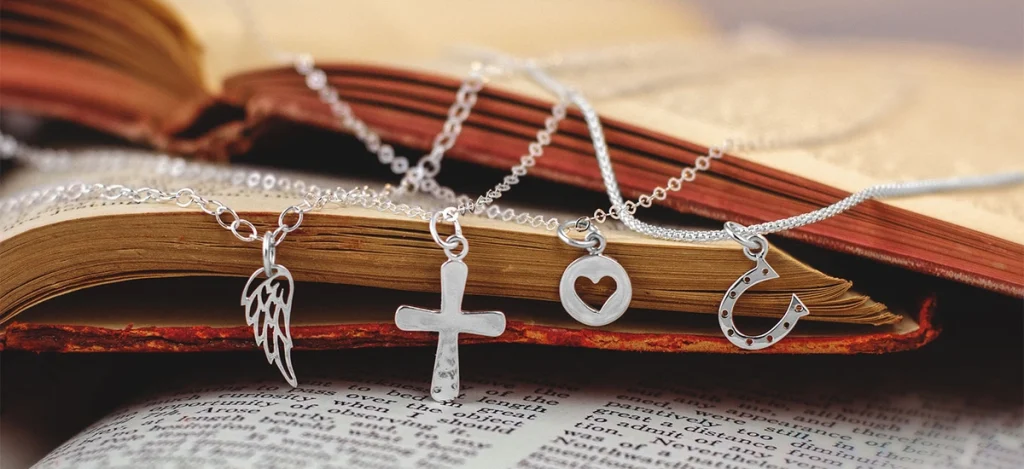
925 sterling silver is a silver alloy containing 92.5% pure silver and 7.5% other metals. Copper is commonly used as the main alloying metal because it increases hardness and strength while maintaining the characteristic appearance of silver.
The term “925 silver” refers to the silver purity, while “sterling silver” describes the material commonly made to that 92.5% standard.
You may see jewelry marked:
- 925
- S925
- .925
- Sterling
These marks are commonly used to indicate sterling silver, although a hallmark alone should not be treated as conclusive proof of metal composition. Professional testing is more reliable when material verification is required.

Why Is 925 Silver Used for Jewelry?
Pure silver is naturally soft. Adding alloy metals makes the material stronger and more suitable for manufacturing.
This makes 925 sterling silver suitable for:
- Silver rings
- Silver earrings
- Silver necklaces
- Silver bracelets
- Pendants
- Chains
- Gemstone jewelry
- Custom jewelry
- Private label jewelry
- OEM jewelry
- Wholesale jewelry collections
For manufacturers, the additional alloy content also improves the material’s ability to maintain shape during casting, polishing, stone setting, engraving, and other production processes.
What Is 999 Pure Silver?
999 pure silver, also called fine silver, contains approximately 99.9% silver.
It is one of the highest-purity silver materials commonly encountered in jewelry and silver products. Jewelry made from fine silver may be marked 999 or S999.
The main advantage of pure silver is its high silver content and bright, clean appearance.
However, high purity also creates a manufacturing limitation.
Why Is Pure Silver Softer Than Sterling Silver?
Silver is naturally a relatively soft metal. Because 999 pure silver contains almost no alloying material to increase hardness, it is easier to:
- Bend
- Scratch
- Dent
- Deform
- Lose its original shape
This is why fine silver vs sterling silver is an important consideration when developing jewelry collections.
Pure silver can work well for certain artistic, collectible, decorative, or lightweight designs, but it is generally less suitable for jewelry that needs to withstand frequent daily wear.


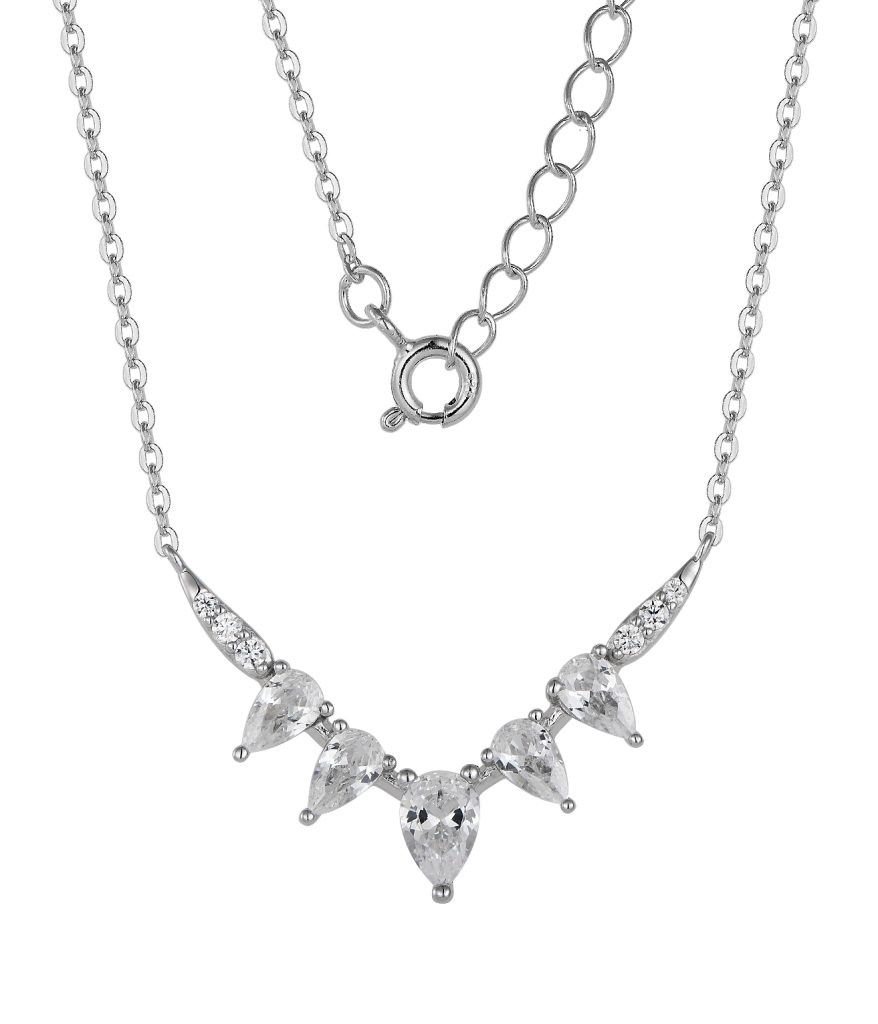
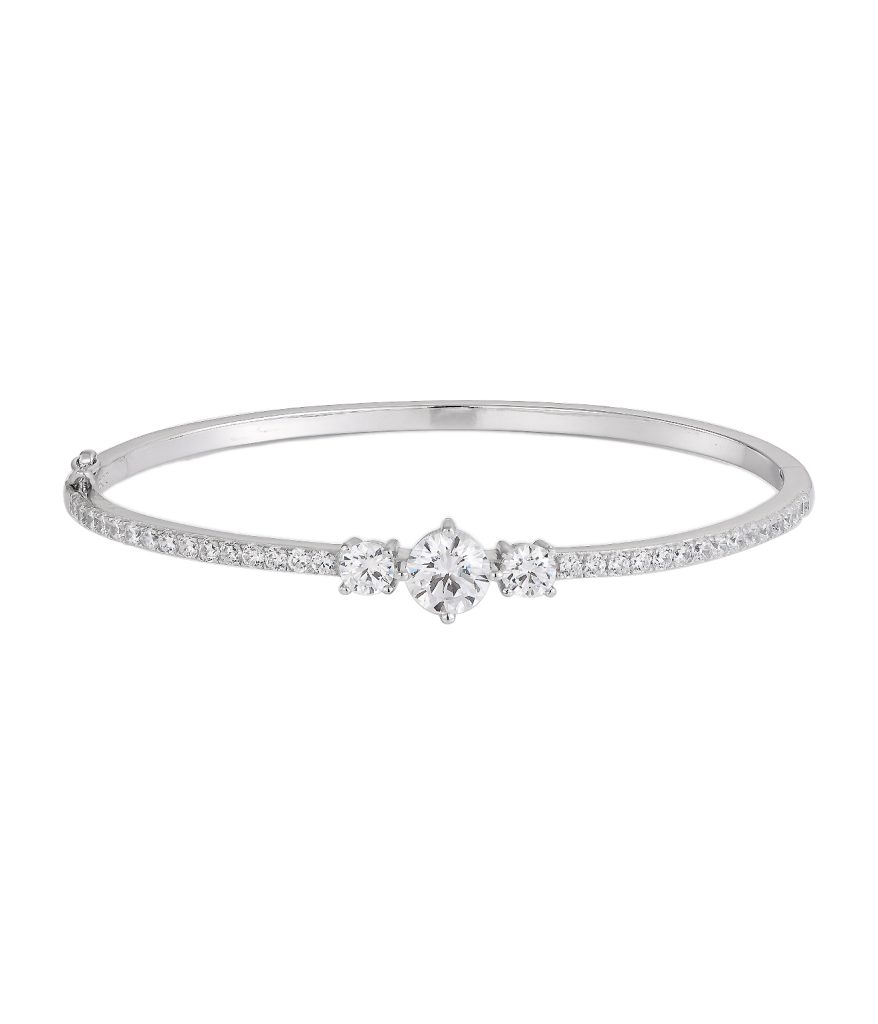
925 Sterling Silver vs 999 Pure Silver: Key Differences
The most important differences between 925 sterling silver and 999 pure silver are purity, hardness, durability, appearance, and manufacturing performance.
Silver Purity
925 sterling silver:92.5% silver + 7.5% alloy metals
999 pure silver:approximately 99.9% silver + trace elements
Therefore, if maximum silver purity is the primary requirement, 999 pure silver has the advantage.
If the priority is a combination of silver purity, durability, and manufacturing performance, 925 sterling silver is generally more practical.
Hardness and Durability
The alloy metals in sterling silver increase its hardness and structural stability.
As a result, 925 sterling silver is generally better suited to:
- Rings
- Bracelets
- Earrings
- Chains
- Gemstone settings
- Detailed jewelry
- Jewelry with moving components
- Custom jewelry designs
Pure silver can also be manufactured into jewelry, but its softness makes it more vulnerable to deformation and surface damage.
For most everyday jewelry applications, 925 sterling silver is more durable than 999 pure silver.
Appearance and Color
At first glance, sterling silver and pure silver can look very similar.
Both have a bright silver-white appearance, although the exact appearance of a finished jewelry piece depends on more than the underlying metal.
Other factors include:
- Polishing
- Surface finishing
- Rhodium plating
- Gold plating
- E-coating
- Brushing
- Sandblasting
- Stone setting
- Manufacturing quality
Therefore, higher silver purity does not automatically mean a finished piece of jewelry will look more premium.
Tarnish Resistance
A common misconception is that pure silver does not tarnish because it contains more silver.
Both 925 sterling silver and 999 pure silver can tarnish or discolor over time.
Silver can react with substances in the surrounding environment. Tarnishing can be influenced by:
- Moisture
- Air exposure
- Sulfur compounds
- Perspiration
- Cosmetics
- Perfume
- Chlorinated water
- Household chemicals
Sterling silver can be particularly affected by its alloy composition, while fine silver can also develop surface discoloration under certain environmental conditions.
For commercial jewelry, surface finishing, storage, customer care, and manufacturing quality can all affect long-term appearance.
Which Is Better for Everyday Jewelry?
For most everyday jewelry, 925 sterling silver is usually the better choice.
Everyday jewelry needs to withstand repeated:
- Friction
- Bending
- Impact
- Contact with clothing
- Contact with skin
- Surface abrasion
- General handling
The increased hardness of sterling silver makes it better suited to these conditions.
Is Pure Silver Good for Everyday Jewelry?
Yes, pure silver can be used for jewelry, but it is generally less practical for designs that experience significant daily wear.
Simple lightweight pieces may perform well, while rings, structural components, and delicate settings generally benefit from the greater hardness of sterling silver.
Sterling Silver vs Pure Silver for Custom Jewelry Manufacturing
For custom sterling silver jewelry, 925 silver is generally the more versatile material.
This is especially relevant when a design requires:
- CAD development
- Prototyping
- Wax modeling
- Precision casting
- Intricate details
- Stone setting
- Laser engraving
- Polishing
- Plating
- Repeated bulk production
The additional alloy content provides greater structural stability during many manufacturing processes.
Why Jewelry Manufacturers Prefer 925 Sterling Silver
From a B2B manufacturing perspective, material selection is not only about purity.
A custom jewelry project typically involves:
Design → CAD → Mold → Casting → Polishing → Stone Setting → Plating → Quality Control → Bulk Production
Each stage can affect the final product.
For example, softer materials can create additional challenges when a design contains:
- Thin sections
- Fine prongs
- Delicate chains
- Intricate textures
- Small stone settings
- Moving components
- Structural connections
For this reason, 925 sterling silver is widely used for custom jewelry manufacturing and commercial jewelry production.
925 Sterling Silver for OEM and ODM Jewelry
925 sterling silver is a practical material for OEM and ODM jewelry manufacturing because it combines high silver content with good mechanical performance and design flexibility.
Depending on the manufacturer, customization can include:
- Custom CAD designs
- Custom molds
- Custom logos
- Laser engraving
- Custom gemstones
- Custom plating colors
- Custom finishes
- Custom packaging
- Private label branding
- Product development
- Bulk production
For jewelry brands, this makes sterling silver suitable for both new product development and established collections.
925 Sterling Silver for Wholesale and Private Label Jewelry
For wholesalers, retailers, and private label brands, material selection affects product positioning, durability, and target price.
925 sterling silver offers a practical balance between material quality and commercial performance.
It can be used for:
- Fine jewelry
- Demi-fine jewelry
- Premium fashion jewelry
- Everyday jewelry
- Personalized jewelry
- Birthstone jewelry
- Gemstone jewelry
- Bridal accessories
- Private label collections
- Wholesale jewelry collections
Compared with 999 pure silver, sterling silver is generally more versatile for collections that require consistent production and long-term wear.
Is 925 Sterling Silver Real Silver?
Yes.
925 sterling silver is genuine silver.
The number 925 means that the alloy contains 92.5% silver by weight.
The remaining 7.5% consists of alloy metals used to improve physical properties such as hardness and durability.
Therefore:
925 sterling silver is not the same as silver-plated jewelry.
925 Sterling Silver vs Silver-Plated Jewelry
These two materials should not be confused.
925 sterling silver is a silver alloy throughout the material.
Silver-plated jewelry consists of another base material with a layer of silver applied to the surface.
For B2B buyers, always confirm the material specification with the manufacturer before placing a bulk order.
How to Verify 925 Sterling Silver Quality
A hallmark such as 925, S925, .925, or Sterling can provide an initial indication of silver content.
However, a hallmark alone should not be treated as conclusive proof of authenticity.
For professional jewelry sourcing, buyers and manufacturers can use several verification methods.
Silver Hallmarks and Material Claims
Before placing a wholesale or OEM order, buyers should confirm:
- Silver purity
- Alloy composition
- Material specifications
- Supplier documentation
- Applicable testing requirements
- Product labeling requirements
For private label jewelry, accurate material claims are particularly important because product descriptions and packaging should match the actual material.
XRF Testing and Material Verification
X-ray fluorescence (XRF) is commonly used for non-destructive elemental analysis of metals.
For B2B jewelry buyers, material testing can help verify whether a production batch meets the agreed material specification.
Depending on the project, buyers may also request:
- Material certificates
- Third-party testing
- Assay testing
- Production batch inspection
- Quality inspection reports
The appropriate verification method depends on the buyer’s market, order requirements, product specifications, and compliance needs.
Is 925 Sterling Silver Hypoallergenic?
925 sterling silver can be suitable for many customers, but 925 by itself does not guarantee that a jewelry piece is hypoallergenic.
The composition of the remaining alloy metals matters.
For brands targeting customers with sensitive skin, it is better to specify requirements such as:
- Nickel-free sterling silver
- Skin-friendly alloy composition
- Verified material composition
- Appropriate plating
- Relevant quality testing
This is particularly important for earrings because they remain in prolonged contact with the skin.
B2B buyers should confirm the exact material composition with their jewelry manufacturer instead of relying only on the “925” marking.
Can 925 Sterling Silver Be Plated?
Yes.
925 sterling silver can be finished with different plating systems depending on the desired appearance, product positioning, and performance requirements.
Rhodium Plating
Rhodium plating can give sterling silver a bright white appearance and may improve surface hardness and resistance to discoloration.
It is commonly used for:
- Rings
- Earrings
- Necklaces
- Bracelets
- High-shine jewelry collections
Gold Plating
Sterling silver can also be gold plated to create yellow gold or rose gold finishes.
This allows jewelry brands to develop different visual styles while using sterling silver as the base material.
Gold plating specifications can vary depending on the project, so buyers should confirm the requested plating standard with the manufacturer.
E-Coating
E-coating can be used as an additional protective finish on suitable jewelry designs.
For collections where surface durability and tarnish resistance are important selling points, an appropriate coating system may provide additional protection.
The final performance depends on factors such as:
- Base material
- Surface preparation
- Plating thickness
- Coating process
- Product design
- Usage conditions
- Manufacturing quality
How to Choose a 925 Sterling Silver Jewelry Manufacturer
Choosing a 925 sterling silver jewelry manufacturer involves more than comparing unit prices.
For B2B jewelry brands, wholesalers, and private label companies, supplier evaluation should cover materials, product development, finishing, quality control, and production capability.
Material and Silver Purity
Ask the manufacturer:
- Is the product made from genuine 925 sterling silver?
- What alloy composition is used?
- Is the material nickel-free?
- Can material documentation be provided?
- Is material testing available?
CAD and Custom Jewelry Development
For custom jewelry projects, confirm whether the manufacturer can provide:
- In-house CAD development
- 3D modeling
- Custom molds
- Prototyping
- Sample development
- Design modifications
- Production-ready files
A manufacturer with an integrated development process can help reduce communication problems between design and production.
Plating and Finishing
Ask about available finishing options, including:
- Rhodium plating
- Gold plating
- Rose gold plating
- E-coating
- Polishing
- Brushed finishes
- Other custom surface treatments
For B2B projects, also confirm whether plating thickness and finishing requirements can be specified before bulk production.
Quality Control and Testing
A reliable jewelry manufacturer should have clear quality control procedures.
Depending on the project, buyers may evaluate:
- Silver purity
- Product weight
- Dimensions
- Casting quality
- Surface finish
- Stone setting
- Plating quality
- Logo placement
- Packaging
- Final inspection
For larger OEM and private label orders, quality standards should be agreed before production begins.
MOQ and Production Lead Time
Before ordering, confirm:
- Minimum order quantity
- Sample lead time
- Bulk production lead time
- Repeat-order process
- Custom packaging options
- Shipping arrangements
These factors can have a significant impact on the total sourcing cost and launch schedule.
What Affects 925 Sterling Silver Jewelry Manufacturing Cost?
Silver price is only one component of the final jewelry manufacturing cost.
For custom sterling silver jewelry, pricing can also depend on:
- Silver weight
- Product dimensions
- CAD development
- Mold or tooling
- Gemstones
- Stone setting
- Surface finishing
- Plating
- Engraving
- Labor
- Packaging
- Order quantity
- MOQ
- Customization requirements
For example, two 925 sterling silver rings can have very different wholesale prices even when both use the same silver standard.
A lightweight plain ring and a heavier custom ring with gemstones, engraving, complex CAD, and premium finishing should not be expected to have the same unit cost.
For this reason, B2B buyers should compare complete specifications and total production requirements, rather than comparing the silver material price alone.
925 Sterling Silver vs Pure Silver: Pros and Cons
Pros and Cons of 925 Sterling Silver
Advantages:
- 92.5% silver content
- Higher hardness than pure silver
- Better suited to everyday jewelry
- Suitable for gemstone settings
- Excellent for custom jewelry
- Flexible for plating
- Suitable for OEM and ODM production
- Suitable for wholesale collections
- Suitable for private label jewelry
- Good balance between quality and durability
Considerations:
- Contains alloy metals
- Can tarnish
- May require cleaning or maintenance
- Alloy composition should be checked for sensitive-skin applications
- More expensive than many base-metal alternatives
Pros and Cons of 999 Pure Silver
Advantages:
- Approximately 99.9% silver
- Very high silver purity
- Bright natural appearance
- Suitable when purity is the main selling point
- Useful for collectible and specialty applications
- Highly malleable
Considerations:
- Softer than sterling silver
- More easily scratched
- More easily bent or dented
- Less suitable for some structural jewelry designs
- Less practical for heavy everyday wear
- More limited for some commercial jewelry applications
Which Is Better: Sterling Silver or Pure Silver?
The right choice depends on the product requirements.
Choose 925 sterling silver when you prioritize:
- Durability
- Everyday wear
- Custom designs
- Gemstone settings
- OEM/ODM production
- Wholesale jewelry
- Private label collections
- Manufacturing consistency
Choose 999 pure silver when you prioritize:
- Maximum silver purity
- Specialty applications
- Collectible products
- Certain artistic designs
- High-purity positioning
For most commercial jewelry brands, 925 sterling silver provides the more versatile combination of purity, durability, design flexibility, and manufacturing performance.
Frequently Asked Questions
1.Is sterling silver the same as pure silver?
No. Sterling silver typically contains 92.5% silver, while pure or fine silver contains approximately 99.9% silver.
2.Is 925 silver real silver?
Yes. 925 sterling silver is genuine silver containing 92.5% silver by weight, with the remaining portion made up of alloy metals.
3.Is 925 sterling silver better than 999 silver?
For most jewelry applications, 925 sterling silver is more practical because it is harder and more suitable for everyday wear, custom jewelry, gemstone settings, and commercial manufacturing.
4.What is the difference between 925 and 999 silver?
The primary difference is silver purity. 925 silver contains 92.5% silver, while 999 silver contains approximately 99.9% silver.
5.Which is more durable, sterling silver or pure silver?
925 sterling silver is generally more durable because its alloy composition provides greater hardness and structural stability.
6.Does pure silver tarnish?
Yes. 999 pure silver can still develop surface discoloration when exposed to environmental contaminants.
Final Takeaway: 925 Sterling Silver vs Pure Silver
The difference between sterling silver and pure silver comes down to a basic trade-off:
999 pure silver prioritizes purity.
925 sterling silver prioritizes a balance of purity, strength, durability, and manufacturability.
For jewelry brands, wholesalers, retailers, and designers, 925 sterling silver is generally the more versatile choice for custom jewelry, OEM/ODM production, private label collections, gemstone jewelry, and everyday wear.
When sourcing from a professional sterling silver jewelry manufacturer, do not evaluate suppliers only by silver price or a 925 stamp. Also consider material verification, alloy specifications, CAD capability, finishing quality, plating specifications, quality control, MOQ, sample development, production lead time, and customization capabilities.
For B2B jewelry projects, the best material is ultimately the one that matches your product design, target market, price positioning, durability requirements, and manufacturing specifications.
Have a jewelry design idea or some questions?