The Ultimate Guide to Gold Bonded Jewelry 101
Gold bonded jewelry is favored by jewelers and dealers for its luxurious appearance, lasting durability, and cost-effectiveness. While alternatives such as gold-plated, vermeil, and gold-filled jewelry each serve different purposes and budgets, gold bonded offers unique advantages. This guide examines the durability of gold bonded jewelry, compares it with gold-plated pieces, and explains why it stands out as a premium choice in the jewelry market.

What is Gold-Bonded Jewelry?
Gold-bonded jewelry is made by bonding a thick layer of real gold (at least 5% of the item’s total weight) to a base metal, most commonly 925 sterling silver, using heat and pressure. For consumers who seek great jewelry without the cost of real gold, it presents a beautiful look and long-lasting quality. This jewelry type is between the value and lastability of electroplated and actual gold pieces.
How is Gold-Bonded Jewelry Made?
What exactly does bonded gold mean? To answer that, we should know how it is made. Heat and high pressure are used to bond the gold covering to a base metal, creating gold-bonded jewelry. Base metal is generally 925 sterling silver. The gold layer must be at least 5% of the entire weight to be gold-bonded. This method bonds better than gold plating, resulting in better resistance against wear and tarnish.
Key Characteristics of Gold-Bonded Jewelry
- Thicker Gold Layer: Gold-bonded items have a far thicker gold covering than plated jewelry, which provides a more luxurious feel and durability.
- Durability and Strength: The bonding technique guarantees that the gold stays tightly to the base metal, therefore resisting fading, chipping, and tarnishing.
- Hypoallergenic: Gold-bonded jewelry is a good choice for consumers with sensitive skin, as its foundation is sterling silver, less likely to cause skin discomfort.
Why Choose Gold-Bonded Jewelry?
Is gold bonded jewelry worth anything? Definitely yes, gold-bonded jewelry balances cost and beauty. It looks and feels like real gold and lasts years with proper care, outlasting gold-plated alternatives. It offers jewelers and vendors a high-value product that appeals to consumers seeking durability and beauty on a budget.

Gold Bonding vs Other Plating Methods
Gold-bonded jewelry is one of the many ways to achieve the look of gold without the cost of solid gold. Jewelry manufacturers also offer other options, such as gold-plated, vermeil, and gold-filled jewelry. Each of these methods differs significantly in durability, quality, and price. Below is a comparison of gold bonded jewelry versus gold plated, vermeil, and gold filled pieces—designed to help you select the best option for your target jewelry market.
Gold Plating
Gold bonded and gold plated jewelry are not the same. Gold plating is one of the most common and budget-friendly methods to achieve a gold-like appearance. This process involves electroplating a very thin layer of gold—typically around 0.05 microns thick—onto a base metal such as brass, stainless steel, or sterling silver.
When comparing gold bonded vs gold plated jewelry, gold bonded pieces usually feature a thicker gold layer and provide better durability. In contrast, the ultra-thin gold layer on plated jewelry (often less than 1 micron) makes it more prone to fading, chipping, and wear over time.
While gold-plated jewelry offers a beautiful shine when new, it is less resistant to tarnish and damage, especially with frequent wear or exposure to moisture and chemicals. This makes gold-plated pieces ideal for fashion or costume jewelry but less suitable for long-term everyday use.



Gold Vermeil
Is gold vermeil the same as gold filled? No, they are not the same. The method uses a sterling silver foundation and a coating of pure gold electroplated. The gold layer must be at least 2.5 microns thick. This is thinner than the gold layer in bonded jewelry, even if it is thicker than common gold plating.
A gold vermeil jewelry manufacturer offers this for customers who want pieces that are durable and more valuable than electroplated ones.

Gold Filled
Gold-filled jewelry is another popular option that features a much thicker gold layer compared to gold plating or vermeil. This process uses mechanical and chemical bonding to attach a solid layer of gold to a base metal, typically brass, and requires the gold content to be at least 5% of the piece’s total weight. While the base metal is usually brass rather than sterling silver, gold-filled jewelry shares similarities with gold bonded jewelry in terms of structure and wearability.
With its substantial gold coating, gold-filled jewelry offers greater durability than gold-plated or vermeil pieces, making it more resistant to tarnish, fading, and everyday wear.
A gold-filled jewelry manufacturer often appeals to buyers seeking pieces that are almost as durable and long-lasting as solid gold jewelry, yet far more affordable. Thanks to its higher gold content and lasting quality, this method can help jewelry businesses target a niche market that values both beauty and longevity without the high cost of solid gold.

Does Gold Bonded Jewelry Tarnish?
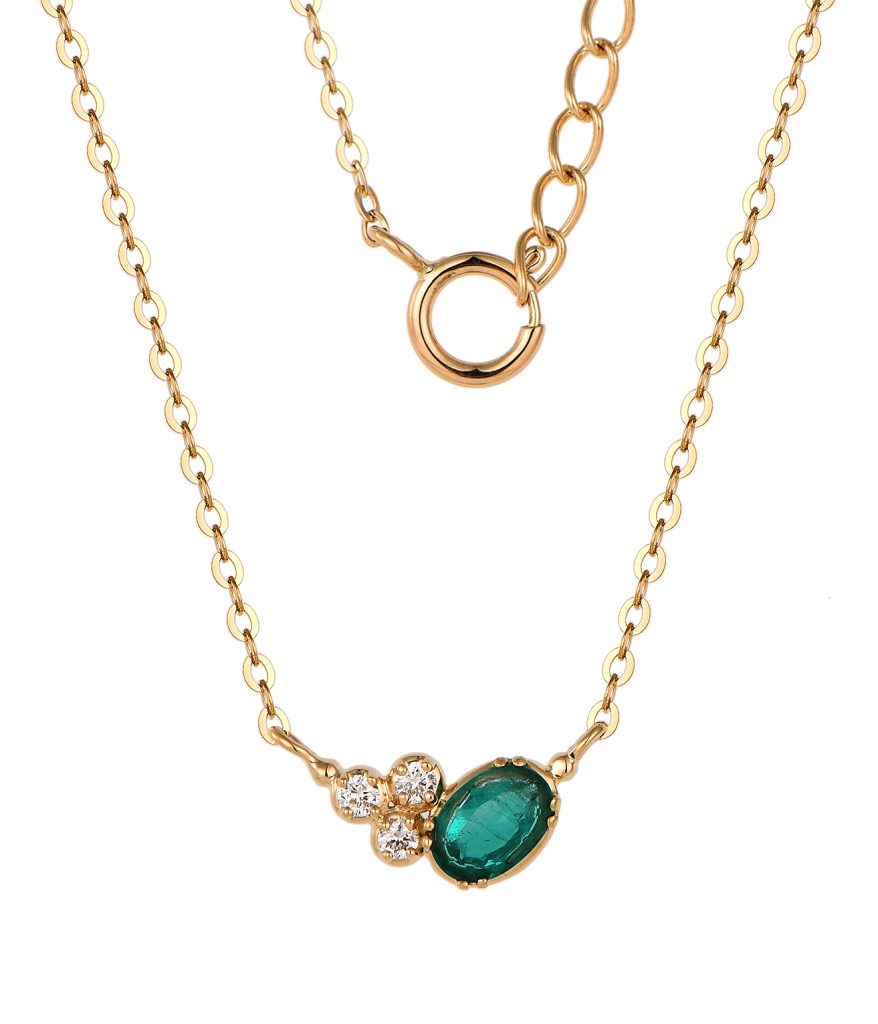
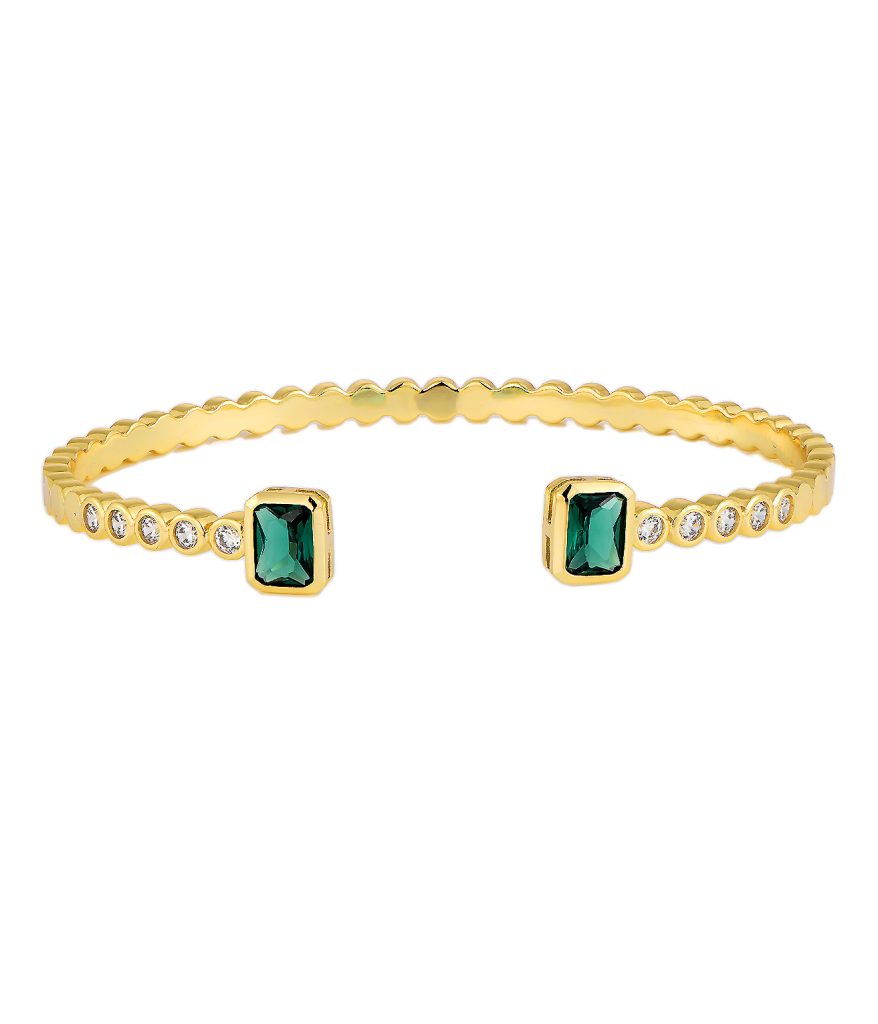
Gold-bonded jewelry resists tarnishing due to its high-quality materials and strong bonding process. Electroplated pieces have a thin film of gold that peels off fast, whereas gold-bonded jewelry has a thicker layer of actual gold on sterling silver. The large layer keeps the gold coating intact and shiny for longer.
Like other jewelry, gold-bonded pieces are subject to time and weather. Without proper maintenance, minimal fading or tarnishing can occur over years.
In addition, strong chemicals, rough surfaces, perspiration, and friction accelerate this process. Regular soft cloth cleaning and storage in a dry, cold environment can increase jewelry life.
How Long Does Gold Bonded Jewelry Last?
There is a limit to how long gold-bonded jewelry can last. How long gold bonded lasts largely depend on the plating thickness. Well-maintained pieces can last up to years.
Proper maintenance can keep gold-bonded jewelry glossy and beautiful for years. It withstands water, sweat, and regular wear, unlike thinner gold-plated options that crack or fade in months. Gold-bonded jewelry lasts longer when cleaned with a soft cloth and kept away from abrasive surfaces.
No jewelry is damage-free, but gold-bonded pieces retain their shape and brilliance. The gold bonding process results in long-lasting, elegant pieces that combine price and quality. Proper maintenance assures these pieces’ long-term value to any collection.
Is Gold Bonded Real Gold?
Yes, gold-bonded jewelry does contain real gold. The outer layer is made of genuine gold bonded to a base metal, typically 925 sterling silver, using heat and pressure. While the entire piece isn’t solid gold, the visible surface is real gold, giving it the same luxurious look and feel at a lower cost.
Key Takeaway
Gold bonded jewelry offers a unique selection to jewelers who want a lineup that mixes elegance, durability, and value. With correct maintenance, its thick gold covering and sterling silver base offer a premium, hypoallergenic choice that lasts years. Gold bonding shows better resilience to wear, corrosion, and fading than gold-plated, vermeil, and gold-filled techniques.
FAQS
Gold Plated vs Gold Bonded – What’s the Difference?
Gold plated jewelry has a very thin layer of gold electroplated onto a base metal, which can wear off over time. Gold bonded (or gold-filled) jewelry, on the other hand, has a much thicker layer of gold mechanically bonded to the base metal, usually making up at least 5% of the item’s total weight. This makes gold bonded jewelry more durable, longer-lasting, and closer in quality to solid gold compared to standard gold plating.
How long does gold bonded jewelry last?
With proper care, gold bonded jewelry can last many years without tarnishing because its thick gold layer resists wear better than standard gold plating.
Is gold bonded jewelry hypoallergenic?
Yes, since the thick gold layer covers the base metal completely, it reduces the risk of skin irritation, making it suitable for most people with sensitive skin.
How is gold bonded jewelry different from gold plated jewelry?
Gold bonded jewelry has a much thicker gold layer than gold plated pieces, making it more durable and resistant to fading or tarnishing.
What Does 14k Gold Bonded Meaning?
14k gold bonded jewelry refers to a piece made by mechanically bonding a thick layer of 14k gold onto a base metal, usually brass or copper. Unlike gold plating, the gold layer in bonded jewelry is much thicker, making it more durable and resistant to tarnishing. It gives the look and feel of real gold at a more affordable price, making it a popular choice for long-lasting, budget-friendly jewelry.
What is 18k Gold Bonded?
18k gold bonded jewelry refers to a base metal—often brass or copper—that is coated with a thick layer of genuine 18k gold using a bonding process. Unlike simple gold plating, gold bonded pieces have a more durable and substantial layer of gold, making them more resistant to tarnishing and wear. While it is not solid 18k gold, it offers the luxurious appearance of real gold at a more affordable price, making it popular for fashion jewelry and wholesale buyers.