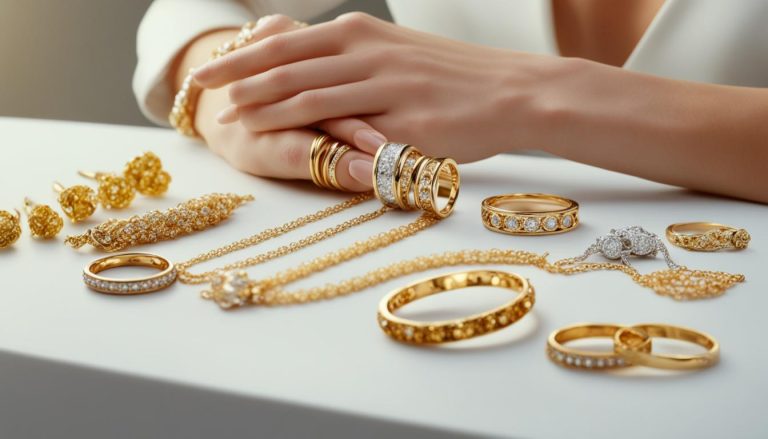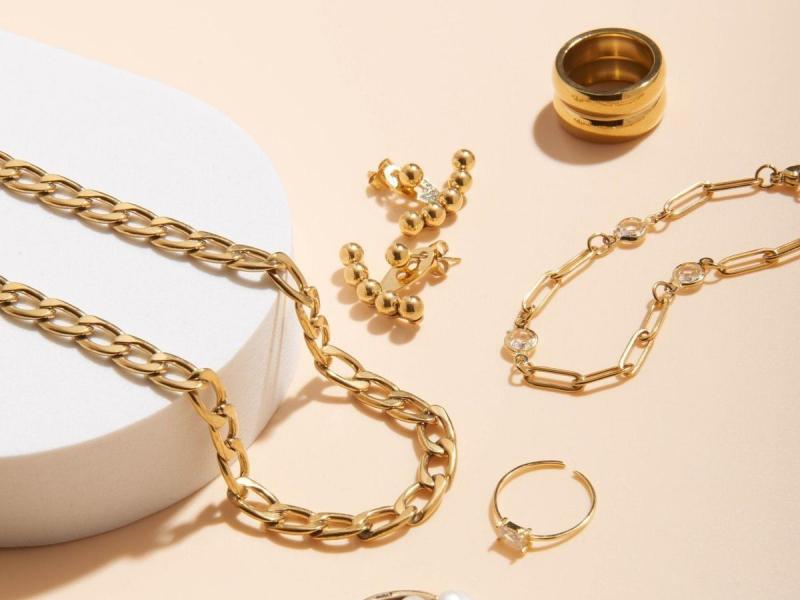
Why Base Metals Are Key to High Quality Gold Vermeil Jewelry
Gold vermeil jewelry is often evaluated by its gold color, plating thickness, and overall appearance. However, the quality of the finished piece also depends on what is underneath the gold layer.
The base metal in gold vermeil provides the main structure of the jewelry and forms the surface on which the gold coating is applied. Its composition, surface condition, preparation, and interaction with the plating process can all affect the final product.
For jewelry brands, wholesalers, and retailers, understanding how the base metal affects gold vermeil jewelry quality can make it easier to evaluate suppliers, set product specifications, and approve samples before bulk production.
How the Base Metal Affects Gold Vermeil Jewelry Quality
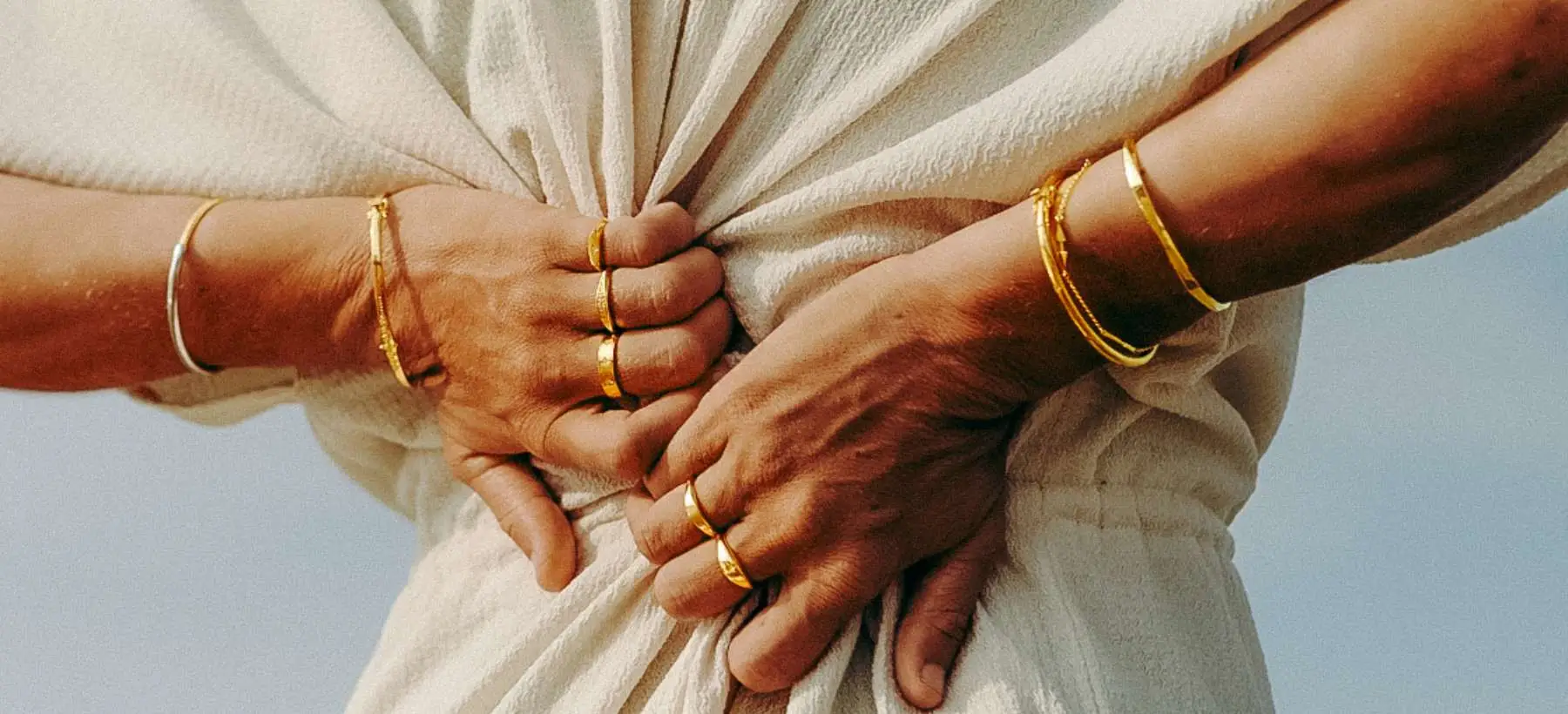
The base metal is not simply the hidden material inside a piece of jewelry. It is part of the manufacturing foundation of the finished product.
For gold vermeil, sterling silver is the defining base material under the U.S. Federal Trade Commission Jewelry Guides. The FTC describes vermeil as sterling silver coated or plated with gold or a gold alloy of at least 10 karat fineness, with a minimum thickness throughout equivalent to 2.5 microns of fine gold.
This means that the quality of gold vermeil depends on more than the visible gold coating.
Manufacturers also need to control:
- Base metal composition
- Surface preparation
- Polishing quality
- Plating adhesion
- Gold purity
- Plating thickness
- Product construction
- Final quality inspection
For B2B buyers, these factors should be considered together rather than evaluating a jewelry piece only by its appearance.

Surface Preparation and Plating Adhesion
Before gold plating, the surface of the jewelry needs to be properly prepared.
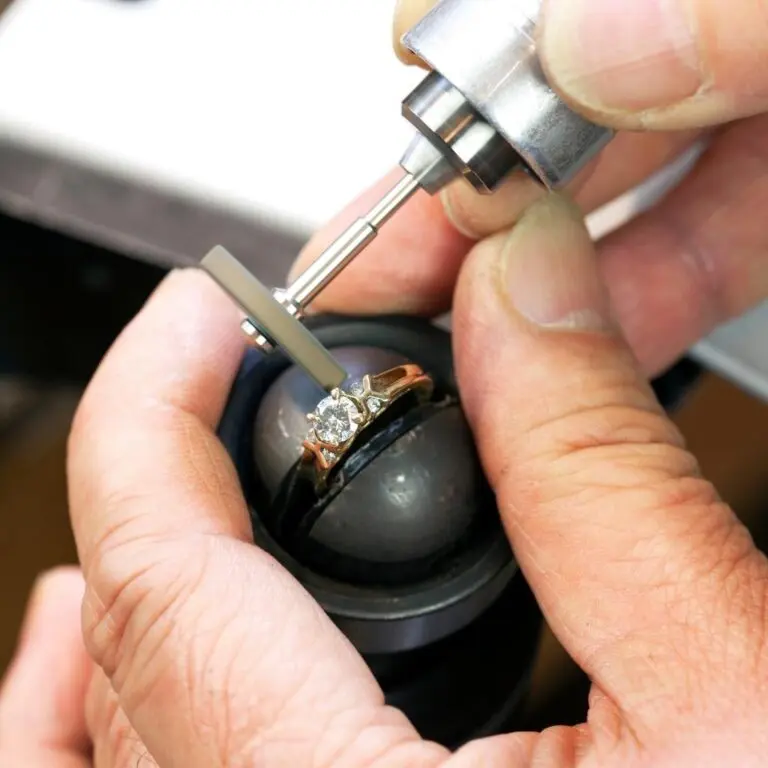
Polishing, cleaning, and other preparation steps help create a suitable surface for the plating process. Residues, scratches, oxidation, or other surface defects can affect the final appearance and consistency of the gold coating.
This is particularly important for detailed jewelry designs.
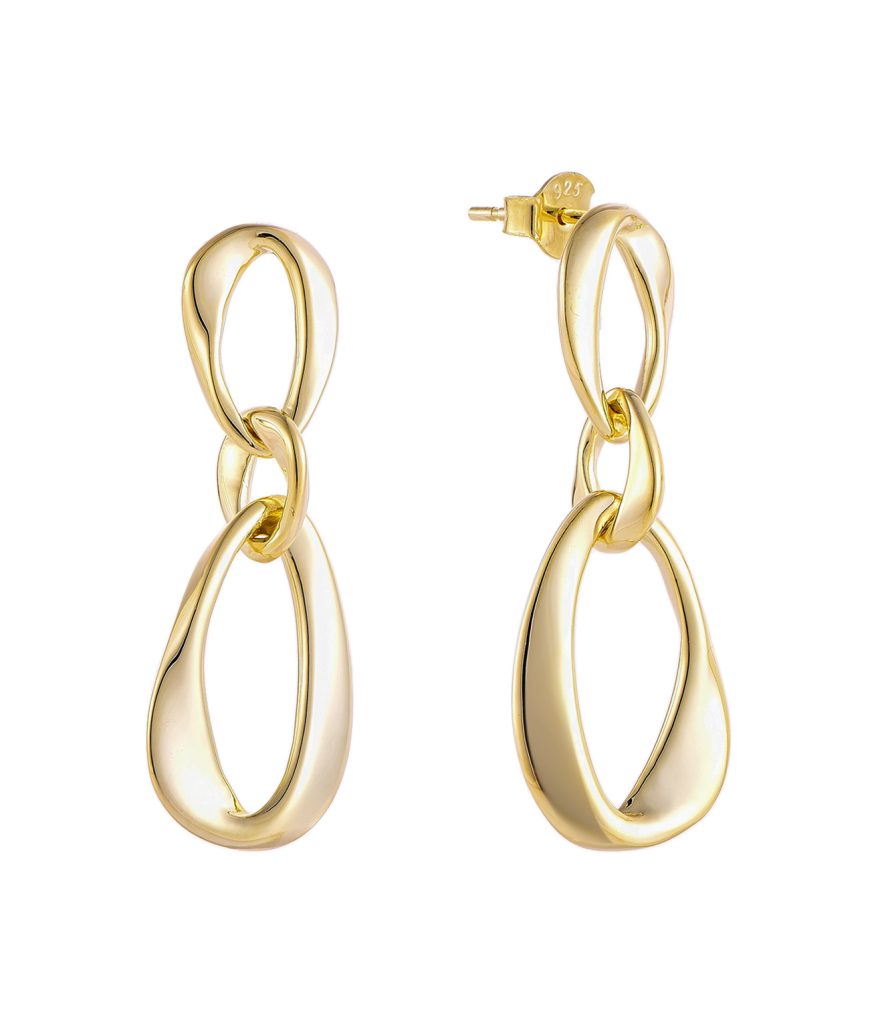
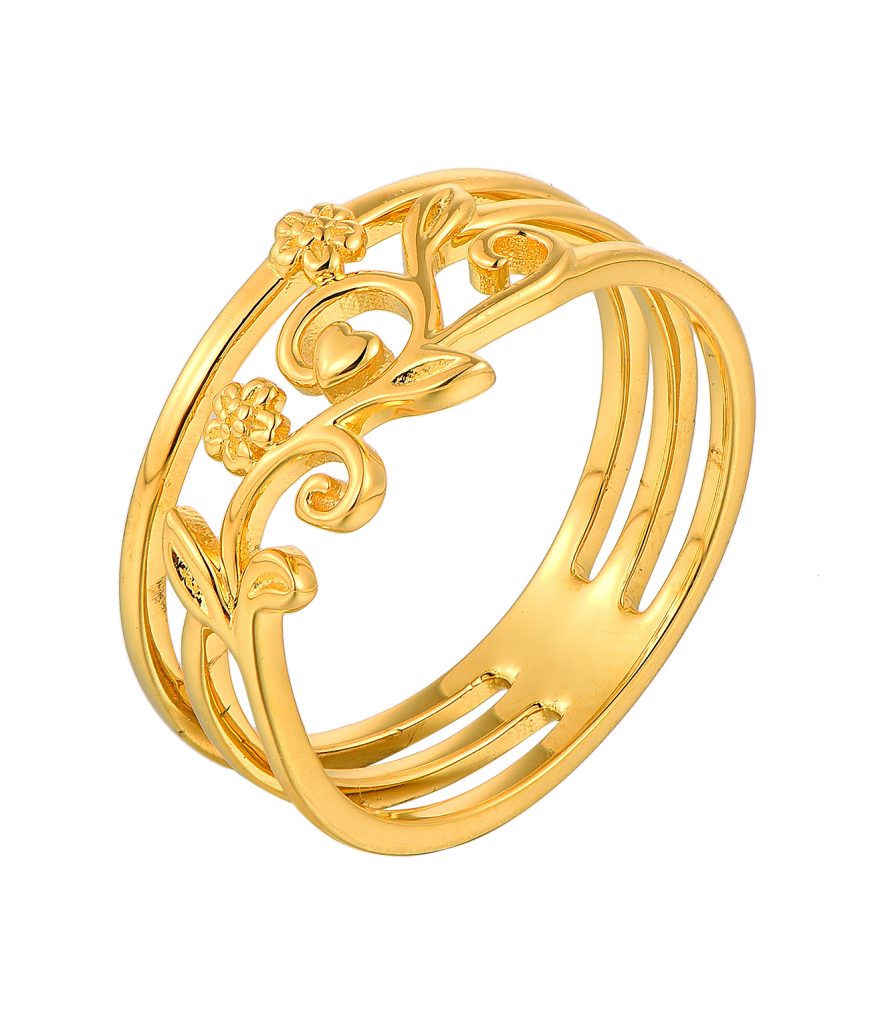
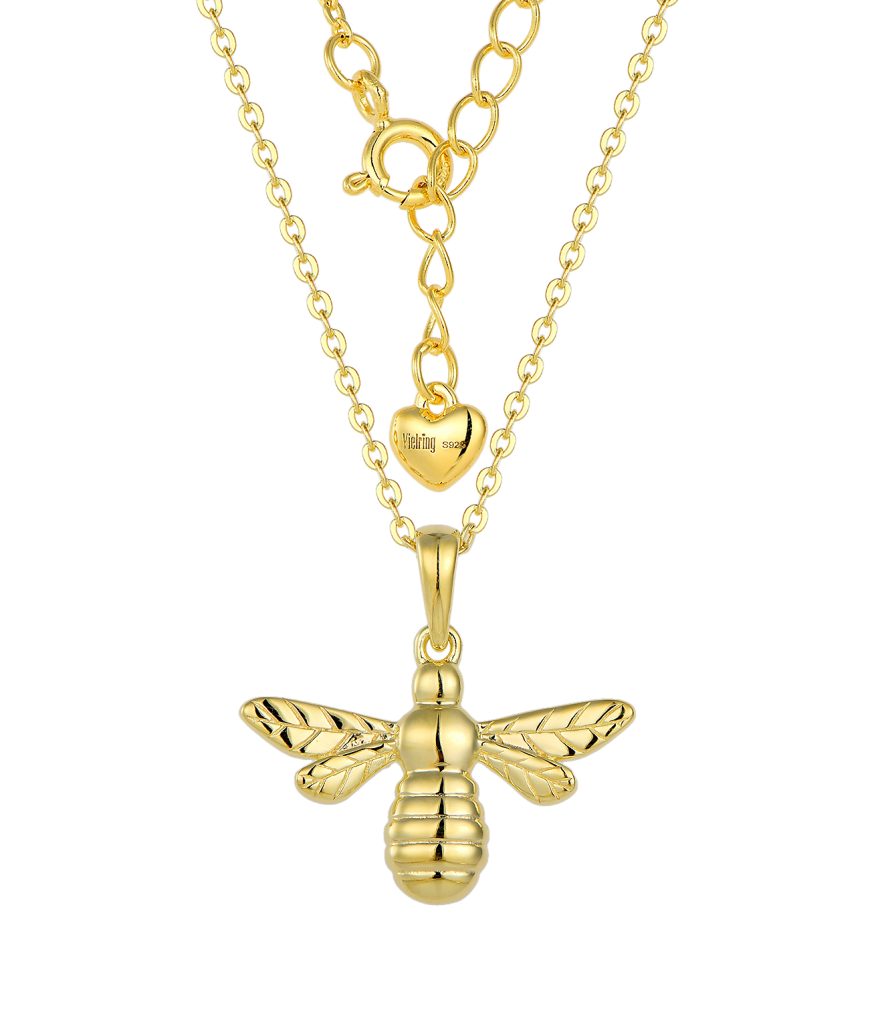
Rings may contain sharp edges and setting areas. Earrings can include small components and delicate details. Bracelets may have multiple links or moving parts. Pendants can contain polished surfaces, engraved details, or gemstone settings.
Each area needs to be properly prepared before plating.
For a manufacturer, the goal is not simply to apply gold over the jewelry. The surface needs to be prepared so that the finished coating is consistent with the approved production specification.
This is one reason why gold vermeil manufacturing requires control across multiple production stages rather than relying on plating thickness alone.
How Product Construction Affects Durability
The base metal provides the structural foundation of the jewelry.
A well designed piece needs to maintain its shape and structural integrity during manufacturing, handling, and normal use.
Different jewelry categories also experience different levels of friction.
A ring may experience frequent contact with other surfaces. A bracelet can rub against clothing, tables, and other objects. Earrings usually experience less continuous friction, while necklace pendants may have different wear patterns depending on their shape and position.
Because of these differences, manufacturers should consider the complete product construction when developing a gold vermeil collection.
Important factors include:
- Metal thickness
- Product dimensions
- Edges and corners
- Connections and joints
- Clasp construction
- Stone setting areas
- Moving components
- Surface finish
A thicker gold layer cannot compensate for a poorly constructed jewelry piece.
Likewise, a suitable sterling silver base does not automatically guarantee excellent finished quality. Manufacturing control remains important throughout the production process.
Tarnishing and the Role of the Base Metal
Sterling silver can naturally tarnish when exposed to environmental factors such as sulfur compounds, moisture, cosmetics, and other substances.
The gold coating provides a protective surface, but gold vermeil should not be described as completely immune to discoloration.
If the gold layer becomes worn through in areas exposed to repeated friction, the underlying sterling silver may eventually become exposed. The exposed silver can then tarnish under suitable environmental conditions.
This is why B2B buyers should consider several specifications together:
- Base metal
- Gold purity
- Gold thickness
- Surface preparation
- Product construction
- Plating process
- Expected usage
A professional manufacturer should avoid making absolute claims such as saying that gold vermeil will never tarnish, fade, or change color.
Actual wear depends on the construction of the product and how it is used and maintained.
Sterling Silver vs Brass for Gold Plated Jewelry
Sterling silver and brass are both used in jewelry manufacturing, but they serve different product and market requirements.
Sterling silver is a precious metal alloy containing at least 92.5 percent silver. The FTC notes that the terms silver, sterling, and sterling silver refer to products containing 92.5 percent pure silver.
Brass is a copper and zinc alloy commonly used for fashion jewelry because of its material cost and design flexibility.
The important point for B2B buyers is that gold plated brass is not the same as gold vermeil.
Gold vermeil requires a sterling silver base under the FTC definition. A brass jewelry piece can have a relatively thick gold coating, but the product should not be described as vermeil simply because the gold layer reaches a particular thickness.
Material and Product Positioning
Sterling silver is often selected for premium and demi fine jewelry collections where the material itself forms part of the product proposition.
Brass can be suitable for fashion focused collections where controlling material cost and creating larger or more substantial designs are important.
The appropriate choice therefore depends on the collection rather than a simple assumption that one material is suitable for every product.
Design and Weight
Large statement jewelry can require a significant amount of metal.
Using sterling silver for a very large design can increase the material cost and product weight. For certain fashion collections, brass may provide a more cost efficient way to create larger design
For premium collections specifically marketed as gold vermeil, however, the sterling silver base remains an essential part of the material specification.
Cost and Market Positioning
Material choice affects the cost structure of a jewelry collection.
Sterling silver generally has a higher material value than brass. Gold vermeil also requires additional gold material and plating specifications.
For B2B buyers, the final quotation can depend on much more than the name of the base metal
Product weight, design complexity, gemstones, gold purity, plating thickness, order quantity, finishing, and packaging can all affect the final production cost.
When Is Brass Suitable for Gold Plated Jewelry?
Brass is not automatically an indicator of poor jewelry quality.
It can be suitable for certain gold plated jewelry collections when the design, target price, product positioning, and production specifications are appropriate.
Brass may be considered for:
- Fashion jewelry
- Seasonal collections
- Large statement designs
- Trend driven collections
- Cost sensitive product lines
- High volume wholesale programs
The important distinction is terminology.
A manufacturer can produce high quality gold plated brass jewelry, but that product should be specified and marketed according to its actual material composition.
For a product to be described as gold vermeil under the U.S. FTC Jewelry Guides, the base must be sterling silver and the applicable gold purity and thickness requirements must be met.
What Makes High Quality Gold Vermeil Jewelry?
For B2B buyers, high quality gold vermeil should be evaluated through measurable production specifications rather than appearance alone.
Base Metal Specification
The base material should be clearly specified as 925 sterling silver when the product is being developed as gold vermeil.
Material specifications should be confirmed before sampling and bulk production.
Gold Purity
Gold coatings can be produced using different karat specifications.
Depending on the collection and target market, brands may specify 10K, 14K, 18K, or another agreed gold composition.
Gold purity should therefore be part of the production specification rather than being assumed from the appearance of the jewelry.
Plating Thickness
Plating thickness should be specified in microns.
For products described as vermeil under the U.S. FTC Jewelry Guides, the minimum thickness is equivalent to 2.5 microns of fine gold, together with the applicable sterling silver base and gold purity requirements.
However, thickness should not be treated as the only indicator of finished quality.
Surface preparation, plating consistency, product construction, and expected wear conditions also influence the finished product.
Surface Finish
A properly polished and prepared surface helps create a more consistent final appearance.
Manufacturers should check for:
- Scratches
- Uneven polishing
- Surface contamination
- Casting defects
- Rough edges
- Setting area defects
These issues should be addressed before the jewelry enters the plating stage.
Plating Consistency
For wholesale production, consistency between samples and bulk production is particularly important.
The finished pieces should match the approved specifications for:
- Gold color
- Surface appearance
- Plating thickness
- Product dimensions
- Stone setting
- Overall finish
A production sample gives buyers an opportunity to confirm these details before approving a larger order.
What Should B2B Buyers Check Before Ordering Gold Vermeil Jewelry?
When sourcing high quality gold vermeil jewelry, brands should ask manufacturers specific questions about materials and production.
A useful checklist includes:
- Is the base metal 925 sterling silver?
- What gold purity is used?
- What plating thickness is specified in microns?
- How is the jewelry surface prepared before plating?
- How is plating consistency controlled?
- Is the finished color checked against an approved sample?
- How are stone setting and structural details inspected?
- Is final quality inspection performed before shipment?
- Can the manufacturer produce a sample before bulk production?
- Can the manufacturer support custom designs and private label requirements?
These questions provide a more practical way to evaluate a supplier than simply asking whether the jewelry is “high quality.”
How Manufacturing Process Affects Gold Vermeil Quality
The quality of gold vermeil jewelry is influenced by the complete manufacturing process.
A typical custom jewelry workflow may include:
CAD development → casting → polishing → stone setting → surface preparation → electroplating → final inspection
Each stage can affect the finished piece.
CAD development determines the initial product structure.
Casting creates the basic metal form.
Polishing prepares the surface and improves the appearance of the jewelry.
Stone setting requires careful handling around gemstones and setting areas.
Electroplating creates the gold surface.
Final inspection checks whether the finished jewelry matches the approved production requirements.
For this reason, brands should evaluate a manufacturer’s complete production capabilities rather than selecting a supplier based only on plating thickness or product photographs.
How Endless Jewellery Controls Gold Vermeil Production
Endless Jewellery is a B2B jewelry manufacturer based in Guangzhou, China, with more than 15 years of jewelry production experience.
The factory has 30 production lines and 50 machines, supporting custom jewelry production for brands, wholesalers, retailers, and e commerce businesses.
For gold vermeil projects, buyers can specify:
- 925 sterling silver
- Gold purity
- Plating thickness
- Gold color
- Surface finish
- Gemstones
- Logo engraving
- Custom packaging
The production process can include CAD development, casting, polishing, stone setting, electroplating, and quality inspection.
For brands developing custom collections, Endless Jewellery also supports OEM and ODM jewelry manufacturing, allowing buyers to work from their own designs or develop products with the manufacturer’s production team.
Before bulk production, sampling allows buyers to evaluate the actual material, construction, surface finish, gold color, and overall workmanship.
Gold Vermeil Quality Checklist for Jewelry Brands
For a new collection, B2B buyers can use the following checklist before approving production.
| Quality Factor | What to Confirm |
|---|---|
| Base metal | 925 sterling silver |
| Gold purity | Agreed karat specification |
| Plating thickness | Target thickness specified in microns |
| Surface preparation | Polishing and cleaning completed before plating |
| Plating consistency | Consistent color and surface finish |
| Product structure | Dimensions, connections, clasps, and setting areas checked |
| Quality inspection | Final inspection before shipment |
| Sampling | Physical sample approved before bulk production |
This type of specification based approach is especially useful for brands ordering custom or private label jewelry because it gives both the buyer and manufacturer clear production requirements.
Choosing a Gold Vermeil Jewelry Manufacturer
The base metal is an important part of gold vermeil quality, but the manufacturer’s ability to control the complete production process is equally important.
Before choosing a supplier, brands should look at:
- Jewelry manufacturing experience
- Material sourcing and specification
- CAD and product development capability
- Surface preparation
- Electroplating capability
- Quality control
- Sampling process
- OEM and ODM support
- Custom packaging
- Bulk production capacity
A manufacturer should be able to explain how material specifications are translated into actual production requirements.
For brands that need custom development, you can also review our gold vermeil jewelry manufacturing capabilities before requesting a quotation or sample.
Choosing a Gold Vermeil Jewelry Manufacturer
The base metal is an important part of gold vermeil quality, but the manufacturer’s ability to control the complete production process is equally important.
Before choosing a supplier, brands should look at:
- Material sourcing and specification
- CAD and product development capability
- Surface preparation
- Electroplating capability
- Quality control
- Sampling process
- OEM and ODM support
- Custom packaging
- Bulk production capacity
A manufacturer should be able to explain how material specifications are translated into actual production requirements.
For brands that need custom development, you can also review our gold vermeil jewelry manufacturing capabilities before requesting a quotation or sample.
Gold Vermeil Quality Depends on More Than the Gold Layer
The quality of gold vermeil jewelry cannot be determined by gold color or plating thickness alone.
The base metal in gold vermeil, surface preparation, product structure, gold purity, plating thickness, plating consistency, and final inspection all contribute to the finished product.
For B2B jewelry brands, the most practical approach is to define the material and production specifications before sampling and then compare the finished sample against those requirements before approving bulk production.
When sourcing gold vermeil jewelry, confirm the 925 sterling silver base, gold purity, plating thickness, surface preparation, production process, and quality control with your manufacturer.
This gives your brand a clearer basis for evaluating product quality and maintaining consistency across future collections.
Frequently Asked Questions About Gold Vermeil Jewelry Quality
1.Why does the base metal matter in gold vermeil jewelry?
The base metal provides the structural foundation of the jewelry and the surface on which the gold coating is applied. Its composition and surface condition can affect plating preparation, finished appearance, and product performance.
2.What is the base metal in gold vermeil?
Gold vermeil uses sterling silver as its base. Under the U.S. FTC Jewelry Guides, vermeil is defined as sterling silver coated or plated with gold or a gold alloy of at least 10 karat fineness and a minimum thickness equivalent to 2.5 microns of fine gold throughout.
3.Can brass be used for gold vermeil?
Brass can be used as the base for gold plated jewelry, but brass does not meet the sterling silver base requirement for vermeil under the U.S. FTC definition.
4.Does a thicker gold layer always mean better gold vermeil quality?
Not necessarily. Plating thickness is an important specification, but surface preparation, plating consistency, product construction, gold purity, and quality control also affect the finished product.
5.Can gold vermeil tarnish?
Gold vermeil can experience discoloration over time, particularly if the gold coating becomes worn and the underlying sterling silver is exposed. Sterling silver can naturally tarnish under environmental conditions.
6.Will gold vermeil turn green?
Gold vermeil should not be described as completely immune to discoloration. The gold surface does not mean that the jewelry can never change color. If the coating wears through, the underlying sterling silver can be exposed and may tarnish.
7.How thick is gold vermeil plating?
Under the U.S. FTC Jewelry Guides, vermeil requires a minimum thickness throughout equivalent to 2.5 microns of fine gold, together with the applicable sterling silver base and gold purity requirements.
8.How can brands check gold vermeil quality before bulk production?
Brands should confirm the base metal, gold purity, plating thickness, surface preparation, plating consistency, product construction, and final inspection process. Approving a physical sample before bulk production is also an important step.
Have a jewelry design idea or some questions?