Complete Guide to Ring Band Styles: Types, Materials, Settings & Custom Options
Ring bands play an important role in defining the appearance, durability, and overall value of a jewelry piece. For jewelry brands, designers, and wholesalers, understanding different ring band styles is essential when developing new collections or choosing manufacturing options.
From classic solitaire bands and pavé designs to custom sculptural and vintage-inspired styles, each ring band requires different techniques, materials, and craftsmanship.
In this guide, we will explore the most popular types of ring bands, their design features, recommended materials, and customization possibilities. With over 20 years of jewelry manufacturing experience, Endless Jewellery helps brands create custom rings with professional CAD design, gemstone setting, plating, and OEM/ODM production support.
Manufacturing Considerations for Different Ring Band Styles
Different ring band styles require different manufacturing techniques. For example, pavé and eternity bands require precise stone setting, while sculptural and vintage designs often need advanced CAD modeling and skilled polishing.
As a professional jewelry manufacturer, Endless Jewellery supports brands with:
- Custom CAD design and 3D modeling
- Sterling silver, gold vermeil, gold plated, and solid gold production
- Gemstone setting and polishing
- Custom logo engraving and packaging
- Low MOQ production for jewelry brands
Choosing the right manufacturing partner helps ensure that a ring design can be produced with consistent quality and competitive pricing.
Popular Types of Ring Bands
Ring bands come in a wide range of styles, from classic solitaire designs to modern sculptural creations. Each style has unique characteristics in terms of appearance, gemstone setting, durability, and customization possibilities.
For jewelry brands and designers, understanding different ring band styles helps create collections that match customer preferences while considering production requirements, materials, and manufacturing techniques.
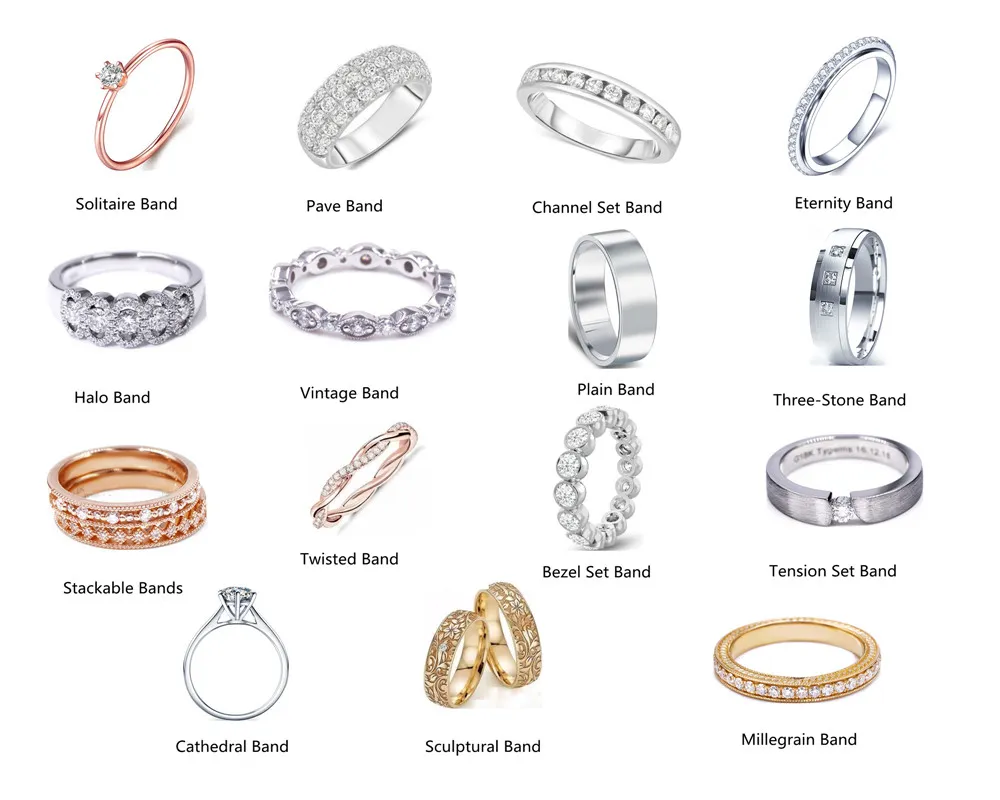
Solitaire Band
A solitaire band is one of the most classic and timeless ring styles. It features a single center gemstone, allowing the main stone to become the focal point of the design. This simple yet elegant style is widely used for engagement rings and personalized jewelry collections.
Key Features
- Single center gemstone design that highlights the main stone
- Usually uses prong settings to maximize light reflection and brilliance
- Compatible with various gemstone shapes, including round, oval, pear, emerald, and princess cuts
Best For
Solitaire bands are ideal for engagement rings, minimalist jewelry collections, and customers who prefer elegant designs with a clean appearance.
Manufacturing Notes
Solitaire rings require precise stone measurement and secure gemstone setting to ensure durability. Popular production materials include 925 sterling silver, gold vermeil, 14K gold, and 18K gold. Custom solitaire designs can also include different gemstone shapes, band widths, engraving, and personalized finishes.
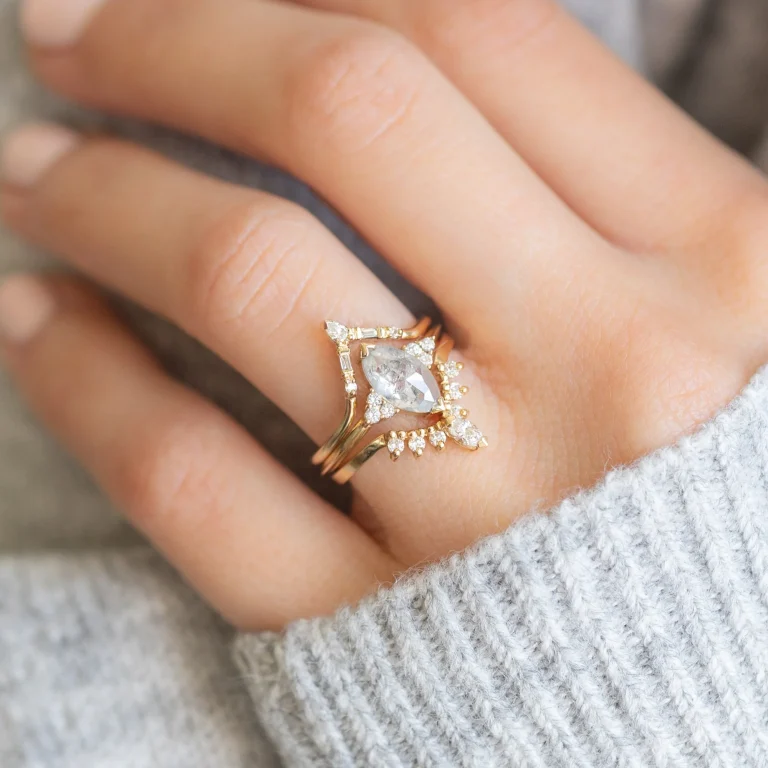
Pavé Band
A pavé band features multiple small gemstones set closely together across the surface of the ring, creating a continuous sparkling effect. The name “pavé” comes from the French word meaning “paved,” referring to the appearance of gemstones covering the metal surface.
Key Features:
- Small gemstones are placed closely together for maximum sparkle
- Minimal visible metal creates a luxurious appearance
- Available in half-pavé, full-pavé, and accent pavé designs
Best For:
Pavé bands are popular for engagement rings, luxury jewelry collections, and designs that require extra brilliance and elegance.
Manufacturing Notes:
Pavé rings require precise gemstone setting skills. Manufacturers must control stone alignment, setting depth, and polishing quality to achieve a smooth and consistent finish.
Eternity Band
An eternity band features gemstones arranged around the entire ring or the visible front section of the band. This design is often associated with everlasting love and is commonly used for wedding bands and anniversary jewelry.
Key Features:
- Continuous gemstone arrangement creates a consistent sparkle
- Available in full eternity and half eternity styles
- Can feature diamonds or colored gemstones
Best For:
Eternity bands are suitable for wedding collections, anniversary gifts, and premium jewelry designs.
Manufacturing Notes:
Producing eternity rings requires precise gemstone matching and alignment. Half-eternity designs are often preferred for easier sizing adjustments and everyday comfort.
Halo Band
A halo band features a central gemstone surrounded by smaller accent stones. The surrounding stones enhance the visual size and brilliance of the center gemstone, creating a more dramatic appearance.
Key Features:
- Center stone remains the main focal point
- Surrounding gemstones increase sparkle and visual impact
- Available in different shapes, including round, oval, cushion, and pear designs
Best For:
Halo bands are ideal for engagement rings and jewelry collections focused on elegant and eye-catching designs.
Manufacturing Notes:
Halo rings require precise CAD modeling and stone positioning to ensure symmetry between the center stone and surrounding gemstones.
Plain Band
A plain band is a simple ring design featuring a smooth metal surface without gemstones or decorative elements. Its clean appearance makes it one of the most versatile ring styles.
Key Features:
- Minimalist and timeless design
- Comfortable for daily wear
- Easy to customize with different widths, finishes, and engravings
Best For:
Plain bands are commonly used for wedding rings, minimalist collections, and affordable everyday jewelry.
Best For:
Plain rings offer excellent customization flexibility, including polishing finishes, engraving, mixed metals, and different precious metal options.

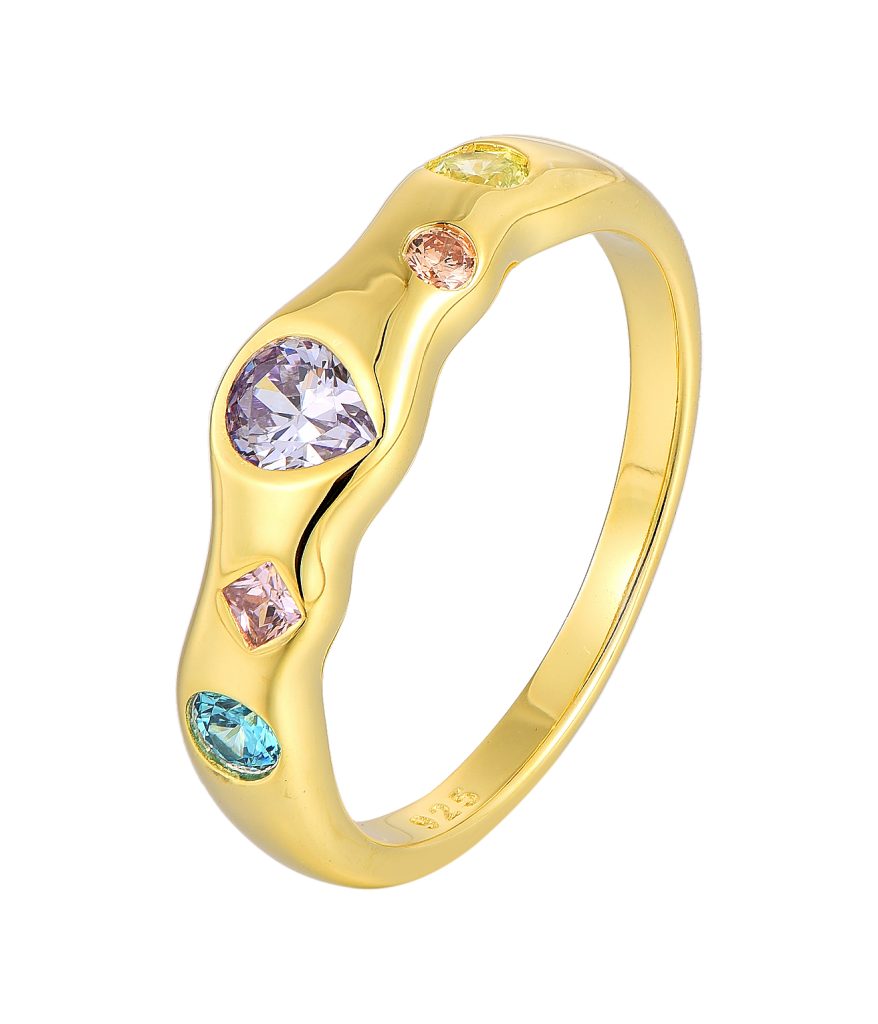
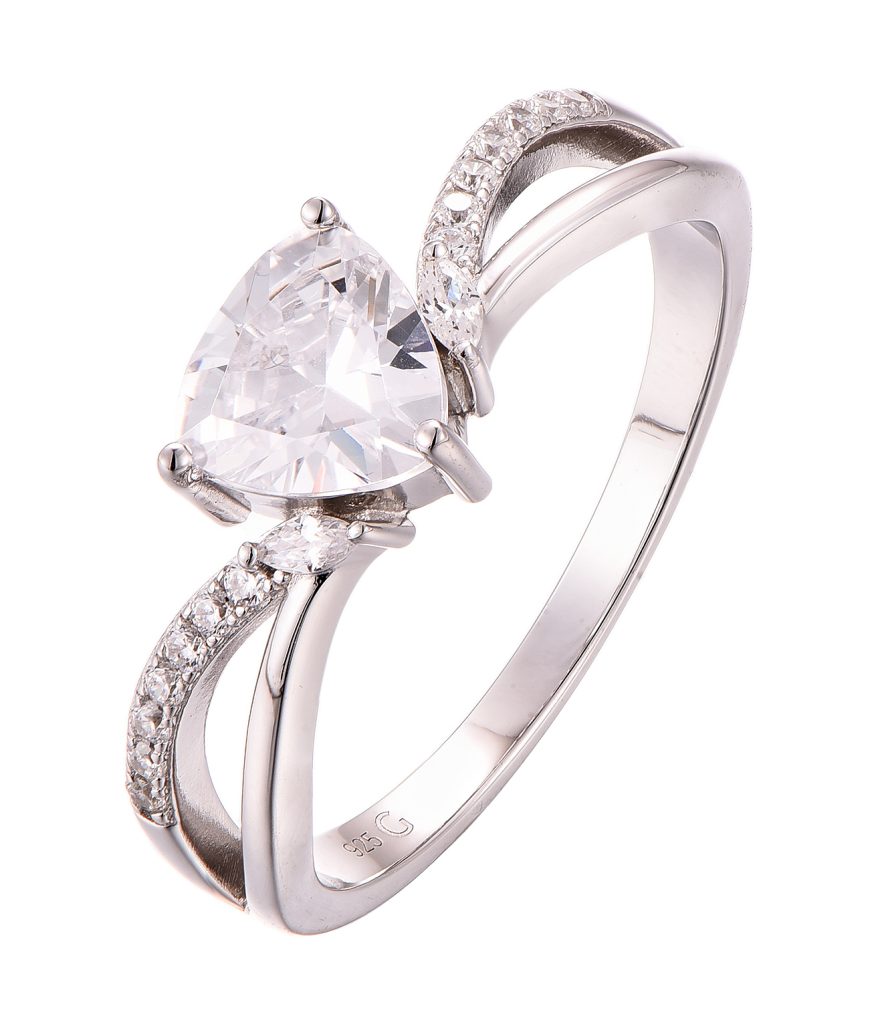
Three Stone Band
A three stone band features three gemstones placed across the top of the ring. Traditionally, the three stones represent the past, present, and future, making this style a meaningful choice for engagement and anniversary jewelry.
Key Features:
- Three gemstone design creates balance and symmetry
- Can combine different gemstone sizes and colors
- Offers both classic and modern design possibilities
Best For:
Three stone bands are suitable for personalized jewelry collections and customers looking for symbolic designs.
Manufacturing Notes:
This style requires accurate gemstone alignment to maintain balance between the three stones. Custom options include different gemstone combinations, settings, and metal choices.
Vintage Band
Vintage bands are inspired by historical jewelry styles such as Victorian, Edwardian, and Art Deco designs. They often feature decorative craftsmanship, including engraving, filigree, and milgrain details.
Key Features:
- Intricate patterns and handcrafted details
- Antique-inspired appearance with timeless appeal
- Can combine engraving, gemstones, and unique finishes
Key Features:
Vintage bands are ideal for customers seeking distinctive engagement rings and jewelry brands creating heritage-inspired collections.
Manufacturing Notes
Vintage-style rings often require advanced CAD design, engraving, and polishing techniques to recreate detailed patterns while maintaining production consistency.
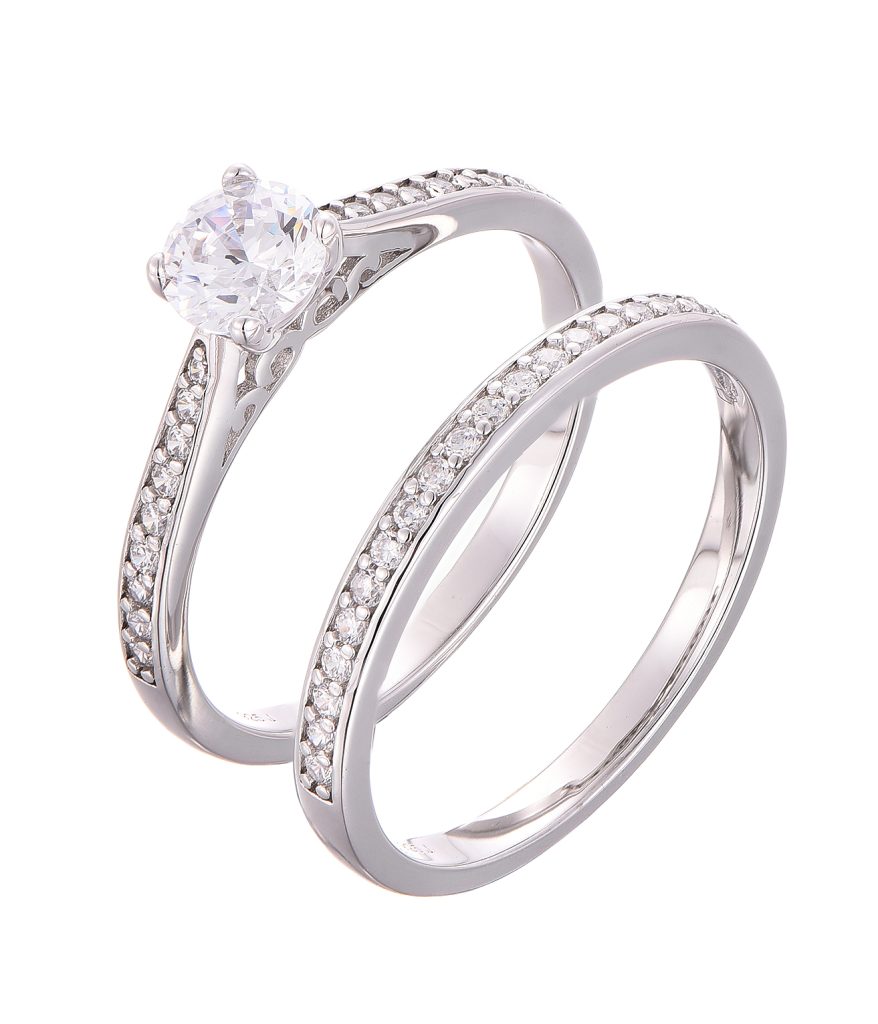
Stackable Band
Stackable bands are designed to be worn together, allowing customers to mix different ring styles, metals, and gemstones to create personalized combinations.
Key Features:
- Slim designs that can be layered together
- Available in plain, gemstone, textured, and engraved styles
- Provides flexible styling options
Best For:
Stackable bands are popular among fashion jewelry brands and collections focused on personalization.
Manufacturing Notes:
Manufacturers need to maintain consistent sizing, thickness, and finishing quality so multiple rings can be worn comfortably together.
Popular Ring Setting Styles
Besides the overall band design, the gemstone setting method also plays an important role in the appearance and durability of a ring.
Channel Set Band
A channel set band places gemstones inside a metal groove, creating a smooth and secure surface. This style is commonly used for wedding bands and everyday jewelry.
Key Features:
- Smooth surface with no visible prongs
- Provides strong protection for gemstones
- Creates a modern and streamlined appearance
Manufacturing Notes:
Channel settings require accurate cutting and gemstone placement to ensure each stone sits evenly within the metal channel.
Bezel Set Band
A bezel set band surrounds the gemstone with a metal rim, creating a secure and contemporary design.
Key Features:
- Protects gemstone edges from damage
- Comfortable for daily wear
- Suitable for minimalist jewelry designs
Manufacturing Notes:
Bezel settings require precise metal forming to securely hold gemstones while maintaining a clean appearance.
Tension Set Band
A tension set band creates the appearance that the gemstone is floating between two sections of the metal band.
Key Features:
- Unique modern appearance
- Allows maximum light exposure to the gemstone
- Creates a distinctive statement design
Manufacturing Notes
Tension settings require advanced engineering and precise craftsmanship to ensure the gemstone remains secure.
Unique Ring Band Designs
For brands looking for more creative collections, unique ring band designs offer greater opportunities for customization.
Twisted Band
Twisted bands feature intertwined metal designs that create movement and visual interest.
Manufacturing Notes:
These designs require accurate CAD modeling to maintain structural strength, comfort, and balanced proportions.
Sculptural Band
Sculptural bands use artistic shapes, curves, and three-dimensional metalwork to create statement jewelry pieces.
Manufacturing Notes:
Complex sculptural designs often require prototype development, advanced CAD techniques, and skilled finishing.
Milgrain Band
Milgrain bands feature tiny bead-like details along the edges, adding vintage texture and decorative appeal.
Manufacturing Notes:
Milgrain finishing requires precise craftsmanship to maintain consistent bead patterns and a refined appearance.
Cathedral Band
Cathedral bands feature raised arches that elevate the center gemstone above the band, creating a classic and elegant profile.
Manufacturing Notes:
Cathedral designs require careful structural planning to ensure gemstone security, comfort, and durability.
Choosing The Right Metal For Your Ring Band
The metal you choose for a ring band affects more than just its appearance. It determines the ring’s durability, price range, maintenance requirements, and overall positioning in the market.
For jewelry brands and designers, selecting the right material is an important step when developing a new ring collection. Different metals are suitable for different product categories, from affordable fashion jewelry to premium fine jewelry.
Common materials used for ring bands include sterling silver, gold vermeil, gold plated metals, solid gold, platinum, and other modern alternatives.
925 Sterling Silver Ring Bands
925 sterling silver is one of the most popular materials for custom jewelry production because it offers an excellent balance between quality, affordability, and design flexibility.
Key Features:
- Contains 92.5% pure silver combined with alloy metals for improved strength
- Suitable for detailed designs, gemstone settings, and custom manufacturing
- Offers an affordable option for jewelry brands creating new collections
Best For:
Sterling silver ring bands are widely used for fashion jewelry, personalized rings, and demi-fine jewelry collections.
Manufacturing Notes:
925 sterling silver is highly suitable for OEM and ODM jewelry production because it supports various finishes, including polishing, engraving, rhodium plating, and gold plating.
Gold Vermeil Ring Bands
Gold vermeil is a premium jewelry material that combines a sterling silver base with a thicker layer of gold plating. It provides a luxurious appearance while maintaining a more accessible price point compared with solid gold.
Key Features:
- Uses sterling silver as the base metal
- Features a thicker gold layer than standard gold plating
- Offers a premium look suitable for demi-fine jewelry
Best For:
Gold vermeil ring bands are ideal for jewelry brands looking to create higher-value collections between fashion jewelry and fine jewelry.
Manufacturing Notes:
Gold vermeil production requires careful control of gold thickness, surface preparation, and finishing quality to achieve a durable and consistent appearance.
Gold Plated Ring Bands
Gold plated ring bands provide the appearance of gold jewelry at a more affordable price. They are commonly used by brands producing trend-focused collections and fashion jewelry lines.
Key Features:
- Available in different gold colors, including yellow gold, rose gold, and white gold finishes
- Provides flexibility for different price points
- Suitable for large-scale jewelry collections
Best For:
Gold plated rings are popular among fashion jewelry brands, online retailers, and businesses looking for cost-effective product development.
Manufacturing Notes:
The quality of gold plated jewelry depends on plating thickness, base metal selection, and surface preparation. Professional plating processes help improve color consistency and durability.
Solid Gold Ring Bands
Solid gold is a premium material commonly used for fine jewelry collections. Available in different karat options, including 10K, 14K, 18K, and 24K, it offers long-lasting value and luxury appeal.
Key Features:
- Made from genuine gold alloy throughout the entire piece
- Available in different karat levels and colors
- Provides premium value and long-term durability
Best For:
Solid gold ring bands are suitable for luxury jewelry brands, engagement rings, and high-end custom jewelry.
Manufacturing Notes:
Solid gold rings require precise casting, polishing, and quality control due to the material value. Different karat options allow brands to balance purity, durability, and pricing.
Platinum Ring Bands
Platinum is a rare and durable precious metal known for its natural white color and excellent resistance to wear.
Key Features:
- Naturally white without requiring additional plating
- Highly durable and suitable for everyday wear
- Hypoallergenic properties make it suitable for sensitive skin
Best For:
Platinum rings are commonly used for luxury engagement rings and premium fine jewelry collections.
Manufacturing Notes:
Platinum requires specialized manufacturing techniques because of its density and unique working characteristics.
Other Ring Band Materials
Besides traditional precious metals, some brands also use alternative materials such as titanium, tungsten, and stainless steel for modern jewelry collections.
Key Features:
- Lightweight or highly durable options
- Suitable for contemporary and affordable jewelry designs
- Available in different finishes and colors
Best For:
These materials are often used for fashion jewelry, men’s rings, and lifestyle-focused collections.
| Material | Features | Common Applications |
|---|---|---|
| 925 Sterling Silver | Affordable, durable, widely used for custom jewelry | Fashion rings, custom jewelry collections |
| Gold Vermeil | Premium gold layer over sterling silver | Demi-fine jewelry brands |
| Gold Plated | Affordable gold appearance with various thickness options | Fashion jewelry collections |
| Solid Gold | Luxury, long-lasting precious metal | Fine jewelry |
| Platinum | Rare, durable, hypoallergenic | High-end rings |
How Jewelry Brands Choose The Right Ring Band Material
When selecting a ring band material, brands should consider:
| Factor | Consideration |
|---|---|
| Target Market | Fashion jewelry, demi-fine, or fine jewelry positioning |
| Budget | Material cost and target retail price |
| Durability | Daily wear requirements and customer lifestyle |
| Design Complexity | Compatibility with gemstone settings and details |
| Production Needs | MOQ, customization, plating, and finishing options |
Choosing the right metal allows jewelry brands to create products that balance design, quality, production cost, and customer expectations.
Factors To Consider When Selecting a Ring Band
Choosing the right ring band involves balancing design, material, durability, and production requirements. Whether you’re developing a new jewelry collection or selecting a custom manufacturer, consider the following factors.
Design
Choose a ring style that matches your target market and product positioning. Popular options such as solitaire, pavé, vintage, and stackable bands each require different manufacturing techniques.
Material
The metal affects the ring’s appearance, durability, and price. Common choices include 925 sterling silver, gold vermeil, gold plated metals, solid gold, and platinum.
Manufacturing
Some ring styles require more advanced craftsmanship than others. Intricate settings, engraving, and custom details may increase production time and cost, so it’s important to work with an experienced jewelry manufacturer.
Customization
Custom engraving, gemstone selection, plating colors, and branded packaging can help create a unique collection that reflects your brand identity.
Budget
Material selection, design complexity, and order quantity all influence the final manufacturing cost. Planning these factors in advance helps achieve better pricing and smoother production.
Conclusion: Finding Your Perfect Ring Band Match
Ring bands are more than decorative elements—they influence the overall style, durability, and value of a jewelry collection. From classic solitaire and pavé designs to vintage, stackable, and modern ring styles, each option offers unique design possibilities for different markets and customer preferences.
For jewelry brands, selecting the right ring band involves more than aesthetics. Material selection, gemstone settings, manufacturing techniques, and customization options all play an important role in creating high-quality products that meet market demand.
Whether you’re developing a new collection or expanding an existing product line, working with an experienced jewelry manufacturer can simplify the entire process, from CAD design and sample development to mass production and quality control.
At Endless Jewellery, we specialize in OEM and ODM custom jewelry manufacturing with over 20 years of industry experience. Our team helps brands create high-quality ring collections using 925 sterling silver, gold vermeil, gold plated, and solid gold materials, supported by professional craftsmanship and flexible production solutions.
FAQ About Ring Band Styles
What are the most popular types of ring bands?
The most popular ring band styles include solitaire bands, pavé bands, eternity bands, channel set bands, halo bands, and vintage-inspired bands. The best choice depends on the design purpose, gemstone type, and personal preference.
Which ring band materials are best for jewelry brands?
For jewelry brands, 925 sterling silver, gold vermeil, and gold plated rings are popular because they offer a balance between quality, design flexibility, and production cost. Premium brands may choose solid gold or platinum.
Can ring bands be customized with a logo or unique design?
Yes. Custom ring bands can be produced with CAD modeling, engraving, gemstone customization, different metals, plating colors, and custom packaging options.
What is the MOQ for custom ring manufacturing?
Endless Jewellery supports low MOQ custom ring production starting from around 30 pieces per design, depending on materials, complexity, and customization requirements.
About Endless Jewellery
Endless Jewellery is a professional jewelry manufacturer with over 20 years of experience in custom jewelry production. Our factory provides OEM and ODM services for global jewelry brands, including CAD design, gemstone setting, polishing, plating, custom packaging, and bulk manufacturing.