Bracelet | Earrings | Endless Jewelry | Gold Jewelry | Gold Plated Jewelry | Jewelry | jewelry factory | jewelry manufacturer | Necklace | ring | Silver Jewelry
Difference Between Gold Plated and Real Gold
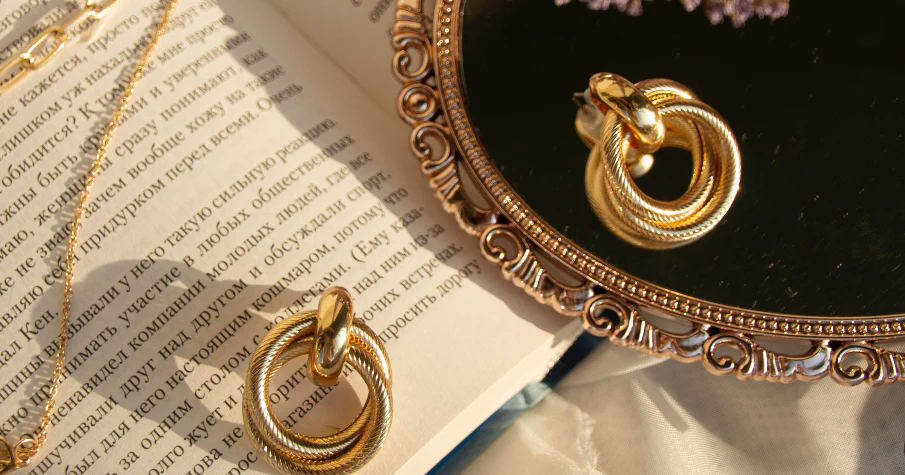

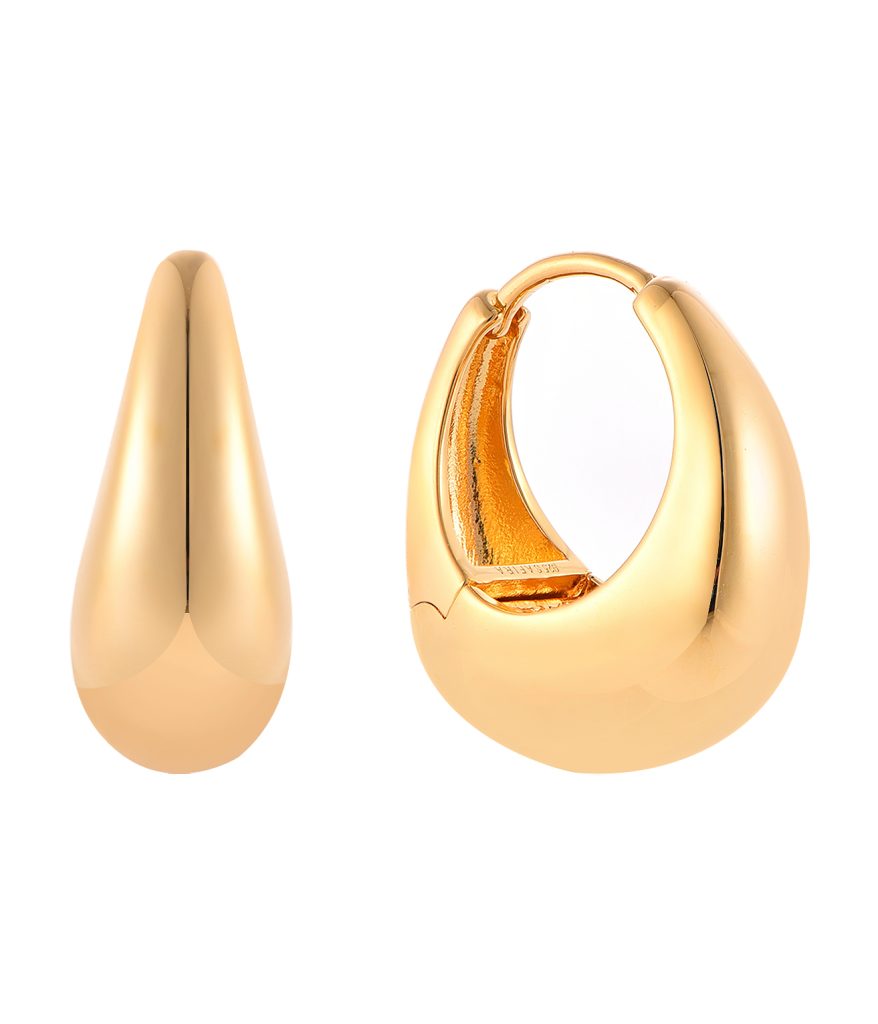
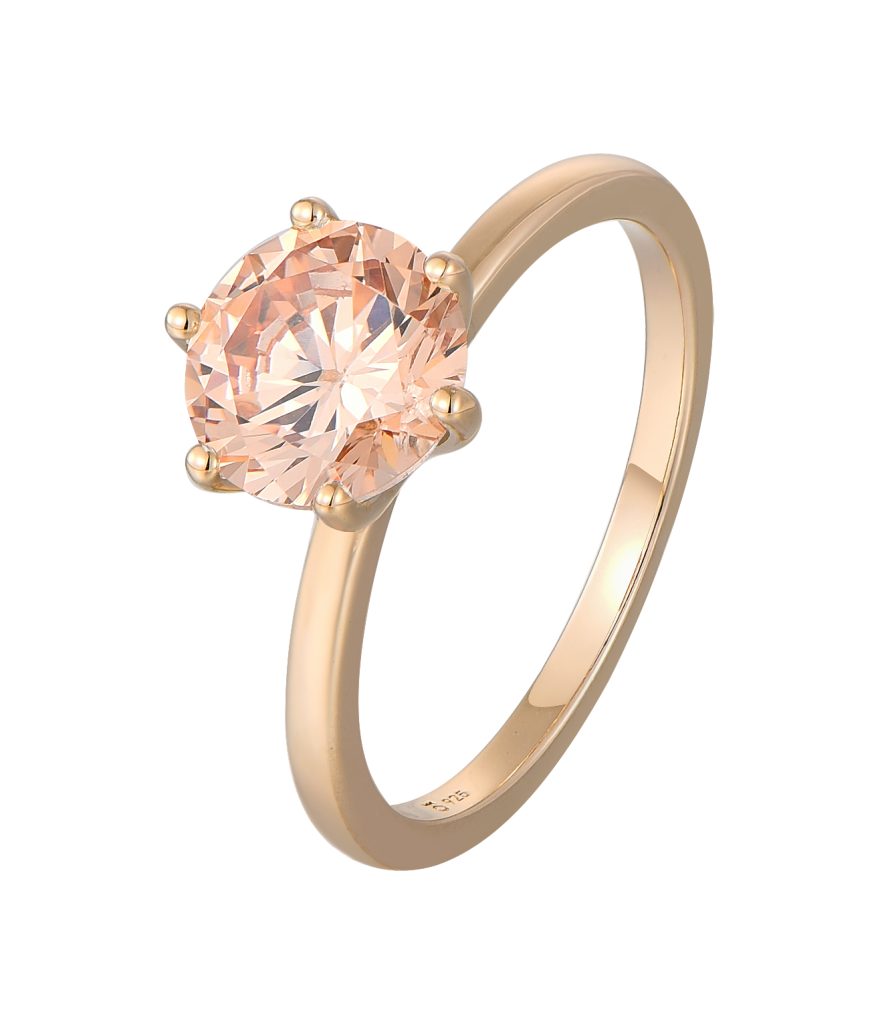

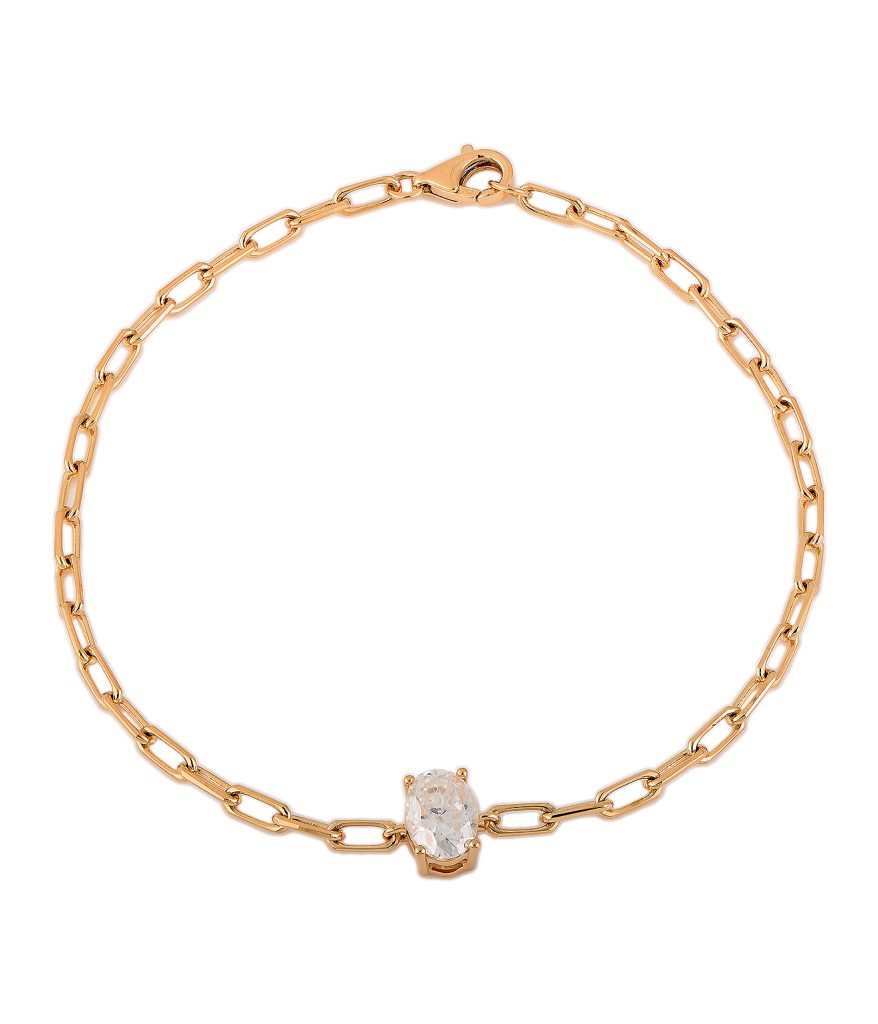




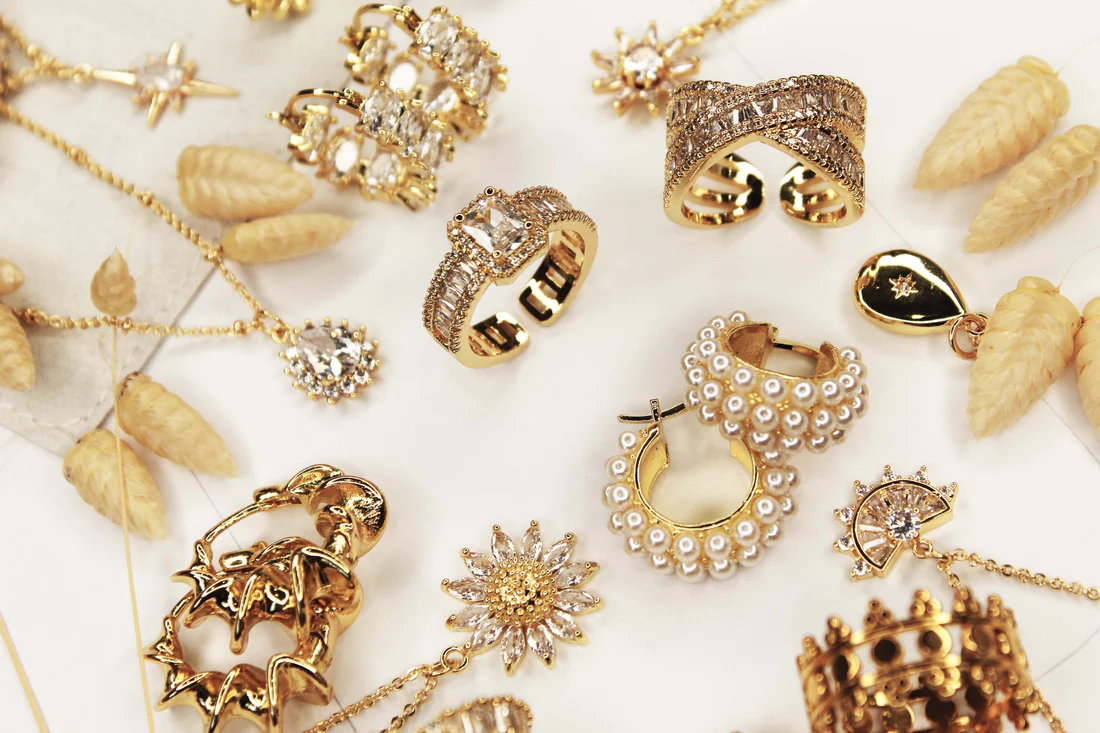
The type of gold used in jewelry directly affects its price, durability, and market positioning. For jewelry brands, wholesalers, and manufacturers, understanding the difference between gold plated, gold filled, and solid gold is essential when developing a product line or setting retail prices.
As a professional jewelry manufacturer with over 20 years of experience in OEM and ODM production, we help global brands choose the right materials based on target market, budget, and product positioning.
| Gold Plating | Gold Filled | Solid Gold | |
|---|---|---|---|
| Metal Material | Brass/Silver + Real Gold Layer | Brass/Silver + Thick Real Gold Layer | Gold, in and out |
| Jewelry Jargon / Vocabulary | Gold Plating / Gold Vermeil / Gold Dipped / Hollow Gold | Gold Filled | Solid Gold |
| Price Range | Moderate | Higher, Fine | Premium, Luxury |
Gold plating provides an affordable entry point into the jewelry market. This is because each piece combines a thin layer of real gold with a base metal, typically brass or copper. Below is a detailed look at what gold-plated jewelry really means:
Yes.At least on the surface. Gold plating involves applying a very thin layer of gold over a conductive base metal, such as copper or brass, usually through electroplating. This process uses an electrical current to bond the gold layer to the base, creating the appearance of solid gold at a fraction of the cost.
Affordability is the biggest advantage of gold plating. It allows manufacturers to produce jewelry with intricate shapes and designs while keeping prices accessible for a wide range of customers.
Gold filled jewelry is considered a mid-range option, positioned between gold plated and solid gold when it comes to price. Similar to gold plating, these pieces are not made entirely of gold, but there are key differences that set them apart.
Gold filled jewelry contains a significantly higher amount of real gold compared to gold plated jewelry. It is created by mechanically bonding a thick layer of gold to a base metal, usually brass or sterling silver.
Because of its durability and higher gold content, gold filled jewelry is widely used for demi fine jewelry collections and long lasting everyday designs.
It is also important to note that gold prices are not fixed; they fluctuate regularly due to inflation, global demand, and supply factors. For instance, as of March 10, the chart below outlines the current gold price levels by karat.
Solid Gold Types
Karat refers to the purity of the gold, or the proportion of gold mixed with base metals. Common karat levels include 10K, 14K, 18K, 22K, and 24K. A 10K gold ring, for example, contains 10 parts gold and 14 parts base metals, which equals 41.67% pure gold. In contrast, a 24K piece is almost entirely made of gold, representing the highest level of purity.
In jewelry, color is determined by the type of metal alloyed with gold. Yellow gold is created by mixing gold with silver and copper. White gold is achieved by combining gold with palladium or nickel, which produces a lighter tone. Rose or pink gold is formed by adding copper, giving the jewelry a warm, reddish hue.
For jewelry brands and wholesalers, the choice of material depends on market positioning:
Choosing the right material helps optimize production cost while maximizing market competitiveness.
This comparison helps jewelry brands choose the right material based on cost, durability, and target customers.
| Type of Gold Jewelry | Composition | Value | Durability | Water Resistance | Hardness | Color Retention |
|---|---|---|---|---|---|---|
| Gold Plating | Base metal with thin gold layer | Low | Low | Low | Soft (thin layer) | At least 6 months |
| Gold Vermeil | Sterling silver with ≥2.5µ gold layer | Moderate | Moderate | Moderate | Soft (depends on gold layer) | At least 1–2 years |
| Gold Filled | Base metal with ≥5% gold content | Higher than gold plating | High | High | Moderate | 3–5 years |
| Solid Gold | Entirely gold or gold alloy | Premium | Very High | Very High | Varies (by karat) | Forever |
Weight
Solid gold jewelry is significantly heavier than gold plated pieces due to its density. Gold plating consists of a thin layer of gold over a base metal such as brass or copper, making these items feel much lighter compared to solid gold.
Hallmarks and Stamps
Checking for karat stamps or hallmarks is a reliable method to identify gold jewelry. Solid gold pieces usually feature marks like “10K,” “14K,” or “18K,” indicating the purity of the gold. In contrast, gold plated and gold filled jewelry have distinct stamps such as “GP” (Gold Plated), “HGE” (Heavy Gold Electroplate), or “RGP” (Rolled Gold Plate), helping you tell the difference.
Price
Price is another clear indicator when comparing gold plating vs solid gold. Solid gold jewelry commands a higher price because of its gold content and long-term value. Gold plated jewelry is more affordable, but it lacks the lasting investment potential of solid gold.
The type of gold jewelry you choose can greatly influence the style, target audience, and pricing of your collection. Each type—gold plating, gold filled, and solid gold—offers distinct advantages in cost, durability, and appearance. Here is our recommendation for different jewelry lines:
Fashion Jewelry
For fashion jewelry, gold plating is the ideal choice. This category emphasizes affordability and trendy designs, making gold plated jewelry a cost-effective way to provide luxurious-looking pieces. Since fashion accessories are frequently worn, durability is important. Gold plated jewelry allows you to create bold, eye-catching designs that appeal to a broad audience while keeping production costs low.
Demi-Fine Jewelry
Demi-fine jewelry sits between fashion and fine jewelry in terms of quality and price. Gold filled jewelry is recommended for this line. Compared to gold plating, gold filled pieces are more durable and resistant to wear, making them perfect for everyday bracelets, necklaces, and rings. Their higher gold content also gives your demi-fine collection a premium feel without the cost of solid gold.
Fine Jewelry
For fine jewelry, both gold filled and solid gold are suitable depending on your target market. Customers seeking higher purity and elegance often expect gold filled or solid gold pieces. Gold filled items are ideal for those who want stylish, wearable fine jewelry at a reasonable price. Solid gold is perfect for collectors or clients who value long-term investment, rarity, and aesthetic appeal.
Luxury Jewelry
Solid gold is the only recommended material for luxury jewelry. Collectors and high-end customers expect superior quality and lasting value. Luxury gold jewelry is often purchased as heirlooms, benefiting from solid gold’s durability, resistance to corrosion, and timeless elegance. While these pieces are less frequently worn, their investment potential and craftsmanship make them highly sought after.
Key Takeaway
To conclude the difference between gold plating vs solid gold, is that the former is more affordable and suited for wearable accessories than the latter. Solid gold is better as luxury jewelry or as a form of investment since it consists mostly of the expensive metal. Understanding the distinction between the two can make your jewelry attractive to your target market.
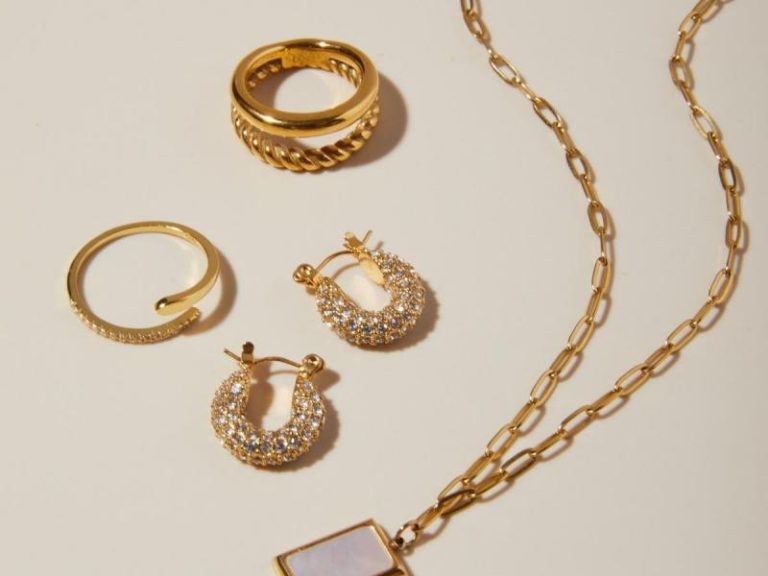
Table of Contents Building a jewelry brand as an influencer is exciting, but lasting success requires more than a strong following and
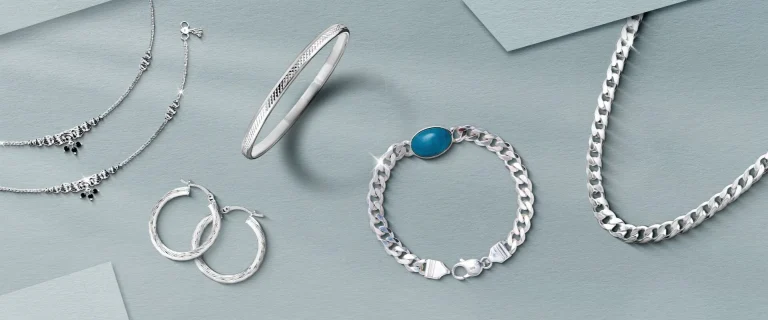
Rhodium plated sterling silver has become a popular choice in the jewelry industry thanks to its bright shine, durability, and resistance to
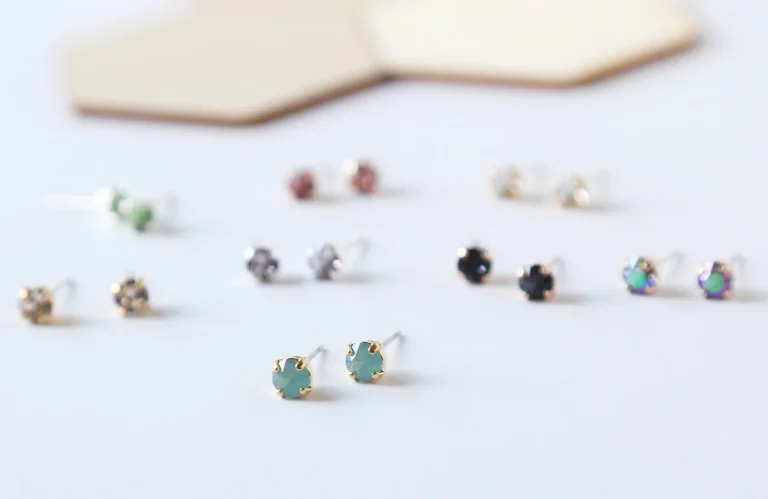
Silver jewelry earrings have always been a beloved accessory among jewelry enthusiasts around the world. Their radiant shine, versatility, and elegant charm
Gold vermeil, gold filled, and gold plated jewelry are all types of gold jewelry, and since each features a gold layer on
Table of Contents Buyers can sometimes encounter inconsistent quality when sourcing gold plated jewelry from manufacturers. Common issues include insufficient plating thickness,
Table of Contents The rising popularity and high price of diamonds has led to an entire industry of imitation gemstones such as