How a Professional 925 Sterling Silver Jewelry Manufacturer Works
Choosing the right 925 sterling silver jewelry manufacturer is one of the most important decisions for jewelry brands looking to build high quality collections. Whether you are launching a new private label, expanding an existing product line, or sourcing reliable wholesale jewelry, your manufacturing partner directly influences product quality, production efficiency, and customer satisfaction.
An experienced manufacturer offers much more than production. From material sourcing and CAD design to prototype development, quality inspection, and international shipping, professional manufacturers help brands bring ideas to market while maintaining consistent quality standards throughout every production stage.
Why 925 Sterling Silver Remains the Preferred Jewelry Material
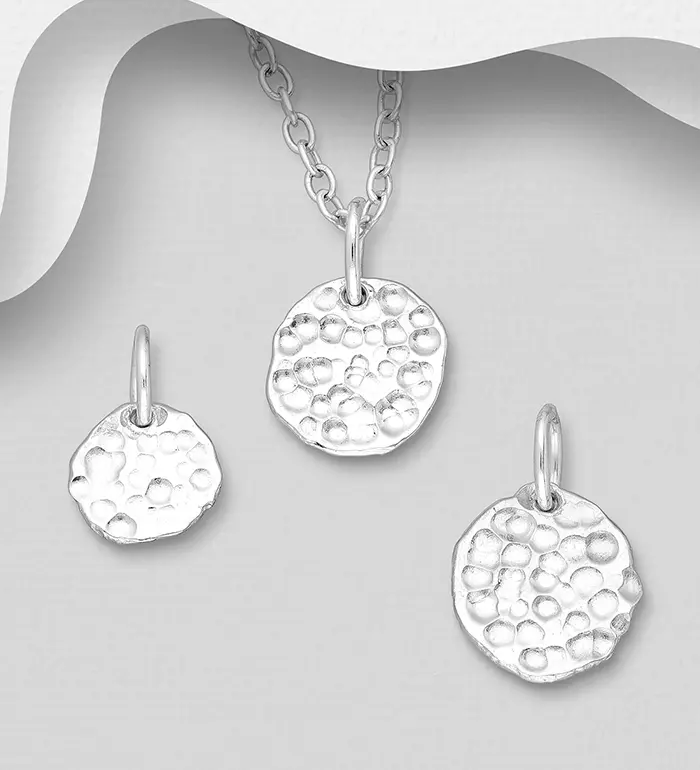
925 sterling silver has long been one of the most popular materials in the global jewelry industry. It contains 92.5% pure silver and 7.5% alloy metals, typically copper, creating an ideal balance between beauty and durability.
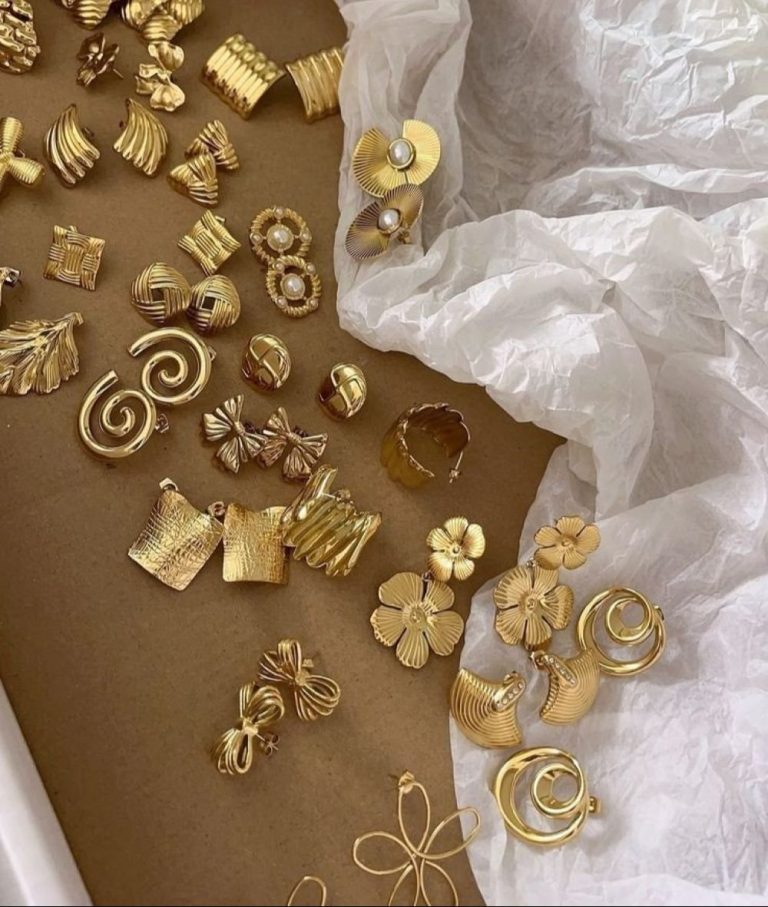
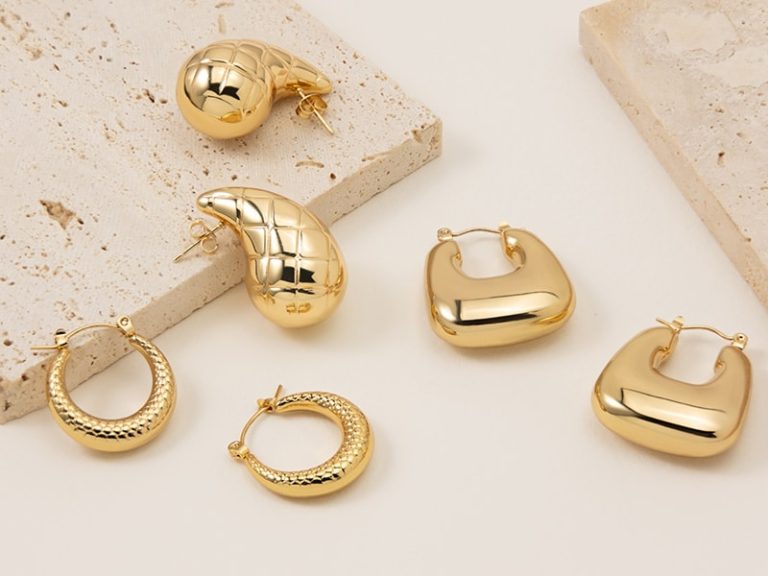
Sterling silver vs pure silver, sterling silver offers greater strength while maintaining the elegant appearance that consumers expect from fine jewelry. Its excellent workability also allows manufacturers to produce intricate rings, necklaces, bracelets, earrings, and gemstone jewelry with consistent precision.
For jewelry brands, genuine 925 sterling silver provides several important advantages:
- Premium appearance suitable for fine and demi fine jewelry
- Durable enough for daily wear
- Compatible with gold vermeil, rhodium, and gold plating
- Excellent for custom jewelry manufacturing
- Widely accepted by global retail markets
Working with a professional 925 sterling silver jewelry manufacturer ensures that certified materials are used consistently across every production batch.
How a Professional 925 Sterling Silver Jewelry Manufacturer Works
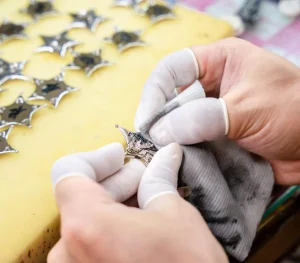
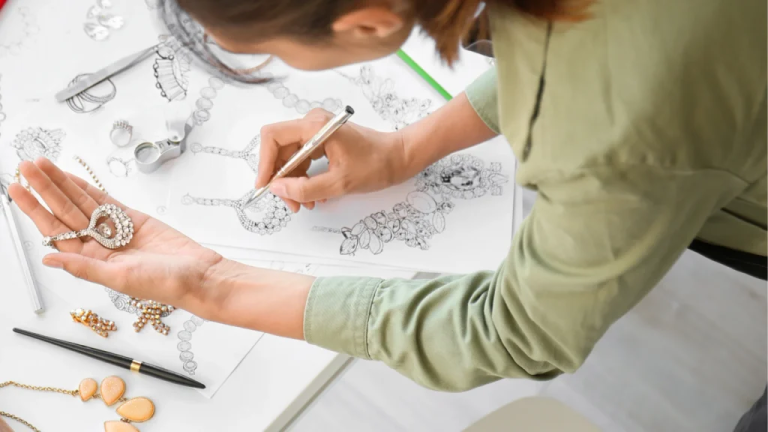
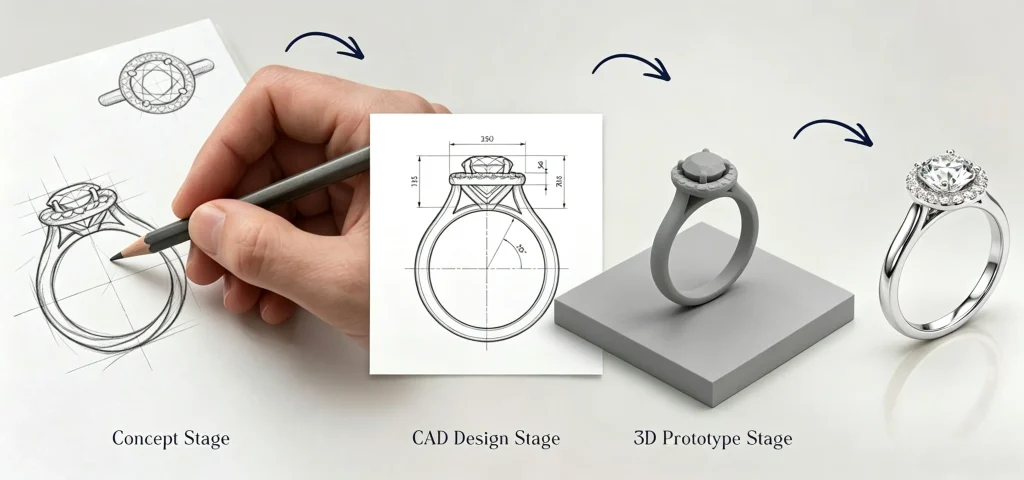
Successful jewelry manufacturing involves far more than casting silver into finished products. Professional factories follow a structured production process that minimizes errors while ensuring every design meets customer expectations.
A typical production workflow includes:
A typical production workflow includes:
- Design consultation
- CAD jewelry design
- 3D wax prototype creation
- Mold development
- Lost wax casting
- Stone setting
- Hand polishing
- Electroplating
- Quality inspection
- Packaging and shipment
Modern manufacturers also use CAD software and 3D printing technology to create accurate prototypes before production begins. This allows jewelry brands to review designs, confirm dimensions, and make adjustments before investing in mass production, reducing both development costs and production risks.
Material Selection Makes the Difference
The quality of sterling silver jewelry begins with the raw materials.
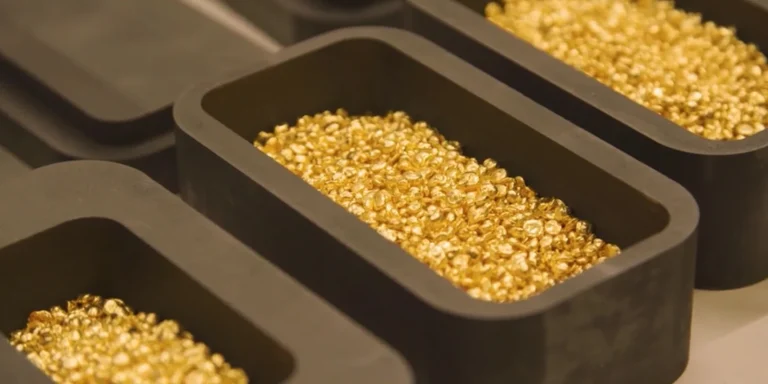
Reliable manufacturers source certified 925 sterling silver and carefully monitor alloy composition to ensure consistent hardness, color, and durability. Material quality directly affects polishing results, gemstone security, plating performance, and long term wear.
Many manufacturers also provide various finishing options, including:
- Rhodium plating
- 14K gold plating
- 18K gold plating
- Rose gold plating
- Antique finishes
- E coating for enhanced tarnish resistance
Selecting the right surface finish helps jewelry brands create collections tailored to different customer preferences and market positioning.
Quality Control Throughout Every Production Stage
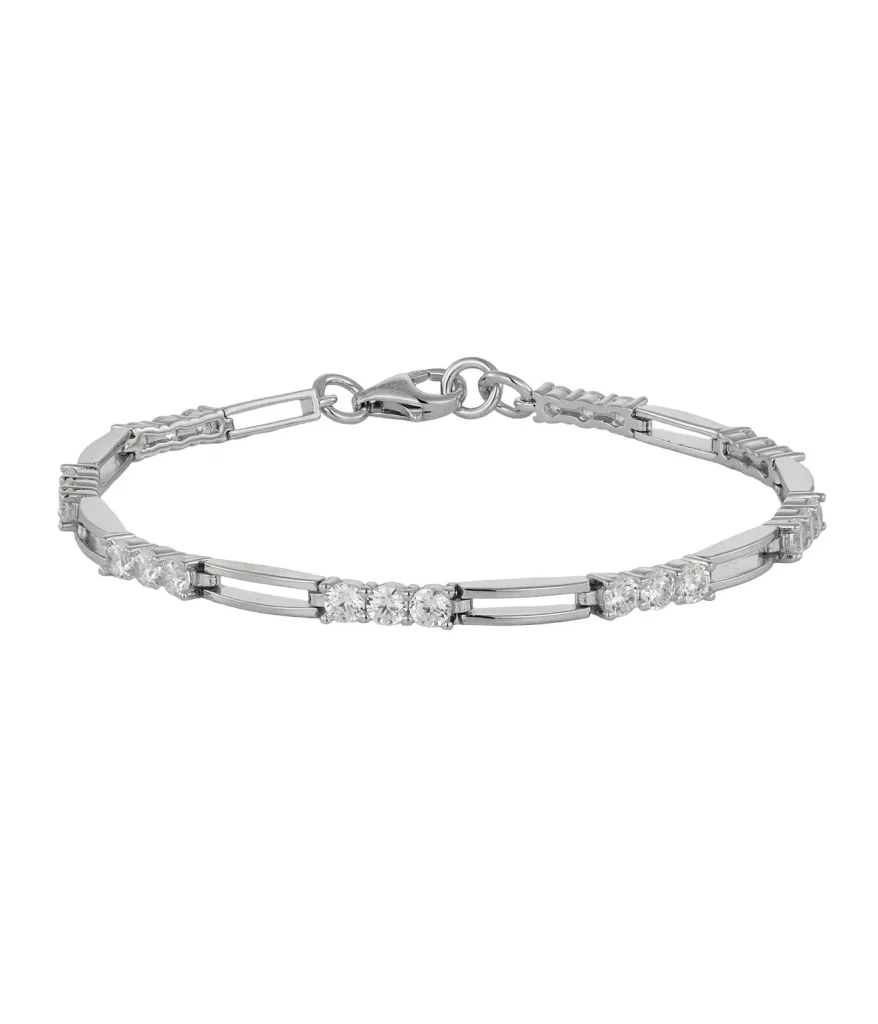
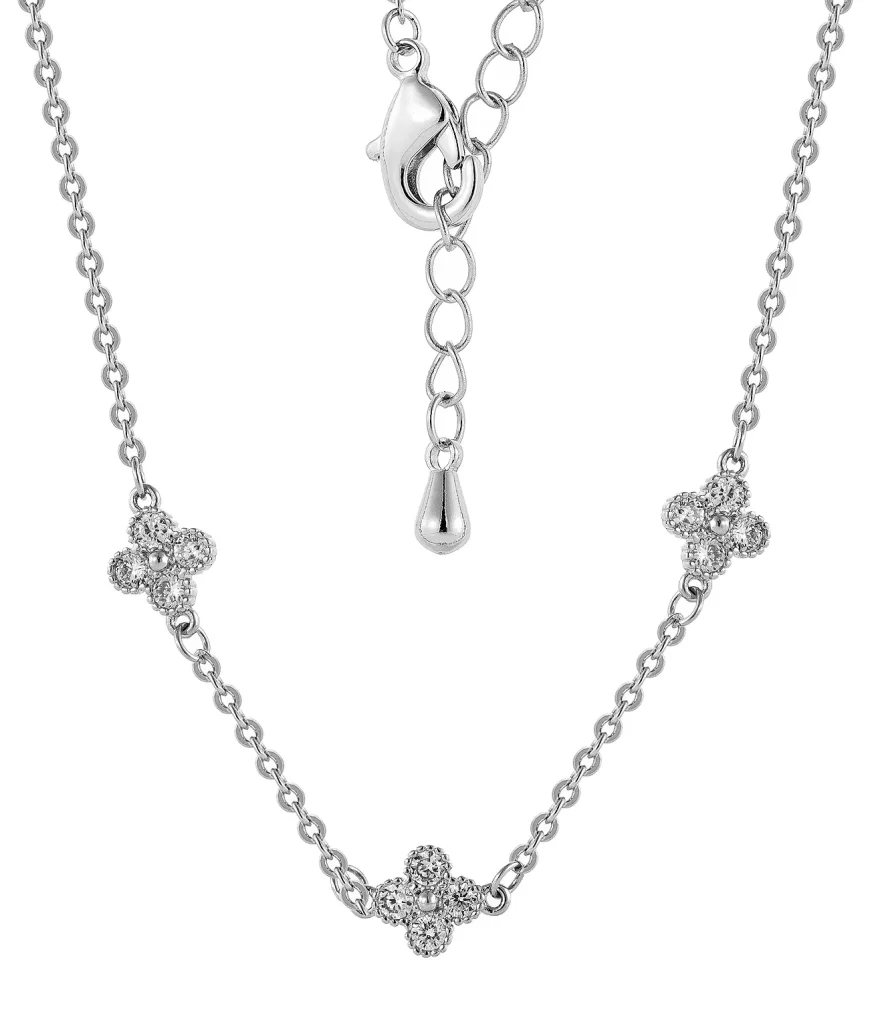
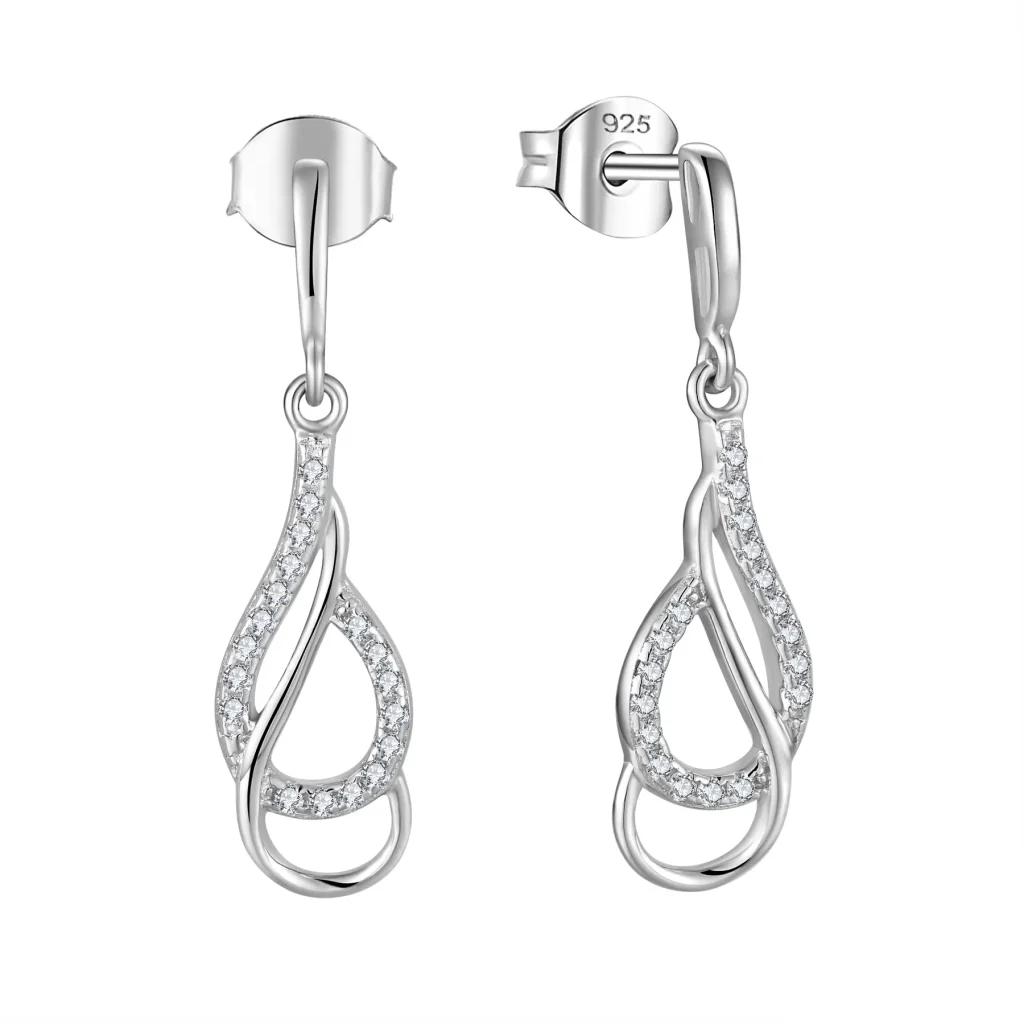
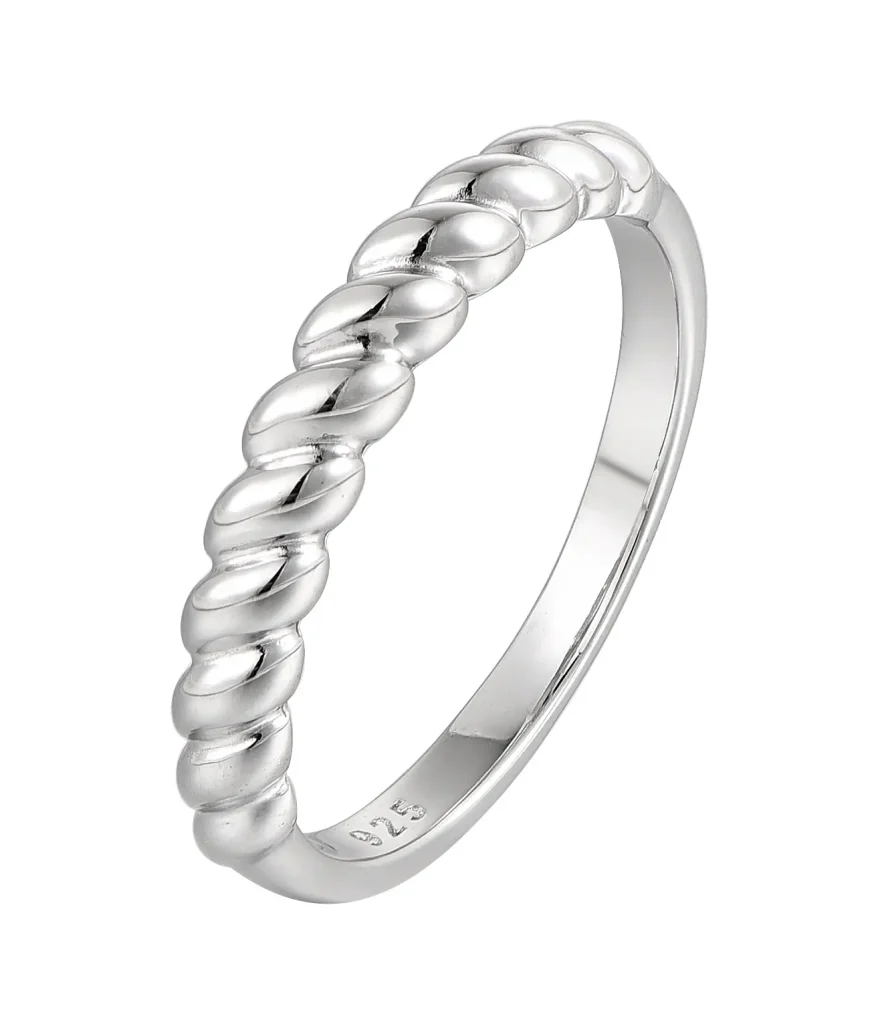
Quality control is one of the most important factors when selecting a manufacturing partner.
Rather than inspecting products only after production, experienced manufacturers implement multiple inspection stages throughout the manufacturing process.
Typical quality inspections include:
- Raw material verification
- CAD drawing confirmation
- Prototype approval
- Casting inspection
- Stone setting inspection
- Surface polishing inspection
- Plating thickness testing
- Final appearance inspection
- Packaging inspection
Professional factories may also use X ray fluorescence testing to verify silver purity and ensure compliance with international quality standards.
This multi step inspection system helps reduce production defects while maintaining consistency across large wholesale orders.
What Global Jewelry Brands Expect from Manufacturers Today
The jewelry industry has changed significantly over the past decade.
Today, jewelry brands are looking for manufacturing partners that offer more than production capacity. Flexibility, communication, and product development support have become equally important.
Many brands now prioritize manufacturers that provide:
- OEM and ODM manufacturing
- Private label jewelry services
- Low minimum order quantities
- Fast sample development
- In house CAD designers
- Stable production capacity
- International shipping experience
- Responsive project management
These capabilities enable brands to launch new collections more efficiently while reducing supply chain risks.
How Sustainability Is Influencing Jewelry Manufacturing
Sustainability has become an increasingly important consideration for both jewelry brands and consumers.
Many professional manufacturers now support more responsible production by offering recycled sterling silver, reducing material waste during production, and implementing environmentally conscious manufacturing practices.
In addition, improvements in digital communication, cloud based design collaboration, and global logistics have made it easier than ever for international jewelry brands to work directly with overseas manufacturers.
These developments allow businesses to shorten product development cycles while maintaining greater transparency throughout production.
How to Choose the Right 925 Sterling Silver Jewelry Manufacturer
Selecting the right manufacturing partner involves much more than comparing prices.
Before choosing a supplier, buyers should evaluate several key factors:
| Evaluation Factor | Why It Matters |
|---|---|
| Genuine 925 Sterling Silver | Ensures product quality and authenticity |
| CAD Design Support | Improves product development efficiency |
| Prototype Service | Reduces production risks |
| OEM & ODM Capability | Supports brand customization |
| Quality Control System | Maintains consistent product quality |
| Flexible MOQ | Suitable for growing brands |
| Production Capacity | Supports long term business growth |
| Export Experience | Ensures reliable international delivery |
An experienced manufacturer should also communicate clearly, provide realistic production schedules, and offer transparent updates throughout the project.
Why Long Term Manufacturing Partnerships Matter
Many successful jewelry brands work with the same manufacturing partner for years rather than changing suppliers frequently.
Long term partnerships improve production efficiency because manufacturers become familiar with brand standards, quality requirements, packaging specifications, and preferred production methods.
As trust develops, product development becomes faster, communication becomes smoother, and overall sourcing costs can often be reduced.
For growing brands, choosing an experienced 925 sterling silver jewelry manufacturer is not simply about producing jewelry. It is about building a reliable supply chain that supports sustainable business growth.
Frequently Asked Questions
1.Is 925 sterling silver suitable for everyday jewelry?
Yes. Because it combines high silver content with improved durability, 925 sterling silver is widely used for rings, necklaces, bracelets, earrings, and gemstone jewelry designed for daily wear.
2.Can a 925 sterling silver jewelry manufacturer create custom designs?
Yes. Most professional manufacturers provide OEM, ODM, and custom jewelry services, including CAD design, 3D prototypes, mold making, and private label production.
3.What plating options are available for sterling silver jewelry?
Common options include rhodium plating, 14K gold plating, 18K gold plating, rose gold plating, black rhodium, and protective E coating.
4.How do manufacturers ensure consistent quality?
Professional manufacturers implement quality inspections throughout production, verify silver purity, inspect stone settings, monitor plating quality, and conduct final product inspections before shipment.
5.What should brands look for when choosing a manufacturer?
Look for genuine material sourcing, experienced engineering teams, comprehensive quality control, flexible MOQ, stable production capacity, and strong experience serving international jewelry brands.
Conclusion
Choosing the right 925 sterling silver jewelry manufacturer is an investment in your brand’s long term success. Manufacturers with strong technical expertise, modern production facilities, and comprehensive quality management systems can help transform creative concepts into reliable, market ready jewelry collections.
As global demand for customized and private label jewelry continues to grow, brands that partner with experienced manufacturers will be better positioned to deliver consistent quality, respond quickly to market trends, and build lasting customer trust.
Have a jewelry design idea or some questions?