The Timeless Beauty of Silver Jewelry Necklaces
Silver jewelry necklaces have been admired for centuries for their radiant shine, versatility, and enduring value. From minimalist chains to intricate statement pendants, silver has always been a favorite among jewelry lovers across the world. This article explores everything you need to know about silver jewelry necklaces — their history, craftsmanship, types, benefits, styling tips, care instructions, and why silver remains one of the most sought-after metals in the jewelry industry today.
A Brief History of Silver Jewelry Necklaces
The use of silver in jewelry dates back thousands of years. Ancient civilizations such as the Egyptians, Greeks, and Romans valued silver for its luster and malleability. In those times, silver necklaces were symbols of power, wealth, and spirituality. Artisans hand-crafted elegant designs featuring symbols, gemstones, and religious motifs.
During the Renaissance and Victorian eras, silver jewelry became even more refined, showcasing detailed engraving and filigree work. As trade expanded, silver became more accessible, and its popularity grew rapidly across Europe and Asia. Today, modern jewelry makers continue to honor these traditions while blending innovative design and technology.
Why Silver Remains a Favorite in Jewelry Making
1. Durability and Versatility
Sterling silver, typically made of 92.5 percent pure silver and 7.5 percent other metals (usually copper), is strong enough for everyday wear. Its durability makes it ideal for delicate chains, pendants, chokers, and statement pieces.
2. Affordability
Compared to gold or platinum, silver offers high quality at a reasonable cost. This allows jewelry enthusiasts to own multiple pieces and change styles easily without compromising on luxury or design.
3. Hypoallergenic Properties
Sterling silver is hypoallergenic and suitable for most skin types, especially when it is nickel-free. This makes silver necklaces a safe and comfortable option for daily wear.
4. Timeless Aesthetic
The subtle shine of silver matches all skin tones and complements any outfit, whether formal, casual, or festive. Its neutral color enhances gemstones, crystals, and other decorative materials beautifully.

Types of Silver Used in Jewelry Necklaces
Understanding the different types of silver helps you choose jewelry that suits your preferences and needs.
1. Sterling Silver (925 Silver)
The most common and reliable type used in jewelry. It combines 92.5 percent pure silver with 7.5 percent alloy metals, enhancing strength and resistance to tarnish.
2. Fine Silver (999 Silver)
This is 99.9 percent pure silver and is softer and more prone to scratches. Fine silver necklaces are less common but highly valued for their purity.
3. Argentium Silver
A modern form of silver alloy that includes germanium for better tarnish resistance and durability. Argentium silver necklaces are low-maintenance and have a brighter shine.
4. Coin Silver
Historically made from melted-down coins, coin silver contains about 90 percent pure silver. While it is rarely used today, antique pieces are still highly collectible.
5. Oxidized Silver
Oxidized silver jewelry has a darker, vintage look created through a controlled chemical process. It is ideal for artistic or bohemian necklace designs.
The Unique Qualities That Make Silver Timeless
What sets silver apart from other metals is its harmonious combination of beauty, practicality, and symbolism. Its natural brightness captures light like no other material, giving it a refined yet understated glow. Unlike gold, which can appear bold or extravagant, silver maintains a subtle elegance that suits every personality and occasion.
Sterling silver, the most commonly used form in jewelry, contains 92.5 percent pure silver and 7.5 percent alloy metals—typically copper—to enhance durability. This blend creates a perfect balance of softness and strength, allowing artisans to mold it into intricate forms without compromising its resilience. Moreover, sterling silver is hypoallergenic, making it a comfortable choice for those with sensitive skin.
Affordability is another reason for silver’s popularity. It offers a luxurious appearance without the high cost of other precious metals. This accessibility enables collectors, designers, and consumers to explore multiple designs and express creativity freely. Combined with its timeless look, silver jewelry necklaces can complement both contemporary and vintage fashion, remaining stylish year after year.
Craftsmanship and the Art of Creating Silver Necklaces
Behind every silver necklace lies a journey of design, craftsmanship, and precision. The process begins with creative conceptualization, where jewelry designers sketch ideas or use computer-aided design (CAD) software to perfect every curve and detail. Each design must achieve a balance between beauty and wearability, ensuring that the final piece is both elegant and comfortable.
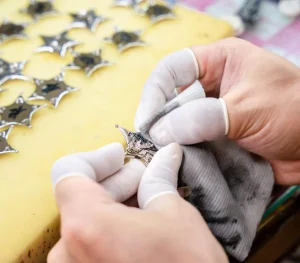
Once the design is finalized, pure silver is melted and alloyed to form sterling silver. The molten metal is then poured into molds or carefully shaped by hand to create chains, pendants, or intricate patterns. Skilled artisans spend hours polishing, refining, and perfecting each link or surface until it gleams with the unmistakable shine that defines fine silver jewelry.
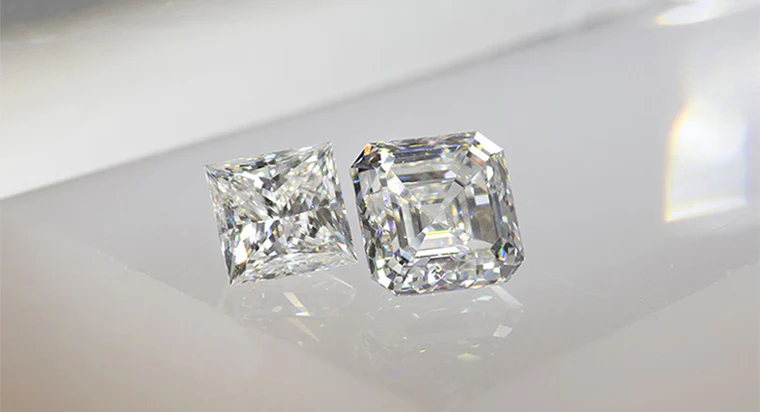
Many silver necklaces also feature gemstones such as cubic zirconia, turquoise, onyx, or pearls, which add depth and character to the design. Gem setting requires meticulous craftsmanship to ensure that every stone is secure and harmoniously integrated into the piece. The result is jewelry that combines traditional artistry with modern precision, embodying both heritage and innovation.
Popular Styles of Silver Jewelry Necklaces
The beauty of silver lies in its versatility, allowing it to adapt to countless design styles that cater to different tastes and occasions.
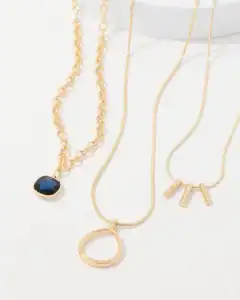
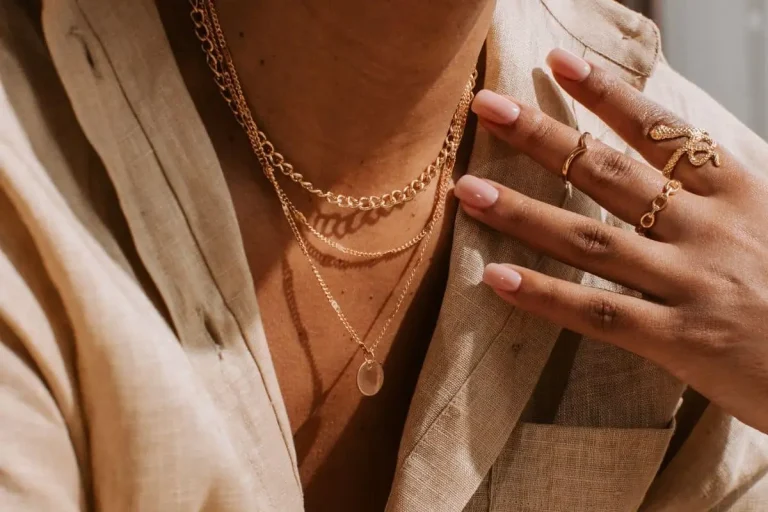
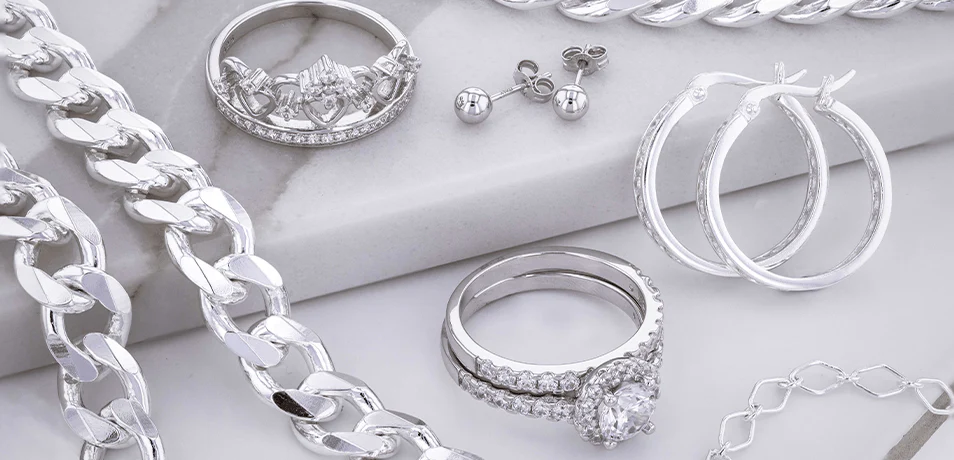
Classic Silver Chain Necklaces are the foundation of every jewelry collection. Simple yet elegant, they can be worn alone or layered with other pieces. Popular chain styles include cable, rope, box, snake, and curb chains.
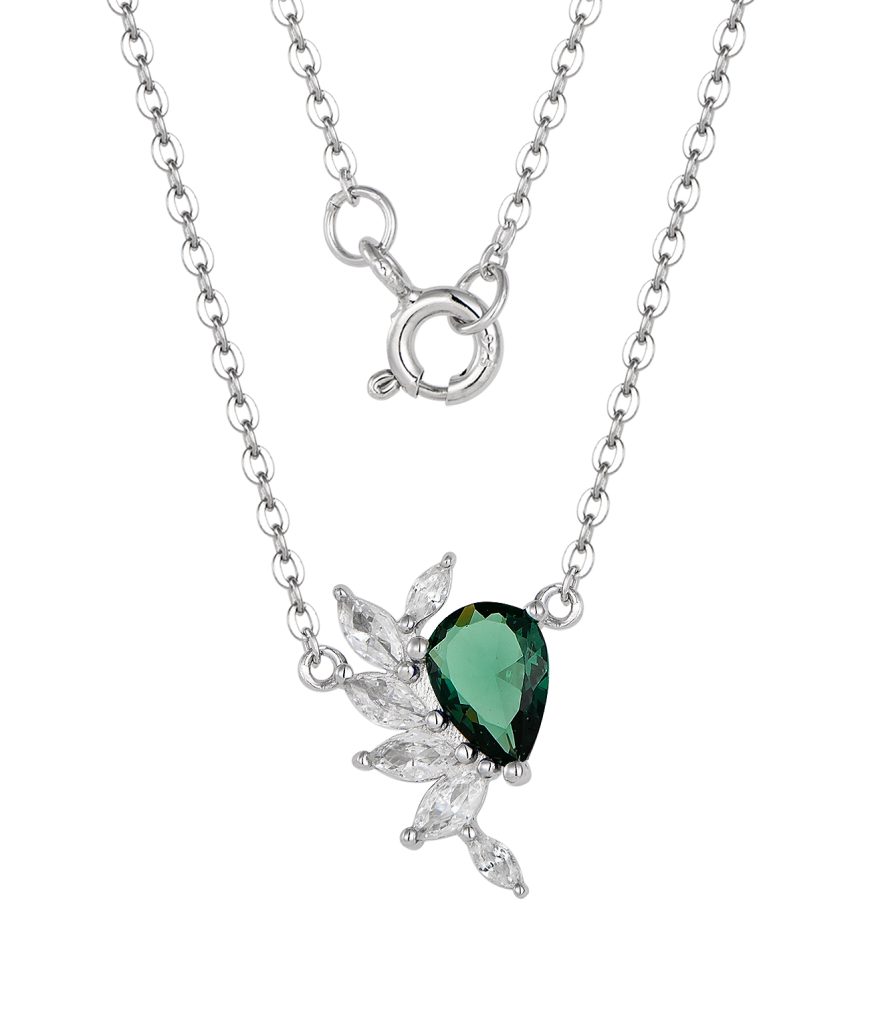
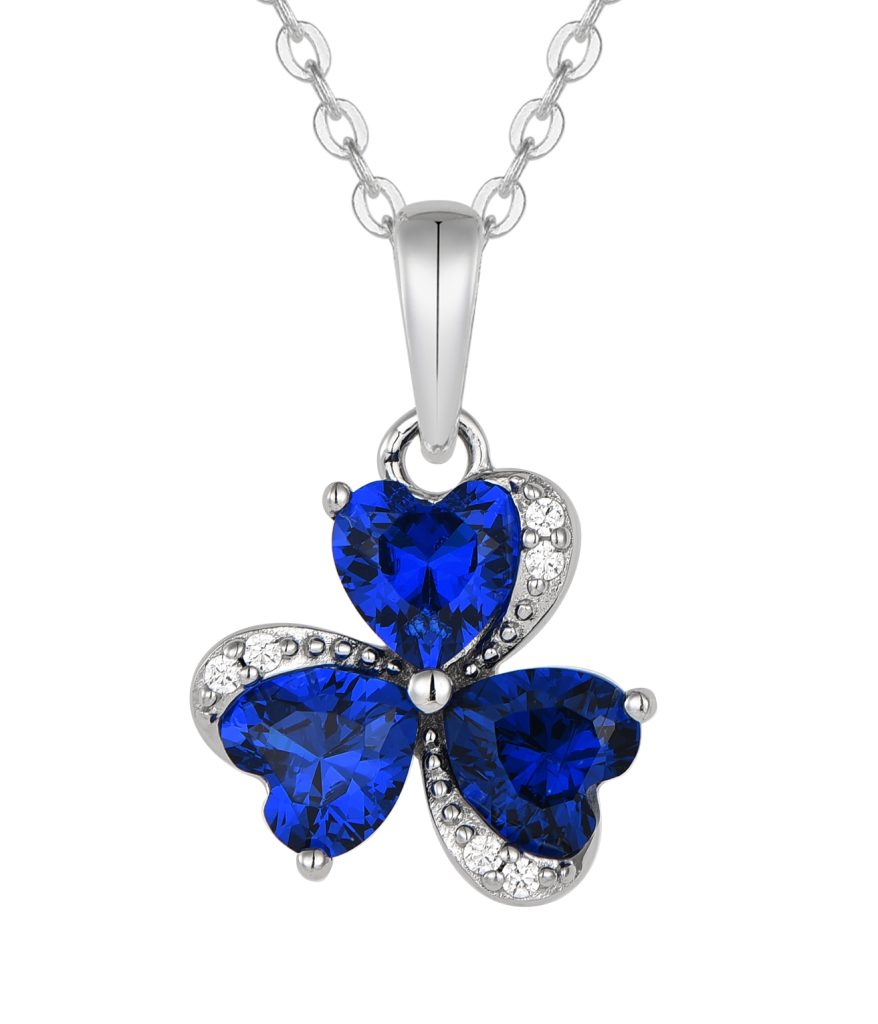
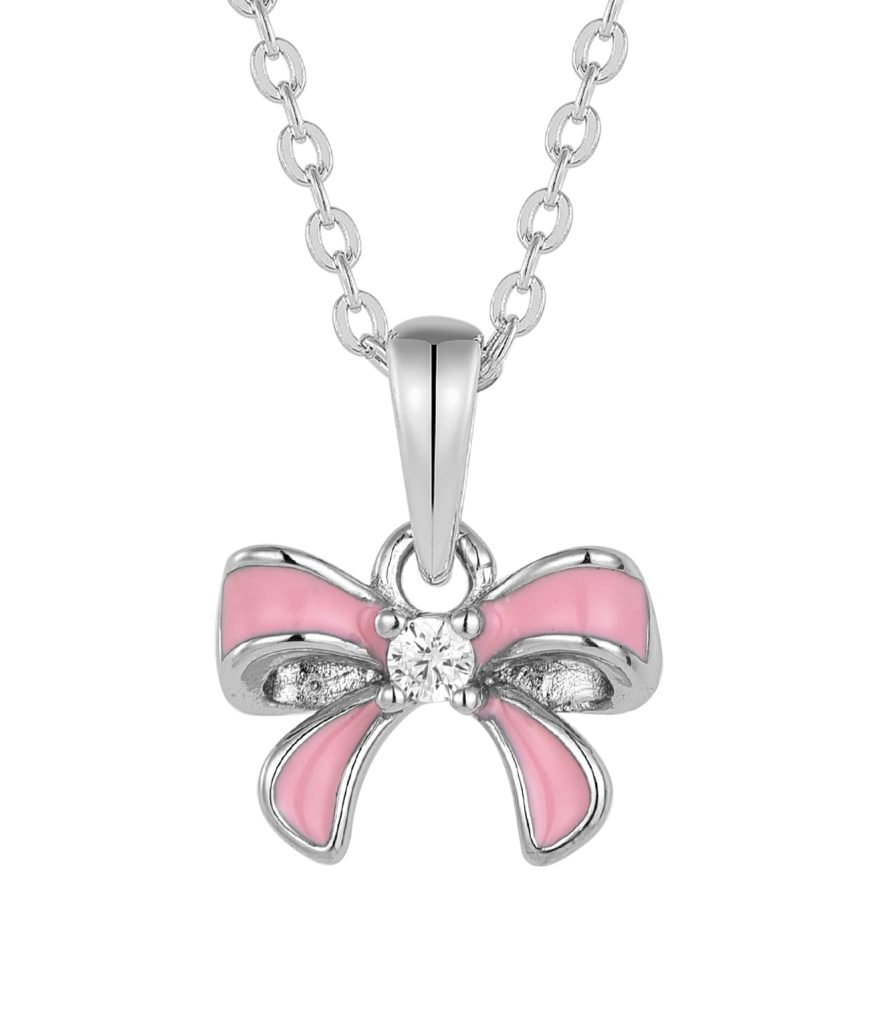
Silver Pendant Necklaces add personal meaning to the metal’s brilliance. Pendants may feature initials, symbols, or gemstones, making them thoughtful gifts for loved ones or memorable keepsakes for oneself.
Silver Chokers and Collars bring a modern and sophisticated touch. Worn close to the neck, they complement both formal and minimalist fashion.
Beaded and Textured Silver Necklaces highlight craftsmanship and creativity. They are especially popular in bohemian and artisanal collections that emphasize handmade artistry.
Statement Silver Necklaces are bold and expressive. With elaborate designs and sculptural forms, they transform simple outfits into striking fashion statements. Whether minimal or ornate, silver necklaces are versatile accessories that transition effortlessly from day to night, from casual gatherings to elegant events.
The Symbolism and Emotional Meaning of Silver
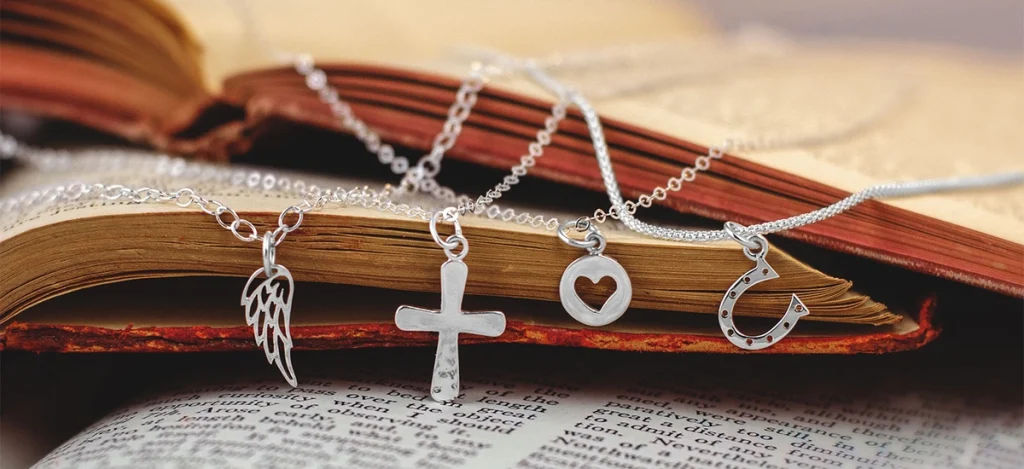
Silver is not just visually captivating; it also carries deep cultural and emotional significance. Across civilizations, silver has symbolized purity, clarity, and balance. It is often associated with the moon, representing calm energy, reflection, and intuition. Many believe silver has protective qualities that guard against negative emotions and promote inner peace.
In modern times, silver jewelry has come to represent self-expression and individuality. A silver necklace can mark milestones such as birthdays, anniversaries, and personal achievements. It can symbolize friendship, love, or remembrance, making it one of the most heartfelt gifts one can give. Because silver blends effortlessly with all ages and styles, it becomes part of one’s personal journey—an accessory that holds memories as it shines through time.
Choosing the Perfect Silver Necklace
Selecting the right silver jewelry necklace requires an understanding of style, quality, and purpose. The first step is identifying the type of necklace that best suits your lifestyle. A fine chain with a subtle pendant may be ideal for daily wear, while a thicker or gemstone-adorned piece can elevate evening attire.
Length also plays a key role. Shorter necklaces accentuate the neckline, while longer chains create a more elegant and relaxed impression. For layering, mixing lengths and textures adds depth and visual interest. When purchasing, always look for the hallmark “925” or the word “Sterling,” which certifies the silver’s authenticity and quality.
Authenticity matters not only for appearance but also for durability and comfort. Real silver has a cool, dense feel and is non-magnetic. Choosing jewelry from reputable manufacturers or verified brands ensures lasting value and peace of mind. For those seeking unique or customized designs, many silver jewelry factories offer OEM and ODM services that allow clients to create personalized collections with exclusive branding.
Silver in Modern Fashion and Global Jewelry Markets
In today’s fashion world, silver jewelry necklaces remain a cornerstone of style. Designers embrace silver for its adaptability to both minimalist and bold aesthetics. Celebrities and influencers frequently showcase layered silver chains, geometric pendants, and vintage-inspired pieces, fueling global demand for modern silver jewelry.
From a business perspective, silver jewelry continues to experience steady growth worldwide. China has become a major center for sterling silver manufacturing, known for advanced craftsmanship, diverse design offerings, and competitive pricing. Chinese manufacturers specialize in both wholesale and custom production, supplying jewelry brands across Europe, America, and Asia. With strict quality control and innovative production techniques, they provide exceptional reliability and artistic excellence, ensuring that every necklace meets international standards of purity and precision.
The Rise of Sustainable and Ethical Silver Jewelry
Sustainability is transforming the jewelry industry, and silver plays a key role in this evolution. As consumers become more conscious of environmental impact, the demand for recycled and ethically sourced silver has grown significantly. Many manufacturers now use reclaimed silver from old jewelry, electronics, and industrial waste, minimizing the need for new mining and reducing carbon emissions.
Ethical production also includes fair labor practices and eco-friendly processing. Factories adopting sustainable methods often use water recycling systems, non-toxic cleaning agents, and transparent supply chains. By choosing sustainable silver necklaces, buyers not only support environmental preservation but also contribute to a fairer and more responsible jewelry ecosystem. This alignment of beauty and ethics represents the future of luxury jewelry.
Caring for Silver Jewelry Necklaces
Proper care is essential to maintain the brilliance and longevity of a silver necklace. Although sterling silver is durable, it can tarnish over time when exposed to air, moisture, or chemicals. Regular cleaning prevents this and preserves its natural luster.
A soft microfiber or jewelry polishing cloth can remove surface dirt after each use. For deeper cleaning, mix mild soap with warm water and gently scrub with a soft brush before drying thoroughly. Avoid exposure to perfumes, hairsprays, chlorine, and detergents, as these substances can dull the metal. Storing silver jewelry in airtight containers or anti-tarnish pouches helps reduce oxidation. For high-value or gemstone-set pieces, professional polishing is recommended once or twice a year. With consistent care, a silver necklace can maintain its beauty for decades.
The Lasting Value and Emotional Connection of Silver
The true charm of a silver jewelry necklace lies not only in its physical beauty but also in the emotional stories it carries. Silver accompanies people through life’s moments—celebrations, milestones, and memories. Unlike temporary fashion accessories, it has a sense of permanence. A sterling silver necklace can become a family heirloom, passed from one generation to another, gaining sentimental value with time.
Silver jewelry embodies both tradition and modernity, making it one of the most versatile and enduring materials in human history. Its radiance, craftsmanship, and symbolism continue to inspire designers and wearers alike. As global fashion evolves, silver remains a constant reminder that elegance, when grounded in authenticity and artistry, never fades.
Conclusion
Silver jewelry necklaces represent the perfect harmony between heritage, beauty, and craftsmanship. From ancient temples to modern studios, silver has adorned humanity with elegance that transcends culture and time. Whether designed as a minimalist chain, a personalized pendant, or an elaborate statement piece, each necklace carries a legacy of artistry and emotion.
With proper care and appreciation, a silver necklace can last for generations, shining as brightly as the day it was made. It is more than metal; it is history, memory, and expression crafted into form. In a world where trends change quickly, silver endures as a symbol of true and lasting elegance.
Have a jewelry design idea or some questions?