Silver vs Gold Plated vs Gold Vermeil vs Brass: Jewelry Material Guide
When sourcing jewelry for a brand, choosing the right material affects much more than the appearance of the final product. Material selection influences production cost, durability, plating performance, customer expectations, and how a collection should be positioned in the market.
For B2B buyers, four materials appear frequently in jewelry sourcing: 925 sterling silver, gold plated jewelry, gold vermeil, and brass.
So, which one is best?
The answer depends on your target price, product positioning, expected wear, and market requirements.
This guide compares silver vs gold plated vs gold vermeil vs brass from a jewelry manufacturing and wholesale perspective.
Quick Comparison: Silver vs Gold Plated vs Gold Vermeil vs Brass
| Material | Base Material | Gold Layer | Durability | Cost Level | Best For |
|---|---|---|---|---|---|
| 925 Sterling Silver | 92.5% silver alloy | None or optional plating | High | $$$ | Premium everyday jewelry |
| Gold Plated | Brass, silver or other metal | Thin gold coating | Medium | $$ | Fashion and affordable collections |
| Gold Vermeil | 925 sterling silver | Minimum 2.5 μm gold | High | $$$$ | Demi-fine and premium collections |
| Brass | Copper + zinc alloy | Optional plating | Medium | $ | Fashion jewelry and large-volume collections |
The table is a general sourcing guide. Actual pricing and wear performance depend on design, weight, plating specification, order quantity, and finishing process.
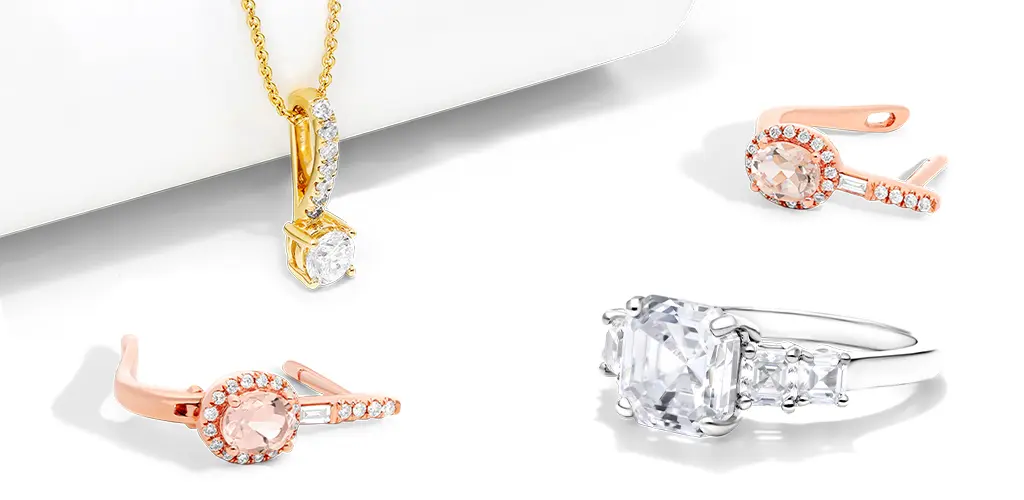
What Is 925 Sterling Silver Jewelry?
925 sterling silver contains 92.5% pure silver, with the remaining portion consisting mainly of alloying metals that improve strength and workability. It is widely used for premium fashion jewelry, demi-fine jewelry, custom jewelry, and wholesale collections.
You can learn more about 925 sterling silver jewelry and the manufacturing advantages of wholesale sterling silver jewelry.
Advantages of 925 Sterling Silver
- Premium material perception
- Good durability and structural strength
- Suitable for gemstone setting
- Easy to customize
- Can be polished, rhodium plated, or gold plated
- Strong fit for private label and OEM collections
For brands targeting customers who expect a more premium product, sterling silver is generally a stronger positioning material than brass.
However, genuine silver can naturally tarnish over time. Rhodium plating and other protective finishing systems can help improve surface appearance and tarnish resistance.
For more information, see our guide to sterling silver composition and hallmarks and sterling silver vs pure silver.
What Is Gold Plated Jewelry?
Gold plated jewelry is made by applying a layer of gold over another metal.
The base may be brass, copper, sterling silver, stainless steel, or another suitable metal, depending on the product specification.
This is why “gold plated” alone does not tell a buyer everything about a piece of jewelry.
When sourcing gold plated jewelry, ask your supplier about:
- Base metal
- Gold karat
- Plating thickness
- Plating process
- Barrier layers
- E-coating
- Adhesion and wear testing
The FTC Jewelry Guides emphasize that jewelry descriptions should accurately represent the product’s material and precious metal content.
For a deeper manufacturing discussion, see gold plated jewelry quality and plating thickness.
Why Brands Choose Gold Plated Jewelry
Gold plated jewelry is attractive for brands that want a gold appearance while keeping the product cost more accessible.
It is especially suitable for:
- Fashion jewelry
- Seasonal collections
- Trend-driven designs
- Entry-level collections
- Large wholesale orders
- Product testing before launching premium versions
The most important factor is not simply whether a piece is “gold plated,” but how the plating is specified and controlled.
Why Brands Choose Gold Plated Jewelry
Gold plated jewelry is attractive for brands that want a gold appearance while keeping the product cost more accessible.
It is especially suitable for:
- Fashion jewelry
- Seasonal collections
- Trend-driven designs
- Entry-level collections
- Large wholesale orders
- Product testing before launching premium versions
The most important factor is not simply whether a piece is “gold plated,” but how the plating is specified and controlled.
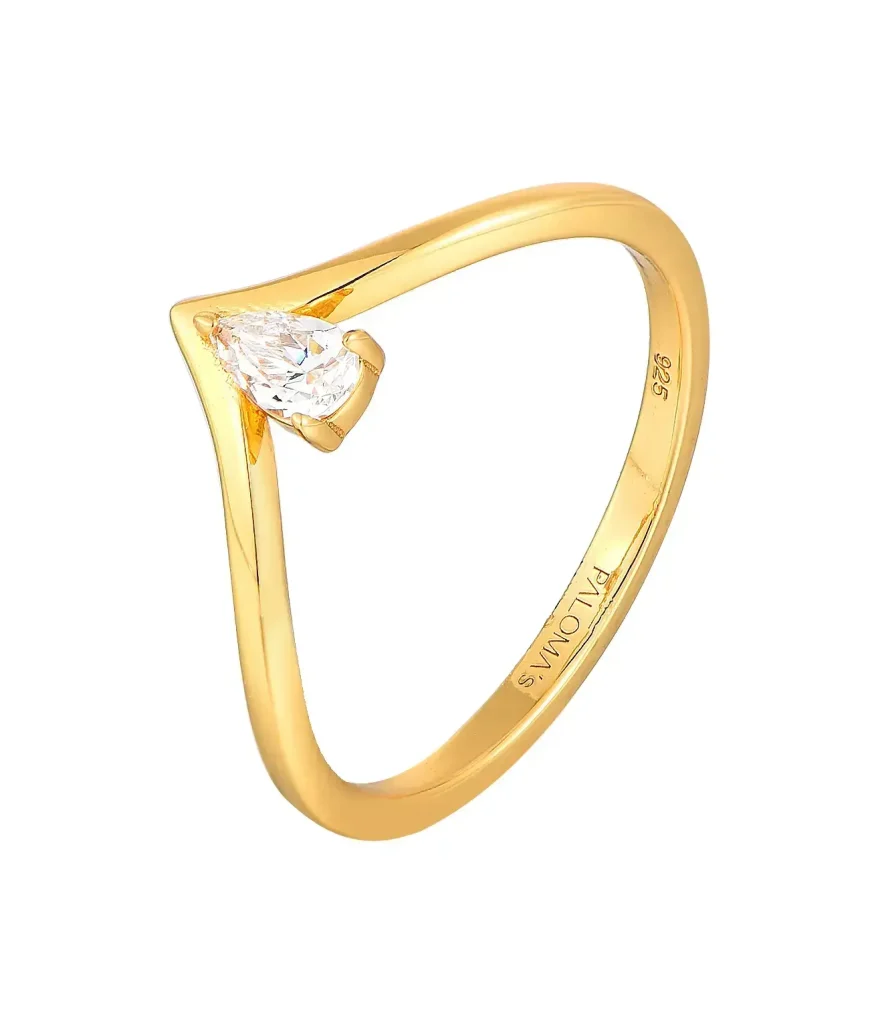
What Is Gold Vermeil?
Gold vermeil is not simply another name for gold plated jewelry.
The key difference is the base material and gold layer.
Under the FTC Jewelry Guides, a product can be described as vermeil when it has a sterling silver base, gold or gold alloy of at least 10 karat, and a minimum gold thickness equivalent to 2.5 microns throughout the relevant surfaces.
Our gold vermeil jewelry guide explains the production process in more detail.
Why Gold Vermeil Costs More
Gold vermeil generally costs more than basic gold plated brass because two important specifications increase the material and production requirements:
1. Sterling silver base
The core is 925 sterling silver rather than a lower-cost base metal.
2. Thicker gold layer
A minimum 2.5 μm thickness is associated with the FTC definition of vermeil.
This makes vermeil particularly attractive for:
- Demi-fine jewelry brands
- Premium private label collections
- Boutique jewelry brands
- Higher-value wholesale collections
- Brands looking for a balance between solid gold and standard plating
You can also read our guide on why base metals matter in gold vermeil jewelry.
What Is Brass Jewelry?
Brass is primarily an alloy of copper and zinc. It is widely used in fashion jewelry because it is affordable, formable, and compatible with different plating finishes.
For B2B buyers, brass can be a practical choice when controlling unit cost is a major priority.
Endless Jewelry’s brass jewelry manufacturing guide explains why brass is commonly used for fashion and wholesale collections.
Advantages of Brass
- Lower material cost
- Good design flexibility
- Suitable for detailed shapes
- Works well with gold, silver, and rose gold plating
- Suitable for larger fashion collections
The main consideration is that uncoated brass can react with moisture, air, and skin oils and gradually darken. Proper plating and finishing can significantly improve its appearance and wear resistance.
For more details, see does brass jewelry tarnish?.
Silver vs Gold Plated vs Gold Vermeil vs Brass: Which Is More Durable?
Brass is primarily an alloy of copper and zinc. It is widely used in fashion jewelry because it is affordable, formable, and compatible with different plating finishes.
For B2B buyers, brass can be a practical choice when controlling unit cost is a major priority.
Endless Jewelry’s brass jewelry manufacturing guide explains why brass is commonly used for fashion and wholesale collections.
Advantages of Brass
- Lower material cost
- Good design flexibility
- Suitable for detailed shapes
- Works well with gold, silver, and rose gold plating
- Suitable for larger fashion collections
The main consideration is that uncoated brass can react with moisture, air, and skin oils and gradually darken. Proper plating and finishing can significantly improve its appearance and wear resistance.
For more details, see does brass jewelry tarnish?.
Silver vs Gold Plated vs Gold Vermeil vs Brass: Which Is More Durable?
There is no universal lifespan for jewelry because wear depends on the product and the customer.
A ring worn every day will normally experience more friction than a necklace worn occasionally. Sweat, perfume, lotions, water, cleaning chemicals, and storage conditions can also affect the finish.
Instead of asking a manufacturer only, “How many months will it last?”, B2B buyers should ask for measurable specifications such as:
| Quality Factor | What Buyers Should Ask |
|---|---|
| Base Material | Is it 925 silver, brass, stainless steel or another alloy? |
| Gold Karat | 10K, 14K, 18K or another specification? |
| Plating Thickness | What is the target thickness in microns? |
| Surface Protection | Is e-coating included? |
| Adhesion | Is plating adhesion tested? |
| Wear Resistance | Is wear testing performed? |
| Color Consistency | Is plating color checked against a standard? |
| Compliance | Can the supplier provide relevant test reports? |
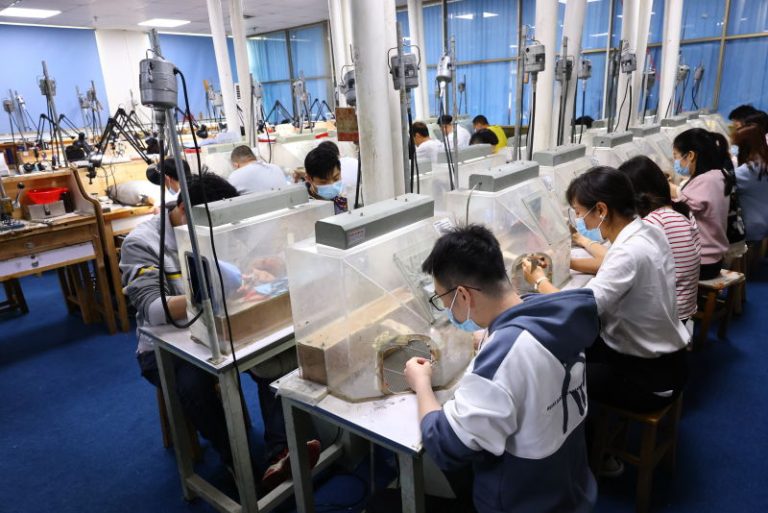
At Endless Jewelry, quality control includes plating thickness measurement, wear resistance testing, structural inspection, and color consistency evaluation.
This is more useful for professional buyers than relying on a fixed “12-month” or “24-month” lifespan claim.
For additional information, see our jewelry quality control process.
Which Material Is Best for Wholesale Jewelry?
The best material depends on your business model.
Choose 925 Sterling Silver If:
You want premium positioning, strong customization flexibility, and a material suitable for everyday jewelry.
Sterling silver is particularly suitable for custom sterling silver jewelry and collections featuring gemstones, engraving, or multiple plating finishes.
Choose Gold Plated Jewelry If:
Your priority is a more accessible retail price while maintaining a gold appearance.
Gold plated jewelry works well for fashion collections, trend products, and larger-volume wholesale programs.
Choose Gold Vermeil If:
You want to position your products above standard fashion jewelry.
Gold vermeil is especially suitable for demi-fine and premium collections where sterling silver and a thicker gold layer add perceived value.
Choose Brass If:
Your primary objective is cost efficiency and design flexibility.
Brass can be an effective material for statement jewelry, seasonal collections, and fashion-focused product lines.
Material Cost and Wholesale Positioning
For B2B sourcing, material cost should not be considered separately from product positioning.
A simplified cost hierarchy is:
Brass → Gold Plated Brass → 925 Sterling Silver → Gold Vermeil
However, this is only a general comparison.
A lightweight sterling silver ring may cost less than a heavy brass statement necklace. Similarly, gold plating thickness, gold karat, gemstones, product weight, design complexity, and order quantity can significantly change the final quotation.
For this reason, professional manufacturers normally quote based on the actual product specification, rather than material name alone.
Endless Jewelry supports OEM and ODM jewelry manufacturing for brands and wholesalers, allowing buyers to define materials, plating, designs, logos, and packaging according to their target market.
What About Hypoallergenic and REACH Requirements?
Material selection is also important when selling jewelry in Europe and other regulated markets.
REACH Annex XVII includes restrictions concerning nickel, including requirements related to nickel release from jewelry articles that come into prolonged skin contact or are used in pierced parts of the body.
Therefore, buyers should avoid treating terms such as “hypoallergenic” or “nickel-free” as marketing words only.
Ask your supplier for the relevant material and compliance documentation.
For example, Endless Jewelry states that its sterling silver earrings are designed to meet a nickel-release specification of ≤0.2 μg/cm²/week under its referenced REACH standard.
This type of measurable specification is much stronger for B2B sourcing than simply saying “skin friendly.”
You can also explore our custom sterling silver earrings for more information.
FTC and Jewelry Material Claims
For brands selling into the United States, accurate material descriptions are important.
The FTC Jewelry Guides provide guidance for how jewelry containing gold, silver, platinum and other materials should be represented. The FTC specifically addresses surface applications and disclosures for products containing precious metals.
For example, calling a product “gold” without clearly communicating that it is a plated product can create confusion about the actual composition.
For gold vermeil, the FTC’s definition includes:
- Sterling silver base
- Gold or gold alloy of at least 10K
- Minimum 2.5 μm gold thickness
- Reasonable durability
For B2B brands, accurate product specifications should therefore be established before product listing, packaging, advertising, and wholesale catalog production.
How Should B2B Buyers Choose a Jewelry Manufacturer?
Material quality depends heavily on manufacturing control.
Before placing a bulk order, ask your supplier:
- What is the exact base metal?
- What is the gold karat?
- What is the plating thickness?
- How is plating thickness measured?
- Is the measurement taken at multiple points?
- Is wear resistance tested?
- Are nickel, lead, and cadmium requirements addressed?
- Can you provide material or compliance documentation?
- What is the MOQ?
- What is the sample and bulk production lead time?
A professional supplier should be able to explain the production specification clearly instead of simply quoting “high quality.”
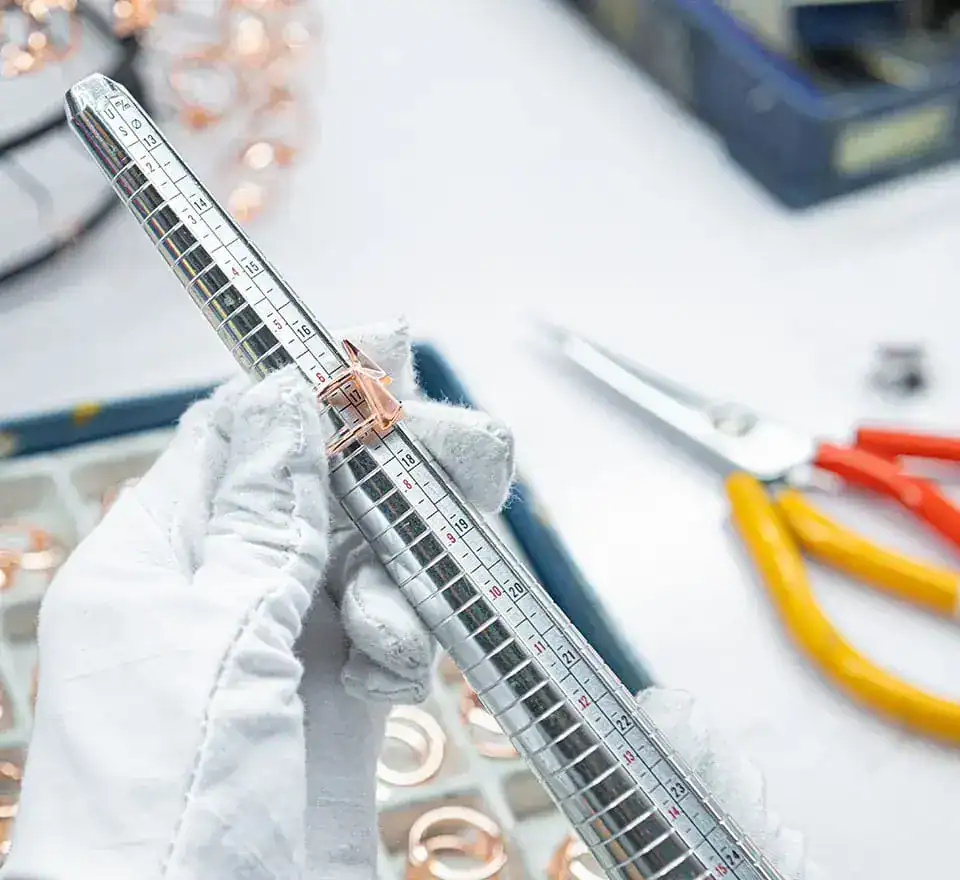
Endless Jewelry provides jewelry sampling services so buyers can evaluate the material, finish, construction, and final appearance before moving into bulk production.
For brands that require branding and customized collections, private label jewelry manufacturing can also help integrate product development with logo and packaging requirements.
Silver vs Gold Plated vs Gold Vermeil vs Brass: Final Recommendation
There is no single “best” jewelry material for every brand.
925 sterling silver is a strong choice when premium material, durability, and customization are priorities.
Gold plated jewelry is suitable when brands want a gold appearance at a more accessible price point.
Gold vermeil is ideal for brands positioning themselves in the demi-fine or premium segment and looking for sterling silver with a substantial gold layer.
Brass remains a practical option for fashion jewelry where cost efficiency, design flexibility, and scalable production are important.
The most important decision is not simply choosing the cheapest material. It is choosing the material that matches your target retail price, customer expectations, product positioning, and required quality specification.
If you are comparing materials for a new jewelry collection, Endless Jewelry can support material selection, CAD development, sampling, plating, quality control, OEM/ODM production, and customized packaging. Our factory has more than 20 years of jewelry manufacturing experience and supports brands and wholesalers with factory-direct production.
Explore custom jewelry manufacturing, custom gold jewelry, custom sterling silver jewelry, and gold filled jewelry to compare suitable production options.
Frequently Asked Questions
1.Is sterling silver better than gold plated jewelry?
Not necessarily. Sterling silver offers a premium precious-metal base, while gold plated jewelry can provide a gold appearance at a lower cost. The better option depends on your target market and price positioning.
2.Is gold vermeil better than gold plated jewelry?
Gold vermeil generally offers a more premium construction because it uses a sterling silver base and, under the FTC definition, requires a minimum 2.5 μm gold layer.
3.Is brass good for wholesale jewelry?
Yes. Brass is widely used in wholesale fashion jewelry because it is affordable, easy to shape, and compatible with different plating finishes. It is particularly suitable for cost-conscious collections.
4.Does gold plated jewelry tarnish?
It can. Performance depends on the base metal, gold thickness, surface preparation, protective coating, wear frequency, and exposure to moisture or chemicals. Thicker and properly controlled plating generally provides better wear performance.
5.What should I ask a jewelry manufacturer before ordering?
Ask about the base material, gold karat, plating thickness, testing methods, compliance requirements, MOQ, sample lead time, bulk production time, and quality control process.
About Endless Jewelry
Endless Jewelry is a China-based B2B jewelry manufacturer specializing in OEM, ODM, private label, and custom jewelry production.
Our production capabilities include CAD design, casting, polishing, stone setting, electroplating, quality inspection, and customized packaging. We work with materials including 925 sterling silver, gold vermeil, gold plated jewelry, brass, gold filled, and solid gold.
For wholesale and custom jewelry projects, buyers can discuss material specifications, plating requirements, MOQ, sampling, and packaging directly with our manufacturing team.
Have a jewelry design idea or some questions?